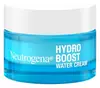
This barrier-repair moisturizer is formulated around Ceramide NP and Sodium Hyaluronate to strengthen the skin barrier and hydrate skin.
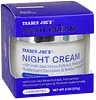
This barrier-repair night moisturizer is formulated around Butyrospermum Parkii Butter and Chamomilla Recutita Flower Extract to strengthen the skin barrier and hydrate skin.

What's inside
What's inside
 Key Ingredients
Benefits
Concerns
Ingredients Side-by-side
Water
Skin ConditioningGlycerin
Humectant


Isopropyl Palmitate
Emollient




Cetyl Alcohol
Emollient

Cetearyl Olivate
Sorbitan Olivate
Emulsifying
C10-30 Cholesterol/Lanosterol Esters
Emulsifying
Ceramide NP
Skin Conditioning



Stearic Acid
Cleansing
Palmitic Acid
Emollient
Sodium Hyaluronate
Humectant
Serine
Masking
Glycine
Buffering
Alanine
Masking
Threonine
Arginine
Masking
Proline
Skin Conditioning
Lysine Hcl
Skin Conditioning
Glutamic Acid
Humectant
Sodium PCA
Humectant
PCA
Humectant
Sodium Lactate
Buffering
Urea
Buffering

Sodium Chloride
MaskingCitric Acid
Buffering

Betaine
Humectant
Allantoin
Skin Conditioning
Fructose
Humectant
Maltose
MaskingTrehalose
Humectant
Glucose
Humectant
Pentylene Glycol
Skin Conditioning
Dimethicone
Emollient
Polyacrylate Crosspolymer-6
Emulsion StabilisingEthylhexylglycerin
Skin ConditioningCaprylyl Glycol
Emollient
1,2-Hexanediol
Skin Conditioning
Tropolone
Skin ConditioningSodium Hydroxide
BufferingWater, Glycerin, Isopropyl Palmitate, Cetyl Alcohol, Cetearyl Olivate, Sorbitan Olivate, C10-30 Cholesterol/Lanosterol Esters, Ceramide NP, Stearic Acid, Palmitic Acid, Sodium Hyaluronate, Serine, Glycine, Alanine, Threonine, Arginine, Proline, Lysine Hcl, Glutamic Acid, Sodium PCA, PCA, Sodium Lactate, Urea, Sodium Chloride, Citric Acid, Betaine, Allantoin, Fructose, Maltose, Trehalose, Glucose, Pentylene Glycol, Dimethicone, Polyacrylate Crosspolymer-6, Ethylhexylglycerin, Caprylyl Glycol, 1,2-Hexanediol, Tropolone, Sodium Hydroxide
Water
Skin ConditioningButyrospermum Parkii Butter
Skin Conditioning
Cetyl Alcohol
Emollient
Glycerin
Humectant
Glyceryl Stearate
Emollient
PEG-100 Stearate
Surfactant
Caprylic Acid
CleansingCaprylic/Capric Triglyceride
Masking
Dicaprylyl Carbonate
EmollientSimmondsia Chinensis Seed Oil
Emollient
Chamomilla Recutita Flower Extract
Masking
Chondrus Crispus Extract
Skin Conditioning
Glycine Soja Sterols
Emollient
Helichrysum Italicum Extract
AntiseborrhoeicPhaseolus Angularis Seed Extract
Antioxidant
Argania Spinosa Kernel Oil
Emollient

Vetiveria Zizanoides Root Oil
Masking


Helianthus Annuus Seed Oil
Emollient
Macadamia Ternifolia Seed Oil
Emollient
Olea Europaea Fruit Oil
Masking
Sclerocarya Birrea Seed Oil
Humectant
Bacillus
Skin ConditioningCordyceps Sinensis Extract
Antioxidant
Ganoderma Lucidum Extract
Skin Protecting
Inonotus Obliquus Extract
Skin ConditioningLentinus Edodes Extract
Skin ConditioningPhellinus Linteus Ferment Filtrate
Schizophyllum Commune Mycelium
EmollientTricholoma Matsutake Mycelium Ferment Extract
HumectantLactobacillus Ferment
Skin Conditioning
Lactobacillus
Skin ConditioningCentella Asiatica Extract
Cleansing
Gleditsia Australis Thorn Extract
Skin ConditioningHouttuynia Cordata Extract
Skin Conditioning
Phellodendron Amurense Bark
Abrasive
Polygonum Cuspidatum Root Extract
Antioxidant
Prunella Vulgaris
Skin ConditioningTorilis Japonica Extract
Antimicrobial
Rice Ferment Filtrate
Skin Conditioning
Saccharomyces Lysate
Skin Conditioning
Saccharomyces/Camellia Sinensis Extract Ferment Filtrate
Skin Conditioning
Tocopheryl Acetate
Antioxidant
Phenoxyethanol
Preservative
Bisabolol
Antioxidant
Xylitylglucoside
Humectant
Acrylates/C10-30 Alkyl Acrylate Crosspolymer
Emulsion StabilisingAnhydroxylitol
Humectant
Pentylene Glycol
Skin Conditioning
Ethylhexylglycerin
Skin ConditioningCaffeine
Skin Conditioning
Dipotassium Glycyrrhizate
Humectant
Sodium Hyaluronate
Humectant
Xanthan Gum
EmulsifyingButylene Glycol
Humectant
Xylitol
Humectant
Phospholipids
Skin Conditioning
Sodium Hydroxide
BufferingDisodium EDTA
ChelatingTetrahexyldecyl Ascorbate
Antioxidant

Sphingolipids
Emollient
Linoleic Acid
Cleansing
Acetic Acid
BufferingPotassium Sorbate
Preservative
Acetyl Hexapeptide-8
Humectant
Water, Butyrospermum Parkii Butter, Cetyl Alcohol, Glycerin, Glyceryl Stearate, PEG-100 Stearate, Caprylic Acid, Caprylic/Capric Triglyceride, Dicaprylyl Carbonate, Simmondsia Chinensis Seed Oil, Chamomilla Recutita Flower Extract, Chondrus Crispus Extract, Glycine Soja Sterols, Helichrysum Italicum Extract, Phaseolus Angularis Seed Extract, Argania Spinosa Kernel Oil, Vetiveria Zizanoides Root Oil, Helianthus Annuus Seed Oil, Macadamia Ternifolia Seed Oil, Olea Europaea Fruit Oil, Sclerocarya Birrea Seed Oil, Bacillus, Cordyceps Sinensis Extract, Ganoderma Lucidum Extract, Inonotus Obliquus Extract, Lentinus Edodes Extract, Phellinus Linteus Ferment Filtrate, Schizophyllum Commune Mycelium, Tricholoma Matsutake Mycelium Ferment Extract, Lactobacillus Ferment, Lactobacillus, Centella Asiatica Extract, Gleditsia Australis Thorn Extract, Houttuynia Cordata Extract, Phellodendron Amurense Bark, Polygonum Cuspidatum Root Extract, Prunella Vulgaris, Torilis Japonica Extract, Rice Ferment Filtrate, Saccharomyces Lysate, Saccharomyces/Camellia Sinensis Extract Ferment Filtrate, Tocopheryl Acetate, Phenoxyethanol, Bisabolol, Xylitylglucoside, Acrylates/C10-30 Alkyl Acrylate Crosspolymer, Anhydroxylitol, Pentylene Glycol, Ethylhexylglycerin, Caffeine, Dipotassium Glycyrrhizate, Sodium Hyaluronate, Xanthan Gum, Butylene Glycol, Xylitol, Phospholipids, Sodium Hydroxide, Disodium EDTA, Tetrahexyldecyl Ascorbate, Sphingolipids, Linoleic Acid, Acetic Acid, Potassium Sorbate, Acetyl Hexapeptide-8
Reviews
Ingredients Explained
These ingredients are found in both products.
Ingredients higher up in an ingredient list are typically present in a larger amount.
Cetyl Alcohol is a fatty alcohol. Fatty Alcohols are most often used as an emollient or to thicken a product.
Its main roles are:
Though it has "alcohol" in the name, it is not related to denatured alcohol or ethyl alcohol.
The FDA allows products labeled "alcohol-free" to have fatty alcohols.
This ingredient may not be fungal acne safe. It is a primary fatty alcohol with a chain length above 12 carbons. A study from 2019 show Malassezia can feed on fatty alcohols in this range, so it may trigger fungal acne in those prone to it.
Learn more about Cetyl AlcoholEthylhexylglycerin is created from glycerin. It is a multitasker ingredient that:
The CIR Expert Panel found minimal skin absorption or sensitization of any kind in a safety assessment. Though this ingredient is considered well-tolerated, a small number of cases of allergic dermatitis have been published since 2002. Just be sure to patch test if you are unsure.
Industry-reported use ranges from 8% in rinse-off products and 2% in leave-on formulations.
Learn more about EthylhexylglycerinGlycerin (or glycerol) is a compound naturally found in your skin. It's a powerhouse humectant that pulls water into the stratum corneum.
Topically, glycerin does several things at once:
Your skin makes glycerin on its own (mostly from sebaceous oil breakdown) and shuttles it to your outermost layer of skin, or your epidermis, via aquaporin-3.
Aquaporin-3 is a transporter that is essential for normal skin hydration, elasticity, and repair. Interestingly, mice lacking in AQP3 have dry and less elastic skin that can be fully corrected with glycerin.
This ingredient is non-irritating, plays well with almost every ingredient, and works across all skin types. Typical use is anywhere between 3-10% but can go up to 79% in some leave-on products.
Just know very high concentrations (>40%) can feel tacky in low humidity.
Glycerin is the name for this ingredient in American English. British English uses Glycerol/Glycerine.
Learn more about GlycerinPentylene Glycol (1,2-pentanediol) is a multitasking little diol with three main roles in a formula:
Research on alkanediols (the family pentylene glycol belongs to) show they work by disrupting microbial cell membranes. This disruption helps the primary preservative system in a product work more effectively at lower doses.
On the safety side, the Cosmetic Ingredient Review Expert Panel has concluded this ingredient to be safe as used in current cosmetic practices + concentrations.
Typical use levels in a formula run about 1-5%.
Learn more about Pentylene GlycolSodium Hyaluronate is the salt form of hyaluronic acid. It is a long sugar chain that is naturally found in your skin, joints, and connective tissue that maintains hydration and elasticity.
In skincare, it works as a humectant. It pulls water from the environment and deeper layers of skin and binds it to the surface.
Interestingly, the size of the molecule affects its behavior:
Some clinical evidence links low molecular weight versions to improved wrinkle depth, elasticity, anti-inflammatory effects, and barrier repair.
Many serums use a blend of both weights so you can get surface hydration plus longer-lasting and deeper effects.
You'll typically see concentrations between 0.1-2% for this ingredient.
Learn more about Sodium HyaluronateSodium Hydroxide is also known as lye or caustic soda. It is used to adjust the pH of products; many ingredients require a specific pH to be effective.
In small amounts, sodium hydroxide is considered safe to use. However, large amounts may cause chemical burns due to its high alkaline.
Your skin has a natural pH and acid mantle. This acid mantle helps prevent harmful bacteria from breaking through. The acid mantle also helps keep your skin hydrated.
"Alkaline" refers to a high pH level. A low pH level would be considered acidic.
Learn more about Sodium HydroxideWater. It's the most common cosmetic ingredient of all. You'll usually see it at the top of ingredient lists, meaning that it makes up the largest part of the product.
So why is it so popular? Water most often acts as a solvent - this means that it helps dissolve other ingredients into the formulation.
You'll also recognize water as that liquid we all need to stay alive. If you see this, drink a glass of water. Remember to stay hydrated!
Learn more about Water

