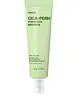
This barrier-repair moisturizer is formulated around Centella Asiatica Leaf Water and Panthenol to strengthen the skin barrier and calm redness.
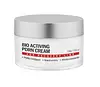
This anti-aging moisturizer is formulated around Sodium DNA and Niacinamide to soften the look of wrinkles and strengthen the skin barrier.

What's inside
What's inside
 Key Ingredients
Benefits
Concerns
Ingredients Side-by-side
Centella Asiatica Leaf Water
Skin Conditioning


1,2-Hexanediol
Skin Conditioning
Glycerin
Humectant
Propanediol
Solvent
Butylene Glycol Dicaprylate/Dicaprate
EmollientMethyl Trimethicone
Skin Conditioning
Vinyldimethicone
Caprylic/Capric Triglyceride
Masking
Diglycerin
Humectant
Polyglyceryl-3 Distearate
Emulsifying

Glyceryl Stearate Citrate
Emollient
Cetearyl Alcohol
Emollient



Cetearyl Olivate
Sorbitan Olivate
Emulsifying
Sodium Acrylate/Sodium Acryloyldimethyl Taurate Copolymer
Emulsion StabilisingWater
Skin ConditioningPolyisobutene
Caprylyl/Capryl Glucoside
CleansingSorbitan Oleate
Emulsifying
Polyglyceryl-2 Stearate
Emulsifying
Glyceryl Stearate
Emollient
Stearyl Alcohol
Emollient
Isododecane
EmollientDimethicone/Vinyl Dimethicone Crosspolymer
Skin Conditioning
Pentaerythrityl Tetraethylhexanoate
Emollient
Arginine
Masking
Acrylates/C10-30 Alkyl Acrylate Crosspolymer
Emulsion StabilisingPanthenol
Skin Conditioning
Butylene Glycol
Humectant
Coptis Chinensis Root Extract
Antioxidant
Vitis Vinifera Fruit Extract
Skin ConditioningCarica Papaya Fruit Extract
Skin ConditioningPrunus Mume Fruit Extract
Humectant
Pyrus Malus Fruit Extract
Skin Conditioning
Melaleuca Alternifolia Leaf Extract
Perfuming
Trehalose
Humectant
Beta-Glucan
Skin Conditioning
Mentha Arvensis Extract
MaskingAloe Barbadensis Leaf Extract
Emollient
Eucalyptus Globulus Leaf Extract
Perfuming
Cymbopogon Citratus Extract
Skin ConditioningErythritol
Humectant
Psidium Guajava Leaf Extract
AstringentSasa Quelpaertensis Extract
Skin ConditioningEthylhexylglycerin
Skin ConditioningHydroxyethyl Acrylate/Sodium Acryloyldimethyl Taurate Copolymer
Emulsion StabilisingSorbitan Isostearate
Emulsifying
Hordeum Vulgare Leaf Extract
Skin ConditioningSodium DNA
Skin Conditioning
Allantoin
Skin Conditioning
Xanthan Gum
EmulsifyingSodium Phytate
ChelatingDextrin
AbsorbentGardenia Florida Fruit Extract
Skin ConditioningCentella Asiatica Leaf Water, 1,2-Hexanediol, Glycerin, Propanediol, Butylene Glycol Dicaprylate/Dicaprate, Methyl Trimethicone, Vinyldimethicone, Caprylic/Capric Triglyceride, Diglycerin, Polyglyceryl-3 Distearate, Glyceryl Stearate Citrate, Cetearyl Alcohol, Cetearyl Olivate, Sorbitan Olivate, Sodium Acrylate/Sodium Acryloyldimethyl Taurate Copolymer, Water, Polyisobutene, Caprylyl/Capryl Glucoside, Sorbitan Oleate, Polyglyceryl-2 Stearate, Glyceryl Stearate, Stearyl Alcohol, Isododecane, Dimethicone/Vinyl Dimethicone Crosspolymer, Pentaerythrityl Tetraethylhexanoate, Arginine, Acrylates/C10-30 Alkyl Acrylate Crosspolymer, Panthenol, Butylene Glycol, Coptis Chinensis Root Extract, Vitis Vinifera Fruit Extract, Carica Papaya Fruit Extract, Prunus Mume Fruit Extract, Pyrus Malus Fruit Extract, Melaleuca Alternifolia Leaf Extract, Trehalose, Beta-Glucan, Mentha Arvensis Extract, Aloe Barbadensis Leaf Extract, Eucalyptus Globulus Leaf Extract, Cymbopogon Citratus Extract, Erythritol, Psidium Guajava Leaf Extract, Sasa Quelpaertensis Extract, Ethylhexylglycerin, Hydroxyethyl Acrylate/Sodium Acryloyldimethyl Taurate Copolymer, Sorbitan Isostearate, Hordeum Vulgare Leaf Extract, Sodium DNA, Allantoin, Xanthan Gum, Sodium Phytate, Dextrin, Gardenia Florida Fruit Extract
Water
Skin ConditioningButylene Glycol
Humectant
Squalane
Emollient
Glycerin
Humectant
Cetyl Alcohol
Emollient
Niacinamide
Smoothing





Caprylic/Capric Triglyceride
Masking
Butyrospermum Parkii Butter
Skin Conditioning
Phytosteryl/Isostearyl/Cetyl/Stearyl/Behenyl Dimer Dilinoleate
Skin Conditioning
Glyceryl Stearate
Emollient
1,2-Hexanediol
Skin Conditioning
Ethylhexyl Palmitate
Emollient
Coco-Caprylate/Caprate
Emollient
Stearyl Alcohol
Emollient
Polyacrylate-13
Sodium DNA
Skin Conditioning
Panthenol
Skin Conditioning
Glycereth-26
Humectant
Polyisobutene
Gold
Cosmetic ColorantPrunus Amygdalus Dulcis Oil
Skin Conditioning
Dimethicone
Emollient
Cetearyl Olivate
Allantoin
Skin Conditioning
Hydrolyzed Collagen
Emollient
Centella Asiatica Extract
Cleansing
Sorbitan Oleate
Emulsifying
Polysorbate 20
Emulsifying
Stearic Acid
Cleansing
Sorbitan Isostearate
Emulsifying
Ethylhexylglycerin
Skin ConditioningDisodium EDTA
ChelatingAdenosine
Skin Conditioning
Palmitic Acid
Emollient
Madecassoside
Antioxidant
Asiaticoside
Antioxidant
Arachidic Acid
Cleansing
Sodium Hyaluronate
Humectant
Tocopherol
Antioxidant
Myristic Acid
Cleansing
Illicium Verum Fruit Extract
Perfuming
Jasminum Officinale Flower Extract
Masking

Chamomilla Recutita Oil
Masking
Honey Extract
Humectant
Fucus Vesiculosus Extract
Emollient
Acetyl Hexapeptide-8
Humectant
Palmitoyl Tripeptide-1
Skin Conditioning
Copper Tripeptide-1
Skin Conditioning
Water, Butylene Glycol, Squalane, Glycerin, Cetyl Alcohol, Niacinamide, Caprylic/Capric Triglyceride, Butyrospermum Parkii Butter, Phytosteryl/Isostearyl/Cetyl/Stearyl/Behenyl Dimer Dilinoleate, Glyceryl Stearate, 1,2-Hexanediol, Ethylhexyl Palmitate, Coco-Caprylate/Caprate, Stearyl Alcohol, Polyacrylate-13, Sodium DNA, Panthenol, Glycereth-26, Polyisobutene, Gold, Prunus Amygdalus Dulcis Oil, Dimethicone, Cetearyl Olivate, Allantoin, Hydrolyzed Collagen, Centella Asiatica Extract, Sorbitan Oleate, Polysorbate 20, Stearic Acid, Sorbitan Isostearate, Ethylhexylglycerin, Disodium EDTA, Adenosine, Palmitic Acid, Madecassoside, Asiaticoside, Arachidic Acid, Sodium Hyaluronate, Tocopherol, Myristic Acid, Illicium Verum Fruit Extract, Jasminum Officinale Flower Extract, Chamomilla Recutita Oil, Honey Extract, Fucus Vesiculosus Extract, Acetyl Hexapeptide-8, Palmitoyl Tripeptide-1, Copper Tripeptide-1
Ingredients Explained
These ingredients are found in both products.
Ingredients higher up in an ingredient list are typically present in a larger amount.
1,2-Hexanediol is a synthetic liquid and another multi-functional powerhouse.
It is a:
- Humectant, drawing moisture into the skin
- Emollient, helping to soften skin
- Solvent, dispersing and stabilizing formulas
- Preservative booster, enhancing the antimicrobial activity of other preservatives
Allantoin is a soothing ingredient known for its protective and moisturizing properties; it's basically a quiet workhorse ingredient you can find in a huge range of cosmetics.
Though it can be derived from the comfrey plant, allantoin is produced synthetically for cosmetic products to ensure purity.
Research shows it can encourage your skin cells to turn over and renew by stimulating keratinocyte and fibroblast proliferation.
It also has mild keratolytic properties to help loosen and shed dead skin cells without being harsh.
Studies also suggest allantoin can help calm inflammation by dialing down some of the chemical signals your skin sends out when it is irritated.
This ingredient is typically used in the 0.1-0.5% range, and the FDA recognizes it as a skin protectant in OTC products up to 2%.
Overall, allantoin is a wonderful addition to most routines; it is stable across a wide pH range (~4-8), works well with other ingredients, and is considered non-sensitizing/non-irritating.
Fun fact: Allantoin is naturally occurring in comfrey root, beets, chamomile, and wheat sprouts. Our bodies even produce it as a byproduct of uric acid metabolism.
Learn more about AllantoinButylene Glycol (or BG) is used within cosmetic products for a few different reasons:
Overall, Butylene Glycol is a safe and well-rounded ingredient that works well with other ingredients.
Though this ingredient works well with most skin types, some people with sensitive skin may experience a reaction such as allergic rashes, closed comedones, or itchiness.
Learn more about Butylene GlycolCaprylic/Capric Triglyceride (aka MCT Oil) is a lightweight emollient, solvent, and texture enhancer. It is considered a skin-softener by helping to prevent moisture loss.
Though it behaves like an oil, it is not technically one due to its chemical composition. One perk of this ingredient is that it is very stable, resistant to oxidation, and unlikely to go rancid.
In practice, that translates to a long shelf life and a consistently elegant skin feel.
While there is an assumption Caprylic Triglyceride can clog pores due to it being derived from coconut oil, there is no research supporting this. Just patch test if you have concerns.
Fractionated coconut oil and MCT Oil are both listed as Caprylic/Capric Triglyceride according to INCI. This is because INCI names are based on the ingredient’s final chemical composition and not its marketing name or source.
This ingredient is treated as the gold standard fungal acne safe oil. Even though it is coconut derived, the problematic lauric acid is stripped out.
This leaves just caprylic (C8) and capric (C10) acid. These chain lengths actually trend antifungal; a 2020 study found caprylic acid was enough to disrupt Malassezia furfur cell membrane, with a caprylic acid derivative damaging membrane structures at concentrations as low as 0.2%.
Learn more about Caprylic/Capric TriglycerideCetearyl Olivate is a plant-derived emulsifier and texture enhancer. It helps keep the oil and water phases from separating so your formulas stay stable.
You'll likely see it combined with Sorbitan Olivate (together sold as the trade name Olivem 1000). This combination generates a liquid crystal structure that closely resemble the lipid organization of the stratum corneum.
These "skin-like" liquid crystals improve skin barrier integrity and promote the delivery of actives into the skin.
This ingredient is well-tolerated and has no significant sensitization data.
Because it is derived from the fatty acids in olive oil, this ingredient may not be fungal acne safe.
Learn more about Cetearyl OlivateEthylhexylglycerin is created from glycerin. It is a multitasker ingredient that:
The CIR Expert Panel found minimal skin absorption or sensitization of any kind in a safety assessment. Though this ingredient is considered well-tolerated, a small number of cases of allergic dermatitis have been published since 2002. Just be sure to patch test if you are unsure.
Industry-reported use ranges from 8% in rinse-off products and 2% in leave-on formulations.
Learn more about EthylhexylglycerinGlycerin (or glycerol) is a compound naturally found in your skin. It's a powerhouse humectant that pulls water into the stratum corneum.
Topically, glycerin does several things at once:
Your skin makes glycerin on its own (mostly from sebaceous oil breakdown) and shuttles it to your outermost layer of skin, or your epidermis, via aquaporin-3.
Aquaporin-3 is a transporter that is essential for normal skin hydration, elasticity, and repair. Interestingly, mice lacking in AQP3 have dry and less elastic skin that can be fully corrected with glycerin.
This ingredient is non-irritating, plays well with almost every ingredient, and works across all skin types. Typical use is anywhere between 3-10% but can go up to 79% in some leave-on products.
Just know very high concentrations (>40%) can feel tacky in low humidity.
Glycerin is the name for this ingredient in American English. British English uses Glycerol/Glycerine.
Learn more about GlycerinGlyceryl Stearate is made by reacting glycerin with stearic acid (typically sourced from plant oils like palm or coconut). It's an emulsifier, emollient, and mild occlusive.
Emulsifiers help ingredients like oil and water stay mixed so your formula stays nicely blended and uniform in texture.
This ingredient is typically used in concentrations between 1-10%. Studies have found it to be non-sensitizing, non-phototoxic, and non-photoallergenic.
A close cousin of this ingredient is Glyceryl Stearate SE ("self-emulsifying"). This just has a small amount of sodium or potassium stearate added so it can emulsify without a co-emulsifier.
Since this ingredient is an ester of a C18 fatty acid, it may not be fungal acne safe. The Malassezia yeast can potentially metabolize within the C11-C24 range.
Fun fact: The human body also creates Glyceryl Stearate naturally.
Learn more about Glyceryl StearatePanthenol is a common ingredient that helps hydrate and soothe the skin. It is found naturally in our skin and hair.
There are two forms of panthenol: D and L.
D-panthenol is also known as dexpanthenol. Most cosmetics use dexpanthenol or a mixture of D and L-panthenol.
Panthenol is famous due to its ability to go deeper into the skin's layers. Using this ingredient has numerous pros (and no cons):
Like hyaluronic acid, panthenol is a humectant. Humectants are able to bind and hold large amounts of water to keep skin hydrated.
This ingredient works well for wound healing. It works by increasing tissue in the wound and helps close open wounds.
Once oxidized, panthenol converts to pantothenic acid. Panthothenic acid is found in all living cells.
This ingredient is also referred to as pro-vitamin B5.
Learn more about PanthenolPolyisobutene is a synthetic polymer made from isobutene.
It is a film-forming agent and helps bind ingredients together.
Polyisobutene is not absorbed by the skin.
Learn more about PolyisobuteneSodium DNA is an emerging anti-aging ingredient.
It is created by taking deoxyribonucleic acid (DNA) and purifying it with sodium hydroxide.
The DNA is extracted from several different animal sources, including: calf thymus, the gonadic tissue of a male sturgeon, or herring / salmon sperm.
You have probably seen this ingredient in anti-aging skincare. But what is it?
DNA is composed of nucleotides, or chemical building blocks. Nucleotides include adenine (A), thymine (T), guanine (G), and cytosine (C). Talk about a flashback to biology! Nucleosides are formed from these nucleotides.
The science behind Sodium DNA is based on an ingredient called Polydeoxyribonucleotide or PDRN.
PDRN are DNA fragments mainly extracted from the sperm cells of trout or salmon. Meaning, PDRN can be derived from Sodium DNA.
PDRN consists of chains of nucleotides and nucleosides mentioned above. They can range anywhere from 80 - 2000 pairs.
Studies show PDRN has the following properties:
Most of the research on PDRN has been done using injectable forms. That’s important, because PDRN is a large molecule and doesn’t absorb well through the skin. So if you’re applying it topically, the effects are likely to be much milder.
Still, topical Sodium DNA is emerging as a trendy anti-aging ingredient. It’s generally well-tolerated and offers good biocompatibility with human skin, making it a low-risk addition to most routines.
Further studies are needed to truly confirm this ingredients anti-aging ability (Remember, retinol has decades of research!).
Sodium DNA may be sourced from fish, animal tissue, or plants. Since this isn’t always disclosed, we recommend asking the brand directly if the ingredient’s origin is important to you.
Learn more about Sodium DNASorbitan Isostearate is an emulsifer. It is created from isostearic acid and sorbitol.
As an emulsifier, it keeps the water and oil ingredients from separating. This keeps formulas stable and smooth.
In a 24 hour occlusive patch test on 56 subjects, 10% sorbitan isostearate was completely non-irritating. Most formulas use less than 10%.
Because it's a fatty acid ester, it may not be fungal acne safe since the Malassezia yeast can utilize it as a nutrient source.
Learn more about Sorbitan IsostearateSorbitan Oleate is a PEG-free emulsifier made by esterifying sorbitol with oleic acid.
You'll likely see it paired with Polysorbate 80 to create the right emulsification balance.
Typical use levels in formulas range from 2-10%.
The CIR Expert Panel has concluded this ingredient to be safe as a cosmetic ingredient.
Since this ingredient is an ester of oleic acid, it may not be fungal acne safe. Oleic acid is a fatty acid that falls into the C11-24 range that Malassezia can metabolize.
This ingredient does have a comedogenic rating of 3, but this doesn't mean a formula with this ingredient will clog pores. Human testing has proved that any finished product with a comedogenic ingredient won't automatically make you break out; it really comes down to concentration, formula, and your skin.
Learn more about Sorbitan OleateStearyl Alcohol is a type of fatty alcohol from stearic acid. It is a white, waxy compound used to emulsify ingredients used as an emollient or to thicken a product.
Emollients help soothe and hydrate the skin by trapping moisture.
Fatty alcohols are usually derived from natural fats and oils and therefore do not have the same drying or irritating effect as solvent (ethanol) alcohols.
The FDA allows products labeled "alcohol-free" to have fatty alcohols.
This ingredient may not be fungal acne safe. It is a primary fatty alcohol with a chain length above 12 carbons. A study from 2019 show Malassezia can feed on fatty alcohols in this range, so it may trigger fungal acne in those prone to it.
Learn more about Stearyl AlcoholWater. It's the most common cosmetic ingredient of all. You'll usually see it at the top of ingredient lists, meaning that it makes up the largest part of the product.
So why is it so popular? Water most often acts as a solvent - this means that it helps dissolve other ingredients into the formulation.
You'll also recognize water as that liquid we all need to stay alive. If you see this, drink a glass of water. Remember to stay hydrated!
Learn more about Water


