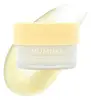
This anti-aging moisturizer is formulated around Squalane and Centella Asiatica Extract to soften the look of wrinkles and strengthen the skin barrier.
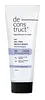
This calming moisturizer is formulated around Calendula Officinalis Extract and Aloe Barbadensis Extract to calm redness and hydrate skin.


What's inside
What's inside
 Key Ingredients
No key ingredients
Benefits
Concerns
No concerns
Ingredients Side-by-side
Water
Skin ConditioningGlycerin
Humectant


Diisostearyl Malate
EmollientSqualane
Emollient
Butylene Glycol
Humectant
Methylpropanediol
SolventPhytosteryl/Isostearyl/Cetyl/Stearyl/Behenyl Dimer Dilinoleate
Skin Conditioning

Pentaerythrityl Tetraisostearate
Emollient
Dimethicone
Emollient
Betaine
Humectant
Centella Asiatica Extract
Cleansing

Niacinamide
Smoothing





Myristyl Myristate
Emollient


Cetearyl Alcohol
Emollient

PEG-40 Stearate
Emulsifying
Caprylic/Capric Triglyceride
Masking
Glyceryl Stearate
Emollient
PEG-100 Stearate
Surfactant
Dipentaerythrityl Pentaisononanoate
EmollientPanthenol
Skin Conditioning
Diglycerin
Humectant
1,2-Hexanediol
Skin Conditioning
Honey Extract
Humectant
Propanediol
Solvent
2,3-Butanediol
HumectantCopernicia Cerifera Wax
Ammonium Acryloyldimethyltaurate/Vp Copolymer
Hydroxyacetophenone
Antioxidant
Polyacrylate-13
Alcohol Denat.
Antimicrobial


Polyisobutene
Acrylates/C10-30 Alkyl Acrylate Crosspolymer
Emulsion StabilisingEthylhexylglycerin
Skin ConditioningBehenyl Alcohol
Emollient
Adenosine
Skin Conditioning
Disodium EDTA
ChelatingHydrogenated Lecithin
Emulsifying
Polysorbate 20
Emulsifying
Sorbitan Isostearate
Emulsifying
Ceramide NP
Skin Conditioning
Ubiquinone
Antioxidant
Hydrolyzed Collagen
Emollient
Musa Sapientum Fruit Extract
Skin ConditioningSodium DNA
Skin Conditioning
Glyceryl Stearate Se
Emulsifying
Beta-Glucan
Skin Conditioning
Hydrolyzed Corn Starch
HumectantPhellodendron Amurense Bark Extract
Skin ConditioningCholesterol
Emollient
Sucrose
Humectant
Hydrogenated Polydecene
EmollientHydrogenated Polyisobutene
EmollientDextrin
AbsorbentTheobroma Cacao Seed Extract
Antioxidant
Retinol
Skin Conditioning
Polyglyceryl-10 Stearate
Skin Conditioning
Tocopherol
Antioxidant
Dimethylsilanol Hyaluronate
Humectant
Hydrolyzed Hyaluronic Acid
Humectant
Hydrolyzed Sodium Hyaluronate
Skin Conditioning
Sodium Hyaluronate
Humectant
Hyaluronic Acid
Humectant
Potassium Hyaluronate
Skin ConditioningSodium Hyaluronate Crosspolymer
Humectant
Hydroxypropyltrimonium Hyaluronate
Sodium Hyaluronate Dimethylsilanol
HumectantSodium Acetylated Hyaluronate
Humectant
Acetyl Hexapeptide-8
Humectant
Copper Tripeptide-1
Skin Conditioning
Palmitoyl Tetrapeptide-7
Skin Conditioning
Nonapeptide-1
Skin Conditioning
Dipeptide Diaminobutyroyl Benzylamide Diacetate
Skin Conditioning
Tripeptide-1
Skin Conditioning
Palmitoyl Pentapeptide-4
Skin Conditioning
Palmitoyl Tripeptide-5
Skin Conditioning
Palmitoyl Tripeptide-1
Skin Conditioning
Palmitoyl Hexapeptide-12
Skin Conditioning
Hexapeptide-9
Skin Conditioning
Pentapeptide-3
Skin Conditioning
Water, Glycerin, Diisostearyl Malate, Squalane, Butylene Glycol, Methylpropanediol, Phytosteryl/Isostearyl/Cetyl/Stearyl/Behenyl Dimer Dilinoleate, Pentaerythrityl Tetraisostearate, Dimethicone, Betaine, Centella Asiatica Extract, Niacinamide, Myristyl Myristate, Cetearyl Alcohol, PEG-40 Stearate, Caprylic/Capric Triglyceride, Glyceryl Stearate, PEG-100 Stearate, Dipentaerythrityl Pentaisononanoate, Panthenol, Diglycerin, 1,2-Hexanediol, Honey Extract, Propanediol, 2,3-Butanediol, Copernicia Cerifera Wax, Ammonium Acryloyldimethyltaurate/Vp Copolymer, Hydroxyacetophenone, Polyacrylate-13, Alcohol Denat., Polyisobutene, Acrylates/C10-30 Alkyl Acrylate Crosspolymer, Ethylhexylglycerin, Behenyl Alcohol, Adenosine, Disodium EDTA, Hydrogenated Lecithin, Polysorbate 20, Sorbitan Isostearate, Ceramide NP, Ubiquinone, Hydrolyzed Collagen, Musa Sapientum Fruit Extract, Sodium DNA, Glyceryl Stearate Se, Beta-Glucan, Hydrolyzed Corn Starch, Phellodendron Amurense Bark Extract, Cholesterol, Sucrose, Hydrogenated Polydecene, Hydrogenated Polyisobutene, Dextrin, Theobroma Cacao Seed Extract, Retinol, Polyglyceryl-10 Stearate, Tocopherol, Dimethylsilanol Hyaluronate, Hydrolyzed Hyaluronic Acid, Hydrolyzed Sodium Hyaluronate, Sodium Hyaluronate, Hyaluronic Acid, Potassium Hyaluronate, Sodium Hyaluronate Crosspolymer, Hydroxypropyltrimonium Hyaluronate, Sodium Hyaluronate Dimethylsilanol, Sodium Acetylated Hyaluronate, Acetyl Hexapeptide-8, Copper Tripeptide-1, Palmitoyl Tetrapeptide-7, Nonapeptide-1, Dipeptide Diaminobutyroyl Benzylamide Diacetate, Tripeptide-1, Palmitoyl Pentapeptide-4, Palmitoyl Tripeptide-5, Palmitoyl Tripeptide-1, Palmitoyl Hexapeptide-12, Hexapeptide-9, Pentapeptide-3
Water
Skin ConditioningCalendula Officinalis Extract
Skin Conditioning
Glycerin
Humectant
Diheptyl Succinate
EmollientAloe Barbadensis Extract
Skin Conditioning
Triethanolamine
BufferingPhenoxyethanol
Preservative
Betaine
Humectant
Acrylates/C10-30 Alkyl Acrylate Crosspolymer
Emulsion StabilisingSodium PCA
Humectant
Panthenol
Skin Conditioning
Sodium Gluconate
ChelatingEthylhexylglycerin
Skin ConditioningSodium Lactate
Buffering
PCA
Humectant
Capryloyl Glycerin/Sebacic Acid Copolymer
Skin ConditioningSerine
Masking
Alanine
Masking
Glycine
Buffering
Glutamic Acid
Humectant
Lysine Hcl
Skin Conditioning
Threonine
Arginine
Masking
Proline
Skin Conditioning
Water, Calendula Officinalis Extract, Glycerin, Diheptyl Succinate, Aloe Barbadensis Extract, Triethanolamine, Phenoxyethanol, Betaine, Acrylates/C10-30 Alkyl Acrylate Crosspolymer, Sodium PCA, Panthenol, Sodium Gluconate, Ethylhexylglycerin, Sodium Lactate, PCA, Capryloyl Glycerin/Sebacic Acid Copolymer, Serine, Alanine, Glycine, Glutamic Acid, Lysine Hcl, Threonine, Arginine, Proline
Reviews
Ingredients Explained
These ingredients are found in both products.
Ingredients higher up in an ingredient list are typically present in a larger amount.
Acrylates/C10-30 Alkyl Acrylate Crosspolymer is a synthetic polymer. It is used to thicken, emulsify, and improve the texture of products.
As an emulsifier, it helps stabilize oil-in-water emulsions to give products an elegant feel when applied.
It can also form a thin protective film on skin. One study found that a formula using this polymer helped slow down how quickly other ingredients (like DEET) were absorbed through skin.
A 2024 study of over 1,300 patients confirmed that sensitization to this ingredient is rare. It is also non-mutagenic and has a clean track record.
Learn more about Acrylates/C10-30 Alkyl Acrylate CrosspolymerBetaine is a humectant. Like hyaluronic acid, it helps attract and retain moisture in the skin. It’s known for being gentle and for helping the skin maintain balanced hydration.
Betaine is mainly used to improve hydration and support calmer skin. It helps skin cells regulate water balance because it functions as an osmolyte.
Some studies suggest betaine may support making skin tone more even.
Fun fact: Betaine naturally exists in the skin and the body. In cosmetic products, it can be either plant-derived (most commonly from sugar beets) or synthetically produced for consistency and stability.
Betaine is also known as trimethylglycine.
Learn more about BetaineEthylhexylglycerin is created from glycerin. It is a multitasker ingredient that:
The CIR Expert Panel found minimal skin absorption or sensitization of any kind in a safety assessment. Though this ingredient is considered well-tolerated, a small number of cases of allergic dermatitis have been published since 2002. Just be sure to patch test if you are unsure.
Industry-reported use ranges from 8% in rinse-off products and 2% in leave-on formulations.
Learn more about EthylhexylglycerinGlycerin (or glycerol) is a compound naturally found in your skin. It's a powerhouse humectant that pulls water into the stratum corneum.
Topically, glycerin does several things at once:
Your skin makes glycerin on its own (mostly from sebaceous oil breakdown) and shuttles it to your outermost layer of skin, or your epidermis, via aquaporin-3.
Aquaporin-3 is a transporter that is essential for normal skin hydration, elasticity, and repair. Interestingly, mice lacking in AQP3 have dry and less elastic skin that can be fully corrected with glycerin.
This ingredient is non-irritating, plays well with almost every ingredient, and works across all skin types. Typical use is anywhere between 3-10% but can go up to 79% in some leave-on products.
Just know very high concentrations (>40%) can feel tacky in low humidity.
Glycerin is the name for this ingredient in American English. British English uses Glycerol/Glycerine.
Learn more about GlycerinPanthenol is a common ingredient that helps hydrate and soothe the skin. It is found naturally in our skin and hair.
There are two forms of panthenol: D and L.
D-panthenol is also known as dexpanthenol. Most cosmetics use dexpanthenol or a mixture of D and L-panthenol.
Panthenol is famous due to its ability to go deeper into the skin's layers. Using this ingredient has numerous pros (and no cons):
Like hyaluronic acid, panthenol is a humectant. Humectants are able to bind and hold large amounts of water to keep skin hydrated.
This ingredient works well for wound healing. It works by increasing tissue in the wound and helps close open wounds.
Once oxidized, panthenol converts to pantothenic acid. Panthothenic acid is found in all living cells.
This ingredient is also referred to as pro-vitamin B5.
Learn more about PanthenolWater. It's the most common cosmetic ingredient of all. You'll usually see it at the top of ingredient lists, meaning that it makes up the largest part of the product.
So why is it so popular? Water most often acts as a solvent - this means that it helps dissolve other ingredients into the formulation.
You'll also recognize water as that liquid we all need to stay alive. If you see this, drink a glass of water. Remember to stay hydrated!
Learn more about Water

