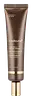
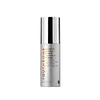
MediCube Deep Reviving Bakuchiol Retinol Serum Versus Beauty Pie Youthbomb Extreme Retinal Triple Renewal Serum
This anti-aging serum is formulated around Niacinamide and Retinal to soften the look of wrinkles and refine skin texture.
This anti-aging serum is formulated around Niacinamide and Retinal to soften the look of wrinkles and refine skin texture.


What's inside
What's inside
 Key Ingredients
Benefits
Concerns
Ingredients Side-by-side
Water
Skin ConditioningDipropylene Glycol
HumectantButylene Glycol
Humectant

Glycerin
Humectant
Propanediol
Solvent
1,2-Hexanediol
Skin Conditioning
Niacinamide
Smoothing









Macadamia Integrifolia Seed Oil
Skin Conditioning


Olea Europaea Fruit Oil
Masking


Simmondsia Chinensis Seed Oil
Emollient
Vitis Vinifera Seed Oil
Emollient
Macadamia Ternifolia Seed Oil
Emollient
Retinal
Skin Conditioning

Sodium Hyaluronate
Humectant
Hydrolyzed Collagen
Emollient
Chitosan
Centella Asiatica Extract
Cleansing
Centella Asiatica Leaf Extract
Skin Conditioning
Centella Asiatica Root Extract
Skin Conditioning
Coco-Caprylate/Caprate
Emollient
Squalane
Emollient
Polyglyceryl-3 Distearate
Emulsifying
Dimethyl Isosorbide
SolventPentylene Glycol
Skin Conditioning
Panthenol
Skin Conditioning
4-T-Butylcyclohexanol
Masking
Hydrogenated Lecithin
Emulsifying
Hydroxyethyl Acrylate/Sodium Acryloyldimethyl Taurate Copolymer
Emulsion StabilisingAcrylates/C10-30 Alkyl Acrylate Crosspolymer
Emulsion StabilisingSucrose Palmitate
EmollientCaprylic/Capric Triglyceride
Masking
Hydroxypinacolone Retinoate
Skin Conditioning
Diethylhexyl Syringylidenemalonate
Skin Protecting
Tromethamine
BufferingEthylhexylglycerin
Skin ConditioningGlyceryl Stearate Citrate
Emollient
Allantoin
Skin Conditioning
Biosaccharide Gum-1
Humectant
Dipotassium Glycyrrhizate
Humectant
Adenosine
Skin Conditioning
Retinol
Skin Conditioning
Bakuchiol
Antimicrobial

Retinyl Palmitate
Skin Conditioning
Brassica Campestris Sterols
EmollientLinoleic Acid
Cleansing
Cholesterol
Emollient
Polyglyceryl-10 Laurate
Skin Conditioning
Ceramide NP
Skin Conditioning
PPG-13-Decyltetradeceth-24
EmulsifyingRetinyl Linoleate
Skin Conditioning
Phytosteryl/Behenyl/Octyldodecyl Lauroyl Glutamate
Skin ConditioningBeta-Glucan
Skin Conditioning
Aluminum/Magnesium Hydroxide Stearate
Emulsion StabilisingPentaerythrityl Tetra-Di-T-Butyl Hydroxyhydrocinnamate
Antioxidant
Potassium Cetyl Phosphate
EmulsifyingPolyglyceryl-3 Methylglucose Distearate
Emulsifying
Silica
Abrasive
Isopropyl Lauroyl Sarcosinate
Skin ConditioningTocopherol
Antioxidant
Retinyl Retinoate
Skin Conditioning
Tris(Tetramethylhydroxypiperidinol)Citrate
StabilisingBenzotriazolyl Dodecyl P-Cresol
UV AbsorberXanthan Gum
EmulsifyingDisodium EDTA
ChelatingParfum
Masking
Water, Dipropylene Glycol, Butylene Glycol, Glycerin, Propanediol, 1,2-Hexanediol, Niacinamide, Macadamia Integrifolia Seed Oil, Olea Europaea Fruit Oil, Simmondsia Chinensis Seed Oil, Vitis Vinifera Seed Oil, Macadamia Ternifolia Seed Oil, Retinal, Sodium Hyaluronate, Hydrolyzed Collagen, Chitosan, Centella Asiatica Extract, Centella Asiatica Leaf Extract, Centella Asiatica Root Extract, Coco-Caprylate/Caprate, Squalane, Polyglyceryl-3 Distearate, Dimethyl Isosorbide, Pentylene Glycol, Panthenol, 4-T-Butylcyclohexanol, Hydrogenated Lecithin, Hydroxyethyl Acrylate/Sodium Acryloyldimethyl Taurate Copolymer, Acrylates/C10-30 Alkyl Acrylate Crosspolymer, Sucrose Palmitate, Caprylic/Capric Triglyceride, Hydroxypinacolone Retinoate, Diethylhexyl Syringylidenemalonate, Tromethamine, Ethylhexylglycerin, Glyceryl Stearate Citrate, Allantoin, Biosaccharide Gum-1, Dipotassium Glycyrrhizate, Adenosine, Retinol, Bakuchiol, Retinyl Palmitate, Brassica Campestris Sterols, Linoleic Acid, Cholesterol, Polyglyceryl-10 Laurate, Ceramide NP, PPG-13-Decyltetradeceth-24, Retinyl Linoleate, Phytosteryl/Behenyl/Octyldodecyl Lauroyl Glutamate, Beta-Glucan, Aluminum/Magnesium Hydroxide Stearate, Pentaerythrityl Tetra-Di-T-Butyl Hydroxyhydrocinnamate, Potassium Cetyl Phosphate, Polyglyceryl-3 Methylglucose Distearate, Silica, Isopropyl Lauroyl Sarcosinate, Tocopherol, Retinyl Retinoate, Tris(Tetramethylhydroxypiperidinol)Citrate, Benzotriazolyl Dodecyl P-Cresol, Xanthan Gum, Disodium EDTA, Parfum
Water
Skin ConditioningNiacinamide
Smoothing
Propanediol
Solvent
Caprylic/Capric Triglyceride
Masking
Dicaprylyl Ether
Emollient
Glycerin
Humectant
Glyceryl Stearate Citrate
Emollient
Coco-Caprylate/Caprate
Emollient
Cetyl Palmitate
Emollient
Behenyl Alcohol
Emollient
Octyldodecanol
Emollient
Prunus Amygdalus Dulcis Oil
Skin Conditioning
Retinal
Skin Conditioning
Hydroxypinacolone Retinoate
Skin Conditioning
Bakuchiol Salicylate
Teprenone
Skin ConditioningCeramide NP
Skin Conditioning
Sodium Hyaluronate
Humectant
Lactic Acid
Buffering
Ascorbic Acid
Antioxidant
Hydroxyacetophenone
Antioxidant
Phospholipids
Skin Conditioning
Tocopherol
Antioxidant
Butyrospermum Parkii Butter
Skin Conditioning
Dimethyl Isosorbide
SolventArachidyl Alcohol
Emollient
Potassium Cetyl Phosphate
EmulsifyingCarbomer
Emulsion StabilisingGlyceryl Linoleate
Emollient
Glyceryl Linolenate
Emollient
1,2-Hexanediol
Skin Conditioning
Caprylyl Glycol
Emollient
Arachidyl Glucoside
EmulsifyingAmmonium Acryloyldimethyltaurate/Vp Copolymer
Sodium Hydroxide
BufferingWater, Niacinamide, Propanediol, Caprylic/Capric Triglyceride, Dicaprylyl Ether, Glycerin, Glyceryl Stearate Citrate, Coco-Caprylate/Caprate, Cetyl Palmitate, Behenyl Alcohol, Octyldodecanol, Prunus Amygdalus Dulcis Oil, Retinal, Hydroxypinacolone Retinoate, Bakuchiol Salicylate, Teprenone, Ceramide NP, Sodium Hyaluronate, Lactic Acid, Ascorbic Acid, Hydroxyacetophenone, Phospholipids, Tocopherol, Butyrospermum Parkii Butter, Dimethyl Isosorbide, Arachidyl Alcohol, Potassium Cetyl Phosphate, Carbomer, Glyceryl Linoleate, Glyceryl Linolenate, 1,2-Hexanediol, Caprylyl Glycol, Arachidyl Glucoside, Ammonium Acryloyldimethyltaurate/Vp Copolymer, Sodium Hydroxide
Ingredients Explained
These ingredients are found in both products.
Ingredients higher up in an ingredient list are typically present in a larger amount.
1,2-Hexanediol is a synthetic liquid and another multi-functional powerhouse.
It is a:
- Humectant, drawing moisture into the skin
- Emollient, helping to soften skin
- Solvent, dispersing and stabilizing formulas
- Preservative booster, enhancing the antimicrobial activity of other preservatives
Caprylic/Capric Triglyceride (aka MCT Oil) is a lightweight emollient, solvent, and texture enhancer. It is considered a skin-softener by helping to prevent moisture loss.
Though it behaves like an oil, it is not technically one due to its chemical composition. One perk of this ingredient is that it is very stable, resistant to oxidation, and unlikely to go rancid.
In practice, that translates to a long shelf life and a consistently elegant skin feel.
While there is an assumption Caprylic Triglyceride can clog pores due to it being derived from coconut oil, there is no research supporting this. Just patch test if you have concerns.
Fractionated coconut oil and MCT Oil are both listed as Caprylic/Capric Triglyceride according to INCI. This is because INCI names are based on the ingredient’s final chemical composition and not its marketing name or source.
This ingredient is treated as the gold standard fungal acne safe oil. Even though it is coconut derived, the problematic lauric acid is stripped out.
This leaves just caprylic (C8) and capric (C10) acid. These chain lengths actually trend antifungal; a 2020 study found caprylic acid was enough to disrupt Malassezia furfur cell membrane, with a caprylic acid derivative damaging membrane structures at concentrations as low as 0.2%.
Learn more about Caprylic/Capric TriglycerideCeramide NP (formerly known as Ceramide 3) is one of the skin's naturally occurring lipids.
Since ceramides are the major lipid components of the skin, they are crucial for maintaining skin barrier and hydration. Ceramide NP most closely mirrors the dominant kind in human skin amongst ceramide subtypes.
This ceramide works by slotting into gaps within the stratum corneum's lipid matrix to limit trans-epidermal water loss (TEWL) and shield the skin against external irritants.
A study with 312 patients found that using a ceramide-containing routine for 4 weeks reduced the severity of atopic dermatitis by over 61%.
Another clinical study in subjects aged 60 and older found that a ceramide body wash and moisturizer improved skin dryness and itchy skin in 15 days.
Overall, ceramides are considered non-irritating and safety tests have found little to no observable adverse effects from using this ingredient.
Ceramide NP is usually sourced from plants (like soybean or rice bran), or produced synthetically.
Learn more about Ceramide NPCoco-Caprylate/Caprate is a lightweight ester created from coconut oil fatty acids, caprylic acid, and capric acid.
It is an emollient that helps soften skin and reduce transepidermal water loss (TEWL). What sets it apart from heavier emollients is its ultralight, non-greasy feel.
Once applied, this ingredient dries down quickly and leaves a dry, silky finish behind. This also helps improve spreadability and texture.
This ingredient has an excellent safety-record and is non-irritating.
Typical concentrations for cosmetics range from 0.5-62%.
Research on Malassezia growth found no growth on fatty acid esters with chain lengths shorter than 12 carbons (it prefers C11-24).
Since Coco-Caprylate/Caprate is built on C8 and C10 fatty acids, it is out of the range that Malassezia metabolizes, and therefore safe for fungal acne.
Learn more about Coco-Caprylate/CaprateDimethyl Isosorbide (often shortened to DMI) is a sugar-derived solvent made from sorbitol. It's used to dissolve tricky ingredients and help them mix smoothly into a formula.
Many actives sit as gritty crystals when undissolved, so DMI swoops in to full dissolve them. This helps improve texture, stability, and how evenly an active is distributed.
It does have a penetration-enhancing reputation that is a bit more nuanced than marketing suggests; a cell study on human skin found that 10% DMI didn't significantly boost the permeation of Hydroquinone, Salicylic Acid, or Octadecenedioic Acid compared to controls (though it did improve their solubility in the formula itself).
Typical usage concentrations usually range from 1-10% depending on the formula's needs; this ingredient is also well tolerated at these levels.
Learn more about Dimethyl IsosorbideGlycerin (or glycerol) is a compound naturally found in your skin. It's a powerhouse humectant that pulls water into the stratum corneum.
Topically, glycerin does several things at once:
Your skin makes glycerin on its own (mostly from sebaceous oil breakdown) and shuttles it to your outermost layer of skin, or your epidermis, via aquaporin-3.
Aquaporin-3 is a transporter that is essential for normal skin hydration, elasticity, and repair. Interestingly, mice lacking in AQP3 have dry and less elastic skin that can be fully corrected with glycerin.
This ingredient is non-irritating, plays well with almost every ingredient, and works across all skin types. Typical use is anywhere between 3-10% but can go up to 79% in some leave-on products.
Just know very high concentrations (>40%) can feel tacky in low humidity.
Glycerin is the name for this ingredient in American English. British English uses Glycerol/Glycerine.
Learn more about GlycerinGlyceryl Stearate Citrate is a citric acid ester of glyceryl stearate.
It is an emulsifier, emollient, and a surfactant.
Emulsifiers help stabilize a product. It does this by preventing certain ingredients from separating. Common ingredients include oils and water, which do not mix naturally. Emulsifiers have properties that help keep ingredients such as these together.
Emollients help soothe and soften the skin. They do this by creating a protective film on your skin. This barrier helps trap moisture and keeps your skin hydrated. Emollients may be effective at treating dry or itchy skin.
Surfactants help gather oils, dirt, and other pollutants from the skin. This helps them to be easily rinsed away.
Learn more about Glyceryl Stearate CitrateHydroxypinacolone Retinoate (aka Granactive Retinoid or HPR) is a retinoid that is part of the same vitamin A family as retinol.
It is an ester of retinoic acid that binds directly to your skin's retinoic acid receptors so it doesn't need your skin to convert it through several steps before it can do anything.
In practice, this means it does the classic retinoid jobs in a formula:
The best part is that it can do all this with noticeably less redness, flaking, and stinging than traditional retinoids.
That gentle reputation is backed by lab work as well; a 2018 study on skin models found that HPR triggered higher retinoid-gene activity than retinol, retinal, or retinyl propionate at the same concentrations while being less irritating to cells.
It also boosted procollagen production to levels similar to retinoic acid itself.
A 2023 study showed HPR works synergistically with retinyl propionate to switch on collagen-building pathways and a 2025 clinical serum study in women with mild photoaging saw improvements in wrinkles and elasticity (though that formula also contained retinol, peptides, and Silybin).
One naming quirk worth mentioning:
You'll likely see this ingredient sold under the trade name "Granactive Retinoid", which is actually only 10% HPR blended with 90% Dimethyl Isosorbide solvent. This means a 5% Granactive Retinoid really only means about 0.5% HPR.
Finished products typically land somewhere between 0.05-1% and it's happiest formulated at a mildly acidic to neutral pH (~5.5-6.5).
Another perk is that this is one of the more light- and temperature-stable retinoids which is a nice bonus for shelf life.
Learn more about Hydroxypinacolone RetinoateNiacinamide is a multitasking form of vitamin B3 that strengthens the skin barrier, reduces pores and dark spots, regulates oil, and improves signs of aging.
And the best part? It's gentle and well-tolerated by most skin types, including sensitive and reactive skin.
You might have heard of "niacin flush", or the reddening of skin that causes itchiness. Niacinamide has not been found to cause this.
In very rare cases, some individuals may not be able to tolerate niacinamide at all or experience an allergic reaction to it.
If you are experiencing flaking, irritation, and dryness with this ingredient, be sure to double check all your products as this ingredient can be found in all categories of skincare.
When incorporating niacinamide into your routine, look out for concentration amounts. Typically, 5% niacinamide provides benefits such as fading dark spots. However, if you have sensitive skin, it is better to begin with a smaller concentration.
When you apply niacinamide to your skin, your body converts it into nicotinamide adenine dinucleotide (NAD). NAD is an essential coenzyme that is already found in your cells as "fuel" and powers countless biological processes.
In your skin, NAD helps repair cell damage, produce new healthy cells, support collagen production, strengthen the skin barrier, and fight environmental stressors (like UV and pollution).
Our natural NAD levels start to decline with age, leading to slower skin repair, visible aging, and a weaker skin barrier. By providing your skin niacinamide, you're recharging your skin's NAD levels. This leads to stronger, healthier, and younger looking skin.
Another name for vitamin B3 is nicotinamide. This vitamin is water-soluble and our bodies don't store it. We obtain Vitamin B3 from either food or skincare. Meat, fish, wheat, yeast, and leafy greens contain vitamin B3.
The type of niacinamide used in skincare is synthetically created.
Learn more about NiacinamidePotassium Cetyl Phosphate is the potassium salt of a mixture. This mixture consists of the esters from phosphoricacid and cetyl alcohol.
Potassium Cetyl Phosphate is an emulsifier and cleansing agent. Emulsifiers help stabilize a product. It does this by preventing certain ingredients from separating.
As a cleansing agent, Potassium Cetyl Phosphate helps gather oils, dirts, and pollutants from your skin. This makes it easier to rinse them away with water.
Learn more about Potassium Cetyl PhosphatePropanediol is an all-star ingredient. It softens, hydrates, and smooths the skin.
It’s often used to:
Propanediol is not likely to cause sensitivity and considered safe to use. It is derived from corn or petroleum with a clear color and no scent.
Learn more about PropanediolRetinal (aka retinaldehyde) is a form of retinoid that formulators use mainly as an antiaging and skin-renewing active.
What makes it special is its position in the retinoid family; skin converts it to retinoic acid (the prescription gold standard) in just one step.
Because retinal only requires 1 conversion step to become retinoic acid, it's the strongest over-the-counter retinoid. It also works at lower concentrations than retinol, since retinal is about 10x more bioavailable.
Studies back up its efficacy in skin:
A foundational trial showed that applying 0.05-0.5% retinal for 1-3 months produced a dose-dependent and significant increase in epidermal thickness + cell turnover markers.
And a head-to-head comparison of 0.05% retinal against a 0.05% retinoid acid found both formulations were effective for the basis of wrinkle/skin roughness features, but retinoic acid caused more local irritation.
More recent controlled trials confirm it improves wrinkles, dermal density, and firmness over 12-24 weeks, with significant improvements in skin texture and firmness (particularly with the higher 0.1% concentration).
Retinal also has one trick the other retinoids do not: it directly fights against acne bacteria since a clinical study showed retinaldehyde-treated areas displayed a significant decrease in counts of viable P. acnes.
This makes it a great pick for people who want to treat aging and breakouts.
Typical cosmetic use sits in the 0.05-0.1% range with 0.05% being the gentle starting point and 0.1% giving stronger results.
Like all retinoids, retinal works best with nightly use, a good moisturizer, and daytime sunscreen. It can cause some irritation so ease into it slowly rather than going all in.
The "ramp up" method works well: start with Retinal once a week to give your skin time to adjust, which keeps irritation low.
Slowly add more nights until you reach your goal frequency once your skin feels comfortable.
Retinoids also make your skin more sensitive to the sun in the first few weeks, so wear sunscreen every morning and protect your skin from direct sun while you build up tolerance.
Learn more about RetinalSodium Hyaluronate is the salt form of hyaluronic acid. It is a long sugar chain that is naturally found in your skin, joints, and connective tissue that maintains hydration and elasticity.
In skincare, it works as a humectant. It pulls water from the environment and deeper layers of skin and binds it to the surface.
Interestingly, the size of the molecule affects its behavior:
Some clinical evidence links low molecular weight versions to improved wrinkle depth, elasticity, anti-inflammatory effects, and barrier repair.
Many serums use a blend of both weights so you can get surface hydration plus longer-lasting and deeper effects.
You'll typically see concentrations between 0.1-2% for this ingredient.
Learn more about Sodium HyaluronateTocopherol is a fat-soluble antioxidant known as Vitamin E.
You'll find this ingredient in the vast majority of skincare (for good reason). It works to neutralize free radicals, or unstable molecules generated by UV exposure, pollution, and other environmental stressors, before they can cause oxidative damage to your skin cells.
Topically applied tocopherol has been shown to protect against UV damage by ramping up the skin's own natural defense enzymes.
It also acts as a skin conditioning agent; some studies show that regular topical use can improve the skin's water-binding capacity over 2-4 weeks.
This ingredient is especially loved for being a team player. When combined with Vitamin C, the photoprotective effect of both ingredients roughly doubles and the combo also helps reduce UV-induced DNA damage.
This ingredient has some brightening potential but it's more of a prevention ingredient than spot-fader. Cell studies show it can slow down melanin production but it's worth noting that it's not the most powerful brightener out there.
In formulations, it also serves as a stabilizer that helps protect other oxidation-prone ingredients from degrading.
Concentrations usually range from 0.1-1% in most leave-on products.
Learn more about TocopherolWater. It's the most common cosmetic ingredient of all. You'll usually see it at the top of ingredient lists, meaning that it makes up the largest part of the product.
So why is it so popular? Water most often acts as a solvent - this means that it helps dissolve other ingredients into the formulation.
You'll also recognize water as that liquid we all need to stay alive. If you see this, drink a glass of water. Remember to stay hydrated!
Learn more about Water

