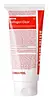
This mild cream cleanser is made to cleanse without leaving your skin tight or dry.
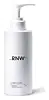
This mild foaming cleanser is made to cleanse while calming and soothing your skin.

What's inside
What's inside
 Key Ingredients
Benefits
Concerns
Ingredients Side-by-side
Water
Skin ConditioningDipropylene Glycol
HumectantGlycerin
Humectant


Butylene Glycol
Humectant
1,2-Hexanediol
Skin Conditioning
Isopropyl Isostearate
Emollient




Niacinamide
Smoothing









Sodium Hyaluronate
Humectant
Hydroxypropyltrimonium Hyaluronate
Caprylic/Capric Triglyceride
Masking
Hydrolyzed Hyaluronic Acid
Humectant
Sodium Acetylated Hyaluronate
Humectant
Hyaluronic Acid
Humectant
Acetyl Hexapeptide-8
Humectant
Sodium Hyaluronate Crosspolymer
Humectant
Hydrolyzed Sodium Hyaluronate
Skin Conditioning
Astaxanthin
Skin Conditioning
Potassium Hyaluronate
Skin ConditioningLavandula Angustifolia Flower Extract
Cleansing

Salvia Sclarea Extract
AntiseborrhoeicHyacinthus Orientalis Extract
Skin ConditioningChamomilla Recutita Flower Extract
Masking
Borago Officinalis Extract
Emollient
Centaurea Cyanus Flower Extract
Astringent
Carbomer
Emulsion StabilisingArginine
Masking
Beeswax
Emulsion Stabilising
Butyrospermum Parkii Butter
Skin Conditioning
Stearyl Alcohol
Emollient
Hydrogenated Polyisobutene
EmollientDimethicone
Emollient
Sorbitan Stearate
Emulsifying
Panthenol
Skin Conditioning
Polysorbate 60
Emulsifying
PEG-40 Hydrogenated Castor Oil
Emulsifying
Palmitic Acid
Emollient
C14-22 Alcohols
Emulsion Stabilising
Ammonium Acryloyldimethyltaurate/Vp Copolymer
Hydrogenated Lecithin
Emulsifying
Adenosine
Skin Conditioning
Polyacrylate-13
C12-20 Alkyl Glucoside
EmulsifyingTocopheryl Acetate
Antioxidant

Disodium EDTA
Polyisobutene
Propanediol
Solvent
Polyglyceryl-10 Diisostearate
Emulsifying
Ethylhexylglycerin
Skin ConditioningPolysorbate 20
Emulsifying
Sorbitan Isostearate
Emulsifying
Glucose
Humectant
CI 42090
Cosmetic ColorantParfum
Masking

Hexyl Cinnamal
Perfuming
Alpha-Isomethyl Ionone
Perfuming
Hydroxycitronellal
Perfuming
Citronellol
Perfuming
Limonene
Perfuming
Geraniol
Perfuming
Linalool
Perfuming
Water, Dipropylene Glycol, Glycerin, Butylene Glycol, 1,2-Hexanediol, Isopropyl Isostearate, Niacinamide, Sodium Hyaluronate, Hydroxypropyltrimonium Hyaluronate, Caprylic/Capric Triglyceride, Hydrolyzed Hyaluronic Acid, Sodium Acetylated Hyaluronate, Hyaluronic Acid, Acetyl Hexapeptide-8, Sodium Hyaluronate Crosspolymer, Hydrolyzed Sodium Hyaluronate, Astaxanthin, Potassium Hyaluronate, Lavandula Angustifolia Flower Extract, Salvia Sclarea Extract, Hyacinthus Orientalis Extract, Chamomilla Recutita Flower Extract, Borago Officinalis Extract, Centaurea Cyanus Flower Extract, Carbomer, Arginine, Beeswax, Butyrospermum Parkii Butter, Stearyl Alcohol, Hydrogenated Polyisobutene, Dimethicone, Sorbitan Stearate, Panthenol, Polysorbate 60, PEG-40 Hydrogenated Castor Oil, Palmitic Acid, C14-22 Alcohols, Ammonium Acryloyldimethyltaurate/Vp Copolymer, Hydrogenated Lecithin, Adenosine, Polyacrylate-13, C12-20 Alkyl Glucoside, Tocopheryl Acetate, Disodium EDTA, Polyisobutene, Propanediol, Polyglyceryl-10 Diisostearate, Ethylhexylglycerin, Polysorbate 20, Sorbitan Isostearate, Glucose, CI 42090, Parfum, Hexyl Cinnamal, Alpha-Isomethyl Ionone, Hydroxycitronellal, Citronellol, Limonene, Geraniol, Linalool
Water
Skin ConditioningPotassium Cocoyl Glycinate
Surfactant
Glycerin
Humectant
Decyl Glucoside
Cleansing
Acrylates Copolymer
Babassuamidopropyl Betaine
CleansingMethyl Perfluoroisobutyl Ether
SolventDisodium Cocoamphodiacetate
CleansingSodium Chloride
MaskingHexylene Glycol
EmulsifyingSodium Methyl Cocoyl Taurate
Cleansing
Ectoin
Skin Conditioning
Oxygen
Skin ConditioningGlycine Soja Protein
EmulsifyingPolyester-11
Skin ConditioningMacadamia Ternifolia Seed Oil
Emollient
Caprylic/Capric Triglyceride
Masking
Cholesterol
Emollient
Brassica Campestris Sterols
EmollientHydrogenated Lecithin
Emulsifying
1,2-Hexanediol
Skin Conditioning
Panthenol
Skin Conditioning
Madecassoside
Antioxidant
Dipotassium Glycyrrhizate
Humectant
Allantoin
Skin Conditioning
Asiaticoside
Antioxidant
Madecassic Acid
Skin Conditioning
Asiatic Acid
Skin Conditioning
Centella Asiatica Extract
Cleansing
Spirulina Platensis Extract
Skin ProtectingNymphaea Tetragona Extract
Skin ConditioningGinkgo Biloba Leaf Extract
Skin Conditioning
Theanine
EmollientMilk Lipids
Skin Conditioning
Glutathione
Nymphaea Alba Flower Extract
Skin ConditioningSodium Palmitoyl Proline
Skin ConditioningButylene Glycol
Humectant
Lysine
Skin ConditioningHistidine
Humectant
Arginine
Masking
Aspartic Acid
Masking
Threonine
Serine
Masking
Glutamic Acid
Humectant
Proline
Skin Conditioning
Glycine
Buffering
Alanine
Masking
Valine
MaskingMethionine
Skin ConditioningIsoleucine
Skin ConditioningLeucine
Skin ConditioningTyrosine
MaskingPhenylalanine
Masking
Cysteine
Antioxidant
Squalane
Emollient
Palmitoyl Glycine
CleansingChlorphenesin
Antimicrobial
Ethylhexylglycerin
Skin ConditioningParfum
Masking
Water, Potassium Cocoyl Glycinate, Glycerin, Decyl Glucoside, Acrylates Copolymer, Babassuamidopropyl Betaine, Methyl Perfluoroisobutyl Ether, Disodium Cocoamphodiacetate, Sodium Chloride, Hexylene Glycol, Sodium Methyl Cocoyl Taurate, Ectoin, Oxygen, Glycine Soja Protein, Polyester-11, Macadamia Ternifolia Seed Oil, Caprylic/Capric Triglyceride, Cholesterol, Brassica Campestris Sterols, Hydrogenated Lecithin, 1,2-Hexanediol, Panthenol, Madecassoside, Dipotassium Glycyrrhizate, Allantoin, Asiaticoside, Madecassic Acid, Asiatic Acid, Centella Asiatica Extract, Spirulina Platensis Extract, Nymphaea Tetragona Extract, Ginkgo Biloba Leaf Extract, Theanine, Milk Lipids, Glutathione, Nymphaea Alba Flower Extract, Sodium Palmitoyl Proline, Butylene Glycol, Lysine, Histidine, Arginine, Aspartic Acid, Threonine, Serine, Glutamic Acid, Proline, Glycine, Alanine, Valine, Methionine, Isoleucine, Leucine, Tyrosine, Phenylalanine, Cysteine, Squalane, Palmitoyl Glycine, Chlorphenesin, Ethylhexylglycerin, Parfum
Reviews
Ingredients Explained
These ingredients are found in both products.
Ingredients higher up in an ingredient list are typically present in a larger amount.
1,2-Hexanediol is a synthetic liquid and another multi-functional powerhouse.
It is a:
- Humectant, drawing moisture into the skin
- Emollient, helping to soften skin
- Solvent, dispersing and stabilizing formulas
- Preservative booster, enhancing the antimicrobial activity of other preservatives
Arginine is a semi-essential amino acid. This just means our bodies can product a bit on its own, but sometimes needs a little boost from food sources.
It is a part of your skin's natural moisturizing factor (NMF), or the water-loving molecules in your outermost layer of skin (stratum corneum) that keeps everything hydrated and happy.
Here's an interesting thing about Arginine: your skin converts it into urea through the Krebs-Henseleit urea cycle. Urea is one of the most effective humectants your skin naturally produces.
A clinical study showed applying 2.5% arginine hydrochloride to atopic dermatitis skin showed significant urea levels in the stratum corneum and improved moisture in just four weeks.
Arginine is also a precursor to nitric oxide; nitric oxide improves microcirculation and supports wound healing and collagen synthesis.
One study found that an amino acid complex containing Arginine reduced skin irritation, improved hydration, and accelerated skin repair in clinical / in-vivo studies.
Arginine itself is an amino acid and not a fatty acid, oil, or ester. On its own, it's not a direct food source for Malassezia, or the yeast that causes fungal acne.
Learn more about ArginineButylene Glycol (or BG) is used within cosmetic products for a few different reasons:
Overall, Butylene Glycol is a safe and well-rounded ingredient that works well with other ingredients.
Though this ingredient works well with most skin types, some people with sensitive skin may experience a reaction such as allergic rashes, closed comedones, or itchiness.
Learn more about Butylene GlycolCaprylic/Capric Triglyceride (aka MCT Oil) is a lightweight emollient, solvent, and texture enhancer. It is considered a skin-softener by helping to prevent moisture loss.
Though it behaves like an oil, it is not technically one due to its chemical composition. One perk of this ingredient is that it is very stable, resistant to oxidation, and unlikely to go rancid.
In practice, that translates to a long shelf life and a consistently elegant skin feel.
While there is an assumption Caprylic Triglyceride can clog pores due to it being derived from coconut oil, there is no research supporting this. Just patch test if you have concerns.
Fractionated coconut oil and MCT Oil are both listed as Caprylic/Capric Triglyceride according to INCI. This is because INCI names are based on the ingredient’s final chemical composition and not its marketing name or source.
This ingredient is treated as the gold standard fungal acne safe oil. Even though it is coconut derived, the problematic lauric acid is stripped out.
This leaves just caprylic (C8) and capric (C10) acid. These chain lengths actually trend antifungal; a 2020 study found caprylic acid was enough to disrupt Malassezia furfur cell membrane, with a caprylic acid derivative damaging membrane structures at concentrations as low as 0.2%.
Learn more about Caprylic/Capric TriglycerideEthylhexylglycerin is created from glycerin. It is a multitasker ingredient that:
The CIR Expert Panel found minimal skin absorption or sensitization of any kind in a safety assessment. Though this ingredient is considered well-tolerated, a small number of cases of allergic dermatitis have been published since 2002. Just be sure to patch test if you are unsure.
Industry-reported use ranges from 8% in rinse-off products and 2% in leave-on formulations.
Learn more about EthylhexylglycerinGlycerin (or glycerol) is a compound naturally found in your skin. It's a powerhouse humectant that pulls water into the stratum corneum.
Topically, glycerin does several things at once:
Your skin makes glycerin on its own (mostly from sebaceous oil breakdown) and shuttles it to your outermost layer of skin, or your epidermis, via aquaporin-3.
Aquaporin-3 is a transporter that is essential for normal skin hydration, elasticity, and repair. Interestingly, mice lacking in AQP3 have dry and less elastic skin that can be fully corrected with glycerin.
This ingredient is non-irritating, plays well with almost every ingredient, and works across all skin types. Typical use is anywhere between 3-10% but can go up to 79% in some leave-on products.
Just know very high concentrations (>40%) can feel tacky in low humidity.
Glycerin is the name for this ingredient in American English. British English uses Glycerol/Glycerine.
Learn more about GlycerinHydrogenated Lecithin is a more stable version of lecithin.
It's made by taking lecithin (a phospholipid commonly found in soybeans and egg yolks) and hydrogenating it. This just means the unsaturated fatty acids are turned into saturated ones so they don't go bad as easily.
This ingredient is an emollient, emulsifier, and penetration enhancer. As an emollient, it helps soften and hydrate skin by trapping moisture within. As an emulsifier, it prevents oil and water ingredients from separating.
Hydrogenated Lecithin can form tiny spherical structures made of phospholipid bilayers called liposomes. These liposomes are able to capture compounds inside their structure and deliver them through the skin barrier.
Because phospholipids are a natural component of our cell membranes, this ingredient is inherently compatible with skin.
A 2021 study found lecithin-based surfactants were less harsh and more tolerable comared to Sodium Lauryl Sulfate (SLS).
Learn more about Hydrogenated LecithinPanthenol is a common ingredient that helps hydrate and soothe the skin. It is found naturally in our skin and hair.
There are two forms of panthenol: D and L.
D-panthenol is also known as dexpanthenol. Most cosmetics use dexpanthenol or a mixture of D and L-panthenol.
Panthenol is famous due to its ability to go deeper into the skin's layers. Using this ingredient has numerous pros (and no cons):
Like hyaluronic acid, panthenol is a humectant. Humectants are able to bind and hold large amounts of water to keep skin hydrated.
This ingredient works well for wound healing. It works by increasing tissue in the wound and helps close open wounds.
Once oxidized, panthenol converts to pantothenic acid. Panthothenic acid is found in all living cells.
This ingredient is also referred to as pro-vitamin B5.
Learn more about PanthenolParfum is a catch-all term for an ingredient or more that is used to give a scent to products.
Also called "fragrance", this ingredient can be a blend of hundreds of chemicals or plant oils. This means every product with "fragrance" or "parfum" in the ingredients list is a different mixture.
For instance, Habanolide is a proprietary trade name for a specific aroma chemical. When used as a fragrance ingredient in cosmetics, most aroma chemicals fall under the broad labeling category of “FRAGRANCE” or “PARFUM” according to EU and US regulations.
The term 'parfum' or 'fragrance' is not regulated in many countries. In many cases, it is up to the brand to define this term.
For instance, many brands choose to label themselves as "fragrance-free" because they are not using synthetic fragrances. However, their products may still contain ingredients such as essential oils that are considered a fragrance by INCI standards.
One example is Calendula flower extract. Calendula is an essential oil that still imparts a scent or 'fragrance'.
Depending on the blend, the ingredients in the mixture can cause allergies and sensitivities on the skin. Some ingredients that are known EU allergens include linalool and citronellol.
Parfum can also be used to mask or cover an unpleasant scent.
The bottom line is: not all fragrances/parfum/ingredients are created equally. If you are worried about fragrances, we recommend taking a closer look at an ingredient. And of course, we always recommend speaking with a professional.
Learn more about ParfumWater. It's the most common cosmetic ingredient of all. You'll usually see it at the top of ingredient lists, meaning that it makes up the largest part of the product.
So why is it so popular? Water most often acts as a solvent - this means that it helps dissolve other ingredients into the formulation.
You'll also recognize water as that liquid we all need to stay alive. If you see this, drink a glass of water. Remember to stay hydrated!
Learn more about Water

