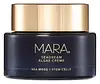
This anti-aging moisturizer is formulated around Squalane to soften the look of wrinkles and hydrate skin.
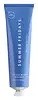
This wash off mask is made with Niacinamide and Ceramide EOP for a rinse-off barrier-support boost.

What's inside
What's inside
 Key Ingredients
Benefits
Concerns
Ingredients Side-by-side
Palmaria Palmata Extract
Skin Protecting

Water
Skin ConditioningRicinus Communis Seed Oil
Masking




Theobroma Grandiflorum Seed Butter
Skin Conditioning
Pentylene Glycol
Skin Conditioning
Cetearyl Alcohol
Emollient


Glycerin
Humectant
Glyceryl Stearate
Emollient
Cetearyl Olivate
Citrullus Lanatus Seed Oil
Emollient
Moringa Oleifera Seed Oil
Emollient
Glyceryl Caprylate
EmollientSorbitan Olivate
Emulsifying
Squalane
Emollient
Sodium Gluconate
ChelatingSodium Lactate
Buffering
Cetyl Hydroxyethylcellulose
Emulsion StabilisingMaris Aqua
HumectantSodium Stearoyl Glutamate
CleansingKappaphycus Alvarezii Extract
Skin Conditioning
Caprylic/Capric Triglyceride
Masking
Caprylhydroxamic Acid
ChelatingEclipta Prostrata Extract
Skin Conditioning
Limnanthes Alba Seed Oil
Skin Conditioning
Vaccinium Myrtillus Seed Oil
Skin Conditioning
Oenothera Biennis Oil
Emollient
Crambe Abyssinica Seed Oil
Skin Conditioning
Adansonia Digitata Seed Oil
Emollient
Malus Domestica Fruit Cell Culture Extract
Skin ConditioningVitis Vinifera Seed Oil
Emollient
Sodium Phytate
ChelatingSodium PCA
Humectant
Lecithin
Emollient
Benzoic Acid
Masking
Hydrolyzed Pinus Sibirica Seedcake Extract
Skin ConditioningGigartina Stellata Extract
Skin Protecting
Chondrus Crispus Extract
Skin Conditioning
Sodium Nitrate
SoothingXanthan Gum
EmulsifyingCystoseira Tamariscifolia Extract
Skin Conditioning
Hydrated Silica
Abrasive
Alaria Esculenta Extract
Skin Protecting
Sodium Benzoate
Masking
Acanthopanax Senticosus Root Extract
Skin ConditioningDisodium Phosphate
BufferingTocopherol
Antioxidant



Silica Dimethyl Silylate
EmollientSodium Phosphate
BufferingPotassium Sorbate
Preservative
Sodium Hydroxide
BufferingPalmaria Palmata Extract, Water, Ricinus Communis Seed Oil, Theobroma Grandiflorum Seed Butter, Pentylene Glycol, Cetearyl Alcohol, Glycerin, Glyceryl Stearate, Cetearyl Olivate, Citrullus Lanatus Seed Oil, Moringa Oleifera Seed Oil, Glyceryl Caprylate, Sorbitan Olivate, Squalane, Sodium Gluconate, Sodium Lactate, Cetyl Hydroxyethylcellulose, Maris Aqua, Sodium Stearoyl Glutamate, Kappaphycus Alvarezii Extract, Caprylic/Capric Triglyceride, Caprylhydroxamic Acid, Eclipta Prostrata Extract, Limnanthes Alba Seed Oil, Vaccinium Myrtillus Seed Oil, Oenothera Biennis Oil, Crambe Abyssinica Seed Oil, Adansonia Digitata Seed Oil, Malus Domestica Fruit Cell Culture Extract, Vitis Vinifera Seed Oil, Sodium Phytate, Sodium PCA, Lecithin, Benzoic Acid, Hydrolyzed Pinus Sibirica Seedcake Extract, Gigartina Stellata Extract, Chondrus Crispus Extract, Sodium Nitrate, Xanthan Gum, Cystoseira Tamariscifolia Extract, Hydrated Silica, Alaria Esculenta Extract, Sodium Benzoate, Acanthopanax Senticosus Root Extract, Disodium Phosphate, Tocopherol, Silica Dimethyl Silylate, Sodium Phosphate, Potassium Sorbate, Sodium Hydroxide
Water
Skin ConditioningCaprylic/Capric Triglyceride
Masking
Diheptyl Succinate
EmollientButyrospermum Parkii Butter
Skin Conditioning
Cetearyl Alcohol
Emollient
Hydroxyethyl Acrylate/Sodium Acryloyldimethyl Taurate Copolymer
Emulsion StabilisingNiacinamide
Smoothing




Pentylene Glycol
Skin Conditioning
Glycerin
Humectant
Sorbitan Stearate
Emulsifying
Glyceryl Stearate
Emollient
Sodium Hyaluronate
Humectant
Ceramide EOP
Skin Conditioning
Ceramide NP
Skin Conditioning
Ceramide AP
Skin Conditioning
Aminopropyl Ascorbyl Phosphate
Antioxidant
Allantoin
Skin Conditioning
Bisabolol
Antioxidant
Panthenol
Skin Conditioning
Physalis Angulata Extract
Skin ProtectingCastanea Sativa Seed Extract
Skin ConditioningTocopheryl Acetate
Antioxidant
Phytosphingosine
Skin Conditioning
Capryloyl Glycerin/Sebacic Acid Copolymer
Skin ConditioningEthylhexylglycerin
Skin ConditioningTetrasodium Glutamate Diacetate
ChelatingCucumis Sativus Fruit Extract
Emollient
Cholesterol
Emollient
Sodium Lauroyl Lactylate
EmulsifyingCarbomer
Emulsion StabilisingXanthan Gum
EmulsifyingPEG-100 Stearate
Surfactant
Phenoxyethanol
Preservative
Water, Caprylic/Capric Triglyceride, Diheptyl Succinate, Butyrospermum Parkii Butter, Cetearyl Alcohol, Hydroxyethyl Acrylate/Sodium Acryloyldimethyl Taurate Copolymer, Niacinamide, Pentylene Glycol, Glycerin, Sorbitan Stearate, Glyceryl Stearate, Sodium Hyaluronate, Ceramide EOP, Ceramide NP, Ceramide AP, Aminopropyl Ascorbyl Phosphate, Allantoin, Bisabolol, Panthenol, Physalis Angulata Extract, Castanea Sativa Seed Extract, Tocopheryl Acetate, Phytosphingosine, Capryloyl Glycerin/Sebacic Acid Copolymer, Ethylhexylglycerin, Tetrasodium Glutamate Diacetate, Cucumis Sativus Fruit Extract, Cholesterol, Sodium Lauroyl Lactylate, Carbomer, Xanthan Gum, PEG-100 Stearate, Phenoxyethanol
Reviews
Ingredients Explained
These ingredients are found in both products.
Ingredients higher up in an ingredient list are typically present in a larger amount.
Caprylic/Capric Triglyceride (aka MCT Oil) is a lightweight emollient, solvent, and texture enhancer. It is considered a skin-softener by helping to prevent moisture loss.
Though it behaves like an oil, it is not technically one due to its chemical composition. One perk of this ingredient is that it is very stable, resistant to oxidation, and unlikely to go rancid.
In practice, that translates to a long shelf life and a consistently elegant skin feel.
While there is an assumption Caprylic Triglyceride can clog pores due to it being derived from coconut oil, there is no research supporting this. Just patch test if you have concerns.
Fractionated coconut oil and MCT Oil are both listed as Caprylic/Capric Triglyceride according to INCI. This is because INCI names are based on the ingredient’s final chemical composition and not its marketing name or source.
This ingredient is treated as the gold standard fungal acne safe oil. Even though it is coconut derived, the problematic lauric acid is stripped out.
This leaves just caprylic (C8) and capric (C10) acid. These chain lengths actually trend antifungal; a 2020 study found caprylic acid was enough to disrupt Malassezia furfur cell membrane, with a caprylic acid derivative damaging membrane structures at concentrations as low as 0.2%.
Learn more about Caprylic/Capric TriglycerideCetearyl alcohol is a waxy mixture of two fatty alcohols: cetyl alcohol and stearyl alcohol. It is an emollient and emulsifier.
Despite having "alcohol" in its name, it has nothing to do with drying solvent alcohols; the FDA also allows "alcohol-free" products to contain fatty alcohols like this ingredient.
It plays several roles in a formula:
Typical use levels for this ingredient sit around 1-10% and the Cosmetic Ingredient Review Expert Panel has affirmed safety at concentrations up to 25% in leave-on products.
Multiple assessments have found it to be non-irritating and non-sensitizing to most people.
However, there have been some cases of allergic contact dermatitis in patients with chronically compromised skin barriers.
Cetearyl alcohol has a comedogenic rating of 2 and irritancy rating of 1. Both of these numbers come from the 1989 study that used rabbit ears; a "2" means mildly comedogenic and a "1" means low irritancy.
Here's the catch: rabbit skin is more sensitive than human skin and throws a lot of false positives. A 1996 reappraisal found that ingredients rated 1-2 in the rabbit ear tests are generally safe for humans.
Remember comedogenic ratings are unable to assess the entire formula of a product or how it will react on your skin. Just be sure to patch test if you are unsure about certain ingredients.
This ingredient is not fungal acne safe. Cetearyl alcohol is a fatty alcohol with chain lengths that fall within the range that Malassezia can metabolize.
A 2019 study has also observed Malassezia growth in the presence of this ingredient, confirming it to be not-fungal acne safe.
Learn more about Cetearyl AlcoholGlycerin (or glycerol) is a compound naturally found in your skin. It's a powerhouse humectant that pulls water into the stratum corneum.
Topically, glycerin does several things at once:
Your skin makes glycerin on its own (mostly from sebaceous oil breakdown) and shuttles it to your outermost layer of skin, or your epidermis, via aquaporin-3.
Aquaporin-3 is a transporter that is essential for normal skin hydration, elasticity, and repair. Interestingly, mice lacking in AQP3 have dry and less elastic skin that can be fully corrected with glycerin.
This ingredient is non-irritating, plays well with almost every ingredient, and works across all skin types. Typical use is anywhere between 3-10% but can go up to 79% in some leave-on products.
Just know very high concentrations (>40%) can feel tacky in low humidity.
Glycerin is the name for this ingredient in American English. British English uses Glycerol/Glycerine.
Learn more about GlycerinGlyceryl Stearate is made by reacting glycerin with stearic acid (typically sourced from plant oils like palm or coconut). It's an emulsifier, emollient, and mild occlusive.
Emulsifiers help ingredients like oil and water stay mixed so your formula stays nicely blended and uniform in texture.
This ingredient is typically used in concentrations between 1-10%. Studies have found it to be non-sensitizing, non-phototoxic, and non-photoallergenic.
A close cousin of this ingredient is Glyceryl Stearate SE ("self-emulsifying"). This just has a small amount of sodium or potassium stearate added so it can emulsify without a co-emulsifier.
Since this ingredient is an ester of a C18 fatty acid, it may not be fungal acne safe. The Malassezia yeast can potentially metabolize within the C11-C24 range.
Fun fact: The human body also creates Glyceryl Stearate naturally.
Learn more about Glyceryl StearatePentylene Glycol (1,2-pentanediol) is a multitasking little diol with three main roles in a formula:
Research on alkanediols (the family pentylene glycol belongs to) show they work by disrupting microbial cell membranes. This disruption helps the primary preservative system in a product work more effectively at lower doses.
On the safety side, the Cosmetic Ingredient Review Expert Panel has concluded this ingredient to be safe as used in current cosmetic practices + concentrations.
Typical use levels in a formula run about 1-5%.
Learn more about Pentylene GlycolWater. It's the most common cosmetic ingredient of all. You'll usually see it at the top of ingredient lists, meaning that it makes up the largest part of the product.
So why is it so popular? Water most often acts as a solvent - this means that it helps dissolve other ingredients into the formulation.
You'll also recognize water as that liquid we all need to stay alive. If you see this, drink a glass of water. Remember to stay hydrated!
Learn more about WaterXanthan gum is used as a stabilizer and thickener within cosmetic products. It helps give products a sticky, thick feeling - preventing them from being too runny.
On the technical side of things, xanthan gum is a polysaccharide - a combination consisting of multiple sugar molecules bonded together.
Xanthan gum is a pretty common and great ingredient. It is a natural, non-toxic, non-irritating ingredient that is also commonly used in food products.
Learn more about Xanthan Gum

