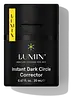
This brightening eye moisturizer is formulated around Niacinamide and Glycyrrhiza Glabra Root Extract to brighten dull-looking skin and fade the look of dark spots.
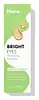
This brightening eye moisturizer is formulated around Caffeine and Coffea Arabica Seed Extract to brighten dull-looking skin and soften the look of wrinkles.

What's inside
What's inside
 Key Ingredients
Benefits
Concerns
Ingredients Side-by-side
Water
Skin ConditioningGlycerin
Humectant


Cetearyl Alcohol
Emollient






Polyglycerin-3
Humectant
1,2-Hexanediol
Skin Conditioning
Niacinamide
Smoothing









Methylpropanediol
SolventButyrospermum Parkii Butter
Skin Conditioning
Simmondsia Chinensis Seed Oil
Emollient
Isododecane
EmollientButylene Glycol
Humectant
Propanediol
Solvent
Camellia Sinensis Leaf Extract
Antimicrobial
Zingiber Officinale Root Extract
Masking
Glycyrrhiza Glabra Root Extract
Bleaching
Schisandra Chinensis Fruit Extract
Skin Conditioning
Caffeine
Skin Conditioning
Coptis Chinensis Root Extract
Antioxidant
Tocopheryl Acetate
Antioxidant
C14-22 Alcohols
Emulsion Stabilising
Sodium Hyaluronate
Humectant
Polyacrylate-13
Sodium Polyacrylate Starch
AbsorbentCarbomer
Emulsion StabilisingTromethamine
BufferingPolyisobutene
C12-20 Alkyl Glucoside
EmulsifyingPolyglyceryl-10 Myristate
Skin Conditioning
Acmella Oleracea Extract
Skin ProtectingPotassium Cetyl Phosphate
EmulsifyingCaprylyl Glycol
Emollient
Polysorbate 20
Emulsifying
Propolis Wax
EmollientDisodium EDTA
ChelatingSorbitan Isostearate
Emulsifying
Aluminum Hydroxide
EmollientTriethoxycaprylylsilane

Parfum
Masking


Coffea Arabica Seed Extract
Masking
Cocos Nucifera Oil
Masking
Glyceryl Undecylenate
Emollient
Coco-Caprylate
Emollient
Glucose
Humectant
CI 77891
Cosmetic ColorantCI 19140
Cosmetic ColorantCI 16035
Cosmetic ColorantWater, Glycerin, Cetearyl Alcohol, Polyglycerin-3, 1,2-Hexanediol, Niacinamide, Methylpropanediol, Butyrospermum Parkii Butter, Simmondsia Chinensis Seed Oil, Isododecane, Butylene Glycol, Propanediol, Camellia Sinensis Leaf Extract, Zingiber Officinale Root Extract, Glycyrrhiza Glabra Root Extract, Schisandra Chinensis Fruit Extract, Caffeine, Coptis Chinensis Root Extract, Tocopheryl Acetate, C14-22 Alcohols, Sodium Hyaluronate, Polyacrylate-13, Sodium Polyacrylate Starch, Carbomer, Tromethamine, Polyisobutene, C12-20 Alkyl Glucoside, Polyglyceryl-10 Myristate, Acmella Oleracea Extract, Potassium Cetyl Phosphate, Caprylyl Glycol, Polysorbate 20, Propolis Wax, Disodium EDTA, Sorbitan Isostearate, Aluminum Hydroxide, Triethoxycaprylylsilane, Parfum, Coffea Arabica Seed Extract, Cocos Nucifera Oil, Glyceryl Undecylenate, Coco-Caprylate, Glucose, CI 77891, CI 19140, CI 16035
Water
Skin ConditioningC13-15 Alkane
SolventPropanediol
Solvent
Diisostearyl Malate
EmollientCaprylic/Capric Triglyceride
Masking
Synthetic Fluorphlogopite
Glycerin
Humectant
1,2-Hexanediol
Skin Conditioning
Caffeine
Skin Conditioning
Cetearyl Alcohol
Emollient
Helianthus Annuus Seed Oil Unsaponifiables
Emollient
Coffea Arabica Seed Extract
Masking
Allantoin
Skin Conditioning
Tocopherol
Antioxidant
Niacinamide
Smoothing
Hydrogenated Rapeseed Oil
Emollient
Fucus Vesiculosus Extract
Emollient
Polymethyl Methacrylate
Cetearyl Glucoside
Emulsifying
Vaccinium Macrocarpon Seed Oil
Skin Conditioning
Octyldodecanol
Emollient
Hydroxyethyl Acrylate/Sodium Acryloyldimethyl Taurate Copolymer
Emulsion StabilisingPanax Quinquefolius Root Extract
AstringentHaematococcus Pluvialis Extract
Antioxidant
Acrylates/C10-30 Alkyl Acrylate Crosspolymer
Emulsion StabilisingLecithin
Emollient
Behenyl Alcohol
Emollient
Arachidyl Glucoside
EmulsifyingXanthan Gum
EmulsifyingPotassium Hydroxide
BufferingSodium Dilauramidoglutamide Lysine
HumectantArachidyl Alcohol
Emollient
Sodium Phytate
ChelatingHexylene Glycol
EmulsifyingSorbitan Isostearate
Emulsifying
Malic Acid
Buffering

Caprylyl Glycol
Emollient
Tin Oxide
Abrasive
Glucose
Humectant
Astaxanthin
Skin Conditioning
Mica
Cosmetic ColorantCI 77891
Cosmetic ColorantCI 77492
Cosmetic ColorantWater, C13-15 Alkane, Propanediol, Diisostearyl Malate, Caprylic/Capric Triglyceride, Synthetic Fluorphlogopite, Glycerin, 1,2-Hexanediol, Caffeine, Cetearyl Alcohol, Helianthus Annuus Seed Oil Unsaponifiables, Coffea Arabica Seed Extract, Allantoin, Tocopherol, Niacinamide, Hydrogenated Rapeseed Oil, Fucus Vesiculosus Extract, Polymethyl Methacrylate, Cetearyl Glucoside, Vaccinium Macrocarpon Seed Oil, Octyldodecanol, Hydroxyethyl Acrylate/Sodium Acryloyldimethyl Taurate Copolymer, Panax Quinquefolius Root Extract, Haematococcus Pluvialis Extract, Acrylates/C10-30 Alkyl Acrylate Crosspolymer, Lecithin, Behenyl Alcohol, Arachidyl Glucoside, Xanthan Gum, Potassium Hydroxide, Sodium Dilauramidoglutamide Lysine, Arachidyl Alcohol, Sodium Phytate, Hexylene Glycol, Sorbitan Isostearate, Malic Acid, Caprylyl Glycol, Tin Oxide, Glucose, Astaxanthin, Mica, CI 77891, CI 77492
Reviews
Ingredients Explained
These ingredients are found in both products.
Ingredients higher up in an ingredient list are typically present in a larger amount.
1,2-Hexanediol is a synthetic liquid and another multi-functional powerhouse.
It is a:
- Humectant, drawing moisture into the skin
- Emollient, helping to soften skin
- Solvent, dispersing and stabilizing formulas
- Preservative booster, enhancing the antimicrobial activity of other preservatives
Caffeine is a naturally occurring plant compound found in coffee beans, tea leaves, cocoa pods, and guarana.
As an antioxidant, caffeine protects your skin from free radical damage caused by UV exposure and envionrmnetal stressors.
Early research also shows that caffeine can help calm redness, soothe irritated skin, and support hair growth by stimulating microcirculation in the scalp.
You might have seen eye creams marketing caffeine as a depuffing ingredient. This is because it is a vasoconstrictor meaning it can temporarily constrict blood vessels, though clinical evidence for this specific use is still limited.
Most skincare products contain this ingredient at concentrations between 1-6%. It is able to penetrate skin easily regardless of skin type or thickness.
Just so you know, a very small number of case reports describe caffeine-induced allergy. This ingredient is generally well-tolerated, non-irritating, and non-sensitizing for the majority of people.
Learn more about CaffeineCaprylyl Glycol is a humectant, skin conditioner, emollient, and preservative booster derived from either caprylic acid or synthetically created.
Typical use levels vary from 0.3-1% as a preservative booster and go up to 2% to condition skin.
Because it is not a free-fatty acid, this ingredient is fungal acne safe (there's nothing for Malassezia to feed on).
Learn more about Caprylyl GlycolCetearyl alcohol is a waxy mixture of two fatty alcohols: cetyl alcohol and stearyl alcohol. It is an emollient and emulsifier.
Despite having "alcohol" in its name, it has nothing to do with drying solvent alcohols; the FDA also allows "alcohol-free" products to contain fatty alcohols like this ingredient.
It plays several roles in a formula:
Typical use levels for this ingredient sit around 1-10% and the Cosmetic Ingredient Review Expert Panel has affirmed safety at concentrations up to 25% in leave-on products.
Multiple assessments have found it to be non-irritating and non-sensitizing to most people.
However, there have been some cases of allergic contact dermatitis in patients with chronically compromised skin barriers.
Cetearyl alcohol has a comedogenic rating of 2 and irritancy rating of 1. Both of these numbers come from the 1989 study that used rabbit ears; a "2" means mildly comedogenic and a "1" means low irritancy.
Here's the catch: rabbit skin is more sensitive than human skin and throws a lot of false positives. A 1996 reappraisal found that ingredients rated 1-2 in the rabbit ear tests are generally safe for humans.
Remember comedogenic ratings are unable to assess the entire formula of a product or how it will react on your skin. Just be sure to patch test if you are unsure about certain ingredients.
This ingredient is not fungal acne safe. Cetearyl alcohol is a fatty alcohol with chain lengths that fall within the range that Malassezia can metabolize.
A 2019 study has also observed Malassezia growth in the presence of this ingredient, confirming it to be not-fungal acne safe.
Learn more about Cetearyl AlcoholCi 77891 is a white pigment from Titanium dioxide. It is naturally found in minerals such as rutile and ilmenite.
It's main function is to add a white color to cosmetics. It can also be mixed with other colors to create different shades.
Ci 77891 is commonly found in sunscreens due to its ability to block UV rays.
Learn more about CI 77891This ingredient is more commonly known as the coffee bean from the Coffea Arabica tree. Besides being a delicious drink, coffee beans have a ton of skin benefits.
Coffea Arabica Seed Extract (CASE) has antioxidant, anti-inflammatory, and UV-protective properties. (It should not replace your sunscreen!)
CASE contains several ingredients that protect and soothe skin. These include caffeine, polysaccharides, sucrose, lipids, minerals, and proteins.
The star ingredient in coffee is caffeine.
Caffeine helps with anti-aging, antioxidant, and photo-protection.
How? It has been shown to block collagenase (~41%), elastase (~35%), and tyrosinase (~13%).
Collagenase and elastase are enzymes that break down collagen and elastin, respectively. Tyrosinase is the enzyme that controls melanin production.
Our skin creates melanin when exposed to UV as a defense mechanism.
It should be noted most studies looked at caffeine's ability to inhibit damage from UV-B rays.
According to a manufacturer, this ingredient is often dissolved using water, glycerin, and propanediol. The caffeine content of this ingredient is about 100 ppm.
Coffea Arabica is native to Ethiopia.
Learn more about Coffea Arabica Seed ExtractGlucose is a simple sugar (a monosaccharide). In skincare, it is mostly a humectant and skin conditioning agent.
Mechanistically, it has multiple hydroxyl groups that hydrogen-bond to water. This pulls moisture into the upper layers of skin to keep the surface soft and hydrated.
It's worth knowing sugars are already a natural component of the skin's NMF (natural moisturizing factor) so it's a molecule that your stratum corneum is well-acquainted with.
Just so you know, glucose is hydrophilic (water-loving) and the stratum corneum is a strong barrier to hydrophilic compounds. This just means penetration is slow and most of the action is happening on the surface.
Gram-to-gram, glucose is not as efficient as a humectant as glycerin. This is why you'll likely see glycose paired with stronger humectants for a bigger hydration payoff.
In skincare, glucose is typically derived from corn or other starch sources.
Learn more about GlucoseGlycerin (or glycerol) is a compound naturally found in your skin. It's a powerhouse humectant that pulls water into the stratum corneum.
Topically, glycerin does several things at once:
Your skin makes glycerin on its own (mostly from sebaceous oil breakdown) and shuttles it to your outermost layer of skin, or your epidermis, via aquaporin-3.
Aquaporin-3 is a transporter that is essential for normal skin hydration, elasticity, and repair. Interestingly, mice lacking in AQP3 have dry and less elastic skin that can be fully corrected with glycerin.
This ingredient is non-irritating, plays well with almost every ingredient, and works across all skin types. Typical use is anywhere between 3-10% but can go up to 79% in some leave-on products.
Just know very high concentrations (>40%) can feel tacky in low humidity.
Glycerin is the name for this ingredient in American English. British English uses Glycerol/Glycerine.
Learn more about GlycerinNiacinamide is a multitasking form of vitamin B3 that strengthens the skin barrier, reduces pores and dark spots, regulates oil, and improves signs of aging.
And the best part? It's gentle and well-tolerated by most skin types, including sensitive and reactive skin.
You might have heard of "niacin flush", or the reddening of skin that causes itchiness. Niacinamide has not been found to cause this.
In very rare cases, some individuals may not be able to tolerate niacinamide at all or experience an allergic reaction to it.
If you are experiencing flaking, irritation, and dryness with this ingredient, be sure to double check all your products as this ingredient can be found in all categories of skincare.
When incorporating niacinamide into your routine, look out for concentration amounts. Typically, 5% niacinamide provides benefits such as fading dark spots. However, if you have sensitive skin, it is better to begin with a smaller concentration.
When you apply niacinamide to your skin, your body converts it into nicotinamide adenine dinucleotide (NAD). NAD is an essential coenzyme that is already found in your cells as "fuel" and powers countless biological processes.
In your skin, NAD helps repair cell damage, produce new healthy cells, support collagen production, strengthen the skin barrier, and fight environmental stressors (like UV and pollution).
Our natural NAD levels start to decline with age, leading to slower skin repair, visible aging, and a weaker skin barrier. By providing your skin niacinamide, you're recharging your skin's NAD levels. This leads to stronger, healthier, and younger looking skin.
Another name for vitamin B3 is nicotinamide. This vitamin is water-soluble and our bodies don't store it. We obtain Vitamin B3 from either food or skincare. Meat, fish, wheat, yeast, and leafy greens contain vitamin B3.
The type of niacinamide used in skincare is synthetically created.
Learn more about NiacinamidePropanediol is an all-star ingredient. It softens, hydrates, and smooths the skin.
It’s often used to:
Propanediol is not likely to cause sensitivity and considered safe to use. It is derived from corn or petroleum with a clear color and no scent.
Learn more about PropanediolSorbitan Isostearate is an emulsifer. It is created from isostearic acid and sorbitol.
As an emulsifier, it keeps the water and oil ingredients from separating. This keeps formulas stable and smooth.
In a 24 hour occlusive patch test on 56 subjects, 10% sorbitan isostearate was completely non-irritating. Most formulas use less than 10%.
Because it's a fatty acid ester, it may not be fungal acne safe since the Malassezia yeast can utilize it as a nutrient source.
Learn more about Sorbitan IsostearateWater. It's the most common cosmetic ingredient of all. You'll usually see it at the top of ingredient lists, meaning that it makes up the largest part of the product.
So why is it so popular? Water most often acts as a solvent - this means that it helps dissolve other ingredients into the formulation.
You'll also recognize water as that liquid we all need to stay alive. If you see this, drink a glass of water. Remember to stay hydrated!
Learn more about Water

