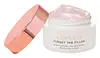
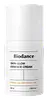
Lawless Forget the Filler Skin-Plumping Line-Smoothing Moisturizer + Makeup Primer Versus Biodance Skin-Glow Essence Cream
This anti-aging moisturizer is formulated around Squalane and Acetyl Hexapeptide-8 to soften the look of wrinkles and hydrate skin.
This barrier-repair moisturizer is formulated around Niacinamide and Bifida Ferment Filtrate to strengthen the skin barrier and hydrate skin.


What's inside
What's inside
 Key Ingredients
Benefits
Concerns
Ingredients Side-by-side
Water
Skin ConditioningHydrolyzed Yeast Extract
Skin ConditioningIsopropyl Isostearate
Emollient




Dipentaerythrityl Hexahydroxystearate/Hexastearate/Hexarosinate
Skin ConditioningPropanediol
Solvent

Undecane
EmollientSqualane
Emollient
Cetearyl Olivate
Cetyl Alcohol
Emollient

Glyceryl Stearate
Emollient
Glycerin
Humectant
Sorbitan Olivate
Emulsifying
Butylene Glycol
Humectant
Sorbitan Stearate
Emulsifying
Methyl Glucose Sesquistearate
Emollient
Tridecane
Perfuming

Butyrospermum Parkii Butter
Skin Conditioning
Tocopheryl Acetate
Antioxidant


Trehalose
Humectant
Saccharomyces/Xylinum/Black Tea Ferment
Skin Conditioning
Caprylyl Glycol
Emollient
Phenoxyethanol
Preservative
Acrylates/C10-30 Alkyl Acrylate Crosspolymer
Emulsion StabilisingCaffeine
Skin Conditioning
Carbomer
Emulsion StabilisingHexylene Glycol
EmulsifyingSodium Hydroxide
BufferingTetrasodium Glutamate Diacetate
Panthenol
Skin Conditioning
Cetyl Hydroxyethylcellulose
Emulsion StabilisingPolyglucuronic Acid
Skin ConditioningSodium Benzoate
Masking
Isostearic Acid
Cleansing
Potassium Sorbate
Preservative
Lecithin
Emollient
Tocopherol
Antioxidant
Acetyl Hexapeptide-8
Humectant
Acetyl Octapeptide-3
Humectant
CI 16035
Cosmetic ColorantCI 42090
Cosmetic ColorantWater, Hydrolyzed Yeast Extract, Isopropyl Isostearate, Dipentaerythrityl Hexahydroxystearate/Hexastearate/Hexarosinate, Propanediol, Undecane, Squalane, Cetearyl Olivate, Cetyl Alcohol, Glyceryl Stearate, Glycerin, Sorbitan Olivate, Butylene Glycol, Sorbitan Stearate, Methyl Glucose Sesquistearate, Tridecane, Butyrospermum Parkii Butter, Tocopheryl Acetate, Trehalose, Saccharomyces/Xylinum/Black Tea Ferment, Caprylyl Glycol, Phenoxyethanol, Acrylates/C10-30 Alkyl Acrylate Crosspolymer, Caffeine, Carbomer, Hexylene Glycol, Sodium Hydroxide, Tetrasodium Glutamate Diacetate, Panthenol, Cetyl Hydroxyethylcellulose, Polyglucuronic Acid, Sodium Benzoate, Isostearic Acid, Potassium Sorbate, Lecithin, Tocopherol, Acetyl Hexapeptide-8, Acetyl Octapeptide-3, CI 16035, CI 42090
Water
Skin ConditioningHydrogenated Polydecene
EmollientButylene Glycol
Humectant
Isononyl Isononanoate
EmollientPolyglyceryl-4 Oleate
Emulsifying
Niacinamide
Smoothing




Polyglyceryl-6 Oleate
Emulsifying
Polyhydroxystearic Acid
Emulsifying
Magnesium Sulfate
Sorbitan Sesquioleate
Emulsifying
Dipropylene Glycol
HumectantHydroxyacetophenone
Antioxidant
Caprylyl Glycol
Emollient
Ethylhexylglycerin
Skin ConditioningRosa Damascena Flower Water
Masking
Iris Florentina Root Extract
MaskingPyrus Communis Fruit Extract
Skin ConditioningHedera Helix Leaf/Stem Extract
AntimicrobialCucumis Melo Fruit Extract
Skin ConditioningAdenosine
Skin Conditioning
Disodium EDTA
Dipotassium Glycyrrhizate
Humectant
Panthenol
Skin Conditioning
Betaine
Humectant
Tocopherol
Antioxidant
Hydrogenated Lecithin
Emulsifying
Cetearyl Alcohol
Emollient
Stearic Acid
Cleansing
Bifida Ferment Filtrate
Skin Conditioning
1,2-Hexanediol
Skin Conditioning
Sodium Hyaluronate
Humectant
Ceramide NP
Skin Conditioning
Ceramide Ns
Skin Conditioning
Phytosphingosine
Skin Conditioning
Hydroxypropyltrimonium Hyaluronate
Cholesterol
Emollient
Ceramide AP
Skin Conditioning
Ceramide As
Skin Conditioning
Hydrolyzed Hyaluronic Acid
Humectant
Sodium Acetylated Hyaluronate
Humectant
Hyaluronic Acid
Humectant
Hydrolyzed Sodium Hyaluronate
Skin Conditioning
Sodium Hyaluronate Crosspolymer
Humectant
Lactobacillus Ferment Lysate
Skin Conditioning
Lactobacillus Ferment
Skin Conditioning
Potassium Hyaluronate
Skin ConditioningCeramide EOP
Skin Conditioning
Water, Hydrogenated Polydecene, Butylene Glycol, Isononyl Isononanoate, Polyglyceryl-4 Oleate, Niacinamide, Polyglyceryl-6 Oleate, Polyhydroxystearic Acid, Magnesium Sulfate, Sorbitan Sesquioleate, Dipropylene Glycol, Hydroxyacetophenone, Caprylyl Glycol, Ethylhexylglycerin, Rosa Damascena Flower Water, Iris Florentina Root Extract, Pyrus Communis Fruit Extract, Hedera Helix Leaf/Stem Extract, Cucumis Melo Fruit Extract, Adenosine, Disodium EDTA, Dipotassium Glycyrrhizate, Panthenol, Betaine, Tocopherol, Hydrogenated Lecithin, Cetearyl Alcohol, Stearic Acid, Bifida Ferment Filtrate, 1,2-Hexanediol, Sodium Hyaluronate, Ceramide NP, Ceramide Ns, Phytosphingosine, Hydroxypropyltrimonium Hyaluronate, Cholesterol, Ceramide AP, Ceramide As, Hydrolyzed Hyaluronic Acid, Sodium Acetylated Hyaluronate, Hyaluronic Acid, Hydrolyzed Sodium Hyaluronate, Sodium Hyaluronate Crosspolymer, Lactobacillus Ferment Lysate, Lactobacillus Ferment, Potassium Hyaluronate, Ceramide EOP
Ingredients Explained
These ingredients are found in both products.
Ingredients higher up in an ingredient list are typically present in a larger amount.
Butylene Glycol (or BG) is used within cosmetic products for a few different reasons:
Overall, Butylene Glycol is a safe and well-rounded ingredient that works well with other ingredients.
Though this ingredient works well with most skin types, some people with sensitive skin may experience a reaction such as allergic rashes, closed comedones, or itchiness.
Learn more about Butylene GlycolCaprylyl Glycol is a humectant, skin conditioner, emollient, and preservative booster derived from either caprylic acid or synthetically created.
Typical use levels vary from 0.3-1% as a preservative booster and go up to 2% to condition skin.
Because it is not a free-fatty acid, this ingredient is fungal acne safe (there's nothing for Malassezia to feed on).
Learn more about Caprylyl GlycolPanthenol is a common ingredient that helps hydrate and soothe the skin. It is found naturally in our skin and hair.
There are two forms of panthenol: D and L.
D-panthenol is also known as dexpanthenol. Most cosmetics use dexpanthenol or a mixture of D and L-panthenol.
Panthenol is famous due to its ability to go deeper into the skin's layers. Using this ingredient has numerous pros (and no cons):
Like hyaluronic acid, panthenol is a humectant. Humectants are able to bind and hold large amounts of water to keep skin hydrated.
This ingredient works well for wound healing. It works by increasing tissue in the wound and helps close open wounds.
Once oxidized, panthenol converts to pantothenic acid. Panthothenic acid is found in all living cells.
This ingredient is also referred to as pro-vitamin B5.
Learn more about PanthenolTocopherol is a fat-soluble antioxidant known as Vitamin E.
You'll find this ingredient in the vast majority of skincare (for good reason). It works to neutralize free radicals, or unstable molecules generated by UV exposure, pollution, and other environmental stressors, before they can cause oxidative damage to your skin cells.
Topically applied tocopherol has been shown to protect against UV damage by ramping up the skin's own natural defense enzymes.
It also acts as a skin conditioning agent; some studies show that regular topical use can improve the skin's water-binding capacity over 2-4 weeks.
This ingredient is especially loved for being a team player. When combined with Vitamin C, the photoprotective effect of both ingredients roughly doubles and the combo also helps reduce UV-induced DNA damage.
This ingredient has some brightening potential but it's more of a prevention ingredient than spot-fader. Cell studies show it can slow down melanin production but it's worth noting that it's not the most powerful brightener out there.
In formulations, it also serves as a stabilizer that helps protect other oxidation-prone ingredients from degrading.
Concentrations usually range from 0.1-1% in most leave-on products.
Learn more about TocopherolWater. It's the most common cosmetic ingredient of all. You'll usually see it at the top of ingredient lists, meaning that it makes up the largest part of the product.
So why is it so popular? Water most often acts as a solvent - this means that it helps dissolve other ingredients into the formulation.
You'll also recognize water as that liquid we all need to stay alive. If you see this, drink a glass of water. Remember to stay hydrated!
Learn more about Water

