

What's inside
What's inside
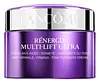 Key Ingredients
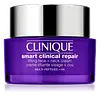
Benefits
Concerns
Ingredients Side-by-side
Water
Skin ConditioningGlycerin
Humectant


Dimethicone
Emollient
Butyrospermum Parkii Butter
Skin Conditioning


Octyldodecanol
Emollient
Butylene Glycol
Humectant
Cetyl Alcohol
Emollient
PEG-100 Stearate
Surfactant
Glyceryl Stearate
Emollient
3-O-Ethyl Ascorbic Acid
Skin Conditioning




Tocopheryl Acetate
Antioxidant

C13-14 Isoparaffin
Emollient
Guanosine
Skin ConditioningCyathea Medullaris Leaf Extract
Skin ConditioningVaccinium Myrtillus Fruit Extract
Skin ConditioningSaccharum Officinarum Extract
MoisturisingHydroxypropyl Tetrahydropyrantriol
Skin ConditioningSodium Citrate
BufferingHydrolyzed Linseed Extract
Skin ConditioningHydrolyzed Lupine Protein
Skin ConditioningSodium Benzoate
Masking
Sodium Levulinate
Skin ConditioningStearic Acid
Cleansing
Phenoxyethanol
Preservative
Phenylethyl Resorcinol
Antioxidant
Adenosine
Skin Conditioning

Acer Saccharum Extract
Skin ConditioningPalmitic Acid
Emollient
Polyacrylamide
Chlorphenesin
Antimicrobial
Poloxamer 338
EmulsifyingLimonene
Perfuming




Xanthan Gum
EmulsifyingPentaerythrityl Tetra-Di-T-Butyl Hydroxyhydrocinnamate
Antioxidant
Benzyl Alcohol
Perfuming
Cinnamic Acid
Perfuming
Propylene Glycol
Humectant
2-Oleamido-1,3-Octadecanediol
Skin ConditioningLeontopodium Alpinum Extract
Skin ConditioningBiosaccharide Gum-1
Humectant
Alpha-Isomethyl Ionone
Perfuming
Acrylates/C10-30 Alkyl Acrylate Crosspolymer
Emulsion StabilisingMyristic Acid
Cleansing
Geraniol
Perfuming
Disodium EDTA
Citric Acid
Buffering
Potassium Hydroxide
BufferingCitrus Aurantium Dulcis Fruit Extract
MaskingCitrus Limon Fruit Extract
Masking
Potassium Sorbate
Preservative
BHT
Antioxidant
Laureth-7
EmulsifyingLevulinic Acid
Perfuming
Hexyl Cinnamal
Perfuming
Glyceryl Caprylate
EmollientParfum
Masking
Water, Glycerin, Dimethicone, Butyrospermum Parkii Butter, Octyldodecanol, Butylene Glycol, Cetyl Alcohol, PEG-100 Stearate, Glyceryl Stearate, 3-O-Ethyl Ascorbic Acid, Tocopheryl Acetate, C13-14 Isoparaffin, Guanosine, Cyathea Medullaris Leaf Extract, Vaccinium Myrtillus Fruit Extract, Saccharum Officinarum Extract, Hydroxypropyl Tetrahydropyrantriol, Sodium Citrate, Hydrolyzed Linseed Extract, Hydrolyzed Lupine Protein, Sodium Benzoate, Sodium Levulinate, Stearic Acid, Phenoxyethanol, Phenylethyl Resorcinol, Adenosine, Acer Saccharum Extract, Palmitic Acid, Polyacrylamide, Chlorphenesin, Poloxamer 338, Limonene, Xanthan Gum, Pentaerythrityl Tetra-Di-T-Butyl Hydroxyhydrocinnamate, Benzyl Alcohol, Cinnamic Acid, Propylene Glycol, 2-Oleamido-1,3-Octadecanediol, Leontopodium Alpinum Extract, Biosaccharide Gum-1, Alpha-Isomethyl Ionone, Acrylates/C10-30 Alkyl Acrylate Crosspolymer, Myristic Acid, Geraniol, Disodium EDTA, Citric Acid, Potassium Hydroxide, Citrus Aurantium Dulcis Fruit Extract, Citrus Limon Fruit Extract, Potassium Sorbate, BHT, Laureth-7, Levulinic Acid, Hexyl Cinnamal, Glyceryl Caprylate, Parfum
Water
Skin ConditioningButyrospermum Parkii Butter
Skin Conditioning
Butylene Glycol
Humectant
Caprylic/Capric/Myristic/Stearic Triglyceride
EmollientPolyglyceryl-3 Methylglucose Distearate
Emulsifying
Glycerin
Humectant
Coco-Caprylate/Caprate
Emollient
Simmondsia Chinensis Seed Oil
Emollient
Polyglyceryl-10 Pentastearate
Skin Conditioning
Glyceryl Stearate
Emollient
Behenyl Alcohol
Emollient
Ricinus Communis Seed Oil
Masking
Mangifera Indica Seed Butter
Skin Conditioning
Prunus Amygdalus Dulcis Seed Extract
Skin ConditioningCaffeine
Skin Conditioning
Dimethicone
Emollient
Ethylhexylglycerin
Skin ConditioningDimethicone/Vinyl Dimethicone Crosspolymer
Skin Conditioning
Caprylyl Glycol
Emollient
Cera Alba
Emollient
Sodium Hyaluronate
Humectant
Acetyl Hexapeptide-8
Humectant
Palmitoyl Tripeptide-1
Skin Conditioning
Palmitoyl Tetrapeptide-7
Skin Conditioning
Palmitoyl Hexapeptide-12
Skin Conditioning
PEG-8
HumectantPEG-100 Stearate
Surfactant
Glyceryl Polymethacrylate
Acrylates/Va Copolymer
Copernicia Cerifera Cera
Emollient
Potassium Cetyl Phosphate
EmulsifyingAcrylates/C10-30 Alkyl Acrylate Crosspolymer
Emulsion StabilisingSodium Stearoyl Lactylate
EmulsifyingHydroxyethyl Acrylate/Sodium Acryloyldimethyl Taurate Copolymer
Emulsion StabilisingStearic Acid
Cleansing
Hexylene Glycol
EmulsifyingSodium Hydroxide
BufferingCarbomer
Emulsion StabilisingPolysorbate 60
Emulsifying
Sorbitan Isostearate
Emulsifying
Polysorbate 20
Emulsifying
Tocopheryl Acetate
Antioxidant
Tocopherol
Antioxidant
Disodium EDTA
Phenoxyethanol
Preservative
Chlorphenesin
Antimicrobial
Potassium Sorbate
Preservative
Mica
Cosmetic ColorantCI 77891
Cosmetic ColorantWater, Butyrospermum Parkii Butter, Butylene Glycol, Caprylic/Capric/Myristic/Stearic Triglyceride, Polyglyceryl-3 Methylglucose Distearate, Glycerin, Coco-Caprylate/Caprate, Simmondsia Chinensis Seed Oil, Polyglyceryl-10 Pentastearate, Glyceryl Stearate, Behenyl Alcohol, Ricinus Communis Seed Oil, Mangifera Indica Seed Butter, Prunus Amygdalus Dulcis Seed Extract, Caffeine, Dimethicone, Ethylhexylglycerin, Dimethicone/Vinyl Dimethicone Crosspolymer, Caprylyl Glycol, Cera Alba, Sodium Hyaluronate, Acetyl Hexapeptide-8, Palmitoyl Tripeptide-1, Palmitoyl Tetrapeptide-7, Palmitoyl Hexapeptide-12, PEG-8, PEG-100 Stearate, Glyceryl Polymethacrylate, Acrylates/Va Copolymer, Copernicia Cerifera Cera, Potassium Cetyl Phosphate, Acrylates/C10-30 Alkyl Acrylate Crosspolymer, Sodium Stearoyl Lactylate, Hydroxyethyl Acrylate/Sodium Acryloyldimethyl Taurate Copolymer, Stearic Acid, Hexylene Glycol, Sodium Hydroxide, Carbomer, Polysorbate 60, Sorbitan Isostearate, Polysorbate 20, Tocopheryl Acetate, Tocopherol, Disodium EDTA, Phenoxyethanol, Chlorphenesin, Potassium Sorbate, Mica, CI 77891
Ingredients Explained
These ingredients are found in both products.
Ingredients higher up in an ingredient list are typically present in a larger amount.
Acrylates/C10-30 Alkyl Acrylate Crosspolymer is a synthetic polymer. It is used to thicken, emulsify, and improve the texture of products.
As an emulsifier, it helps stabilize oil-in-water emulsions to give products an elegant feel when applied.
It can also form a thin protective film on skin. One study found that a formula using this polymer helped slow down how quickly other ingredients (like DEET) were absorbed through skin.
A 2024 study of over 1,300 patients confirmed that sensitization to this ingredient is rare. It is also non-mutagenic and has a clean track record.
Learn more about Acrylates/C10-30 Alkyl Acrylate CrosspolymerButylene Glycol (or BG) is used within cosmetic products for a few different reasons:
Overall, Butylene Glycol is a safe and well-rounded ingredient that works well with other ingredients.
Though this ingredient works well with most skin types, some people with sensitive skin may experience a reaction such as allergic rashes, closed comedones, or itchiness.
Learn more about Butylene GlycolThis ingredient is also known as shea butter. It is a plant-derived extract from the nuts of the Africa shea tree and one of the most well-studied emollients.
Because it has a high concentration of fatty acids (primarily oleic, stearic, and linoleic) it is able to form a protective barrier on the skin's surface. This helps seal in moisture and prevents transepidermal water loss (TEWL).
In vitro research found an increase in skin hydration by 58% and a decrease in TEWL by 37.8% after 24 hours of applying this ingredient (pretty impressive for a single ingredient!).
Besides hydration, shea butter also contains triterpenes that have anti-inflammatory potential. In particule, lupeol cinnamate has shown the highest anti-inflammatory activity in vivo.
Shea butter also contains vitamins A and E which may contribute to antioxidant activity.
While Shea Butter has an SPF rating of about 3-4, it is not a sunscreen replacement.
This ingredient may not be fungal acne safe because its fatty acids fall within the C11-C24 range that the Malassezia yeast can metabolize.
Learn more about Butyrospermum Parkii ButterChlorphenesin is a synthetic preservative. It helps protect a product against bacteria in order to extend shelf life. In most cases, Chlorphenesin is paired with other preservatives such as phenoxyethanol and caprylyl glycol.
Chlorphenesin is a biocide. This means it is able to help fight the microorganisms on our skin. It is also able to fight odor-releasing bacteria.
Chlorphenesin is soluble in both water and glycerin.
Studies show Chlorphenesin is easily absorbed by our skin. You should speak with a skincare professional if you have concerns about using Chlorphenesin.
Learn more about ChlorphenesinDimethicone is a type of synthetic silicone created from natural materials such as quartz. It is also known as polydimethylsiloxane.
What it does:
Dimethicone comes in different viscosities:
Depending on the viscosity, dimethicone has different properties.
Ingredients lists don't always show which type is used, so we recommend reaching out to the brand if you have questions about the viscosity.
This ingredient is unlikely to cause irritation because it does not get absorbed into skin. However, people with silicone allergies should be careful about using this ingredient.
Note: Dimethicone may contribute to pilling. This is because it is not oil or water soluble, so pilling may occur when layered with products. When mixed with heavy oils in a formula, the outcome is also quite greasy.
Learn more about DimethiconeDisodium EDTA is a chelating agent. It grabs onto and deactivates metal ions that sneak into your products from water, packaging, or air.
This ingredient mainly works behind the scenes and helps with:
On top of that, this ingredient can counteract the effects of hard water by binding to the minerals in it.
One thing worth knowing is that Disodium EDTA has been shown to be a mild penetration enhancer. It can help other ingredients absorb into skin more effectively which can be a double-edged sword (great for actives, but can also make the active too strong if you have sensitive skin).
Clinical patch testing showed no significant skin irritation at typical use concentrations and minimal dermal absorption.
You'll most likely see this ingredient near the end of an ingredient list. It's typically found in concentrations less than 1%.
Learn more about Disodium EDTAGlycerin (or glycerol) is a compound naturally found in your skin. It's a powerhouse humectant that pulls water into the stratum corneum.
Topically, glycerin does several things at once:
Your skin makes glycerin on its own (mostly from sebaceous oil breakdown) and shuttles it to your outermost layer of skin, or your epidermis, via aquaporin-3.
Aquaporin-3 is a transporter that is essential for normal skin hydration, elasticity, and repair. Interestingly, mice lacking in AQP3 have dry and less elastic skin that can be fully corrected with glycerin.
This ingredient is non-irritating, plays well with almost every ingredient, and works across all skin types. Typical use is anywhere between 3-10% but can go up to 79% in some leave-on products.
Just know very high concentrations (>40%) can feel tacky in low humidity.
Glycerin is the name for this ingredient in American English. British English uses Glycerol/Glycerine.
Learn more about GlycerinGlyceryl Stearate is made by reacting glycerin with stearic acid (typically sourced from plant oils like palm or coconut). It's an emulsifier, emollient, and mild occlusive.
Emulsifiers help ingredients like oil and water stay mixed so your formula stays nicely blended and uniform in texture.
This ingredient is typically used in concentrations between 1-10%. Studies have found it to be non-sensitizing, non-phototoxic, and non-photoallergenic.
A close cousin of this ingredient is Glyceryl Stearate SE ("self-emulsifying"). This just has a small amount of sodium or potassium stearate added so it can emulsify without a co-emulsifier.
Since this ingredient is an ester of a C18 fatty acid, it may not be fungal acne safe. The Malassezia yeast can potentially metabolize within the C11-C24 range.
Fun fact: The human body also creates Glyceryl Stearate naturally.
Learn more about Glyceryl StearatePeg-100 Stearate is an emollient and emulsifier. As an emollient, it helps keep skin soft by trapping moisture in. On the other hand, emulsifiers help prevent oil and water from separating in a product.
PEGS are a hydrophilic polyether compound . There are 100 ethylene oxide monomers in Peg-100 Stearate. Peg-100 Stearate is polyethylene glycol ester of stearic acid.
Phenoxyethanol is a preservative that has germicide, antimicrobial, and aromatic properties. Studies show that phenoxyethanol can prevent microbial growth. By itself, it has a scent that is similar to that of a rose.
It's often used in formulations along with Caprylyl Glycol to preserve the shelf life of products.
Potassium Sorbate is a preservative used to prevent yeast and mold in products. It is commonly found in both cosmetic and food products.
This ingredient comes from potassium salt derived from sorbic acid. Sorbic acid is a natural antibiotic and effective against fungus.
Both potassium sorbate and sorbic acid can be found in baked goods, cheeses, dried meats, dried fruit, ice cream, pickles, wine, yogurt, and more.
You'll often find this ingredient used with other preservatives.
Learn more about Potassium SorbateStearic Acid is a fatty acid that is already found in your skin. It's one of the free fatty acids that works alongside ceramides and cholesterols to maintain your barrier.
In cosmetics, it is a multitasker:
Safety-wise, the CIR Expert Panel has concluded it to be safe in cosmetics when formulated to be non-irritating and non-sensitizing.
Free stearic acid is a C18 fatty acid that the Malassezia yeast can substrate, so this ingredient may not be fungal acne safe.
Learn more about Stearic AcidTocopheryl Acetate is AKA Vitamin E. It is an antioxidant and protects your skin from free radicals. Free radicals damage the skin by breaking down collagen.
One study found using Tocopheryl Acetate with Vitamin C decreased the number of sunburned cells.
Tocopheryl Acetate is commonly found in both skincare and dietary supplements.
Learn more about Tocopheryl AcetateWater. It's the most common cosmetic ingredient of all. You'll usually see it at the top of ingredient lists, meaning that it makes up the largest part of the product.
So why is it so popular? Water most often acts as a solvent - this means that it helps dissolve other ingredients into the formulation.
You'll also recognize water as that liquid we all need to stay alive. If you see this, drink a glass of water. Remember to stay hydrated!
Learn more about Water
