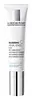
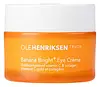
La Roche-Posay Redermic Vitamin C Anti-Ageing Eye Cream Versus Olehenriksen Banana Bright+ Eye Crème
This anti-aging eye moisturizer is formulated around Ascorbic Acid and Madecassoside to soften the look of wrinkles and brighten dull-looking skin.
This brightening eye moisturizer is formulated around 3-O-Ethyl Ascorbic Acid and Simmondsia Chinensis Seed Oil to brighten dull-looking skin and hydrate skin.


What's inside
What's inside
 Key Ingredients
Benefits
Concerns
Ingredients Side-by-side
Water
Skin ConditioningGlycerin
Humectant


Dimethicone
Emollient
Butyrospermum Parkii Butter
Skin Conditioning




Limnanthes Alba Seed Oil
Skin Conditioning
Ascorbic Acid
Antioxidant





Mannose
HumectantButylene Glycol
Humectant
Paraffinum Liquidum
Emollient
Ammonium Polyacryloyldimethyl Taurate
Emulsion StabilisingCetyl Alcohol
Emollient

Potassium Hydroxide
BufferingPEG-100 Stearate
Surfactant
Glyceryl Stearate
Emollient
Polymethylsilsesquioxane
Paraffin
Skin Conditioning
Microcrystalline Wax
Emulsion StabilisingMadecassoside
Antioxidant

Dimethicone/Vinyl Dimethicone Crosspolymer
Skin Conditioning
Dimethiconol
Emollient
Disodium EDTA
Propylene Glycol
Humectant
Hydrolyzed Hyaluronic Acid
Humectant
Caprylyl Glycol
Emollient
Citric Acid
Buffering
Acetyl Dipeptide-1 Cetyl Ester
Skin Conditioning
Xanthan Gum
EmulsifyingToluene Sulfonic Acid
SurfactantPentaerythrityl Tetra-Di-T-Butyl Hydroxyhydrocinnamate
Antioxidant
Phenoxyethanol
Preservative
Water, Glycerin, Dimethicone, Butyrospermum Parkii Butter, Limnanthes Alba Seed Oil, Ascorbic Acid, Mannose, Butylene Glycol, Paraffinum Liquidum, Ammonium Polyacryloyldimethyl Taurate, Cetyl Alcohol, Potassium Hydroxide, PEG-100 Stearate, Glyceryl Stearate, Polymethylsilsesquioxane, Paraffin, Microcrystalline Wax, Madecassoside, Dimethicone/Vinyl Dimethicone Crosspolymer, Dimethiconol, Disodium EDTA, Propylene Glycol, Hydrolyzed Hyaluronic Acid, Caprylyl Glycol, Citric Acid, Acetyl Dipeptide-1 Cetyl Ester, Xanthan Gum, Toluene Sulfonic Acid, Pentaerythrityl Tetra-Di-T-Butyl Hydroxyhydrocinnamate, Phenoxyethanol
Water
Skin ConditioningSimmondsia Chinensis Seed Oil
Emollient
Butyrospermum Parkii Butter
Skin Conditioning
Isododecane
EmollientCoconut Alkanes
Emollient
3-O-Ethyl Ascorbic Acid
Skin Conditioning
Cetearyl Alcohol
Emollient
Glycerin
Humectant
C18-38 Alkyl Hydroxystearoyl Stearate
EmollientDilinoleic Acid/Propanediol Copolymer
EmollientPolymethylsilsesquioxane
Cocoyl Proline
Skin Conditioning
Dimethicone Crosspolymer
Emulsion Stabilising
Pentaerythrityl Tetraisostearate
Emollient
Tetrahexyldecyl Ascorbate
Antioxidant
Ascorbic Acid
Antioxidant
Gold
Cosmetic ColorantGlutathione
Citrus Nobilis Fruit Extract
MaskingCitrus Paradisi Peel Extract
Perfuming
Glucosyl Hesperidin
HumectantTocopherol
Antioxidant
Tamarindus Indica Seed Polysaccharide
Skin ConditioningPoncirus Trifoliata Fruit Extract
Skin ConditioningMorus Alba Root Extract
BleachingLinoleic Acid
Cleansing
Linolenic Acid
Cleansing
Jojoba Esters
Emollient
Caprylyl Glycol
Emollient
Coco-Caprylate/Caprate
Emollient
Propanediol
Solvent
Polyglyceryl-3 Cocoate
Emulsifying
Polyglyceryl-4 Caprate
EmulsifyingPolyglyceryl-6 Caprylate
EmulsifyingPolyglyceryl-6 Ricinoleate
Emulsifying
Hdi/Trimethylol Hexyllactone Crosspolymer
Polyacrylate-13
Butylene Glycol
Humectant
Polyglyceryl-3 Stearate
Emulsifying
Polysorbate 20
Emulsifying
Sodium Citrate
BufferingPolyisobutene
Beheneth-5
EmulsifyingAcrylates/C10-30 Alkyl Acrylate Crosspolymer
Emulsion StabilisingBehenyl Alcohol
Emollient
Sodium Hydroxide
BufferingSorbic Acid
Preservative
Sorbitan Isostearate
Emulsifying
Citric Acid
Buffering
Hydrolyzed Vegetable Protein
Skin ConditioningStearic Acid
Cleansing
Palmitic Acid
Emollient
Oleic Acid
Emollient
Sorbitol
Humectant
Silica
Abrasive

Sodium Benzoate
Masking
1,2-Hexanediol
Skin Conditioning
Xanthan Gum
EmulsifyingPhenoxyethanol
Preservative
Leuconostoc/Radish Root Ferment Filtrate
Antimicrobial
Mica
Cosmetic ColorantTitanium Dioxide
Cosmetic Colorant

CI 77891
Cosmetic ColorantCI 77491
Cosmetic ColorantWater, Simmondsia Chinensis Seed Oil, Butyrospermum Parkii Butter, Isododecane, Coconut Alkanes, 3-O-Ethyl Ascorbic Acid, Cetearyl Alcohol, Glycerin, C18-38 Alkyl Hydroxystearoyl Stearate, Dilinoleic Acid/Propanediol Copolymer, Polymethylsilsesquioxane, Cocoyl Proline, Dimethicone Crosspolymer, Pentaerythrityl Tetraisostearate, Tetrahexyldecyl Ascorbate, Ascorbic Acid, Gold, Glutathione, Citrus Nobilis Fruit Extract, Citrus Paradisi Peel Extract, Glucosyl Hesperidin, Tocopherol, Tamarindus Indica Seed Polysaccharide, Poncirus Trifoliata Fruit Extract, Morus Alba Root Extract, Linoleic Acid, Linolenic Acid, Jojoba Esters, Caprylyl Glycol, Coco-Caprylate/Caprate, Propanediol, Polyglyceryl-3 Cocoate, Polyglyceryl-4 Caprate, Polyglyceryl-6 Caprylate, Polyglyceryl-6 Ricinoleate, Hdi/Trimethylol Hexyllactone Crosspolymer, Polyacrylate-13, Butylene Glycol, Polyglyceryl-3 Stearate, Polysorbate 20, Sodium Citrate, Polyisobutene, Beheneth-5, Acrylates/C10-30 Alkyl Acrylate Crosspolymer, Behenyl Alcohol, Sodium Hydroxide, Sorbic Acid, Sorbitan Isostearate, Citric Acid, Hydrolyzed Vegetable Protein, Stearic Acid, Palmitic Acid, Oleic Acid, Sorbitol, Silica, Sodium Benzoate, 1,2-Hexanediol, Xanthan Gum, Phenoxyethanol, Leuconostoc/Radish Root Ferment Filtrate, Mica, Titanium Dioxide, CI 77891, CI 77491
Reviews
Ingredients Explained
These ingredients are found in both products.
Ingredients higher up in an ingredient list are typically present in a larger amount.
Ascorbic Acid is is pure Vitamin C and is the biologically active form used directly by skin.
Not only is vitamin C great for your overall health and immune system, but it also has plenty of benefits for your skin. It is best supported by academic literature for:
Topical vitamin C has been shown to help neutralize oxidative stress from UV and pollution, helping to improve photoaging and hyperpigmentation when used consistently.
One clinical study found that using 5% topical vitamin C for six months improved signs of photodamaged skin, both on the surface and in the deeper structural layers of the skin.
While vitamin C doesn’t replace sunscreen, studies show it can boost photoprotection when combined with Vitamin E and ferulic acid. These two ingredients help improve stability and protective effects.
The big downside of this ingredient is formulation difficulty. Vitamin C is prone to oxidation and doesn't penetrate the skin unless formulated correctly. Research found that vitamin C absorbs into the skin best at a low pH (< 3.5) with about 20% being the upper limit for effective absorption.
Skin levels can saturate after repeated application; this means your skin won’t keep absorbing more once it’s full of vitamin C. This is why more isn’t always better with vitamin C and why very high concentrations don’t necessarily give extra benefits.
Ascorbic acid generally works well with many skincare ingredients but can be irritating when combined with other active ingredients. Strong oxidizing acne treatments like benzoyl peroxide can reduce the effectiveness of vitamin C if they are used at the same time; they are often recommended for use at different times of day.
Read more about other types of Vitamin C:
Foods rich with vitamin C include oranges, strawberries, broccoli, bell peppers, and more. When consuming Vitamin C, your skin receives a portion of the nutrients.
Learn more about Ascorbic AcidButylene Glycol (or BG) is used within cosmetic products for a few different reasons:
Overall, Butylene Glycol is a safe and well-rounded ingredient that works well with other ingredients.
Though this ingredient works well with most skin types, some people with sensitive skin may experience a reaction such as allergic rashes, closed comedones, or itchiness.
Learn more about Butylene GlycolThis ingredient is also known as shea butter. It is a plant-derived extract from the nuts of the Africa shea tree and one of the most well-studied emollients.
Because it has a high concentration of fatty acids (primarily oleic, stearic, and linoleic) it is able to form a protective barrier on the skin's surface. This helps seal in moisture and prevents transepidermal water loss (TEWL).
In vitro research found an increase in skin hydration by 58% and a decrease in TEWL by 37.8% after 24 hours of applying this ingredient (pretty impressive for a single ingredient!).
Besides hydration, shea butter also contains triterpenes that have anti-inflammatory potential. In particule, lupeol cinnamate has shown the highest anti-inflammatory activity in vivo.
Shea butter also contains vitamins A and E which may contribute to antioxidant activity.
While Shea Butter has an SPF rating of about 3-4, it is not a sunscreen replacement.
This ingredient may not be fungal acne safe because its fatty acids fall within the C11-C24 range that the Malassezia yeast can metabolize.
This ingredient shows up on a lot of "pore-clogging" lists but there's no real evidence behind that. It doesn't even have a comedogenic rating from an actual study; the numbers you'll find online come from blogs citing other blogs.
Ratings for other ingredients mostly come from a 1980s rabbit ear test. This test doesn't translate well to human skin or to real products because the ingredient sits at a much lower percentage.
Some people still find it breaks them out. So if that's you, definitely trust your skin. Just know this one's based on experience and not evidence.
Learn more about Butyrospermum Parkii ButterCaprylyl Glycol is a humectant, skin conditioner, emollient, and preservative booster derived from either caprylic acid or synthetically created.
Typical use levels vary from 0.3-1% as a preservative booster and go up to 2% to condition skin.
Because it is not a free-fatty acid, this ingredient is fungal acne safe (there's nothing for Malassezia to feed on).
Learn more about Caprylyl GlycolCitric Acid is an alpha hydroxy acid (AHA) naturally found in citrus fruits like oranges, lemons, and limes.
Like other AHAs, citric acid can exfoliate skin by breaking down the bonds that hold dead skin cells together. This helps reveal smoother and brighter skin underneath.
However, this exfoliating effect only happens at high concentrations (20%) which can be hard to find in cosmetic products.
Due to this, citric acid is usually included in small amounts as a pH adjuster. This helps keep products slightly more acidic and compatible with skin's natural pH.
In skincare formulas, citric acid can:
While it can provide some skin benefits, research shows lactic acid and glycolic acid are generally more effective and less irritating exfoliants.
Most citric acid used in skincare today is made by fermenting sugars (usually from molasses). This synthetic version is identical to the natural citrus form but easier to stabilize and use in formulations.
Rosacea skin has a lower threshold for acids generally, with 62.5% of rosacea subjects in one study reacting to lactic acid in a sting test. This is why we mark citric acid as a potential rosacea trigger.
However, this ingredient shows up as a pH adjuster or chelator at roughly 0.1-1% in many products. These low levels are unlikely to be an issue for rosacea skin and becomes a potential trigger at exfoliating concentrations (20%). Because everybody's skin is unique, we recommend a patch test if you are unsure.
Learn more about Citric AcidGlycerin (or glycerol) is a compound naturally found in your skin. It's a powerhouse humectant that pulls water into the stratum corneum.
Topically, glycerin does several things at once:
Your skin makes glycerin on its own (mostly from sebaceous oil breakdown) and shuttles it to your outermost layer of skin, or your epidermis, via aquaporin-3.
Aquaporin-3 is a transporter that is essential for normal skin hydration, elasticity, and repair. Interestingly, mice lacking in AQP3 have dry and less elastic skin that can be fully corrected with glycerin.
This ingredient is non-irritating, plays well with almost every ingredient, and works across all skin types. Typical use is anywhere between 3-10% but can go up to 79% in some leave-on products.
Just know very high concentrations (>40%) can feel tacky in low humidity.
Glycerin is the name for this ingredient in American English. British English uses Glycerol/Glycerine.
Learn more about GlycerinPhenoxyethanol is one of the most widely used preservatives in skincare (and for good reason!).
It has a large spectrum of antimicrobial activity and especially effective bacteria, yeast, and mold while only having a weak effect on your skin's natural microbiome.
On a cellular level, it disrupts the cell membranes of microbes by poking holes that make the cell leak. This shuts down the chemical reactions the microbe needs to make energy so it can no longer survive.
Another perk of this ingredient is that it stays functional across a wide pH range (3-10).
You'll often see it paired with boosters like Ethylhexylglycerin; one study showed that a 1:9 ratio of Ethylhexylglycerin to Phenoxyethanol damages bacterial membranes as effectively as doubling the Phenoxyethanol concentration on its own.
Typical use concentrations range from 0.3-1% depending on the formula, and this ingredient is capped at 1% int the EU.
Safety-wise, the fear mongering does not hold up to the evidence. The EU's Scientific Committee on Consumer Safety and FDA consider it safe as a preservative at up to 1%, including for children of all ages.
Adverse systemic effects only showed up in animal studies at exposures roughly 200x higher than what people get from cosmetics. And despite its very widespread use, this ingredient is a rare sensitizer and allergic reactions are uncommon.
Learn more about PhenoxyethanolPolymethylsilsesquioxane is a silicone used as a film forming agent.
When applied to the skin, this ingredient creates an invisible film on the surface. This film still allows oxygen to pass through, but prevents moisture from escaping. This can help condition and hydrate the skin. It also leaves a silky feel when applied.
Polymethylsilsesquioxane has not been shown to clog pores. It has been deemed safe to use up to 55%, but most cosmetics use much less.
If you have concerns about using this ingredient, we recommend speaking with a professional.
Learn more about PolymethylsilsesquioxaneWater. It's the most common cosmetic ingredient of all. You'll usually see it at the top of ingredient lists, meaning that it makes up the largest part of the product.
So why is it so popular? Water most often acts as a solvent - this means that it helps dissolve other ingredients into the formulation.
You'll also recognize water as that liquid we all need to stay alive. If you see this, drink a glass of water. Remember to stay hydrated!
Learn more about WaterXanthan gum is used as a stabilizer and thickener within cosmetic products. It helps give products a sticky, thick feeling - preventing them from being too runny.
On the technical side of things, xanthan gum is a polysaccharide - a combination consisting of multiple sugar molecules bonded together.
Xanthan gum is a pretty common and great ingredient. It is a natural, non-toxic, non-irritating ingredient that is also commonly used in food products.
Learn more about Xanthan Gum

