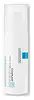
This barrier-repair moisturizer is formulated around Panthenol and Centella Asiatica Leaf Extract to strengthen the skin barrier and calm redness.
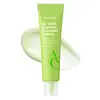
This calming moisturizer is formulated around Niacinamide and Panthenol to calm redness and clear breakouts.


What's inside
What's inside
 Key Ingredients
Benefits
Concerns
Ingredients Side-by-side
Water
Skin ConditioningDicaprylyl Ether
Emollient
Panthenol
Skin Conditioning



Glycerin
Humectant
Pentylene Glycol
Skin Conditioning
Polyglyceryl-6 Distearate
Emulsifying

Propanediol
Solvent
Cetyl Esters
Emollient
Jojoba Esters
Emollient
Behenyl Alcohol
Emollient
Acacia Decurrens Flower Cera
Emollient
Helianthus Annuus Seed Cera
Emollient
Centella Asiatica Leaf Extract
Skin Conditioning
Polymnia Sonchifolia Root Juice
Skin ConditioningSorbitan Oleate
Emulsifying

Zinc Gluconate
Skin Conditioning



Madecassoside
Antioxidant

Cetearyl Isononanoate
Emollient
Manganese Gluconate
Skin ConditioningIsohexadecane
EmollientAlpha-Glucan Oligosaccharide
Cleansing
Sodium Hyaluronate
Humectant
Sodium Stearoyl Glutamate
CleansingAdenosine
Skin Conditioning
Mannose
HumectantCopper Gluconate
Skin Conditioning
Hydroxyacetophenone
Antioxidant
Hydroxypropyl Starch Phosphate
Capryloyl Salicylic Acid
Exfoliating

Vitreoscilla Ferment
Skin Conditioning
Citric Acid
Buffering

Trisodium Ethylenediamine Disuccinate
ChelatingLactobacillus
Skin ConditioningMaltodextrin
Absorbent
Polyglycerin-3
Humectant
Beeswax
Emulsion Stabilising
Polysorbate 80
Emulsifying
Acrylamide/Sodium Acryloyldimethyltaurate Copolymer
Emulsion StabilisingCetyl Alcohol
Emollient
Tocopherol
Antioxidant
Water, Dicaprylyl Ether, Panthenol, Glycerin, Pentylene Glycol, Polyglyceryl-6 Distearate, Propanediol, Cetyl Esters, Jojoba Esters, Behenyl Alcohol, Acacia Decurrens Flower Cera, Helianthus Annuus Seed Cera, Centella Asiatica Leaf Extract, Polymnia Sonchifolia Root Juice, Sorbitan Oleate, Zinc Gluconate, Madecassoside, Cetearyl Isononanoate, Manganese Gluconate, Isohexadecane, Alpha-Glucan Oligosaccharide, Sodium Hyaluronate, Sodium Stearoyl Glutamate, Adenosine, Mannose, Copper Gluconate, Hydroxyacetophenone, Hydroxypropyl Starch Phosphate, Capryloyl Salicylic Acid, Vitreoscilla Ferment, Citric Acid, Trisodium Ethylenediamine Disuccinate, Lactobacillus, Maltodextrin, Polyglycerin-3, Beeswax, Polysorbate 80, Acrylamide/Sodium Acryloyldimethyltaurate Copolymer, Cetyl Alcohol, Tocopherol
Water
Skin ConditioningButylene Glycol
Humectant
Dipropylene Glycol
HumectantNiacinamide
Smoothing
1,2-Hexanediol
Skin Conditioning
Dicaprylyl Ether
Emollient
Polyglyceryl-3 Methylglucose Distearate
Emulsifying
Ammonium Acryloyldimethyltaurate/Vp Copolymer
Carbomer
Emulsion StabilisingPanthenol
Skin Conditioning
Arginine
Masking
Betaine
Humectant
Trehalose
Humectant
Ethylhexylglycerin
Skin ConditioningXanthan Gum
EmulsifyingCaprylic/Capric Triglyceride
Masking
Centella Asiatica Extract
Cleansing
Adenosine
Skin Conditioning
Disodium EDTA
ChelatingGlycerin
Humectant
Melia Azadirachta Leaf Extract
Skin ConditioningPolyquaternium-51
Skin Conditioning
Melia Azadirachta Flower Extract
Skin ConditioningAloe Barbadensis Leaf Extract
Emollient
Dioscorea Japonica Root Extract
Skin Conditioning
Laminaria Japonica Extract
Skin Protecting
Ulmus Davidiana Root Extract
Skin Conditioning
Viola Mandshurica Flower Extract
Antioxidant
Mentha Piperita Oil
Masking





3-O-Ethyl Ascorbic Acid
Skin Conditioning
Ascorbic Acid
Antioxidant
Hydrogenated Lecithin
Emulsifying
Menthyl Lactate
Masking
Betula Platyphylla Japonica Juice
Skin Conditioning
Ethyl Menthane Carboxamide
TonicCoccinia Indica Fruit Extract
Skin Conditioning
Methyl Diisopropyl Propionamide
MaskingButyrospermum Parkii Butter
Skin Conditioning
Vincetoxicum Atratum Extract
Skin ConditioningOlea Europaea Fruit Oil
Masking
Amber Powder
Coptis Japonica Root Extract
Skin ConditioningSolanum Melongena Fruit Extract
Skin ConditioningCurcuma Longa Root Extract
Antioxidant
Ocimum Sanctum Leaf Extract
Skin ConditioningCorallina Officinalis Extract
Skin Conditioning
Moringa Oleifera Seed Oil
Emollient
Candida Bombicola/Glucose/Methyl Rapeseedate Ferment
AntimicrobialCeramide NP
Skin Conditioning
Citrus Aurantifolia Fruit Extract
Skin ConditioningGlycolipids
Skin ConditioningMentha Piperita Extract
CleansingSodium Hyaluronate
Humectant
Polyglyceryl-3 Distearate
Emulsifying
Glutathione
Glyceryl Stearate Citrate
Emollient
Hydrolyzed Hyaluronic Acid
Humectant
Hydrolyzed Sodium Hyaluronate
Skin Conditioning
Melaleuca Alternifolia Leaf Extract
Perfuming
Hydroxypropyltrimonium Hyaluronate
Sodium Acetylated Hyaluronate
Humectant
Sodium Hyaluronate Crosspolymer
Humectant
Hyaluronic Acid
Humectant
Pentylene Glycol
Skin Conditioning
Asiatic Acid
Skin Conditioning
Asiaticoside
Antioxidant
Madecassic Acid
Skin Conditioning
Madecassoside
Antioxidant
Potassium Hyaluronate
Skin ConditioningWater, Butylene Glycol, Dipropylene Glycol, Niacinamide, 1,2-Hexanediol, Dicaprylyl Ether, Polyglyceryl-3 Methylglucose Distearate, Ammonium Acryloyldimethyltaurate/Vp Copolymer, Carbomer, Panthenol, Arginine, Betaine, Trehalose, Ethylhexylglycerin, Xanthan Gum, Caprylic/Capric Triglyceride, Centella Asiatica Extract, Adenosine, Disodium EDTA, Glycerin, Melia Azadirachta Leaf Extract, Polyquaternium-51, Melia Azadirachta Flower Extract, Aloe Barbadensis Leaf Extract, Dioscorea Japonica Root Extract, Laminaria Japonica Extract, Ulmus Davidiana Root Extract, Viola Mandshurica Flower Extract, Mentha Piperita Oil, 3-O-Ethyl Ascorbic Acid, Ascorbic Acid, Hydrogenated Lecithin, Menthyl Lactate, Betula Platyphylla Japonica Juice, Ethyl Menthane Carboxamide, Coccinia Indica Fruit Extract, Methyl Diisopropyl Propionamide, Butyrospermum Parkii Butter, Vincetoxicum Atratum Extract, Olea Europaea Fruit Oil, Amber Powder, Coptis Japonica Root Extract, Solanum Melongena Fruit Extract, Curcuma Longa Root Extract, Ocimum Sanctum Leaf Extract, Corallina Officinalis Extract, Moringa Oleifera Seed Oil, Candida Bombicola/Glucose/Methyl Rapeseedate Ferment, Ceramide NP, Citrus Aurantifolia Fruit Extract, Glycolipids, Mentha Piperita Extract, Sodium Hyaluronate, Polyglyceryl-3 Distearate, Glutathione, Glyceryl Stearate Citrate, Hydrolyzed Hyaluronic Acid, Hydrolyzed Sodium Hyaluronate, Melaleuca Alternifolia Leaf Extract, Hydroxypropyltrimonium Hyaluronate, Sodium Acetylated Hyaluronate, Sodium Hyaluronate Crosspolymer, Hyaluronic Acid, Pentylene Glycol, Asiatic Acid, Asiaticoside, Madecassic Acid, Madecassoside, Potassium Hyaluronate
Reviews
Ingredients Explained
These ingredients are found in both products.
Ingredients higher up in an ingredient list are typically present in a larger amount.
Adenosine is a purine nucleoside that your body already makes in every cell. In skincare, it acts mainly as a skin conditioning and anti-aging agent.
The way it works is fairly well mapped out:
Your skin has cells called fibroblasts that build collagen (the stuff that keeps skin firm and smooth). Adenosine basically flips a switch on these cells that tells them to get to work making more collagen and other proteins. These cells slow down on their own as skin ages, so Adenosine helps give them a little nudge to keep going.
The clinical backing is pretty solid too.
A blind, randomized, placebo-controlled trial of 126 women aged 45-65 tested a 0.1% cream twice daily and found real improvements in crow's feet and frown lines using a precise 3D skin-mapping technique; these changes showed up by week 3 and held at 2 months.
A later study using Adenosine-loaded dissolving microneedle patches reported gains in wrinkle depth, dermal density, elasticity, and hydration.
On concentrations, South Korea's Ministry of Food and Drug Safety has set 0.04% as the approved functional anti-wrinkle level. You'll typically see this ingredient used somewhere in the 0.04-0.1% range since it works at low doses.
This ingredient has been found safe for cosmetics with the data showing no irritation or sensitization.
Overall, this is a great ingredient for any anti-aging routine and has no photosensitizing effect, so it suits both AM and PM use.
Learn more about AdenosineDicaprylyl Ether is created from caprylic acid. It is a texture-enhancer and emollient.
As an emollient, Dicaprylyl Ether is non-comedogenic. It helps soften and smooth the skin by creating a barrier on top. This barrier helps trap moisture in, helping to hydrate the skin.
Dicaprylyl Ether gives a non-greasy feel and better spreadability to products.
Learn more about Dicaprylyl EtherGlycerin (or glycerol) is a compound naturally found in your skin. It's a powerhouse humectant that pulls water into the stratum corneum.
Topically, glycerin does several things at once:
Your skin makes glycerin on its own (mostly from sebaceous oil breakdown) and shuttles it to your outermost layer of skin, or your epidermis, via aquaporin-3.
Aquaporin-3 is a transporter that is essential for normal skin hydration, elasticity, and repair. Interestingly, mice lacking in AQP3 have dry and less elastic skin that can be fully corrected with glycerin.
This ingredient is non-irritating, plays well with almost every ingredient, and works across all skin types. Typical use is anywhere between 3-10% but can go up to 79% in some leave-on products.
Just know very high concentrations (>40%) can feel tacky in low humidity.
Glycerin is the name for this ingredient in American English. British English uses Glycerol/Glycerine.
Learn more about GlycerinMadecassoside is one of four active compounds found in Centella asiatica and is one of the main reasons Centella is so effective at calming irritated skin and supporting the moisture barrier.
There's a solid body of peer-reviewed research backing Madecassoside for several skin benefits. Studies have found:
Madecassoside pairs well with other hydrating or antioxidant ingredients like Ascorbic Acid or Hyaluronic Acid.
Learn more about MadecassosidePanthenol is a common ingredient that helps hydrate and soothe the skin. It is found naturally in our skin and hair.
There are two forms of panthenol: D and L.
D-panthenol is also known as dexpanthenol. Most cosmetics use dexpanthenol or a mixture of D and L-panthenol.
Panthenol is famous due to its ability to go deeper into the skin's layers. Using this ingredient has numerous pros (and no cons):
Like hyaluronic acid, panthenol is a humectant. Humectants are able to bind and hold large amounts of water to keep skin hydrated.
This ingredient works well for wound healing. It works by increasing tissue in the wound and helps close open wounds.
Once oxidized, panthenol converts to pantothenic acid. Panthothenic acid is found in all living cells.
This ingredient is also referred to as pro-vitamin B5.
Learn more about PanthenolPentylene Glycol (1,2-pentanediol) is a multitasking little diol with three main roles in a formula:
Research on alkanediols (the family pentylene glycol belongs to) show they work by disrupting microbial cell membranes. This disruption helps the primary preservative system in a product work more effectively at lower doses.
On the safety side, the Cosmetic Ingredient Review Expert Panel has concluded this ingredient to be safe as used in current cosmetic practices + concentrations.
Typical use levels in a formula run about 1-5%.
Learn more about Pentylene GlycolSodium Hyaluronate is the salt form of hyaluronic acid. It is a long sugar chain that is naturally found in your skin, joints, and connective tissue that maintains hydration and elasticity.
In skincare, it works as a humectant. It pulls water from the environment and deeper layers of skin and binds it to the surface.
Interestingly, the size of the molecule affects its behavior:
Some clinical evidence links low molecular weight versions to improved wrinkle depth, elasticity, anti-inflammatory effects, and barrier repair.
Many serums use a blend of both weights so you can get surface hydration plus longer-lasting and deeper effects.
You'll typically see concentrations between 0.1-2% for this ingredient.
Learn more about Sodium HyaluronateWater. It's the most common cosmetic ingredient of all. You'll usually see it at the top of ingredient lists, meaning that it makes up the largest part of the product.
So why is it so popular? Water most often acts as a solvent - this means that it helps dissolve other ingredients into the formulation.
You'll also recognize water as that liquid we all need to stay alive. If you see this, drink a glass of water. Remember to stay hydrated!
Learn more about Water

