
What's inside
What's inside
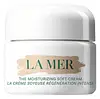 Key Ingredients
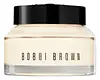
Benefits
Concerns
Ingredients Side-by-side
Algae Extract
EmollientCyclopentasiloxane
Emollient
Petrolatum
Emollient


Glyceryl Distearate
Emollient
Phenyl Trimethicone
Skin Conditioning
Cyclohexasiloxane
Emollient
Butylene Glycol
Humectant
Cholesterol
Emollient
Butyrospermum Parkii Butter
Skin Conditioning
Steareth-10
Emulsifying
Dimethicone
Emollient
Glyceryl Stearate Se
Emulsifying
Polysilicone-11

Glyceryl Triacetyl Ricinoleate
Emollient
Macadamia Integrifolia Seed Oil
Skin Conditioning
Glycerin
Humectant
Sesamum Indicum Seed Oil
Emollient
Medicago Sativa Seed Powder
Skin ConditioningHelianthus Annuus Seedcake
Abrasive
Prunus Amygdalus Dulcis Seed Meal
Abrasive
Eucalyptus Globulus Leaf Oil
Perfuming




Sodium Gluconate
Skin ConditioningCopper Gluconate
Skin Conditioning
Calcium Gluconate
HumectantMagnesium Gluconate
Skin ConditioningZinc Gluconate
Skin Conditioning


Tocopheryl Succinate
Antioxidant
Niacin
SmoothingSesamum Indicum Seed Powder
Skin ConditioningWater
Skin ConditioningCitrus Aurantifolia Peel Extract
Cleansing
Laminaria Digitata Extract
Skin Protecting
Crithmum Maritimum Extract
Skin ConditioningSalicornia Herbacea Extract
Skin ConditioningPlankton Extract
Skin ConditioningChlorella Vulgaris Extract
Skin ConditioningRosmarinus Officinalis Leaf Extract
AntimicrobialSodium Hyaluronate
Humectant


Tocopheryl Acetate
Antioxidant

Acetyl Hexapeptide-8
Humectant
Caffeine
Skin Conditioning
Tetrahexyldecyl Ascorbate
Antioxidant

Palmitoyl Hexapeptide-12
Skin Conditioning
Caprylic/Capric Triglyceride
Masking
Triethylhexanoin
MaskingSodium PCA
Humectant
Cetyl Alcohol
Emollient
Diethylhexyl Succinate
EmollientIsocetyl Stearoyl Stearate
Emollient
Cyanocobalamin
Skin ConditioningC13-14 Isoparaffin
Emollient
Distearyldimonium Chloride
Dipalmitoyl Hydroxyproline
Skin Conditioning
Sucrose
Humectant
Hydrogenated Vegetable Oil
Emollient
Trehalose
Humectant
Hydrolyzed Algin
Micrococcus Lysate
Skin ConditioningMaris Sal
Skin ConditioningTetradecyl Aminobutyroylvalylaminobutyric Urea Trifluoroacetate
Skin ConditioningLactoperoxidase
StabilisingGlucose Oxidase
StabilisingUrea
Buffering
Glucose
Humectant
Polyacrylamide
Glyceryl Polymethacrylate
PEG-8
HumectantLaureth-7
EmulsifyingLecithin
Emollient
Triacetin
AntimicrobialSodium Chloride
MaskingPolyquaternium-51
Skin Conditioning
Potassium Phosphate
BufferingAlcohol Denat.
Antimicrobial


Parfum
Masking
Limonene
Perfuming
Linalool
Perfuming
Hydroxycitronellal
Perfuming
Citronellol
Perfuming
Geraniol
Perfuming
BHT
Antioxidant
Disodium EDTA
Sorbic Acid
Preservative
Chlorphenesin
Antimicrobial
Potassium Sorbate
Preservative
Phenoxyethanol
Preservative
Algae Extract, Cyclopentasiloxane, Petrolatum, Glyceryl Distearate, Phenyl Trimethicone, Cyclohexasiloxane, Butylene Glycol, Cholesterol, Butyrospermum Parkii Butter, Steareth-10, Dimethicone, Glyceryl Stearate Se, Polysilicone-11, Glyceryl Triacetyl Ricinoleate, Macadamia Integrifolia Seed Oil, Glycerin, Sesamum Indicum Seed Oil, Medicago Sativa Seed Powder, Helianthus Annuus Seedcake, Prunus Amygdalus Dulcis Seed Meal, Eucalyptus Globulus Leaf Oil, Sodium Gluconate, Copper Gluconate, Calcium Gluconate, Magnesium Gluconate, Zinc Gluconate, Tocopheryl Succinate, Niacin, Sesamum Indicum Seed Powder, Water, Citrus Aurantifolia Peel Extract, Laminaria Digitata Extract, Crithmum Maritimum Extract, Salicornia Herbacea Extract, Plankton Extract, Chlorella Vulgaris Extract, Rosmarinus Officinalis Leaf Extract, Sodium Hyaluronate, Tocopheryl Acetate, Acetyl Hexapeptide-8, Caffeine, Tetrahexyldecyl Ascorbate, Palmitoyl Hexapeptide-12, Caprylic/Capric Triglyceride, Triethylhexanoin, Sodium PCA, Cetyl Alcohol, Diethylhexyl Succinate, Isocetyl Stearoyl Stearate, Cyanocobalamin, C13-14 Isoparaffin, Distearyldimonium Chloride, Dipalmitoyl Hydroxyproline, Sucrose, Hydrogenated Vegetable Oil, Trehalose, Hydrolyzed Algin, Micrococcus Lysate, Maris Sal, Tetradecyl Aminobutyroylvalylaminobutyric Urea Trifluoroacetate, Lactoperoxidase, Glucose Oxidase, Urea, Glucose, Polyacrylamide, Glyceryl Polymethacrylate, PEG-8, Laureth-7, Lecithin, Triacetin, Sodium Chloride, Polyquaternium-51, Potassium Phosphate, Alcohol Denat., Parfum, Limonene, Linalool, Hydroxycitronellal, Citronellol, Geraniol, BHT, Disodium EDTA, Sorbic Acid, Chlorphenesin, Potassium Sorbate, Phenoxyethanol
Water
Skin ConditioningCyclopentasiloxane
Emollient
Bis-Diglyceryl Polyacyladipate-2
Emollient
Butylene Glycol
Humectant
PPG-2 Myristyl Ether Propionate
Emollient
Cetyl Alcohol
Emollient
PEG-40 Stearate
Emulsifying
Butyrospermum Parkii Butter
Skin Conditioning
Squalane
Emollient
Glyceryl Stearate
Emollient
Sorbitan Stearate
Emulsifying
Epilobium Angustifolium Extract
Skin ConditioningFaex Extract
Skin ConditioningBeta-Carotene
Skin ConditioningSodium Hyaluronate
Humectant
Citrus Grandis Peel Oil
Masking
Tocopheryl Acetate
Antioxidant
Methyl Glucose Sesquistearate
Emollient
Pelargonium Graveolens Flower Oil
Masking
Dimethicone Crosspolymer
Emulsion Stabilising
Acrylates/C10-30 Alkyl Acrylate Crosspolymer
Emulsion StabilisingCarbomer
Emulsion StabilisingPEG-20 Methyl Glucose Sesquistearate
Emulsifying
C12-15 Alkyl Ethylhexanoate
EmollientTetrasodium EDTA
Sodium Hydroxide
BufferingPanthenol
Skin Conditioning
Magnesium Ascorbyl Phosphate
Antioxidant
Limonene
Perfuming
Citronellol
Perfuming
Geraniol
Perfuming
Linalool
Perfuming
Chlorphenesin
Antimicrobial
Phenoxyethanol
Preservative
Water, Cyclopentasiloxane, Bis-Diglyceryl Polyacyladipate-2, Butylene Glycol, PPG-2 Myristyl Ether Propionate, Cetyl Alcohol, PEG-40 Stearate, Butyrospermum Parkii Butter, Squalane, Glyceryl Stearate, Sorbitan Stearate, Epilobium Angustifolium Extract, Faex Extract, Beta-Carotene, Sodium Hyaluronate, Citrus Grandis Peel Oil, Tocopheryl Acetate, Methyl Glucose Sesquistearate, Pelargonium Graveolens Flower Oil, Dimethicone Crosspolymer, Acrylates/C10-30 Alkyl Acrylate Crosspolymer, Carbomer, PEG-20 Methyl Glucose Sesquistearate, C12-15 Alkyl Ethylhexanoate, Tetrasodium EDTA, Sodium Hydroxide, Panthenol, Magnesium Ascorbyl Phosphate, Limonene, Citronellol, Geraniol, Linalool, Chlorphenesin, Phenoxyethanol
Reviews
Ingredients Explained
These ingredients are found in both products.
Ingredients higher up in an ingredient list are typically present in a larger amount.
Butylene Glycol (or BG) is used within cosmetic products for a few different reasons:
Overall, Butylene Glycol is a safe and well-rounded ingredient that works well with other ingredients.
Though this ingredient works well with most skin types, some people with sensitive skin may experience a reaction such as allergic rashes, closed comedones, or itchiness.
Learn more about Butylene GlycolThis ingredient is also known as shea butter. It is a plant-derived extract from the nuts of the Africa shea tree and one of the most well-studied emollients.
Because it has a high concentration of fatty acids (primarily oleic, stearic, and linoleic) it is able to form a protective barrier on the skin's surface. This helps seal in moisture and prevents transepidermal water loss (TEWL).
In vitro research found an increase in skin hydration by 58% and a decrease in TEWL by 37.8% after 24 hours of applying this ingredient (pretty impressive for a single ingredient!).
Besides hydration, shea butter also contains triterpenes that have anti-inflammatory potential. In particule, lupeol cinnamate has shown the highest anti-inflammatory activity in vivo.
Shea butter also contains vitamins A and E which may contribute to antioxidant activity.
While Shea Butter has an SPF rating of about 3-4, it is not a sunscreen replacement.
This ingredient may not be fungal acne safe because its fatty acids fall within the C11-C24 range that the Malassezia yeast can metabolize.
Learn more about Butyrospermum Parkii ButterCetyl Alcohol is a fatty alcohol. Fatty Alcohols are most often used as an emollient or to thicken a product.
Its main roles are:
Though it has "alcohol" in the name, it is not related to denatured alcohol or ethyl alcohol.
The FDA allows products labeled "alcohol-free" to have fatty alcohols.
This ingredient may not be fungal acne safe. It is a primary fatty alcohol with a chain length above 12 carbons. A study from 2019 show Malassezia can feed on fatty alcohols in this range, so it may trigger fungal acne in those prone to it.
Learn more about Cetyl AlcoholChlorphenesin is a synthetic preservative. It helps protect a product against bacteria in order to extend shelf life. In most cases, Chlorphenesin is paired with other preservatives such as phenoxyethanol and caprylyl glycol.
Chlorphenesin is a biocide. This means it is able to help fight the microorganisms on our skin. It is also able to fight odor-releasing bacteria.
Chlorphenesin is soluble in both water and glycerin.
Studies show Chlorphenesin is easily absorbed by our skin. You should speak with a skincare professional if you have concerns about using Chlorphenesin.
Learn more about ChlorphenesinCitronellol is used to add fragrance/parfum to a product. It is often derived from plants such as roses. In fact, it can be found in many essential oils including geranium, lavender, neroli, and more. The scent of Citronellol is often described as "fresh, grassy, and citrus-like".
Since the Citronellol molecule is already unstable, Citronellol becomes irritating on the skin when exposed to air.
Citronellol is a modified terpene. Terpenes are unsaturated hydrocarbons found in plants. They make up the primary part of essential oils.
Citronellol is not able to be absorbed into deeper layers of the skin. It has low permeability,
Citronellol is also a natural insect repellent.
Learn more about CitronellolCyclopentasiloxane, or D5, is a silicone used to improve texture of products and trap moisture.
D5 is considered lightweight and volatile. Volatile means it evaporates quickly after application. Once evaporated, D5 leaves a thin barrier that helps keep skin hydrated.
It is also an emollient. Emollients help soften the skin and prevent water loss. Silicones create a silky texture in products. D5 helps other ingredients become more spreadable.
Studies show D5 is safe to use in skincare products. We recommend speaking with a skincare professional if you have concerns.
Learn more about CyclopentasiloxaneGeraniol is used to add fragrance/parfum to a product. It is the main component of citronellol. It is a monoterpenoid and an alcohol.
Monoterpenes are naturally found in many parts of different plants.
Geraniol can be found in many essential oils including Rose Oil and Citronella Oil. The scent of Geraniol is often described as "rose-like". Many foods also contain Geraniol for fruit flavoring.
Geraniol can irritate the skin when exposed to air. However, irritation depends on the ability of geraniol to penetrate into the skin. In general, geraniol is not able to penetrate skin easily.
Geraniol is colorless and has low water-solubility. However, it is soluble in common organic solvents.
Like citronellol, it is a natural insect repellent.
2,6-Octadien-1-ol, 3,7-dimethyl-, (2E)-
Learn more about GeraniolLimonene is a fragrance that adds scent and taste to a formulation.
It's found in the peel oil of citrus fruits and other plants such as lavender and eucalyptus. The scent of limonene is generally described as "sweet citrus".
Limonene acts as an antioxidant, meaning it helps neutralize free radicals.
When exposed to air, oxidized limonene may sensitize the skin. Because of this, limonene is often avoided by people with sensitive skin.
The term 'fragrance' is not regulated in many countries. In many cases, it is up to the brand to define this term. For instance, many brands choose to label themselves as "fragrance-free" because they are not using synthetic fragrances. However, their products may still contain ingredients such as essential oils that are considered a fragrance.
Learn more about LimoneneLinalool is a fragrance and helps add scent to products. It's derived from common plants such as cinnamon, mint, citrus, and lavender.
Like Limonene, this ingredient oxidizes when exposed to air. Oxidized linalool can cause allergies and skin sensitivity.
This ingredient has a scent that is floral, spicy tropical, and citrus-like.
Learn more about LinaloolPhenoxyethanol is a preservative that has germicide, antimicrobial, and aromatic properties. Studies show that phenoxyethanol can prevent microbial growth. By itself, it has a scent that is similar to that of a rose.
It's often used in formulations along with Caprylyl Glycol to preserve the shelf life of products.
Sodium Hyaluronate is the salt form of hyaluronic acid. It is a long sugar chain that is naturally found in your skin, joints, and connective tissue that maintains hydration and elasticity.
In skincare, it works as a humectant. It pulls water from the environment and deeper layers of skin and binds it to the surface.
Interestingly, the size of the molecule affects its behavior:
Some clinical evidence links low molecular weight versions to improved wrinkle depth, elasticity, anti-inflammatory effects, and barrier repair.
Many serums use a blend of both weights so you can get surface hydration plus longer-lasting and deeper effects.
You'll typically see concentrations between 0.1-2% for this ingredient.
Learn more about Sodium HyaluronateTocopheryl Acetate is AKA Vitamin E. It is an antioxidant and protects your skin from free radicals. Free radicals damage the skin by breaking down collagen.
One study found using Tocopheryl Acetate with Vitamin C decreased the number of sunburned cells.
Tocopheryl Acetate is commonly found in both skincare and dietary supplements.
Learn more about Tocopheryl AcetateWater. It's the most common cosmetic ingredient of all. You'll usually see it at the top of ingredient lists, meaning that it makes up the largest part of the product.
So why is it so popular? Water most often acts as a solvent - this means that it helps dissolve other ingredients into the formulation.
You'll also recognize water as that liquid we all need to stay alive. If you see this, drink a glass of water. Remember to stay hydrated!
Learn more about Water
