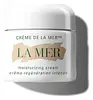
This moisturizer is formulated around Petrolatum and Copper Gluconate to hydrate skin.
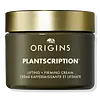
This anti-aging treatment is formulated around Niacinamide and Acetyl Hexapeptide-8 to soften the look of wrinkles.

What's inside
What's inside
 Key Ingredients
Benefits
Concerns
Ingredients Side-by-side
Algae Extract
Emollient

Paraffinum Liquidum
Emollient


Petrolatum
Emollient
Glycerin
Humectant

Isohexadecane
EmollientCera Microcristallina
Emulsion StabilisingLanolin Alcohol
Emollient
Citrus Aurantifolia Peel Extract
Cleansing
Sesamum Indicum Seed Oil
Emollient

Eucalyptus Globulus Leaf Oil
Perfuming

Sesamum Indicum Seed Powder
Skin ConditioningMedicago Sativa Seed Powder
Skin ConditioningHelianthus Annuus Seedcake
Abrasive
Prunus Amygdalus Dulcis Seed Meal
Abrasive
Sodium Gluconate
ChelatingCopper Gluconate
Skin Conditioning
Calcium Gluconate
HumectantMagnesium Gluconate
Skin ConditioningZinc Gluconate
Skin Conditioning



Magnesium Sulfate
Paraffin
Skin Conditioning
Tocopheryl Succinate
Antioxidant
Niacin
SmoothingWater
Skin ConditioningBeta-Carotene
Skin ConditioningDecyl Oleate
Emollient
Aluminum Distearate
Emulsion StabilisingOctyldodecanol
Emollient
Citric Acid
Buffering

Cyanocobalamin
Skin ConditioningMagnesium Stearate
Cosmetic ColorantPanthenol
Skin Conditioning

Zea Mays Oil
Emulsifying
Limonene
Perfuming
Geraniol
Perfuming
Linalool
Perfuming
Hydroxycitronellal
Perfuming
Citronellol
Perfuming
Benzyl Salicylate
Perfuming
Benzyl Benzoate
Antimicrobial
Sodium Benzoate
Masking
Alcohol Denat.
Antimicrobial

Parfum
Masking
Algae Extract, Paraffinum Liquidum, Petrolatum, Glycerin, Isohexadecane, Cera Microcristallina, Lanolin Alcohol, Citrus Aurantifolia Peel Extract, Sesamum Indicum Seed Oil, Eucalyptus Globulus Leaf Oil, Sesamum Indicum Seed Powder, Medicago Sativa Seed Powder, Helianthus Annuus Seedcake, Prunus Amygdalus Dulcis Seed Meal, Sodium Gluconate, Copper Gluconate, Calcium Gluconate, Magnesium Gluconate, Zinc Gluconate, Magnesium Sulfate, Paraffin, Tocopheryl Succinate, Niacin, Water, Beta-Carotene, Decyl Oleate, Aluminum Distearate, Octyldodecanol, Citric Acid, Cyanocobalamin, Magnesium Stearate, Panthenol, Zea Mays Oil, Limonene, Geraniol, Linalool, Hydroxycitronellal, Citronellol, Benzyl Salicylate, Benzyl Benzoate, Sodium Benzoate, Alcohol Denat., Parfum
Water
Skin ConditioningButylene Glycol
Humectant
Glycerin
Humectant
Caprylic/Capric Triglyceride
Masking
Simmondsia Chinensis Seed Oil
Emollient
Heptyl Undecylenate
EmollientJojoba Esters
Emollient
Niacinamide
Smoothing



Squalane
Emollient
Anogeissus Leiocarpa Bark Extract
Skin ConditioningHydrolyzed Rice Extract
Skin Conditioning
Acetyl Hexapeptide-8
Humectant
Palmitoyl Tripeptide-1
Skin Conditioning
Palmitoyl Tetrapeptide-7
Skin Conditioning
Acetyl Octapeptide-3
Humectant
Palmitoyl Hexapeptide-12
Skin Conditioning
Dipeptide Diaminobutyroyl Benzylamide Diacetate
Skin Conditioning
Sodium Hyaluronate
Humectant
Sigesbeckia Orientalis Extract
Skin ConditioningButyrospermum Parkii Butter
Skin Conditioning
Caffeine
Skin Conditioning
Trehalose
Humectant
Zingiber Officinale Root Extract
Masking
Pisum Sativum Extract
Skin ConditioningGlucosamine Hcl
Oryzanol
Skin ConditioningPhytosterols
Skin Conditioning
Tocotrienols
Skin Conditioning
Tocopherol
Antioxidant
Algae Extract
Emollient
Bambusa Vulgaris Extract
Skin Conditioning
Lecithin
Emollient
Ricinus Communis Seed Oil
Masking
Elaeis Guineensis Oil
Emollient
Tocopheryl Acetate
Antioxidant
Hydrogenated Lecithin
Emulsifying
Hydrogenated Castor Oil
Emollient
Sodium Stearoyl Lactylate
EmulsifyingBehenyl Alcohol
Emollient
Galactoarabinan
Squalene
Emollient
Ethylhexylglycerin
Skin ConditioningPolyglyceryl-10 Pentastearate
Skin Conditioning
Carbomer
Emulsion StabilisingPEG-8
HumectantPEG-100 Stearate
Surfactant
Polysorbate 20
Emulsifying
Sodium Acrylates Copolymer
Glyceryl Polymethacrylate
Caprylyl Glycol
Emollient
Sodium Hydroxide
BufferingHibiscus Abelmoschus Extract
MaskingIllicium Verum Fruit/Seed Oil
Masking
Citrus Aurantium Bergamia Fruit Oil
Masking
Pelargonium Graveolens Flower Oil
Masking
Lavandula Angustifolia Oil
Masking
Citrus Limon Peel Oil
Masking
Carthamus Tinctorius Seed Oil
Masking
Litsea Cubeba Fruit Oil
Masking
Citrus Nobilis Peel Oil
Masking
Myristica Fragrans Kernel Oil
Masking
Citrus Aurantium Dulcis Peel Oil
Masking
Rosa Damascena Flower Oil
Masking
Limonene
Perfuming
Linalool
Perfuming
Citronellol
Perfuming
Geraniol
Perfuming
Citral
Perfuming
Sodium Phytate
ChelatingPhenoxyethanol
Preservative
Potassium Sorbate
Preservative
CI 77891
Cosmetic ColorantWater, Butylene Glycol, Glycerin, Caprylic/Capric Triglyceride, Simmondsia Chinensis Seed Oil, Heptyl Undecylenate, Jojoba Esters, Niacinamide, Squalane, Anogeissus Leiocarpa Bark Extract, Hydrolyzed Rice Extract, Acetyl Hexapeptide-8, Palmitoyl Tripeptide-1, Palmitoyl Tetrapeptide-7, Acetyl Octapeptide-3, Palmitoyl Hexapeptide-12, Dipeptide Diaminobutyroyl Benzylamide Diacetate, Sodium Hyaluronate, Sigesbeckia Orientalis Extract, Butyrospermum Parkii Butter, Caffeine, Trehalose, Zingiber Officinale Root Extract, Pisum Sativum Extract, Glucosamine Hcl, Oryzanol, Phytosterols, Tocotrienols, Tocopherol, Algae Extract, Bambusa Vulgaris Extract, Lecithin, Ricinus Communis Seed Oil, Elaeis Guineensis Oil, Tocopheryl Acetate, Hydrogenated Lecithin, Hydrogenated Castor Oil, Sodium Stearoyl Lactylate, Behenyl Alcohol, Galactoarabinan, Squalene, Ethylhexylglycerin, Polyglyceryl-10 Pentastearate, Carbomer, PEG-8, PEG-100 Stearate, Polysorbate 20, Sodium Acrylates Copolymer, Glyceryl Polymethacrylate, Caprylyl Glycol, Sodium Hydroxide, Hibiscus Abelmoschus Extract, Illicium Verum Fruit/Seed Oil, Citrus Aurantium Bergamia Fruit Oil, Pelargonium Graveolens Flower Oil, Lavandula Angustifolia Oil, Citrus Limon Peel Oil, Carthamus Tinctorius Seed Oil, Litsea Cubeba Fruit Oil, Citrus Nobilis Peel Oil, Myristica Fragrans Kernel Oil, Citrus Aurantium Dulcis Peel Oil, Rosa Damascena Flower Oil, Limonene, Linalool, Citronellol, Geraniol, Citral, Sodium Phytate, Phenoxyethanol, Potassium Sorbate, CI 77891
Reviews
Ingredients Explained
These ingredients are found in both products.
Ingredients higher up in an ingredient list are typically present in a larger amount.
Algae Extract is one of the vaguest names on any label because it just means "extract of some alga" (and there are thousands of species and dozens of ways to extract them). This just means two products listing it can contain completely different things.
This ingredient name was actually officially retired in the INCI dictionary in 2015 and brands were pushed toward species-specific names instead (like Laminaria Digitata Extract or Chondrus Crispus Extract).
Generally, it is used to hold water and soften skin in a formula. Algae are rich in polysaccharides, pigments, and amino-acids that act as humectants, emollients, and skin-conditioning agents.
It isn't on standard cosmetic-patch test panels and "seaweed dermatitis" is actually an acute irritant reaction to algal toxins in seawater and not the cosmetic ingredient.
You'll see algae listed as a 5/5 on a lot of pore-clogging charts and that number doesn't come from anywhere; it's not in the original rabbit-ear studies that most comedogenic ratings trace back to.
The reasoning behind the reputation is that seaweed is high in iodine and iodine can trigger acne-like breakouts when eaten. This traces back to a 1976 letter in Archives of Dermatology describing two women whose breakouts cleared after they stopped taking high-dose kelp supplements orally.
And the reaction of these two women wasn't clogged pores at all: it was an iodine-triggered pustular rash. Later research found normal dietary iodine doesn't meaningfully affect acne either and nobody has shown topical algae delivers enough iodine to matter.
What we do have is dozens of brown and red algae ingredients found to be non-irritating and non-sensitizing, and a handful of studies that found algae compounds may actually help acne.
However, plenty of people do report breaking out from algae-containing products. Skin is individual and it's worth avoiding if yours has reacted to algae before.
Learn more about Algae ExtractCitronellol is a naturally occurring alcohol found in Rose and Geranium oils. In cosmetics, it functions purely as a fragrance ingredient.
The scent of this ingredient is described as "fresh, rosey, and citrusy".
Typical use levels are very low since the total fragrance load in a product is usually well under 1% and citronellol is only a small fraction of that.
The EU asks brands to name it on the label once it goes above 0.001% in leave-on products of 0.01% in rinse-off ones.
It is one of the EU's labeled fragrance allergens but real-world patch testing has shown it to be fairly weak and an infrequent allergen; positive reactions land around 0.1-0.9% of patients across recent European dermatitis clinic studies.
The bigger nuance is oxidation. Citronellol forms hydroperoxides when it reacts with air. These hydroperoxides are more sensitizing than the fresh ingredient, and patch test studies confirmed oxidized Citronellol causes more reactions than purified.
This means good packaging and freshness matter more than the molecule itself.
Fragrance can be irritating to very reactive or compromised skin, so people with sensitive skin may still prefer to skip it.
Learn more about CitronellolGeraniol is used to add fragrance/parfum to a product. It is the main component of citronellol. It is a monoterpenoid and an alcohol.
Monoterpenes are naturally found in many parts of different plants.
Geraniol can be found in many essential oils including Rose Oil and Citronella Oil. The scent of Geraniol is often described as "rose-like". Many foods also contain Geraniol for fruit flavoring.
Geraniol can irritate the skin when exposed to air. However, irritation depends on the ability of geraniol to penetrate into the skin. In general, geraniol is not able to penetrate skin easily.
Geraniol is colorless and has low water-solubility. However, it is soluble in common organic solvents.
Like citronellol, it is a natural insect repellent.
2,6-Octadien-1-ol, 3,7-dimethyl-, (2E)-
Learn more about GeraniolGlycerin (or glycerol) is a compound naturally found in your skin. It's a powerhouse humectant that pulls water into the stratum corneum.
Topically, glycerin does several things at once:
Your skin makes glycerin on its own (mostly from sebaceous oil breakdown) and shuttles it to your outermost layer of skin, or your epidermis, via aquaporin-3.
Aquaporin-3 is a transporter that is essential for normal skin hydration, elasticity, and repair. Interestingly, mice lacking in AQP3 have dry and less elastic skin that can be fully corrected with glycerin.
This ingredient is non-irritating, plays well with almost every ingredient, and works across all skin types. Typical use is anywhere between 3-10% but can go up to 79% in some leave-on products.
Just know very high concentrations (>40%) can feel tacky in low humidity.
Glycerin is the name for this ingredient in American English. British English uses Glycerol/Glycerine.
Learn more about GlycerinLimonene is the compound that gives citrus peel its smell.
In skincare, it shows up as a standalone fragrance ingredient or as a natural compound of citrus and other essential oils.
You'll typically see this ingredient used in very small amounts; anything above 0.001% in a leave-on product or 0.01% in a rinse-off has to be named on the label in the EU. The citrus oils that carry it sit around 0.5-1% in a finished formula.
Fresh limonene is a weak allergen; the real issue is that it slowly reacts with air and then breaks down from oxidation to create hydroperoxides (which are strong sensitizers). This is why suppliers are required to keep the peroxide value below 20 mmol.
Positive reactions in people being investigated for eczema vary:
It's worth skipping if you have a known fragrance allergy or a compromised barrier, but the risk is low for most people.
Older or long-opened products are also more likely to bother you than fresh ones due to oxidation.
Learn more about LimoneneLinalool is a small, naturally occurring scent molecule found in plants like lavender, coriander, bergamot, and more.
It is one of the two most-used fragrance ingredients in cosmetics and added purely for smell. Since it's not used for a skin benefit, there's no "effective dose". Concentration depends on the fragrance load of the product.
The EU requires it to be named on the label above 0.001% in leave-on and 0.01% in rinse-off products.
Fresh linalool is a weak sensitizer but air exposure turns some of it into hydroperoxides, which are strong sensitizers. Those oxidation products are the actual allergy concern.
Patch-test clinics see positive reactions to linalool hydroperoxides in about 4% to 12% of dermatitis patients depending on country and test concentration.
Resassuringly, one analytical study found hydroperoxide levels in real fragranced products to be orders of magnitude below what induced sensitization in animal studies with no evidence of oxidation building up during normal storage.
The practical takeaway is that linalool is fine for most people but worth avoiding if you have a confirmed fragrance contact allergy or a badly compromised barrier.
Products stored a long time after opening are also the high-risk scenario since that is when oxidation happens.
The scent of linalool is described as floral, spicy tropical, and citrus-like.
Learn more about LinaloolWater. It's the most common cosmetic ingredient of all. You'll usually see it at the top of ingredient lists, meaning that it makes up the largest part of the product.
So why is it so popular? Water most often acts as a solvent - this means that it helps dissolve other ingredients into the formulation.
You'll also recognize water as that liquid we all need to stay alive. If you see this, drink a glass of water. Remember to stay hydrated!
Learn more about Water

