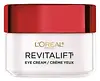
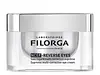
L'Oreal Revitalift Anti-Wrinkle and Firming Eye Cream Versus Filorga NCEF-Reverse Eyes Supreme Multi-Correction Eye Cream
This anti-aging eye moisturizer is formulated around Caffeine and Retinyl Palmitate to soften the look of wrinkles.

What's inside
What's inside
 Key Ingredients
Benefits
Concerns
Ingredients Side-by-side
Water
Skin ConditioningDimethicone
Emollient

Glycerin
Humectant

C12-15 Alkyl Benzoate
AntimicrobialShorea Robusta Seed Butter
Emollient

Stearic Acid
Cleansing
Palmitic Acid
Emollient

PEG-100 Stearate
Surfactant
Glyceryl Stearate
Emollient
PEG-20 Stearate
Emulsifying
Stearyl Alcohol
Emollient
Paraffin
Skin Conditioning
Glycine Soja Protein
EmulsifyingTriethanolamine
BufferingCaffeine
Skin Conditioning

Isohexadecane
EmollientPhenethyl Alcohol
MaskingHydrolyzed Soy Protein
Humectant
Acetyl Trifluoromethylphenyl Valylglycine
Skin ConditioningYeast Extract
Skin ConditioningPolysorbate 80
Emulsifying
Acrylamide/Sodium Acryloyldimethyltaurate Copolymer
Emulsion StabilisingAcrylates Copolymer
Cetyl Alcohol
Emollient
Retinyl Palmitate
Skin Conditioning


Potassium Sorbate
Preservative
Methylparaben
Preservative

Sodium Benzoate
Masking
Chlorhexidine Digluconate
Antimicrobial
Ethylparaben
Preservative
Phenoxyethanol
Preservative
Water, Dimethicone, Glycerin, C12-15 Alkyl Benzoate, Shorea Robusta Seed Butter, Stearic Acid, Palmitic Acid, PEG-100 Stearate, Glyceryl Stearate, PEG-20 Stearate, Stearyl Alcohol, Paraffin, Glycine Soja Protein, Triethanolamine, Caffeine, Isohexadecane, Phenethyl Alcohol, Hydrolyzed Soy Protein, Acetyl Trifluoromethylphenyl Valylglycine, Yeast Extract, Polysorbate 80, Acrylamide/Sodium Acryloyldimethyltaurate Copolymer, Acrylates Copolymer, Cetyl Alcohol, Retinyl Palmitate, Potassium Sorbate, Methylparaben, Sodium Benzoate, Chlorhexidine Digluconate, Ethylparaben, Phenoxyethanol
Water
Skin ConditioningGlycerin
Humectant
Propylene Glycol Dicaprylate/Dicaprate
EmollientButylene Glycol
Humectant
Sodium Polyacrylate
Absorbent
Sucrose Palmitate
Emollient1,2-Hexanediol
Skin Conditioning
Squalane
Emollient
Synthetic Fluorphlogopite
Albizia Julibrissin Bark Extract
MaskingSodium Chloride
MaskingGlyceryl Linoleate
Emollient
Carbomer
Emulsion StabilisingLecithin
Emollient
Sodium Polyacrylate Starch
AbsorbentTocopheryl Acetate
Antioxidant

Prunus Amygdalus Dulcis Oil
Skin Conditioning
Parfum
Masking

Escin
TonicSalicylic Acid
Masking





Hydroxyethyl Acrylate/Sodium Acryloyldimethyl Taurate Copolymer
Emulsion StabilisingEthylhexylglycerin
Skin ConditioningPentaerythrityl Tetraisostearate
Emollient
Sodium Hydroxide
BufferingCaffeine
Skin Conditioning
Isohexadecane
EmollientBeta-Sitosterol
Emulsion Stabilising
Glucose
Humectant
O-Cymen-5-Ol
Antimicrobial
Glycyrrhiza Glabra Root Extract
Bleaching
Magnesium Ascorbyl Phosphate
Antioxidant
Disodium EDTA
ChelatingPotassium Chloride
Polysorbate 60
Emulsifying
Benzyl Alcohol
Perfuming

Sodium Lactate
Buffering
Calcium Chloride
AstringentSodium Hyaluronate
Humectant
Citric Acid
Buffering
Potassium Sorbate
Preservative
Phenoxyethanol
Preservative
Polysorbate 20
Emulsifying
Magnesium Sulfate
Glutamine
Skin ConditioningSorbitan Isostearate
Emulsifying
Sodium Phosphate
BufferingAcacia Senegal Gum
MaskingPropylene Glycol Alginate
Ascorbic Acid
Antioxidant
Sodium Acetate
BufferingSodium Benzoate
Masking
Lysine Hcl
Skin Conditioning
Arginine Hcl
Skin ConditioningAlanine
Masking
Trihydroxystearin
Skin Conditioning
Histidine Hcl
Skin ConditioningValine
MaskingLeucine
Skin ConditioningThreonine
Undaria Pinnatifida Extract
Skin ConditioningIsoleucine
Skin ConditioningTryptophan
MaskingPhenylalanine
Masking
Tyrosine
MaskingSigesbeckia Orientalis Extract
Skin ConditioningGlycine
Buffering
Polysorbate 80
Emulsifying
Sodium Chondroitin Sulfate
Skin ConditioningSerine
Masking
Cystine
MaskingCyanocobalamin
Skin ConditioningGlutathione
Asparagine
MaskingAspartic Acid
Masking
Ornithine Hcl
Skin ConditioningAcetyl Tetrapeptide-5
Humectant
Glutamic Acid
Humectant
Nicotinamide Adenine Dinucleotide
Skin ConditioningAtelocollagen
Skin Conditioning
Proline
Skin Conditioning
Methionine
Skin ConditioningTaurine
BufferingHydroxyproline
Skin ConditioningGlucosamine Hcl
Tocopherol
Antioxidant
Coenzyme A
Skin ConditioningPalmitoyl Tripeptide-1
Skin Conditioning
Sodium Glucuronate
HumectantPalmitoyl Tetrapeptide-7
Skin Conditioning
Thiamine Diphosphate
Skin ConditioningRetinyl Acetate
Skin Conditioning
Inositol
Humectant
Niacin
SmoothingNiacinamide
Smoothing
Pyridoxine Hcl
Skin ConditioningBiotin
AntiseborrhoeicCalcium Pantothenate
Riboflavin
Cosmetic ColorantSodium Tocopheryl Phosphate
Antioxidant
Thiamine Hcl
MaskingFolic Acid
Skin ConditioningWater, Glycerin, Propylene Glycol Dicaprylate/Dicaprate, Butylene Glycol, Sodium Polyacrylate, Sucrose Palmitate, 1,2-Hexanediol, Squalane, Synthetic Fluorphlogopite, Albizia Julibrissin Bark Extract, Sodium Chloride, Glyceryl Linoleate, Carbomer, Lecithin, Sodium Polyacrylate Starch, Tocopheryl Acetate, Prunus Amygdalus Dulcis Oil, Parfum, Escin, Salicylic Acid, Hydroxyethyl Acrylate/Sodium Acryloyldimethyl Taurate Copolymer, Ethylhexylglycerin, Pentaerythrityl Tetraisostearate, Sodium Hydroxide, Caffeine, Isohexadecane, Beta-Sitosterol, Glucose, O-Cymen-5-Ol, Glycyrrhiza Glabra Root Extract, Magnesium Ascorbyl Phosphate, Disodium EDTA, Potassium Chloride, Polysorbate 60, Benzyl Alcohol, Sodium Lactate, Calcium Chloride, Sodium Hyaluronate, Citric Acid, Potassium Sorbate, Phenoxyethanol, Polysorbate 20, Magnesium Sulfate, Glutamine, Sorbitan Isostearate, Sodium Phosphate, Acacia Senegal Gum, Propylene Glycol Alginate, Ascorbic Acid, Sodium Acetate, Sodium Benzoate, Lysine Hcl, Arginine Hcl, Alanine, Trihydroxystearin, Histidine Hcl, Valine, Leucine, Threonine, Undaria Pinnatifida Extract, Isoleucine, Tryptophan, Phenylalanine, Tyrosine, Sigesbeckia Orientalis Extract, Glycine, Polysorbate 80, Sodium Chondroitin Sulfate, Serine, Cystine, Cyanocobalamin, Glutathione, Asparagine, Aspartic Acid, Ornithine Hcl, Acetyl Tetrapeptide-5, Glutamic Acid, Nicotinamide Adenine Dinucleotide, Atelocollagen, Proline, Methionine, Taurine, Hydroxyproline, Glucosamine Hcl, Tocopherol, Coenzyme A, Palmitoyl Tripeptide-1, Sodium Glucuronate, Palmitoyl Tetrapeptide-7, Thiamine Diphosphate, Retinyl Acetate, Inositol, Niacin, Niacinamide, Pyridoxine Hcl, Biotin, Calcium Pantothenate, Riboflavin, Sodium Tocopheryl Phosphate, Thiamine Hcl, Folic Acid
Reviews
Ingredients Explained
These ingredients are found in both products.
Ingredients higher up in an ingredient list are typically present in a larger amount.
Caffeine is a naturally occurring plant compound found in coffee beans, tea leaves, cocoa pods, and guarana.
As an antioxidant, caffeine protects your skin from free radical damage caused by UV exposure and envionrmnetal stressors.
Early research also shows that caffeine can help calm redness, soothe irritated skin, and support hair growth by stimulating microcirculation in the scalp.
You might have seen eye creams marketing caffeine as a depuffing ingredient. This is because it is a vasoconstrictor meaning it can temporarily constrict blood vessels, though clinical evidence for this specific use is still limited.
Most skincare products contain this ingredient at concentrations between 1-6%. It is able to penetrate skin easily regardless of skin type or thickness.
Just so you know, a very small number of case reports describe caffeine-induced allergy. This ingredient is generally well-tolerated, non-irritating, and non-sensitizing for the majority of people.
Learn more about CaffeineGlycerin (or glycerol) is a compound naturally found in your skin. It's a powerhouse humectant that pulls water into the stratum corneum.
Topically, glycerin does several things at once:
Your skin makes glycerin on its own (mostly from sebaceous oil breakdown) and shuttles it to your outermost layer of skin, or your epidermis, via aquaporin-3.
Aquaporin-3 is a transporter that is essential for normal skin hydration, elasticity, and repair. Interestingly, mice lacking in AQP3 have dry and less elastic skin that can be fully corrected with glycerin.
This ingredient is non-irritating, plays well with almost every ingredient, and works across all skin types. Typical use is anywhere between 3-10% but can go up to 79% in some leave-on products.
Just know very high concentrations (>40%) can feel tacky in low humidity.
Glycerin is the name for this ingredient in American English. British English uses Glycerol/Glycerine.
Learn more about GlycerinIsohexadecane is added to enhance texture, emulsify, and to help cleanse. It is an isoparrafin. It is a component of petrolatum.
Due to its large size, Isohexadecane is not absorbed by the skin. Instead, it sits on top and acts as an emollient. Emollients help keep your skin soft and smooth by trapping moisture within.
Isohexadecane is often used in products designed to help oily skin. It is lightweight and non-greasy while helping to moisturize. When mixed with silicones, it gives a product a silky feel.
Learn more about IsohexadecanePhenoxyethanol is one of the most widely used preservatives in skincare (and for good reason!).
It has a large spectrum of antimicrobial activity and especially effective bacteria, yeast, and mold while only having a weak effect on your skin's natural microbiome.
On a cellular level, it disrupts the cell membranes of microbes by poking holes that make the cell leak. This shuts down the chemical reactions the microbe needs to make energy so it can no longer survive.
Another perk of this ingredient is that it stays functional across a wide pH range (3-10).
You'll often see it paired with boosters like Ethylhexylglycerin; one study showed that a 1:9 ratio of Ethylhexylglycerin to Phenoxyethanol damages bacterial membranes as effectively as doubling the Phenoxyethanol concentration on its own.
Typical use concentrations range from 0.3-1% depending on the formula, and this ingredient is capped at 1% int the EU.
Safety-wise, the fear mongering does not hold up to the evidence. The EU's Scientific Committee on Consumer Safety and FDA consider it safe as a preservative at up to 1%, including for children of all ages.
Adverse systemic effects only showed up in animal studies at exposures roughly 200x higher than what people get from cosmetics. And despite its very widespread use, this ingredient is a rare sensitizer and allergic reactions are uncommon.
Learn more about PhenoxyethanolPolysorbate 80 is a synthetic surfactant and emulsifier derived from sorbitol and oleic acid.
It reduces the surface tension between oil and water phases to help them stay mixed and stable in a formulation. In other words, it prevents your formulas from separating into an oily mess.
The CIR Expert Panel has evaluated the scientific data and found this ingredient to be safe, non-irritating, and non-sensitizing at concentrations up to 5% (it's even approved by the FDA as an OTC eye drop ingredient).
Learn more about Polysorbate 80Potassium Sorbate is a preservative used to prevent yeast and mold in products. It is commonly found in both cosmetic and food products.
This ingredient comes from potassium salt derived from sorbic acid. Sorbic acid is a natural antibiotic and effective against fungus.
Both potassium sorbate and sorbic acid can be found in baked goods, cheeses, dried meats, dried fruit, ice cream, pickles, wine, yogurt, and more.
You'll often find this ingredient used with other preservatives.
Learn more about Potassium SorbateSodium Benzoate is a preservative. It's used in both cosmetic and food products to inhibit the growth of mold and bacteria. It is typically produced synthetically.
Both the US FDA and EU Health Committee have approved the use of sodium benzoate. In the US, levels of 0.1% (of the total product) are allowed.
Sodium benzoate works as a preservative by inhibiting the growth of bacteria inside of cells. It prevents the cell from fermenting a type of sugar using an enzyme called phosphofructokinase.
It is the salt of benzoic acid. Foods containing sodium benzoate include soda, salad dressings, condiments, fruit juices, wines, and snack foods.
Studies for using ascorbic acid and sodium benzoate in cosmetics are lacking, especially in skincare routines with multiple steps.
We always recommend speaking with a professional, such as a dermatologist, if you have any concerns.
Learn more about Sodium BenzoateWater. It's the most common cosmetic ingredient of all. You'll usually see it at the top of ingredient lists, meaning that it makes up the largest part of the product.
So why is it so popular? Water most often acts as a solvent - this means that it helps dissolve other ingredients into the formulation.
You'll also recognize water as that liquid we all need to stay alive. If you see this, drink a glass of water. Remember to stay hydrated!
Learn more about Water

