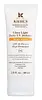
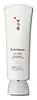
Kiehl's Ultra Light Daily UV Defense SPF 50+ Versus Sulwhasoo UV Wise Brightening Multi Protector SPF 50+


What's inside
What's inside
 Key Ingredients
Benefits
Concerns
Ingredients Side-by-side
Water
Skin ConditioningEthylhexyl Methoxycinnamate
UV Absorber


Dimethicone
Emollient

Glycerin
Humectant

Drometrizole Trisiloxane
UV Absorber
Terephthalylidene Dicamphor Sulfonic Acid
UV Absorber
Propylene Glycol
Humectant

Titanium Dioxide
Cosmetic Colorant
Alcohol Denat.
Antimicrobial

Triethanolamine
BufferingStearic Acid
Cleansing

Potassium Cetyl Phosphate
EmulsifyingNylon-12

Palmitic Acid
Emollient
PEG-100 Stearate
Glyceryl Stearate
Emollient
Phenoxyethanol
Preservative
Cetyl Alcohol
Emollient

Cellulose
Absorbent
Bis-Ethylhexyloxyphenol Methoxyphenyl Triazine
Skin Conditioning
Diethylamino Hydroxybenzoyl Hexyl Benzoate
UV Filter
Citric Acid
Buffering

Aluminum Hydroxide
EmollientCaprylyl Glycol
Emollient
Sodium Cocoyl Sarcosinate
Cleansing
Carbomer
Emulsion StabilisingTocopherol
Antioxidant




Tromethamine
BufferingScutellaria Baicalensis Extract
AntimicrobialAcrylamide/Sodium Acryloyldimethyltaurate Copolymer
Emulsion StabilisingIsohexadecane
EmollientXanthan Gum
EmulsifyingMyristic Acid
Cleansing
Disodium EDTA
Adenosine
Skin Conditioning
Polysorbate 80
Emulsifying
Arginine
Masking
Mannitol
Humectant
Disodium Adenosine Triphosphate
Skin ConditioningRna
Skin ConditioningPyridoxine Hcl
Skin ConditioningSorbitan Oleate
Emulsifying
Sorbitol
Humectant
Pentylene Glycol
Skin Conditioning
BHT
Antioxidant
Histidine Hcl
Skin ConditioningZea Mays Kernel Extract
Sodium Chloride
MaskingFaex Extract
Skin ConditioningPhenylalanine
Masking
Mentha Piperita Extract
CleansingRosa Gallica Flower Extract
AstringentTyrosine
MaskingSorbic Acid
Preservative
Water, Ethylhexyl Methoxycinnamate, Dimethicone, Glycerin, Drometrizole Trisiloxane, Terephthalylidene Dicamphor Sulfonic Acid, Propylene Glycol, Titanium Dioxide, Alcohol Denat., Triethanolamine, Stearic Acid, Potassium Cetyl Phosphate, Nylon-12, Palmitic Acid, PEG-100 Stearate, Glyceryl Stearate, Phenoxyethanol, Cetyl Alcohol, Cellulose, Bis-Ethylhexyloxyphenol Methoxyphenyl Triazine, Diethylamino Hydroxybenzoyl Hexyl Benzoate, Citric Acid, Aluminum Hydroxide, Caprylyl Glycol, Sodium Cocoyl Sarcosinate, Carbomer, Tocopherol, Tromethamine, Scutellaria Baicalensis Extract, Acrylamide/Sodium Acryloyldimethyltaurate Copolymer, Isohexadecane, Xanthan Gum, Myristic Acid, Disodium EDTA, Adenosine, Polysorbate 80, Arginine, Mannitol, Disodium Adenosine Triphosphate, Rna, Pyridoxine Hcl, Sorbitan Oleate, Sorbitol, Pentylene Glycol, BHT, Histidine Hcl, Zea Mays Kernel Extract, Sodium Chloride, Faex Extract, Phenylalanine, Mentha Piperita Extract, Rosa Gallica Flower Extract, Tyrosine, Sorbic Acid
Water
Skin ConditioningPropanediol
Solvent
Ethylhexyl Methoxycinnamate
UV Absorber
Ethylhexyl Salicylate
UV Absorber
C12-15 Alkyl Benzoate
AntimicrobialGlycerin
Humectant
Bis-Ethylhexyloxyphenol Methoxyphenyl Triazine
Skin Conditioning
Diethylamino Hydroxybenzoyl Hexyl Benzoate
UV Filter
Alcohol Denat.
Antimicrobial
Cyclopentasiloxane
Emollient
Diisopropyl Sebacate
EmollientCI 77891
Cosmetic ColorantCyclohexasiloxane
Emollient
Terephthalylidene Dicamphor Sulfonic Acid
UV Absorber
Cetearyl Alcohol
Emollient
1,2-Hexanediol
Skin Conditioning
Behenyl Alcohol
Emollient
Polysorbate 60
Emulsifying
Vinyl Dimethicone/Methicone Silsesquioxane Crosspolymer
Isostearic Acid
Cleansing
Potassium Cetyl Phosphate
EmulsifyingDimethicone
Emollient
Tromethamine
BufferingGlyceryl Stearate
Emollient
Butylene Glycol
Humectant
Acrylates/C10-30 Alkyl Acrylate Crosspolymer
Emulsion StabilisingXanthan Gum
EmulsifyingDimethicone/Polyglycerin-3 Crosspolymer
Cleansing
Polymethyl Methacrylate
Parfum
Masking

Limonene
Perfuming
C12-15 Alcohols
Emollient
Thymol Trimethoxycinnamate
Antioxidant
Aluminum Hydroxide
EmollientHydrogenated Lecithin
Emulsifying
Disodium EDTA
Ethylhexylglycerin
Skin ConditioningTriethoxycaprylylsilane
Scutellaria Baicalensis Root Extract
Astringent
Stearic Acid
Cleansing
Polyglyceryl-3 Methylglucose Distearate
Emulsifying
Palmitic Acid
Emollient
Linalool
Perfuming
CI 77491
Cosmetic ColorantMorus Alba Root Extract
BleachingPrunus Mume Fruit Extract
Humectant
Citronellol
Perfuming
Panax Ginseng Root Extract
Emollient
Dipropylene Glycol
HumectantBHT
Antioxidant
Citral
Perfuming
Geraniol
Perfuming
Benzyl Benzoate
Antimicrobial
Sodium Citrate
BufferingMyristic Acid
Cleansing
Lauric Acid
Cleansing
Tocopherol
Antioxidant
Morus Alba Fruit Extract
Antioxidant
Water, Propanediol, Ethylhexyl Methoxycinnamate, Ethylhexyl Salicylate, C12-15 Alkyl Benzoate, Glycerin, Bis-Ethylhexyloxyphenol Methoxyphenyl Triazine, Diethylamino Hydroxybenzoyl Hexyl Benzoate, Alcohol Denat., Cyclopentasiloxane, Diisopropyl Sebacate, CI 77891, Cyclohexasiloxane, Terephthalylidene Dicamphor Sulfonic Acid, Cetearyl Alcohol, 1,2-Hexanediol, Behenyl Alcohol, Polysorbate 60, Vinyl Dimethicone/Methicone Silsesquioxane Crosspolymer, Isostearic Acid, Potassium Cetyl Phosphate, Dimethicone, Tromethamine, Glyceryl Stearate, Butylene Glycol, Acrylates/C10-30 Alkyl Acrylate Crosspolymer, Xanthan Gum, Dimethicone/Polyglycerin-3 Crosspolymer, Polymethyl Methacrylate, Parfum, Limonene, C12-15 Alcohols, Thymol Trimethoxycinnamate, Aluminum Hydroxide, Hydrogenated Lecithin, Disodium EDTA, Ethylhexylglycerin, Triethoxycaprylylsilane, Scutellaria Baicalensis Root Extract, Stearic Acid, Polyglyceryl-3 Methylglucose Distearate, Palmitic Acid, Linalool, CI 77491, Morus Alba Root Extract, Prunus Mume Fruit Extract, Citronellol, Panax Ginseng Root Extract, Dipropylene Glycol, BHT, Citral, Geraniol, Benzyl Benzoate, Sodium Citrate, Myristic Acid, Lauric Acid, Tocopherol, Morus Alba Fruit Extract
Reviews
Ingredients Explained
These ingredients are found in both products.
Ingredients higher up in an ingredient list are typically present in a larger amount.
Alcohol Denat. is an alcohol with a denaturant property. It is created by mixing ethanol with other additives.
The "denat" part just means "denatured"; common denaturants include Denatonium Benzoate, t-butyl alcohol, and Diethyl Phthalate. This step makes the alcohol undrinkable (and lets brand skip taxes related to beverage alcohol).
This ingredient gets a bad rep because it is irritating and drying due to its astringent property. Astringents draw out natural oils in tissue to constrict pores and dry out your skin.
However, alcohol denat. is not all that bad.
Due to its low molecular weight, alcohol denat. tends to evaporate quickly. One study on pig skin found half of applied alcohol evaporated in 10 seconds and less than 3% stayed on skin.
This also helps other ingredients become better absorbed upon application.
Studies are conflicted about whether this ingredient causes skin dehydration. One study from 2005 found adding emollients to propanol-based sanitizer decreased skin dryness and irritation. Another study found irritation only occurs if your skin is already damaged.
Small amounts of alcohol are generally tolerated by oily skin or people who live in humid environments.
The rule of thumb is this ingredient will probably not affect your skin much if it is near the end of an ingredients list.
One thing to note:
People with ALDH2 (aldehyde dehydrogenase 2) deficiency may experience skin irritation from continued alcohol use. About 8% of the world's population have this deficiency.
The Cosmetic Ingredient Review Expert Panel has determined denatured alcohols to be safe for use in concentrations between 0.05% and 12% (depending on which denaturant is used).
Also...
This ingredient has antimicrobial and solvent properties.
The antimicrobial property helps preserve products and increase their shelf life. As a solvent, it helps dissolve other ingredients.
Look for formulas that contain glycerin, hyaluronic acid, or panthenol if you want to offset any drying effect.
This ingredient will trip away your skin's natural oils/lipids that help it lock in moisture. This can worsen dryness, trigger eczema flare-ups, and aggravate rosacea.
Be sure to patch test any product with this ingredient if you have dry or sensitive skin, eczema, or rosacea.
Learn more about Alcohol Denat.Aluminum Hydroxide is a form of aluminum. It can be naturally found in nature as the mineral gibbsite. In cosmetics, Aluminum Hydroxide is used as a colorant, pH adjuster, and absorbent.
As a colorant, Aluminum Hydroxide may add opacity, or reduce the transparency. Aluminum hydroxide is contains both basic and acidic properties.
According to manufacturers, this ingredient is an emollient and humectant. This means it helps hydrate the skin.
In medicine, this ingredient is used to help relieve heartburn and help heal ulcers.
There is currently no credible scientific evidence linking aluminum hydroxide in cosmetics to increased cancer risk.
Major health organizations allow the use of aluminum hydroxide in personal care products and have not flagged it as a carcinogenic risk at typical usage levels.
Learn more about Aluminum HydroxideBHT is a synthetic antioxidant and preservative.
As an antioxidant, it helps your body fight off free-radicals. Free-radicals are molecules that may damage your skin cells.
As a preservative, it is used to stabilize products and prevent them from degrading. Specifically, BHT prevents degradation from oxidation.
The concerns related to BHT come from oral studies; this ingredient is currently allowed for use by both the FDA and EU.
However, it was recently restricted for use in the UK as of April 2024.
Learn more about BHTYou might know this ingredient as Tinosorb S or Bemotrizinol. It is a UV filter that covers both UVA and UVB rays.
This ingredient has two peak UV absorption peaks ( 310 and 340 nm) and is able to absorb both UV-A and UV-B rays. This ingredient works by preventing UV rays from reaching and damaging your skin.
On top of that - it is highly photostable and helps prevent the photodegration of other sunscreen ingredients such as avobenzone.
Tinosorb S is allowed in the EU, Australia, and Asia. It is close to being approved by the FDA and we'll hopefully get this ingredient in the U.S. by late 2026.
Fun fact: Tinosorb S is the most effective UV absorber at maximum concentration (measured by SPF) permitted in the EU.
This ingredient is oil-soluble, so your oil-cleansers will take this right off at night.
Learn more about Bis-Ethylhexyloxyphenol Methoxyphenyl TriazineDiethylamino Hydroxybenzoyl Hexyl Benzoate (DHHB) is a chemical UV-A absorber. It is formulated for high UVA protection (320-400 nm).
DHHB is well-liked for:
DHHB has been approved by the EU, Japan, Taiwan, and South America for use up to 10%. Unfortunately, it has not been approved for use in the US or Canada due to slow regulatory processes.
This ingredient is soluble in oils, fats, and lipids.
Learn more about Diethylamino Hydroxybenzoyl Hexyl BenzoateDimethicone is a type of synthetic silicone created from natural materials such as quartz. It is also known as polydimethylsiloxane.
What it does:
Dimethicone comes in different viscosities:
Depending on the viscosity, dimethicone has different properties.
Ingredients lists don't always show which type is used, so we recommend reaching out to the brand if you have questions about the viscosity.
This ingredient is unlikely to cause irritation because it does not get absorbed into skin. However, people with silicone allergies should be careful about using this ingredient.
Note: Dimethicone may contribute to pilling. This is because it is not oil or water soluble, so pilling may occur when layered with products. When mixed with heavy oils in a formula, the outcome is also quite greasy.
Learn more about DimethiconeDisodium EDTA is a chelating agent. It grabs onto and deactivates metal ions that sneak into your products from water, packaging, or air.
This ingredient mainly works behind the scenes and helps with:
On top of that, this ingredient can counteract the effects of hard water by binding to the minerals in it.
One thing worth knowing is that Disodium EDTA has been shown to be a mild penetration enhancer. It can help other ingredients absorb into skin more effectively which can be a double-edged sword (great for actives, but can also make the active too strong if you have sensitive skin).
Clinical patch testing showed no significant skin irritation at typical use concentrations and minimal dermal absorption.
You'll most likely see this ingredient near the end of an ingredient list. It's typically found in concentrations less than 1%.
Learn more about Disodium EDTAEthylhexyl Methoxycinnamate is an organic compound that provides UVB protection. It often goes by the more common name of octinoxate. It is created from methoxycinnamic acid and 2-ethylhexanol.
Ethylhexyl Methoxycinnamate absorbs UVB rays with wavelengths between 280-320 nm. UV absorbers protect your skin by using chemical reactions to convert UV rays into heat and energy.
UVB (290-320 nm) rays emit more energy than UVA rays. They are capable of damaging DNA, causing sunburns and are thought to be linked to skin cancer.
The state of Hawaii has banned sunscreens containing octinoxate due to its potential impact on coral reefs. More research is needed to bridge gaps in this research. The European Union allows higher levels of octinoxate in sunscreens than the US and Australia.
Ethylhexyl Methoxycinnamate is oil soluble. It is not stable and may lose efficacy when exposed to sunlight.
Learn more about Ethylhexyl MethoxycinnamateGlycerin (or glycerol) is a compound naturally found in your skin. It's a powerhouse humectant that pulls water into the stratum corneum.
Topically, glycerin does several things at once:
Your skin makes glycerin on its own (mostly from sebaceous oil breakdown) and shuttles it to your outermost layer of skin, or your epidermis, via aquaporin-3.
Aquaporin-3 is a transporter that is essential for normal skin hydration, elasticity, and repair. Interestingly, mice lacking in AQP3 have dry and less elastic skin that can be fully corrected with glycerin.
This ingredient is non-irritating, plays well with almost every ingredient, and works across all skin types. Typical use is anywhere between 3-10% but can go up to 79% in some leave-on products.
Just know very high concentrations (>40%) can feel tacky in low humidity.
Glycerin is the name for this ingredient in American English. British English uses Glycerol/Glycerine.
Learn more about GlycerinGlyceryl Stearate is made by reacting glycerin with stearic acid (typically sourced from plant oils like palm or coconut). It's an emulsifier, emollient, and mild occlusive.
Emulsifiers help ingredients like oil and water stay mixed so your formula stays nicely blended and uniform in texture.
This ingredient is typically used in concentrations between 1-10%. Studies have found it to be non-sensitizing, non-phototoxic, and non-photoallergenic.
A close cousin of this ingredient is Glyceryl Stearate SE ("self-emulsifying"). This just has a small amount of sodium or potassium stearate added so it can emulsify without a co-emulsifier.
Since this ingredient is an ester of a C18 fatty acid, it may not be fungal acne safe. The Malassezia yeast can potentially metabolize within the C11-C24 range.
Fun fact: The human body also creates Glyceryl Stearate naturally.
Learn more about Glyceryl StearateMyristic Acid is a saturated fatty acid. It is naturally found in milk fat. Other sources include palm oil, coconut oil, and butter fat.
Myristic Acid is an emulsifer and cleanser. As an emulsifer, it stabilizes a product by preventing ingredients from separating. Myristic Acid helps clean your skin by acting as a surfactant. It tends to gather oil and dirt on your skin to be easily rinsed away.
One study from 2021 found Myristic Acid to have anti-inflammatory properties.
Learn more about Myristic AcidPalmitic Acid is a fatty acid naturally found in our skin and in many plant and animal sources.
In cosmetics, it is usually derived from palm oil. It serves many purposes in skincare, acting as a cleanser, emollient, and emulsifier.
Interestingly, topically applied Palmitic Acid can be elongated into longer chain fatty acids and ceramides. A 2019 study found low levels of Palmitic Acid lead to slower development of cells, suggesting it plays a role in keeping your skin's renewal process on track.
The CIR (Cosmetic Ingredient Review) panel determined it safe as used in cosmetics at concentrations up to 13%. It is non-irritating and non-sensitizing in clinical studies.
The culprit behind fungal acne, the Malassezia yeast, feeds on fatty acids with carbon chain lengths between C11-C24. Palmitic Acid, at C16, falls right into that sweet spot.
In vitro studies have shown that Palmitic Acid is one of the fatty acids that induce rapid Malassezia growth in lab settings.
It's worth noting that what feeds yeast in a lab doesn't necessarily feed it on your face since formulation and your skin's chemistry play a bigger role.
Learn more about Palmitic AcidPotassium Cetyl Phosphate is the potassium salt of a mixture. This mixture consists of the esters from phosphoricacid and cetyl alcohol.
Potassium Cetyl Phosphate is an emulsifier and cleansing agent. Emulsifiers help stabilize a product. It does this by preventing certain ingredients from separating.
As a cleansing agent, Potassium Cetyl Phosphate helps gather oils, dirts, and pollutants from your skin. This makes it easier to rinse them away with water.
Learn more about Potassium Cetyl PhosphateStearic Acid is a fatty acid that is already found in your skin. It's one of the free fatty acids that works alongside ceramides and cholesterols to maintain your barrier.
In cosmetics, it is a multitasker:
Safety-wise, the CIR Expert Panel has concluded it to be safe in cosmetics when formulated to be non-irritating and non-sensitizing.
Free stearic acid is a C18 fatty acid that the Malassezia yeast can substrate, so this ingredient may not be fungal acne safe.
Learn more about Stearic AcidEcamsule is a UV-A absorber (290–400 nm) patented by L'Oreal. It is derived from benzylidene camphor, making it highly photostable.
Ecamsule is able to prevent UV from reaching the skin. It absorbs UV and releases it as thermal energy.
It does this by:
The pH of ecamsule needs to be neutralized due to it being an acid. Triethanolamine is a pH adjusting ingredient often used with ecamsule.
This sunscreen ingredient is approved for use in the EU, Canada, and Asia. In the US, you will only find this ingredient in select L'Oreal products.
Learn more about Terephthalylidene Dicamphor Sulfonic AcidTocopherol is a fat-soluble antioxidant known as Vitamin E.
You'll find this ingredient in the vast majority of skincare (for good reason). It works to neutralize free radicals, or unstable molecules generated by UV exposure, pollution, and other environmental stressors, before they can cause oxidative damage to your skin cells.
Topically applied tocopherol has been shown to protect against UV damage by ramping up the skin's own natural defense enzymes.
It also acts as a skin conditioning agent; some studies show that regular topical use can improve the skin's water-binding capacity over 2-4 weeks.
This ingredient is especially loved for being a team player. When combined with Vitamin C, the photoprotective effect of both ingredients roughly doubles and the combo also helps reduce UV-induced DNA damage.
This ingredient has some brightening potential but it's more of a prevention ingredient than spot-fader. Cell studies show it can slow down melanin production but it's worth noting that it's not the most powerful brightener out there.
In formulations, it also serves as a stabilizer that helps protect other oxidation-prone ingredients from degrading.
Concentrations usually range from 0.1-1% in most leave-on products.
Learn more about TocopherolTromethamine helps balance the pH and improve the texture of a product. It is synthetically created.
As an emulsifier, Tromethamine prevents oil and water ingredients from separating. This helps stabilize the product and elongate a product's shelf life. Tromethamine also makes a product thicker.
Tromethamine helps balance the pH level of a product. Normal pH level of skin is slightly acidic (~4.75-5.5). The acidity of our skin is maintained by our glands and skin biome. Being slightly acidic allows our skin to create an "acid mantle". This acid mantle is a thin barrier that protects our skin from bacteria and contaminants.
Oral Tromethanmine is an anti-inflammatory drug but plays the role of masking, adding fragrance, and/or balancing pH in skincare.
1,3-Propanediol, 2-amino-2-(hydroxymethyl)-
Learn more about TromethamineWater. It's the most common cosmetic ingredient of all. You'll usually see it at the top of ingredient lists, meaning that it makes up the largest part of the product.
So why is it so popular? Water most often acts as a solvent - this means that it helps dissolve other ingredients into the formulation.
You'll also recognize water as that liquid we all need to stay alive. If you see this, drink a glass of water. Remember to stay hydrated!
Learn more about WaterXanthan gum is used as a stabilizer and thickener within cosmetic products. It helps give products a sticky, thick feeling - preventing them from being too runny.
On the technical side of things, xanthan gum is a polysaccharide - a combination consisting of multiple sugar molecules bonded together.
Xanthan gum is a pretty common and great ingredient. It is a natural, non-toxic, non-irritating ingredient that is also commonly used in food products.
Learn more about Xanthan Gum
