
What's inside
What's inside
 Key Ingredients
Benefits
Concerns
No concerns
Ingredients Side-by-side
Water
Skin ConditioningGlycerin
Humectant


Hippophae Rhamnoides Fruit Extract
Skin Conditioning

1,2-Hexanediol
Skin Conditioning
Niacinamide
Smoothing







Butylene Glycol
Humectant
Propolis Extract
Skin Conditioning
Sodium Hyaluronate
Humectant
Glycosyl Trehalose
Emulsion StabilisingHydrogenated Starch Hydrolysate
HumectantDipropylene Glycol
HumectantCentella Asiatica Extract
Cleansing
Polygonum Cuspidatum Root Extract
Antioxidant
Scutellaria Baicalensis Root Extract
Astringent
Camellia Sinensis Leaf Extract
Antimicrobial
Chamomilla Recutita Flower Extract
Masking
Rosmarinus Officinalis Leaf Extract
AntimicrobialSaccharomyces/Viscum Album Ferment Extract
Skin Conditioning
Lactobacillus/Soybean Ferment Extract
Skin ConditioningSaccharomyces/Imperata Cylindrica Root Ferment Extract
Emollient
Punica Granatum Fruit Extract
Antioxidant
Ficus Carica Fruit Extract
Humectant
Morus Alba Fruit Extract
Antioxidant
Ginkgo Biloba Nut Extract
Skin ConditioningHydroxyethylcellulose
Emulsion StabilisingCarbomer
Emulsion StabilisingArginine
Masking
Dipotassium Glycyrrhizate
Humectant
Allantoin
Skin Conditioning
Adenosine
Skin Conditioning
Citrus Aurantium Bergamia Fruit Oil
Masking


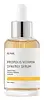
Water, Glycerin, Hippophae Rhamnoides Fruit Extract, 1,2-Hexanediol, Niacinamide, Butylene Glycol, Propolis Extract, Sodium Hyaluronate, Glycosyl Trehalose, Hydrogenated Starch Hydrolysate, Dipropylene Glycol, Centella Asiatica Extract, Polygonum Cuspidatum Root Extract, Scutellaria Baicalensis Root Extract, Camellia Sinensis Leaf Extract, Chamomilla Recutita Flower Extract, Rosmarinus Officinalis Leaf Extract, Saccharomyces/Viscum Album Ferment Extract, Lactobacillus/Soybean Ferment Extract, Saccharomyces/Imperata Cylindrica Root Ferment Extract, Punica Granatum Fruit Extract, Ficus Carica Fruit Extract, Morus Alba Fruit Extract, Ginkgo Biloba Nut Extract, Hydroxyethylcellulose, Carbomer, Arginine, Dipotassium Glycyrrhizate, Allantoin, Adenosine, Citrus Aurantium Bergamia Fruit Oil
Water
Skin ConditioningCentella Asiatica Extract 77%
Cleansing
Cetyl Ethylhexanoate
EmollientCaprylic/Capric Triglyceride
Masking
Glycerin
Humectant
Olea Europaea Fruit Oil
Masking
Propanediol
Solvent
Alcohol
Antimicrobial




Butylene Glycol
Humectant
1,2-Hexanediol
Skin Conditioning
Niacinamide
Smoothing
Melaleuca Alternifolia Leaf Water
AntimicrobialCamellia Sinensis Leaf Extract
Antimicrobial
Scutellaria Baicalensis Root Extract
Astringent
Polygonum Cuspidatum Root Extract
Antioxidant
Glycyrrhiza Glabra Root Extract
Bleaching
Chamomilla Recutita Flower Extract
Masking
Rosmarinus Officinalis Leaf Extract
AntimicrobialSodium Lactate
Buffering
Sodium PCA
Humectant
Citric Acid
Buffering
Lactic Acid
Buffering
Malic Acid
Buffering
Glycolic Acid
Buffering
Pyruvic Acid
MaskingTartaric Acid
Buffering
Gaultheria Procumbens Leaf Extract
Perfuming
Lactobionic Acid
Buffering
Pentylene Glycol
Skin Conditioning
Vaccinium Macrocarpon Fruit Extract
AstringentLavandula Angustifolia Extract
Skin Conditioning
Ocimum Basilicum Leaf Extract
Skin ConditioningSyringa Vulgaris Extract
Skin ConditioningHouttuynia Cordata Extract
Skin Conditioning
Angelica Keiskei Extract
Antioxidant
Althaea Officinalis Root Extract
Skin Conditioning
Rosmarinus Officinalis Extract
AntimicrobialMadecassoside
Antioxidant
Camellia Oleifera Seed Oil
Skin Conditioning
Oryza Sativa Bran Oil
Emollient
Camellia Sinensis Seed Oil
Humectant
Rosa Canina Fruit Oil
Emollient
Prunus Amygdalus Dulcis Oil
Skin Conditioning
Limnanthes Alba Seed Oil
Skin Conditioning
Sodium Chloride
MaskingCitrus Paradisi Peel Oil
Masking
Citrus Aurantium Dulcis Peel Oil
Masking
Curcuma Longa Root Extract
Masking
Melia Azadirachta Leaf Extract
Skin ConditioningMelia Azadirachta Flower Extract
Skin ConditioningXanthan Gum
EmulsifyingPelargonium Graveolens Flower Oil
Masking
Boswellia Carterii Oil
Masking
Melia Azadirachta Bark Extract
AntimicrobialPearl Powder
Amyris Balsamifera Bark Oil
Masking
Moringa Oleifera Seed Oil
Emollient
Ocimum Sanctum Leaf Extract
Skin ConditioningOcimum Basilicum Flower/Leaf Extract
TonicDisodium EDTA
Caprylyl Glycol
Emollient
Ethylhexylglycerin
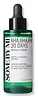
Skin ConditioningWater, Centella Asiatica Extract 77%, Cetyl Ethylhexanoate, Caprylic/Capric Triglyceride, Glycerin, Olea Europaea Fruit Oil, Propanediol, Alcohol, Butylene Glycol, 1,2-Hexanediol, Niacinamide, Melaleuca Alternifolia Leaf Water, Camellia Sinensis Leaf Extract, Scutellaria Baicalensis Root Extract, Polygonum Cuspidatum Root Extract, Glycyrrhiza Glabra Root Extract, Chamomilla Recutita Flower Extract, Rosmarinus Officinalis Leaf Extract, Sodium Lactate, Sodium PCA, Citric Acid, Lactic Acid, Malic Acid, Glycolic Acid, Pyruvic Acid, Tartaric Acid, Gaultheria Procumbens Leaf Extract, Lactobionic Acid, Pentylene Glycol, Vaccinium Macrocarpon Fruit Extract, Lavandula Angustifolia Extract, Ocimum Basilicum Leaf Extract, Syringa Vulgaris Extract, Houttuynia Cordata Extract, Angelica Keiskei Extract, Althaea Officinalis Root Extract, Rosmarinus Officinalis Extract, Madecassoside, Camellia Oleifera Seed Oil, Oryza Sativa Bran Oil, Camellia Sinensis Seed Oil, Rosa Canina Fruit Oil, Prunus Amygdalus Dulcis Oil, Limnanthes Alba Seed Oil, Sodium Chloride, Citrus Paradisi Peel Oil, Citrus Aurantium Dulcis Peel Oil, Curcuma Longa Root Extract, Melia Azadirachta Leaf Extract, Melia Azadirachta Flower Extract, Xanthan Gum, Pelargonium Graveolens Flower Oil, Boswellia Carterii Oil, Melia Azadirachta Bark Extract, Pearl Powder, Amyris Balsamifera Bark Oil, Moringa Oleifera Seed Oil, Ocimum Sanctum Leaf Extract, Ocimum Basilicum Flower/Leaf Extract, Disodium EDTA, Caprylyl Glycol, Ethylhexylglycerin
Reviews
Ingredients Explained
These ingredients are found in both products.
Ingredients higher up in an ingredient list are typically present in a larger amount.
1,2-Hexanediol is a synthetic liquid and another multi-functional powerhouse.
It is a:
- Humectant, drawing moisture into the skin
- Emollient, helping to soften skin
- Solvent, dispersing and stabilizing formulas
- Preservative booster, enhancing the antimicrobial activity of other preservatives
Butylene Glycol (or BG) is used within cosmetic products for a few different reasons:
Overall, Butylene Glycol is a safe and well-rounded ingredient that works well with other ingredients.
Though this ingredient works well with most skin types, some people with sensitive skin may experience a reaction such as allergic rashes, closed comedones, or itchiness.
Learn more about Butylene GlycolCamellia Sinensis Leaf Extract (tea extract) is one of the most well-researched plant extracts in skincare with an impressive resume.
Black tea, green tea, and oolong tea are all harvested from the Camellia Sinensis plant.
Studies show green tea extract and its catechins (like epigallocatechin gallate (EGCG)) help your skin cells product energy more efficiently and reducing the number of free-radicals that can damage your skin from the inside.
In lab-grown skin models, this translated to younger, healthier, and stronger skin.
There's also good sun protection data; researchers saw less DNA damage and redness on human skin when green tea was applied before UVB exposure. And the more they applied, the better the protection.
Needless to say, this ingredient shouldn't replace your sunscreen. But it is a great supportive ingredient that you can already find in many sunscreens and antioxidant serums.
A 2009 study found a 2% green tea lotion was effective for mild-to-moderate acne thanks to its anti-inflammatory and mild antimicrobial activity.
The quality of the extract matters a lot here:
Good extracts contain 50-90% catechins while lower quality ones are mostly there for marketing. We recommend reaching out to the brand if you have questions about the quality or source of their ingredients.
Human Repeated Insult Patch Testing showed no irritation or sensitization at use concentrations (0.86% in leave-on products and up to 30% as leaf water).
Learn more about Camellia Sinensis Leaf ExtractCentella Asiatica Extract (Centella) is derived from an herb native to Southeast Asia. It is famous for its anti-inflammatory and soothing properties.
Centella is rich in antioxidants and amino acids, such as Madecassic Acid and Asiaticoside.
Studies show the compounds in centella help with:
The combination of all these properties makes centella effective at soothing, hydrating, and protecting the skin.
Other great components of centella include Vitamin A, vitamin C, several B vitamins, and Asiatic Acid.
Fun fact: Centella has been used as a medicine and in food for many centuries. As a medicine, it is used to treat burns, scratches, and wounds.
Learn more about Centella Asiatica ExtractChamomilla Recutita Flower Extract comes from the Chamomile flower.
Chamomile is rich in antioxidants and has anti-inflammatory properties. Several compounds found in chamomile help with soothing, such as bisbolol.
Antioxidant components in chamomile make it an effective ingredient to help slow the signs of aging. Antioxidants help fight free-radical molecules, or molecules that may damage your skin.
Essential oils from chamomile have been found to improve wound healing due to its antimicrobial properties.
Ancient Greeks and Egyptians used Chamomile to treat skin redness and dryness. Chamomile has also been used to help treat stomach issues.
Learn more about Chamomilla Recutita Flower ExtractGlycerin (or glycerol) is a compound naturally found in your skin. It's a powerhouse humectant that pulls water into the stratum corneum.
Topically, glycerin does several things at once:
Your skin makes glycerin on its own (mostly from sebaceous oil breakdown) and shuttles it to your outermost layer of skin, or your epidermis, via aquaporin-3.
Aquaporin-3 is a transporter that is essential for normal skin hydration, elasticity, and repair. Interestingly, mice lacking in AQP3 have dry and less elastic skin that can be fully corrected with glycerin.
This ingredient is non-irritating, plays well with almost every ingredient, and works across all skin types. Typical use is anywhere between 3-10% but can go up to 79% in some leave-on products.
Just know very high concentrations (>40%) can feel tacky in low humidity.
Glycerin is the name for this ingredient in American English. British English uses Glycerol/Glycerine.
Learn more about GlycerinNiacinamide is a multitasking form of vitamin B3 that strengthens the skin barrier, reduces pores and dark spots, regulates oil, and improves signs of aging.
And the best part? It's gentle and well-tolerated by most skin types, including sensitive and reactive skin.
You might have heard of "niacin flush", or the reddening of skin that causes itchiness. Niacinamide has not been found to cause this.
In very rare cases, some individuals may not be able to tolerate niacinamide at all or experience an allergic reaction to it.
If you are experiencing flaking, irritation, and dryness with this ingredient, be sure to double check all your products as this ingredient can be found in all categories of skincare.
When incorporating niacinamide into your routine, look out for concentration amounts. Typically, 5% niacinamide provides benefits such as fading dark spots. However, if you have sensitive skin, it is better to begin with a smaller concentration.
When you apply niacinamide to your skin, your body converts it into nicotinamide adenine dinucleotide (NAD). NAD is an essential coenzyme that is already found in your cells as "fuel" and powers countless biological processes.
In your skin, NAD helps repair cell damage, produce new healthy cells, support collagen production, strengthen the skin barrier, and fight environmental stressors (like UV and pollution).
Our natural NAD levels start to decline with age, leading to slower skin repair, visible aging, and a weaker skin barrier. By providing your skin niacinamide, you're recharging your skin's NAD levels. This leads to stronger, healthier, and younger looking skin.
Another name for vitamin B3 is nicotinamide. This vitamin is water-soluble and our bodies don't store it. We obtain Vitamin B3 from either food or skincare. Meat, fish, wheat, yeast, and leafy greens contain vitamin B3.
The type of niacinamide used in skincare is synthetically created.
Learn more about NiacinamidePolygonum Cuspidatum Root Extract comes from the Japanese Knotweed plant native to Japan, Korea, and China.
This plant contains anti-inflammatory and antioxidant properties. It contains high amounts of resveratrol, a potent antioxidant.
The root of the plant has been used in traditional folk medicine throughout Asia.
Learn more about Polygonum Cuspidatum Root ExtractThis is a botanical extract from the rosemary plant (the same one you cook with). In skincare, it mostly works as a skin conditioning agent.
Its activity comes from a handful of polyphenols, carnosic acid, carnosol, and rosmarinic acid. Almost 90% of the antioxidant activity of this ingredient can be attributed to canosol and carnosic acid.
These compounds protect your skin two ways:
1) They fight off free radicals, or the unstable molecules from things like sun and pollution that age and damage skin.
2) They help calm inflammation by switching off the chemical signals that tell skin to get red and irritated.
Lab studies also suggest that rosmarinic acid may help protect collagen and slow sugar-related damage to it.
The Cosmetic Ingredient Review has concluded rosemary-derived ingredients to be safe when formulated to be non-sensitizing.
Rosemary can occasionally cause allergic contact dermatitis (due to carnosol), so be sure to patch test if you have reactive or fragrance-sensitive skin.
Learn more about Rosmarinus Officinalis Leaf ExtractScutellaria Baicalensis Root Extract comes from the Baikal skullcap or Chinese skullcap plant. This plant is native to Northeast Asia and can be found in China, Mongolia, Korea, and Siberia.
In cosmetics, Scutellaria Baicalensis Root Extract provides antioxidant and anti-inflammatory benefits. This is due to the flavonoid composition of Scutellaria Baicalensis Root Extract.
In Chinese traditional folk medicine, Scutellaria Baicalensis Root Extract is used to help treat lung issues and hypertension.
Learn more about Scutellaria Baicalensis Root ExtractWater. It's the most common cosmetic ingredient of all. You'll usually see it at the top of ingredient lists, meaning that it makes up the largest part of the product.
So why is it so popular? Water most often acts as a solvent - this means that it helps dissolve other ingredients into the formulation.
You'll also recognize water as that liquid we all need to stay alive. If you see this, drink a glass of water. Remember to stay hydrated!
Learn more about Water
