

What's inside
What's inside
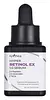 Key Ingredients
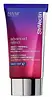
Benefits
Concerns
Ingredients Side-by-side
Water
Skin ConditioningButylene Glycol
Humectant

Glycerin
Humectant
Niacinamide
Smoothing









Dibutyl Adipate
EmollientCaprylic/Capric Triglyceride
Masking
Bakuchiol 0.6%
Antimicrobial

Ammonium Acryloyldimethyltaurate/Vp Copolymer
1,2-Hexanediol
Skin Conditioning
Hydrogenated Lecithin
Emulsifying
Betaine
Humectant
Hydroxyacetophenone
Antioxidant
Retinyl Palmitate 0.3%
Skin Conditioning

Sodium Stearoyl Glutamate
CleansingTocopherol
Antioxidant
Retinol 0.1%
Skin Conditioning
Allantoin
Skin Conditioning
Panthenol
Skin Conditioning
Polysorbate 20
Emulsifying
Adenosine
Skin Conditioning
Cetearyl Alcohol
Emollient


Disodium EDTA
Stearic Acid
Cleansing
Dipropylene Glycol
HumectantHydroxypropyl Cyclodextrin
MaskingPolydextrose
HumectantCeramide NP
Skin Conditioning
Asiaticoside
Antioxidant
Madecassic Acid
Skin Conditioning
Asiatic Acid
Skin Conditioning
Ceramide Ns
Skin Conditioning
Cholesterol
Emollient
Phytosphingosine
Skin Conditioning
Ferulic Acid
Antimicrobial
Ceramide As
Skin Conditioning
Ceramide AP
Skin Conditioning
Copper Tripeptide-1
Skin Conditioning
Acetyl Hexapeptide-8
Humectant
Palmitoyl Pentapeptide-4
Skin Conditioning
Palmitoyl Tetrapeptide-7
Skin Conditioning
Palmitoyl Tripeptide-1
Skin Conditioning
Ceramide EOP
Skin Conditioning
Water, Butylene Glycol, Glycerin, Niacinamide, Dibutyl Adipate, Caprylic/Capric Triglyceride, Bakuchiol 0.6%, Ammonium Acryloyldimethyltaurate/Vp Copolymer, 1,2-Hexanediol, Hydrogenated Lecithin, Betaine, Hydroxyacetophenone, Retinyl Palmitate 0.3%, Sodium Stearoyl Glutamate, Tocopherol, Retinol 0.1%, Allantoin, Panthenol, Polysorbate 20, Adenosine, Cetearyl Alcohol, Disodium EDTA, Stearic Acid, Dipropylene Glycol, Hydroxypropyl Cyclodextrin, Polydextrose, Ceramide NP, Asiaticoside, Madecassic Acid, Asiatic Acid, Ceramide Ns, Cholesterol, Phytosphingosine, Ferulic Acid, Ceramide As, Ceramide AP, Copper Tripeptide-1, Acetyl Hexapeptide-8, Palmitoyl Pentapeptide-4, Palmitoyl Tetrapeptide-7, Palmitoyl Tripeptide-1, Ceramide EOP
Water
Skin ConditioningTrimethylolpropane Tricaprylate/Tricaprate
EmollientCaprylic/Capric/Myristic/Stearic Triglyceride
EmollientCaprylic/Capric Triglyceride
Masking
Glycerin
Humectant
Myristyl Nicotinate
Skin ConditioningDimethicone
Emollient
Cetearyl Alcohol
Emollient
Bis-Stearyl Dimethicone
Emollient
Pentaerythrityl Distearate
Emulsifying
Aloe Barbadensis Leaf Juice
Skin Conditioning
Isosorbide Dicaprylate
Skin ConditioningHydrogenated Ethylhexyl Olivate
EmollientGlyceryl Stearate
Emollient
Stearoxymethicone/Dimethicone Copolymer
Emollient
Cetyl Palmitate
Emollient
1,2-Hexanediol
Skin Conditioning
Retinal
Skin Conditioning
Retinol
Skin Conditioning
Bidens Pilosa Extract
HumectantAcetyl Hexapeptide-8
Humectant
Beta-Glucan
Skin Conditioning
Avena Sativa Kernel Extract
Abrasive
Oryza Sativa Bran Extract
Skin Conditioning
Glycine Soja Seed Extract
Skin Conditioning
Astrocaryum Murumuru Seed Butter
Emollient
Gossypium Herbaceum Seed Oil
Skin Conditioning
Butyrospermum Parkii Butter
Skin Conditioning
Helianthus Annuus Extract
Emollient
Hydrogenated Olive Oil Unsaponifiables
Emollient
Linum Usitatissimum Seed Oil
Perfuming
Rosmarinus Officinalis Leaf Extract
AntimicrobialBacillus/Sea Salt Ferment Filtrate
Skin ConditioningSalix Alba Bark Extract
Astringent
Adenosine
Skin Conditioning
Sodium Hyaluronate
Humectant
Zingiber Officinale Root Extract
Masking
Hydroxyethyl Acrylate/Sodium Acryloyldimethyl Taurate Copolymer
Emulsion StabilisingCeteareth-20
CleansingBisabolol
Antioxidant
Polysorbate 20
Emulsifying
Isohexadecane
EmollientLactic Acid
Buffering

Methyl Methacrylate/Glycol Dimethacrylate Crosspolymer
Ascorbic Acid
Antioxidant
Propyl Gallate
Antioxidant
PEG-40 Stearate
Emulsifying
Polysilicone-11
Sorbitan Isostearate
Emulsifying
Polysorbate 60
Emulsifying
Tocopherol
Antioxidant
Caprylyl Glycol
Emollient
Tocopheryl Acetate
Antioxidant
Pentylene Glycol
Skin Conditioning
Ethylhexylglycerin
Skin ConditioningXanthan Gum
EmulsifyingResveratrol
Antioxidant
Disodium EDTA
Aminomethyl Propanol
BufferingParfum
Masking
BHT
Antioxidant
Phenoxyethanol
Preservative
Potassium Sorbate
Preservative
Phenethyl Alcohol
MaskingCitric Acid
Buffering
Water, Trimethylolpropane Tricaprylate/Tricaprate, Caprylic/Capric/Myristic/Stearic Triglyceride, Caprylic/Capric Triglyceride, Glycerin, Myristyl Nicotinate, Dimethicone, Cetearyl Alcohol, Bis-Stearyl Dimethicone, Pentaerythrityl Distearate, Aloe Barbadensis Leaf Juice, Isosorbide Dicaprylate, Hydrogenated Ethylhexyl Olivate, Glyceryl Stearate, Stearoxymethicone/Dimethicone Copolymer, Cetyl Palmitate, 1,2-Hexanediol, Retinal, Retinol, Bidens Pilosa Extract, Acetyl Hexapeptide-8, Beta-Glucan, Avena Sativa Kernel Extract, Oryza Sativa Bran Extract, Glycine Soja Seed Extract, Astrocaryum Murumuru Seed Butter, Gossypium Herbaceum Seed Oil, Butyrospermum Parkii Butter, Helianthus Annuus Extract, Hydrogenated Olive Oil Unsaponifiables, Linum Usitatissimum Seed Oil, Rosmarinus Officinalis Leaf Extract, Bacillus/Sea Salt Ferment Filtrate, Salix Alba Bark Extract, Adenosine, Sodium Hyaluronate, Zingiber Officinale Root Extract, Hydroxyethyl Acrylate/Sodium Acryloyldimethyl Taurate Copolymer, Ceteareth-20, Bisabolol, Polysorbate 20, Isohexadecane, Lactic Acid, Methyl Methacrylate/Glycol Dimethacrylate Crosspolymer, Ascorbic Acid, Propyl Gallate, PEG-40 Stearate, Polysilicone-11, Sorbitan Isostearate, Polysorbate 60, Tocopherol, Caprylyl Glycol, Tocopheryl Acetate, Pentylene Glycol, Ethylhexylglycerin, Xanthan Gum, Resveratrol, Disodium EDTA, Aminomethyl Propanol, Parfum, BHT, Phenoxyethanol, Potassium Sorbate, Phenethyl Alcohol, Citric Acid
Reviews
Ingredients Explained
These ingredients are found in both products.
Ingredients higher up in an ingredient list are typically present in a larger amount.
1,2-Hexanediol is a synthetic liquid and another multi-functional powerhouse.
It is a:
- Humectant, drawing moisture into the skin
- Emollient, helping to soften skin
- Solvent, dispersing and stabilizing formulas
- Preservative booster, enhancing the antimicrobial activity of other preservatives
Acetyl Hexapeptide-8, commonly known as Argireline or Acetyl Hexapeptide-3, is a popular peptide in skincare. It’s often referred to as a “Botox-like” ingredient because it helps reduce muscle movement.
By relaxing these micro-movements, Argireline may help minimize the appearance of fine lines and wrinkles. That said, it’s not as powerful as Botox, and research on its long-term effectiveness is still limited.
Beyond smoothing, Argireline may also support collagen production. Collagen is the protein that helps keep your skin firm, bouncy, and well-hydrated by strengthening the skin barrier.
So while Argireline isn’t a miracle fix, it can be a helpful addition to a routine focused on both prevention and skin health.
Read more about other common types of peptides here:
Learn more about Acetyl Hexapeptide-8Adenosine is in every living organism. It is one of four components in nucleic acids that helps store our DNA.
Adenosine has many benefits when used. These benefits include hydrating the skin, smoothing skin, and reducing wrinkles. Once applied, adenosine increases collagen production. It also helps with improving firmness and tissue repair.
Studies have found adenosine may also help with wound healing.
In skincare products, Adenosine is usually derived from yeast.
Learn more about AdenosineThis ingredient is a lightweight emollient, solvent, and texture enhancer. It is considered a skin-softener by helping the skin prevent moisture loss.
It helps thicken a product's formula and makes it easier to spread by dissolving clumping compounds.
Caprylic Triglyceride is made by combining glycerin with coconut oil, forming a clear liquid. Though it behaves like an oil, it is not technically one due to its chemical composition. It is very stable, resistant to oxidation, and unlikely to go rancid. In practice, that translates to a long shelf life and a consistently elegant skin feel.
While there is an assumption Caprylic Triglyceride can clog pores due to it being derived from coconut oil, there is no research supporting this. Be sure to patch test if you have concerns.
Fractionated coconut oil and MCT Oil are both listed as Caprylic/Capric Triglyceride according to INCI. This is because INCI names are based on the ingredient’s final chemical composition and not its marketing name or source.
Learn more about Caprylic/Capric TriglycerideCetearyl alcohol is a waxy mixture of two fatty alcohols: cetyl alcohol and stearyl alcohol. It is an emollient and emulsifier.
Despite having "alcohol" in its name, it has nothing to do with drying solvent alcohols; the FDA also allows "alcohol-free" products to contain fatty alcohols like this ingredient.
It plays several roles in a formula:
Typical use levels for this ingredient sit around 1-10% and the Cosmetic Ingredient Review Expert Panel has affirmed safety at concentrations up to 25% in leave-on products.
Multiple assessments have found it to be non-irritating and non-sensitizing to most people.
However, there have been some cases of allergic contact dermatitis in patients with chronically compromised skin barriers.
Cetearyl alcohol has a comedogenic rating of 2 and irritancy rating of 1. Both of these numbers come from the 1989 study that used rabbit ears; a "2" means mildly comedogenic and a "1" means low irritancy.
Here's the catch: rabbit skin is more sensitive than human skin and throws a lot of false positives. A 1996 reappraisal found that ingredients rated 1-2 in the rabbit ear tests are generally safe for humans.
Remember comedogenic ratings are unable to assess the entire formula of a product or how it will react on your skin. Just be sure to patch test if you are unsure about certain ingredients.
This ingredient is not fungal acne safe. Cetearyl alcohol is a fatty alcohol with chain lengths that fall within the range that Malassezia can metabolize.
Learn more about Cetearyl AlcoholDisodium EDTA is a chelating agent. It grabs onto and deactivates metal ions that sneak into your products from water, packaging, or air.
This ingredient mainly works behind the scenes and helps with:
On top of that, this ingredient can counteract the effects of hard water by binding to the minerals in it.
One thing worth knowing is that Disodium EDTA has been shown to be a mild penetration enhancer. It can help other ingredients absorb into skin more effectively which can be a double-edged sword (great for actives, but can also make the active too strong if you have sensitive skin).
Clinical patch testing showed no significant skin irritation at typical use concentrations and minimal dermal absorption.
You'll most likely see this ingredient near the end of an ingredient list. It's typically found in concentrations less than 1%.
Learn more about Disodium EDTAGlycerin (or glycerol) is a compound naturally found in your skin. It's a powerhouse humectant that pulls water into the stratum corneum.
Topically, glycerin does several things at once:
Your skin makes glycerin on its own (mostly from sebaceous oil breakdown) and shuttles it to your outermost layer of skin, or your epidermis, via aquaporin-3.
Aquaporin-3 is a transporter that is essential for normal skin hydration, elasticity, and repair. Interestingly, mice lacking in AQP3 have dry and less elastic skin that can be fully corrected with glycerin.
This ingredient is non-irritating, plays well with almost every ingredient, and works across all skin types. Typical use is anywhere between 3-10% but can go up to 79% in some leave-on products.
Just know very high concentrations (>40%) can feel tacky in low humidity.
Glycerin is the name for this ingredient in American English. British English uses Glycerol/Glycerine.
Learn more about GlycerinPolysorbate 20 is a gentle, water-soluble emulsifier and mild surfactant. It stops oil and water from separating to keep your formulas blended and stable.
It also acts as a mild penetration enhancer by helping active ingredients absorb slightly better.
The common safety discussion around this ingredient involves a manufacturing byproduct called 1,4-dioxane.
Trace amounts can form during production but the EU's Scientific Committee on Consumer Safety has concluded that levels at/below 10 ppm in finished products are safe (commercial products consistently fall within acceptable margins).
True allergic reactions are uncommon and the CIR Expert Panel has confirmed this ingredient to be safe as used in cosmetics.
Because it is derived from lauric acid, it may not be fungal acne safe.
Learn more about Polysorbate 20Retinol is a gold-standard ingredient for anti-aging. It is a form of Vitamin A and belongs to the class of retinoids that also includes tretinoin.
Why is retinol famous?
It has the most scientific studies backing up its skin benefits out of all the non-prescription ingredients.
Retinol is proven to:
This is why retinol is effective at removing wrinkles, fading dark spots, treating acne, and reducing the appearance of pores.
Studies show retinol is less effective when exposed to UV. Be sure to look for appropriate packaging to keep your retinol potent (similar to Vitamin C).
Using retinol or any retinoids will increase sun-sensitivity in the first few months. Though studies show retinoids increase your skin's natural SPF with continuous use, it is best to always wear sunscreen and sun-protection.
We recommend speaking with a medical professional about using this ingredient during pregnancy.
Retinol may cause irritation in some people, so be sure to patch test. Experts recommend 'ramping up' retinol use: start using this ingredient once a week and work up to using it daily.
Read about Tretinoin
Learn more about RetinolTocopherol is a fat-soluble antioxidant known as Vitamin E.
You'll find this ingredient in the vast majority of skincare (for good reason). It works to neutralize free radicals, or unstable molecules generated by UV exposure, pollution, and other environmental stressors, before they can cause oxidative damage to your skin cells.
Topically applied tocopherol has been shown to protect against UV damage by ramping up the skin's own natural defense enzymes.
It also acts as a skin conditioning agent; some studies show that regular topical use can improve the skin's water-binding capacity over 2-4 weeks.
This ingredient is especially loved for being a team player. When combined with Vitamin C, the photoprotective effect of both ingredients roughly doubles and the combo also helps reduce UV-induced DNA damage.
This ingredient has some brightening potential but it's more of a prevention ingredient than spot-fader. Cell studies show it can slow down melanin production but it's worth noting that it's not the most powerful brightener out there.
In formulations, it also serves as a stabilizer that helps protect other oxidation-prone ingredients from degrading.
Concentrations usually range from 0.1-1% in most leave-on products.
Learn more about TocopherolWater. It's the most common cosmetic ingredient of all. You'll usually see it at the top of ingredient lists, meaning that it makes up the largest part of the product.
So why is it so popular? Water most often acts as a solvent - this means that it helps dissolve other ingredients into the formulation.
You'll also recognize water as that liquid we all need to stay alive. If you see this, drink a glass of water. Remember to stay hydrated!
Learn more about Water
