

What's inside
What's inside
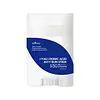 Key Ingredients
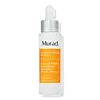
Benefits
Concerns
Ingredients Side-by-side
Water
Skin ConditioningPolyethylene
Abrasive
Propylheptyl Caprylate
EmollientC12-15 Alkyl Benzoate
AntimicrobialHomosalate
Skin Conditioning

Silica
Abrasive

Ethylhexyl Methoxycinnamate
UV Absorber
Neopentyl Glycol Diheptanoate
EmollientVinyl Dimethicone/Methicone Silsesquioxane Crosspolymer

Ethylhexyl Salicylate
UV Absorber
Butylene Glycol
Humectant
Synthetic Fluorphlogopite
Niacinamide
Smoothing










Diethylamino Hydroxybenzoyl Hexyl Benzoate
UV Filter
Vinyldimethicone
Bis-Ethylhexyloxyphenol Methoxyphenyl Triazine
Skin Conditioning
Ozokerite
Emulsion StabilisingPolyglyceryl-4 Diisostearate/Polyhydroxystearate/Sebacate
Emulsifying
Pinus Pinaster Bark Extract
Antioxidant
Bambusa Vulgaris Water
Skin ConditioningMesembryanthemum Crystallinum Extract
HumectantHibiscus Sabdariffa Flower Extract
Skin ConditioningCeramide NP
Skin Conditioning
Glycerin
Humectant
Olea Europaea Fruit Oil
Masking

Laminaria Japonica Extract
Skin Protecting
Ulmus Davidiana Root Extract
Skin Conditioning
Aloe Barbadensis Leaf Extract
Emollient
Viola Mandshurica Flower Extract
Antioxidant
Dioscorea Japonica Root Extract
Skin ConditioningPolyglyceryl-2 Dipolyhydroxystearate
Skin Conditioning
Polyurethane-11
Glyceryl Caprylate
EmollientSorbitan Sesquioleate
Emulsifying
Sodium Hyaluronate
Humectant
Adenosine
Skin Conditioning
Astaxanthin
Skin Conditioning
Pentylene Glycol
Skin ConditioningSodium Acetylated Hyaluronate
Humectant
Sodium Hyaluronate Crosspolymer
Humectant
Ascorbyl Propyl Hyaluronate
Skin Conditioning
Hydroxypropyltrimonium Hyaluronate
Hydrolyzed Sodium Hyaluronate
Skin Conditioning
Hydrolyzed Hyaluronic Acid
Humectant
Hyaluronic Acid
Humectant
Triethoxycaprylylsilane
Caprylyl Glycol
Emollient
Ethylhexylglycerin
Skin Conditioning1,2-Hexanediol
Skin Conditioning
Water, Polyethylene, Propylheptyl Caprylate, C12-15 Alkyl Benzoate, Homosalate, Silica, Ethylhexyl Methoxycinnamate, Neopentyl Glycol Diheptanoate, Vinyl Dimethicone/Methicone Silsesquioxane Crosspolymer, Ethylhexyl Salicylate, Butylene Glycol, Synthetic Fluorphlogopite, Niacinamide, Diethylamino Hydroxybenzoyl Hexyl Benzoate, Vinyldimethicone, Bis-Ethylhexyloxyphenol Methoxyphenyl Triazine, Ozokerite, Polyglyceryl-4 Diisostearate/Polyhydroxystearate/Sebacate, Pinus Pinaster Bark Extract, Bambusa Vulgaris Water, Mesembryanthemum Crystallinum Extract, Hibiscus Sabdariffa Flower Extract, Ceramide NP, Glycerin, Olea Europaea Fruit Oil, Laminaria Japonica Extract, Ulmus Davidiana Root Extract, Aloe Barbadensis Leaf Extract, Viola Mandshurica Flower Extract, Dioscorea Japonica Root Extract, Polyglyceryl-2 Dipolyhydroxystearate, Polyurethane-11, Glyceryl Caprylate, Sorbitan Sesquioleate, Sodium Hyaluronate, Adenosine, Astaxanthin, Pentylene Glycol, Sodium Acetylated Hyaluronate, Sodium Hyaluronate Crosspolymer, Ascorbyl Propyl Hyaluronate, Hydroxypropyltrimonium Hyaluronate, Hydrolyzed Sodium Hyaluronate, Hydrolyzed Hyaluronic Acid, Hyaluronic Acid, Triethoxycaprylylsilane, Caprylyl Glycol, Ethylhexylglycerin, 1,2-Hexanediol
Zinc Oxide 17%
Cosmetic Colorant
Isododecane
EmollientWater
Skin ConditioningDimethicone
Emollient
Propanediol
Solvent
Caprylic/Capric Triglyceride
Masking
Polyglyceryl-6 Polyricinoleate
Emulsifying
Polymethylsilsesquioxane/Trimethylsiloxysilicate
C12-15 Alkyl Benzoate
AntimicrobialCoco-Caprylate/Caprate
Emollient
Ethylhexyl Palmitate
Emollient
Polymethylsilsesquioxane
Glycerin
Humectant
Tapioca Starch
Polyglyceryl-10 Dioleate
Emulsifying
Polyhydroxystearic Acid
Emulsifying
Fructooligosaccharides
Humectant
Simmondsia Chinensis Seed Oil
Emollient
Lecithin
Emollient
Butyrospermum Parkii Butter
Skin Conditioning
Beta Vulgaris Root Extract
Skin ConditioningHedychium Coronarium Root Extract
MaskingSolanum Lycopersicum Fruit Extract
Antioxidant
Niacinamide
Smoothing
Squalane
Emollient
Urea
Buffering
Yeast Amino Acids
HumectantTrehalose
Humectant
Taurine
BufferingInositol
Humectant
Betaine
Humectant
Tocopheryl Acetate
Antioxidant
Ascorbic Acid
Antioxidant
Retinyl Palmitate
Skin Conditioning
Potassium Lactate
BufferingEthylhexylglycerin
Skin ConditioningLactic Acid
Buffering
Leuconostoc/Radish Root Ferment Filtrate
Antimicrobial
Polysilicone-11
Disteardimonium Hectorite
StabilisingCaprylyl/Capryl Glucoside
CleansingDecyl Glucoside
CleansingPropylene Carbonate
SolventCaprylyl Glycol
Emollient
Hexylene Glycol
EmulsifyingTriethoxycaprylylsilane
Chlorphenesin
Antimicrobial
Phenoxyethanol
Preservative
CI 77492
Cosmetic ColorantZinc Oxide 17%, Isododecane, Water, Dimethicone, Propanediol, Caprylic/Capric Triglyceride, Polyglyceryl-6 Polyricinoleate, Polymethylsilsesquioxane/Trimethylsiloxysilicate, C12-15 Alkyl Benzoate, Coco-Caprylate/Caprate, Ethylhexyl Palmitate, Polymethylsilsesquioxane, Glycerin, Tapioca Starch, Polyglyceryl-10 Dioleate, Polyhydroxystearic Acid, Fructooligosaccharides, Simmondsia Chinensis Seed Oil, Lecithin, Butyrospermum Parkii Butter, Beta Vulgaris Root Extract, Hedychium Coronarium Root Extract, Solanum Lycopersicum Fruit Extract, Niacinamide, Squalane, Urea, Yeast Amino Acids, Trehalose, Taurine, Inositol, Betaine, Tocopheryl Acetate, Ascorbic Acid, Retinyl Palmitate, Potassium Lactate, Ethylhexylglycerin, Lactic Acid, Leuconostoc/Radish Root Ferment Filtrate, Polysilicone-11, Disteardimonium Hectorite, Caprylyl/Capryl Glucoside, Decyl Glucoside, Propylene Carbonate, Caprylyl Glycol, Hexylene Glycol, Triethoxycaprylylsilane, Chlorphenesin, Phenoxyethanol, CI 77492
Reviews
Ingredients Explained
These ingredients are found in both products.
Ingredients higher up in an ingredient list are typically present in a larger amount.
C12-15 Alkyl Benzoate is made up of Benzoic Acid and long chain alcohols. It has a low molecular weight.
C12-15 Alkyl Benzoate is an emollient and texture enhancer. Due to its solubility, it is often used in sunscreens to help evenly distribute active ingredients.
As an emollient, C12-15 Alkyl Benzoate helps soften and hydrate your skin. Emollients create a film on your skin that traps moisture within.
This ingredient has been reported to cause eye irritation.
Learn more about C12-15 Alkyl BenzoateCaprylyl Glycol is a humectant and emollient, meaning it attracts and preserves moisture.
It is a common ingredient in many products, especially those designed to hydrate skin. The primary benefits are retaining moisture, skin softening, and promoting a healthy skin barrier.
Though Caprylyl Glycol is an alcohol derived from fatty acids, it is not the kind that can dry out skin.
This ingredient is also used as a preservative to extend the life of products. It has slight antimicrobial properties.
Learn more about Caprylyl GlycolEthylhexylglycerin (we can't pronounce this either) is commonly used as a preservative and skin softener. It is derived from glyceryl.
You might see Ethylhexylglycerin often paired with other preservatives such as phenoxyethanol. Ethylhexylglycerin has been found to increase the effectiveness of these other preservatives.
Glycerin is already naturally found in your skin. It helps moisturize and protect your skin.
A study from 2016 found glycerin to be more effective as a humectant than AHAs and hyaluronic acid.
As a humectant, it helps the skin stay hydrated by pulling moisture to your skin. The low molecular weight of glycerin allows it to pull moisture into the deeper layers of your skin.
Hydrated skin improves your skin barrier; Your skin barrier helps protect against irritants and bacteria.
Glycerin has also been found to have antimicrobial and antiviral properties. Due to these properties, glycerin is often used in wound and burn treatments.
In cosmetics, glycerin is usually derived from plants such as soybean or palm. However, it can also be sourced from animals, such as tallow or animal fat.
This ingredient is organic, colorless, odorless, and non-toxic.
Glycerin is the name for this ingredient in American English. British English uses Glycerol/Glycerine.
Learn more about GlycerinNiacinamide is a multitasking form of vitamin B3 that strengthens the skin barrier, reduces pores and dark spots, regulates oil, and improves signs of aging.
And the best part? It's gentle and well-tolerated by most skin types, including sensitive and reactive skin.
You might have heard of "niacin flush", or the reddening of skin that causes itchiness. Niacinamide has not been found to cause this.
In very rare cases, some individuals may not be able to tolerate niacinamide at all or experience an allergic reaction to it.
If you are experiencing flaking, irritation, and dryness with this ingredient, be sure to double check all your products as this ingredient can be found in all categories of skincare.
When incorporating niacinamide into your routine, look out for concentration amounts. Typically, 5% niacinamide provides benefits such as fading dark spots. However, if you have sensitive skin, it is better to begin with a smaller concentration.
When you apply niacinamide to your skin, your body converts it into nicotinamide adenine dinucleotide (NAD). NAD is an essential coenzyme that is already found in your cells as "fuel" and powers countless biological processes.
In your skin, NAD helps repair cell damage, produce new healthy cells, support collagen production, strengthen the skin barrier, and fight environmental stressors (like UV and pollution).
Our natural NAD levels start to decline with age, leading to slower skin repair, visible aging, and a weaker skin barrier. By providing your skin niacinamide, you're recharging your skin's NAD levels. This leads to stronger, healthier, and younger looking skin.
Another name for vitamin B3 is nicotinamide. This vitamin is water-soluble and our bodies don't store it. We obtain Vitamin B3 from either food or skincare. Meat, fish, wheat, yeast, and leafy greens contain vitamin B3.
The type of niacinamide used in skincare is synthetically created.
Learn more about NiacinamideTriethoxycaprylylsilane is a silicone used to bind and stabilize ingredients.
As an emulsifier, it helps prevent ingredients from separating. This can help elongate the shelf life of products.
Triethoxycaprylylsilane is often used to coat mineral sunscreens ingredients to help give a better feel. It also helps reduce oxidative stress in sunscreens.
Learn more about TriethoxycaprylylsilaneWater. It's the most common cosmetic ingredient of all. You'll usually see it at the top of ingredient lists, meaning that it makes up the largest part of the product.
So why is it so popular? Water most often acts as a solvent - this means that it helps dissolve other ingredients into the formulation.
You'll also recognize water as that liquid we all need to stay alive. If you see this, drink a glass of water. Stay hydrated!
Learn more about Water
