

What's inside
What's inside
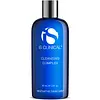 Key Ingredients
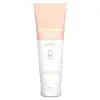
Benefits
Concerns
Ingredients Side-by-side
Water
Skin ConditioningDisodium Laureth Sulfosuccinate
CleansingCocamidopropyl Betaine
Cleansing

PEG-30 Glyceryl Cocoate
Emulsifying

Glycerin
Humectant



Propylene Glycol
Humectant
Hydroxyethylcellulose
Emulsion StabilisingSalix Alba Bark Extract
Astringent

Saccharum Officinarum Extract
MoisturisingCamellia Sinensis Leaf Extract
Antimicrobial



Chamomilla Recutita Flower Extract
Masking
Asiaticoside
Antioxidant
Asiatic Acid
Skin ConditioningMadecassic Acid
Skin Conditioning
Ascorbyl Palmitate
Antioxidant

Phospholipids
Skin Conditioning
Tocopheryl Acetate
Antioxidant
Retinyl Palmitate
Skin Conditioning


Iodopropynyl Butylcarbamate
Preservative
Phenoxyethanol
Preservative
Water, Disodium Laureth Sulfosuccinate, Cocamidopropyl Betaine, PEG-30 Glyceryl Cocoate, Glycerin, Propylene Glycol, Hydroxyethylcellulose, Salix Alba Bark Extract, Saccharum Officinarum Extract, Camellia Sinensis Leaf Extract, Chamomilla Recutita Flower Extract, Asiaticoside, Asiatic Acid, Madecassic Acid, Ascorbyl Palmitate, Phospholipids, Tocopheryl Acetate, Retinyl Palmitate, Iodopropynyl Butylcarbamate, Phenoxyethanol
Water
Skin ConditioningGlycerin
Humectant
Palmitic Acid
Emollient
Stearic Acid
Cleansing
Lauric Acid
Cleansing
Myristic Acid
Cleansing
Potassium Hydroxide
BufferingMilk Protein Extract
Potassium Cocoyl Glycinate
Sodium Methyl Cocoyl Taurate
Cleansing
PEG-100 Stearate
Glyceryl Stearate
Emollient
Beeswax
Emulsion Stabilising
Polyquaternium-7
Ethyl Hexanediol
SolventParfum
Masking
Cocamidopropyl Betaine
Cleansing
Glyceryl Caprylate
EmollientSodium Chloride
Masking
Hydroxyethylcellulose
Emulsion StabilisingSodium Benzoate
Masking
Disodium EDTA
Linum Usitatissimum Seed Extract
Perfuming
Nelumbo Nucifera Flower Water
TonicOriganum Vulgare Leaf Extract
Skin ConditioningEucalyptus Globulus Leaf Extract
Perfuming
Hibiscus Sabdariffa Flower Extract
Skin ConditioningCamellia Sinensis Leaf Extract
Antimicrobial
Salvia Hispanica Seed Extract
EmollientHedera Helix Leaf Extract
Skin ConditioningPinus Sylvestris Leaf Extract
Tonic1,2-Hexanediol
Skin Conditioning
Niacinamide
Smoothing
Macadamia Ternifolia Seed Oil
Emollient
Bacillus/Soybean Ferment Extract
Skin ConditioningBiotin
AntiseborrhoeicSalicylic Acid
Masking
Ceramide NP
Skin Conditioning
Sodium Hyaluronate
Humectant
Prunus Amygdalus Dulcis Oil
Skin Conditioning
Ascorbyl Tetraisopalmitate
Antioxidant
Hamamelis Virginiana Bark/Leaf/Twig Extract
Skin Conditioning
Panthenol
Skin Conditioning
Tocopheryl Acetate
Antioxidant
Galactomyces Ferment Filtrate
Humectant
Rice Ferment Filtrate
Skin Conditioning
Butylene Glycol
Humectant
PEG-40 Hydrogenated Castor Oil
Emulsifying
Lactic Acid
Buffering
Centella Asiatica Extract
Cleansing
Retinyl Palmitate
Skin Conditioning
Citric Acid
Buffering
Royal Jelly Extract
Skin Conditioning
PCA
Humectant
Propylene Glycol
Humectant
Glycolic Acid
Buffering
Phenoxyethanol
Preservative
Malic Acid
Buffering
Chamomilla Recutita Flower Extract
Masking
Pyruvic Acid
MaskingTocopherol
Antioxidant
Tartaric Acid
Buffering
Hydroxypropyl Cyclodextrin
MaskingGlutathione
Hydroxycitronellal
Perfuming

Water, Glycerin, Palmitic Acid, Stearic Acid, Lauric Acid, Myristic Acid, Potassium Hydroxide, Milk Protein Extract, Potassium Cocoyl Glycinate, Sodium Methyl Cocoyl Taurate, PEG-100 Stearate, Glyceryl Stearate, Beeswax, Polyquaternium-7, Ethyl Hexanediol, Parfum, Cocamidopropyl Betaine, Glyceryl Caprylate, Sodium Chloride, Hydroxyethylcellulose, Sodium Benzoate, Disodium EDTA, Linum Usitatissimum Seed Extract, Nelumbo Nucifera Flower Water, Origanum Vulgare Leaf Extract, Eucalyptus Globulus Leaf Extract, Hibiscus Sabdariffa Flower Extract, Camellia Sinensis Leaf Extract, Salvia Hispanica Seed Extract, Hedera Helix Leaf Extract, Pinus Sylvestris Leaf Extract, 1,2-Hexanediol, Niacinamide, Macadamia Ternifolia Seed Oil, Bacillus/Soybean Ferment Extract, Biotin, Salicylic Acid, Ceramide NP, Sodium Hyaluronate, Prunus Amygdalus Dulcis Oil, Ascorbyl Tetraisopalmitate, Hamamelis Virginiana Bark/Leaf/Twig Extract, Panthenol, Tocopheryl Acetate, Galactomyces Ferment Filtrate, Rice Ferment Filtrate, Butylene Glycol, PEG-40 Hydrogenated Castor Oil, Lactic Acid, Centella Asiatica Extract, Retinyl Palmitate, Citric Acid, Royal Jelly Extract, PCA, Propylene Glycol, Glycolic Acid, Phenoxyethanol, Malic Acid, Chamomilla Recutita Flower Extract, Pyruvic Acid, Tocopherol, Tartaric Acid, Hydroxypropyl Cyclodextrin, Glutathione, Hydroxycitronellal
Reviews
Ingredients Explained
These ingredients are found in both products.
Ingredients higher up in an ingredient list are typically present in a larger amount.
Camellia Sinensis Leaf Extract is derived from the leaves of the tea plant. Black tea, green tea, and oolong tea are all harvested from this plant.
This ingredient has many skin benefits:
This ingredient contains polyphenols, a strong antioxidant. Antioxidants help fight off molecules that damage skin cells.
On top of that, the antioxidants in green tea neutralize free-radicals from the sun. This gives the skin some extra UV protection, but should not replace sunscreen.
Many components of tea have anti-inflammatory properties.
Polyphenols and L-theanine help soothe the skin and reduce irritation. The caffeine in Camellia Sinensis Leaf Extract helps calm inflamed blood vessels.
Other compounds found in tea include: Vitamin Bs, linoleic acid, magnesium, calcium, iron, and zinc.
Research has shown both drinking Camellia Sinensis Leaf Tea and applying it to the skin can help boost skin elasticity and hydration. Studies also show using tea extract may reduce sebum, or oil, production.
Learn more about Camellia Sinensis Leaf ExtractChamomilla Recutita Flower Extract comes from the Chamomile flower.
Chamomile is rich in antioxidants and has anti-inflammatory properties. Several compounds found in chamomile help with soothing, such as bisbolol.
Antioxidant components in chamomile make it an effective ingredient to help slow the signs of aging. Antioxidants help fight free-radical molecules, or molecules that may damage your skin.
Essential oils from chamomile have been found to improve wound healing due to its antimicrobial properties.
Ancient Greeks and Egyptians used Chamomile to treat skin redness and dryness. Chamomile has also been used to help treat stomach issues.
Learn more about Chamomilla Recutita Flower ExtractCocamidopropyl Betaine is a fatty acid created by mixing similar compounds in coconut oil and dimethylaminopropylamine, a compound with two amino groups.
This ingredient is a surfactant and cleanser. It helps gather the dirt, pollutants, and other impurities in your skin to be washed away. It also helps thicken a product and make the texture more creamy.
Being created from coconut oil means Cocamidopropyl Betaine is hydrating for the skin.
While Cocamidopropyl Betaine was believed to be an allergen, a study from 2012 disproved this. It found two compounds in unpure Cocamidopropyl Betaine to be the irritants: aminoamide and 3-dimethylaminopropylamine. High-grade and pure Cocamidopropyl Betaine did not induce allergic reactions during this study.
Learn more about Cocamidopropyl BetaineGlycerin is already naturally found in your skin. It helps moisturize and protect your skin.
A study from 2016 found glycerin to be more effective as a humectant than AHAs and hyaluronic acid.
As a humectant, it helps the skin stay hydrated by pulling moisture to your skin. The low molecular weight of glycerin allows it to pull moisture into the deeper layers of your skin.
Hydrated skin improves your skin barrier; Your skin barrier helps protect against irritants and bacteria.
Glycerin has also been found to have antimicrobial and antiviral properties. Due to these properties, glycerin is often used in wound and burn treatments.
In cosmetics, glycerin is usually derived from plants such as soybean or palm. However, it can also be sourced from animals, such as tallow or animal fat.
This ingredient is organic, colorless, odorless, and non-toxic.
Glycerin is the name for this ingredient in American English. British English uses Glycerol/Glycerine.
Learn more about GlycerinHydroxyethylcellulose is used to improve the texture of products. It is created from a chemical reaction involving ethylene oxide and alkali-cellulose. Cellulose is a sugar found in plant cell walls and help give plants structure.
This ingredient helps stabilize products by preventing ingredients from separating. It can also help thicken the texture of a product.
This ingredient can also be found in pill medicines to help our bodies digest other ingredients.
Learn more about HydroxyethylcellulosePhenoxyethanol is a preservative that has germicide, antimicrobial, and aromatic properties. Studies show that phenoxyethanol can prevent microbial growth. By itself, it has a scent that is similar to that of a rose.
It's often used in formulations along with Caprylyl Glycol to preserve the shelf life of products.
Propylene Glycol is an odorless, colorless liquid. As a humectant, it helps skin retain moisture. It also aids in delivering active ingredients.
Another role of this ingredient is preventing a product from melting or freezing. Propylene glycol also adds antimicrobrial properties to a product, elongating product lifespan.
This ingredient is considered an organic alcohol and commonly added into both cosmetics and foods.
Those with sensitive skin or conditions may develop a rash when using this ingredient.
Learn more about Propylene GlycolRetinyl palmitate is a form of retinoid. Retinoids are the superstar class of anti-aging ingredients that include tretinoin and retinol.
This particular ingredient has had a bumpy year with its rise and fall in popularity.
First, Retinyl palmitate is created from palmitic acid and retinol. It is a retinol ester and considered one of the weaker forms of retinoid.
This is because all retinoids have to be converted to Tretinoin, AKA retinoic acid. Retinyl Palmitate is pretty far down the line and has to go through multiple conversions before its effects are seen.
Due to this long and ineffective conversion line, the benefits of Retinyl Palmitate are debated.
Studies show Retinyl Palmitate to help:
Dermatologists say this ingredient is ineffective because it isn't used in high enough concentrations in cosmetics.
This ingredient used to be found in sunscreens to boost the efficacy of sunscreen filters.
The downfall of Retinyl Palmitate was due to released reports about the ingredient being correlated to sun damage and skin tumors.
While there is a study showing this ingredient to cause DNA damage when exposed to UV-A, there is no concrete proof of it being linked to skin cancer. It is safe to use when used correctly.
All retinoids increase your skin's sensitivity to the sun in the first few months of usage. Be especially careful with reapplying sunscreen when using any form of retinoid.
Currently, this ingredient is still allowed in cosmetics all over the world. In Canada, cosmetics must have a warning label stating the product to contain Retinyl Palmitate
Fun fact: This ingredient is often added to low-fat milk to increase the levels of Vitamin A.
Learn more about Retinyl PalmitateTocopheryl Acetate is AKA Vitamin E. It is an antioxidant and protects your skin from free radicals. Free radicals damage the skin by breaking down collagen.
One study found using Tocopheryl Acetate with Vitamin C decreased the number of sunburned cells.
Tocopheryl Acetate is commonly found in both skincare and dietary supplements.
Learn more about Tocopheryl AcetateWater. It's the most common cosmetic ingredient of all. You'll usually see it at the top of ingredient lists, meaning that it makes up the largest part of the product.
So why is it so popular? Water most often acts as a solvent - this means that it helps dissolve other ingredients into the formulation.
You'll also recognize water as that liquid we all need to stay alive. If you see this, drink a glass of water. Stay hydrated!
Learn more about Water
