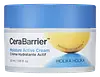
This barrier-repair moisturizer is formulated around Ceramide NP and Ectoin to strengthen the skin barrier and hydrate skin.
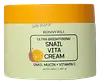
This brightening moisturizer is formulated around Niacinamide and Ascorbic Acid to brighten dull-looking skin and fade the look of dark spots.

What's inside
What's inside
 Key Ingredients
Benefits
Concerns
Ingredients Side-by-side
Water
Skin ConditioningGlycerin
Humectant


Octyldodecanol
Emollient
Dicaprylyl Ether
Emollient
Pentaerythrityl Tetraethylhexanoate
Emollient
1,2-Hexanediol
Skin Conditioning
Polyglyceryl-6 Stearate
Emollient

Behenyl Alcohol
Emollient
Pentaerythrityl Tetraisostearate
Emollient
Jojoba Esters
Emollient
Polyglyceryl-3 Distearate
Emulsifying
Prunus Amygdalus Dulcis Oil
Skin Conditioning


Ceramide NP
Skin Conditioning



Beta-Sitosterol
Emulsion Stabilising
Cetearyl Alcohol
Emollient

Ceramide AP
Skin Conditioning
Ceramide As
Skin Conditioning
Ceramide Ng
Skin Conditioning
Ceramide Ns
Skin Conditioning
Glyceryl Stearate
Emollient
Vegetable Oil
Skin Conditioning
Hydrogenated Lecithin
Emulsifying
Sodium Polyacryloyldimethyl Taurate
Emulsion StabilisingButylene Glycol
Humectant
Hydrogenated Polydecene
EmollientEctoin
Skin Conditioning
Carbomer
Emulsion StabilisingEthylhexyl Isononanoate
EmollientTromethamine
BufferingPolyglyceryl-6 Behenate
Emulsion Stabilising
Palmitic Acid
Emollient
Simmondsia Chinensis Seed Oil
Emollient
Allantoin
Skin Conditioning
Glyceryl Stearate Citrate
Emollient
Phytosteryl/Isostearyl/Cetyl/Stearyl/Behenyl Dimer Dilinoleate
Skin Conditioning
Cetearyl Glucoside
Emulsifying
Stearic Acid
Cleansing
Caprylic/Capric Triglyceride
Masking
Hydroxypropyl Bispalmitamide Mea
Emollient
Glycine Soja Sterols
Emollient
Xanthan Gum
EmulsifyingMeadowfoam Estolide
Skin ConditioningEthylhexylglycerin
Skin ConditioningDisodium EDTA
ChelatingCaprylyl/Capryl Glucoside
CleansingDipropylene Glycol
HumectantTheobroma Cacao Extract
Skin ConditioningLinoleic Acid
Cleansing
Glycosphingolipids
EmollientButyrospermum Parkii Butter
Skin Conditioning
Ceteareth-20
Cleansing
Glyceryl Citrate/Lactate/Linoleate/Oleate
Emulsifying
Sucrose Stearate
EmollientCarthamus Tinctorius Seed Oil
Masking
Betaine
Humectant
Tocopherol
Antioxidant


Polyquaternium-51
Skin Conditioning
Glyceryl Polymethacrylate
Glucose
Humectant
Dextrin
AbsorbentSodium Hyaluronate
Humectant
Egg
Skin ConditioningYeast Extract
Skin ConditioningGlycoproteins
Skin Conditioning
Lavandula Angustifolia Oil
Masking



Geranium Maculatum Oil
Masking
Citrus Grandis Peel Oil
Masking
Cymbopogon Flexuosus Leaf Oil
Masking
Citrus Aurantium Dulcis Peel Oil
Masking
Parfum
Masking
Chamomilla Recutita Flower Oil
Masking
Limonene
Perfuming
Linalool
Perfuming
Water, Glycerin, Octyldodecanol, Dicaprylyl Ether, Pentaerythrityl Tetraethylhexanoate, 1,2-Hexanediol, Polyglyceryl-6 Stearate, Behenyl Alcohol, Pentaerythrityl Tetraisostearate, Jojoba Esters, Polyglyceryl-3 Distearate, Prunus Amygdalus Dulcis Oil, Ceramide NP, Beta-Sitosterol, Cetearyl Alcohol, Ceramide AP, Ceramide As, Ceramide Ng, Ceramide Ns, Glyceryl Stearate, Vegetable Oil, Hydrogenated Lecithin, Sodium Polyacryloyldimethyl Taurate, Butylene Glycol, Hydrogenated Polydecene, Ectoin, Carbomer, Ethylhexyl Isononanoate, Tromethamine, Polyglyceryl-6 Behenate, Palmitic Acid, Simmondsia Chinensis Seed Oil, Allantoin, Glyceryl Stearate Citrate, Phytosteryl/Isostearyl/Cetyl/Stearyl/Behenyl Dimer Dilinoleate, Cetearyl Glucoside, Stearic Acid, Caprylic/Capric Triglyceride, Hydroxypropyl Bispalmitamide Mea, Glycine Soja Sterols, Xanthan Gum, Meadowfoam Estolide, Ethylhexylglycerin, Disodium EDTA, Caprylyl/Capryl Glucoside, Dipropylene Glycol, Theobroma Cacao Extract, Linoleic Acid, Glycosphingolipids, Butyrospermum Parkii Butter, Ceteareth-20, Glyceryl Citrate/Lactate/Linoleate/Oleate, Sucrose Stearate, Carthamus Tinctorius Seed Oil, Betaine, Tocopherol, Polyquaternium-51, Glyceryl Polymethacrylate, Glucose, Dextrin, Sodium Hyaluronate, Egg, Yeast Extract, Glycoproteins, Lavandula Angustifolia Oil, Geranium Maculatum Oil, Citrus Grandis Peel Oil, Cymbopogon Flexuosus Leaf Oil, Citrus Aurantium Dulcis Peel Oil, Parfum, Chamomilla Recutita Flower Oil, Limonene, Linalool
Water
Skin ConditioningDipropylene Glycol
HumectantCaprylic/Capric Triglyceride
Masking
Cetyl Ethylhexanoate
EmollientCetearyl Alcohol
Emollient
Niacinamide
Smoothing




1,2-Hexanediol
Skin Conditioning
Cetearyl Olivate
Sorbitan Olivate
Emulsifying
Glyceryl Stearate
Emollient
Stearic Acid
Cleansing
Vitis Vinifera Seed Oil
Emollient
Ascorbic Acid
Antioxidant
Carbomer
Emulsion StabilisingArginine
Masking
Hippophae Rhamnoides Fruit Extract
Skin Conditioning
Snail Secretion Filtrate
Skin Conditioning
Argania Spinosa Kernel Oil
Emollient
Simmondsia Chinensis Seed Oil
Emollient
Adenosine
Skin Conditioning
Butylene Glycol
Humectant
Disodium EDTA
ChelatingParfum
Masking
Limonene
Perfuming
Linalool
Perfuming
Alpha-Isomethyl Ionone
Perfuming
Citronellol
Perfuming
Water, Dipropylene Glycol, Caprylic/Capric Triglyceride, Cetyl Ethylhexanoate, Cetearyl Alcohol, Niacinamide, 1,2-Hexanediol, Cetearyl Olivate, Sorbitan Olivate, Glyceryl Stearate, Stearic Acid, Vitis Vinifera Seed Oil, Ascorbic Acid, Carbomer, Arginine, Hippophae Rhamnoides Fruit Extract, Snail Secretion Filtrate, Argania Spinosa Kernel Oil, Simmondsia Chinensis Seed Oil, Adenosine, Butylene Glycol, Disodium EDTA, Parfum, Limonene, Linalool, Alpha-Isomethyl Ionone, Citronellol
Ingredients Explained
These ingredients are found in both products.
Ingredients higher up in an ingredient list are typically present in a larger amount.
1,2-Hexanediol is a synthetic liquid and another multi-functional powerhouse.
It is a:
- Humectant, drawing moisture into the skin
- Emollient, helping to soften skin
- Solvent, dispersing and stabilizing formulas
- Preservative booster, enhancing the antimicrobial activity of other preservatives
Butylene Glycol (or BG) is used within cosmetic products for a few different reasons:
Overall, Butylene Glycol is a safe and well-rounded ingredient that works well with other ingredients.
Though this ingredient works well with most skin types, some people with sensitive skin may experience a reaction such as allergic rashes, closed comedones, or itchiness.
Learn more about Butylene GlycolCaprylic/Capric Triglyceride (aka MCT Oil) is a lightweight emollient, solvent, and texture enhancer. It is considered a skin-softener by helping to prevent moisture loss.
Though it behaves like an oil, it is not technically one due to its chemical composition. One perk of this ingredient is that it is very stable, resistant to oxidation, and unlikely to go rancid.
In practice, that translates to a long shelf life and a consistently elegant skin feel.
While there is an assumption Caprylic Triglyceride can clog pores due to it being derived from coconut oil, there is no research supporting this. Just patch test if you have concerns.
Fractionated coconut oil and MCT Oil are both listed as Caprylic/Capric Triglyceride according to INCI. This is because INCI names are based on the ingredient’s final chemical composition and not its marketing name or source.
This ingredient is treated as the gold standard fungal acne safe oil. Even though it is coconut derived, the problematic lauric acid is stripped out.
This leaves just caprylic (C8) and capric (C10) acid. These chain lengths actually trend antifungal; a 2020 study found caprylic acid was enough to disrupt Malassezia furfur cell membrane, with a caprylic acid derivative damaging membrane structures at concentrations as low as 0.2%.
Learn more about Caprylic/Capric TriglycerideCarbomer is a synthetic thickening and gelling agent. It's basically the ingredient that gives a lot of serums, gels, creams, and sunscreens their smooth, non-sticky texture.
Although legally permitted at very high levels, carbomers are normally used at concentrations below 1%.
It also needs to be neutralized to actually thicken, and because it is a large molecule, it doesn't really penetrate the skin barrier.
Allergy-wise, the risk is very low. Clinical studies show carbomers have low potential for skin irritation/sensitization even at concentrations up to 100%.
A 2024 UK study patch-tested 1,302 patients and found true allergy to the parent group of carbomer to be rare with no confirmed relevant reactions.
Learn more about CarbomerCetearyl alcohol is a waxy mixture of two fatty alcohols: cetyl alcohol and stearyl alcohol. It is an emollient and emulsifier.
Despite having "alcohol" in its name, it has nothing to do with drying solvent alcohols; the FDA also allows "alcohol-free" products to contain fatty alcohols like this ingredient.
It plays several roles in a formula:
Typical use levels for this ingredient sit around 1-10% and the Cosmetic Ingredient Review Expert Panel has affirmed safety at concentrations up to 25% in leave-on products.
Multiple assessments have found it to be non-irritating and non-sensitizing to most people.
However, there have been some cases of allergic contact dermatitis in patients with chronically compromised skin barriers.
Cetearyl alcohol has a comedogenic rating of 2 and irritancy rating of 1. Both of these numbers come from the 1989 study that used rabbit ears; a "2" means mildly comedogenic and a "1" means low irritancy.
Here's the catch: rabbit skin is more sensitive than human skin and throws a lot of false positives. A 1996 reappraisal found that ingredients rated 1-2 in the rabbit ear tests are generally safe for humans.
Remember comedogenic ratings are unable to assess the entire formula of a product or how it will react on your skin. Just be sure to patch test if you are unsure about certain ingredients.
This ingredient is not fungal acne safe. Cetearyl alcohol is a fatty alcohol with chain lengths that fall within the range that Malassezia can metabolize.
A 2019 study has also observed Malassezia growth in the presence of this ingredient, confirming it to be not-fungal acne safe.
Learn more about Cetearyl AlcoholDipropylene Glycol is a synthetically created humectant, stabilizer, and solvent.
This ingredient helps:
Dipropylene glycol is technically an alcohol, but it belongs to the glycol family (often considered part of the ‘good’ alcohols). This means it is hydrating and gentle on skin unlike drying solvent alcohols like denatured alcohol.
As a masking agent, Dipropylene Glycol can be used to cover the smell of other ingredients. However, it does not have a scent.
Studies show Dipropylene Glycol is considered safe to use in skincare.
Learn more about Dipropylene GlycolDisodium EDTA is a chelating agent. It grabs onto and deactivates metal ions that sneak into your products from water, packaging, or air.
This ingredient mainly works behind the scenes and helps with:
On top of that, this ingredient can counteract the effects of hard water by binding to the minerals in it.
One thing worth knowing is that Disodium EDTA has been shown to be a mild penetration enhancer. It can help other ingredients absorb into skin more effectively which can be a double-edged sword (great for actives, but can also make the active too strong if you have sensitive skin).
Clinical patch testing showed no significant skin irritation at typical use concentrations and minimal dermal absorption.
You'll most likely see this ingredient near the end of an ingredient list. It's typically found in concentrations less than 1%.
Learn more about Disodium EDTAGlyceryl Stearate is made by reacting glycerin with stearic acid (typically sourced from plant oils like palm or coconut). It's an emulsifier, emollient, and mild occlusive.
Emulsifiers help ingredients like oil and water stay mixed so your formula stays nicely blended and uniform in texture.
This ingredient is typically used in concentrations between 1-10%. Studies have found it to be non-sensitizing, non-phototoxic, and non-photoallergenic.
A close cousin of this ingredient is Glyceryl Stearate SE ("self-emulsifying"). This just has a small amount of sodium or potassium stearate added so it can emulsify without a co-emulsifier.
Since this ingredient is an ester of a C18 fatty acid, it may not be fungal acne safe. The Malassezia yeast can potentially metabolize within the C11-C24 range.
Fun fact: The human body also creates Glyceryl Stearate naturally.
Learn more about Glyceryl StearateLimonene is the compound that gives citrus peel its smell.
In skincare, it shows up as a standalone fragrance ingredient or as a natural compound of citrus and other essential oils.
You'll typically see this ingredient used in very small amounts; anything above 0.001% in a leave-on product or 0.01% in a rinse-off has to be named on the label in the EU. The citrus oils that carry it sit around 0.5-1% in a finished formula.
Fresh limonene is a weak allergen; the real issue is that it slowly reacts with air and then breaks down from oxidation to create hydroperoxides (which are strong sensitizers). This is why suppliers are required to keep the peroxide value below 20 mmol.
Positive reactions in people being investigated for eczema vary:
It's worth skipping if you have a known fragrance allergy or a compromised barrier, but the risk is low for most people.
Older or long-opened products are also more likely to bother you than fresh ones due to oxidation.
Learn more about LimoneneLinalool is a small, naturally occurring scent molecule found in plants like lavender, coriander, bergamot, and more.
It is one of the two most-used fragrance ingredients in cosmetics and added purely for smell. Since it's not used for a skin benefit, there's no "effective dose". Concentration depends on the fragrance load of the product.
The EU requires it to be named on the label above 0.001% in leave-on and 0.01% in rinse-off products.
Fresh linalool is a weak sensitizer but air exposure turns some of it into hydroperoxides, which are strong sensitizers. Those oxidation products are the actual allergy concern.
Patch-test clinics see positive reactions to linalool hydroperoxides in about 4% to 12% of dermatitis patients depending on country and test concentration.
Resassuringly, one analytical study found hydroperoxide levels in real fragranced products to be orders of magnitude below what induced sensitization in animal studies with no evidence of oxidation building up during normal storage.
The practical takeaway is that linalool is fine for most people but worth avoiding if you have a confirmed fragrance contact allergy or a badly compromised barrier.
Products stored a long time after opening are also the high-risk scenario since that is when oxidation happens.
The scent of linalool is described as floral, spicy tropical, and citrus-like.
Learn more about LinaloolParfum is a catch-all term for an ingredient or more that is used to give a scent to products.
Also called "fragrance", this ingredient can be a blend of hundreds of chemicals or plant oils. This means every product with "fragrance" or "parfum" in the ingredients list is a different mixture.
For instance, Habanolide is a proprietary trade name for a specific aroma chemical. When used as a fragrance ingredient in cosmetics, most aroma chemicals fall under the broad labeling category of “FRAGRANCE” or “PARFUM” according to EU and US regulations.
The term 'parfum' or 'fragrance' is not regulated in many countries. In many cases, it is up to the brand to define this term.
For instance, many brands choose to label themselves as "fragrance-free" because they are not using synthetic fragrances. However, their products may still contain ingredients such as essential oils that are considered a fragrance by INCI standards.
One example is Calendula flower extract. Calendula is an essential oil that still imparts a scent or 'fragrance'.
Depending on the blend, the ingredients in the mixture can cause allergies and sensitivities on the skin. Some ingredients that are known EU allergens include linalool and citronellol.
Parfum can also be used to mask or cover an unpleasant scent.
The bottom line is: not all fragrances/parfum/ingredients are created equally. If you are worried about fragrances, we recommend taking a closer look at an ingredient. And of course, we always recommend speaking with a professional.
Learn more about ParfumJojoba oil is one of the most well-studied plant-derived ingredients in cosmetics. It is an emollient with a special structure.
Because it is made up of 97-98% wax esters, it closely mirrors the linear monoesters found in human sebum. This makes it skin compatible, non-greasy, and lightweight.
Unlike other plant oils, jojoba wax doesn't easily penetrate skin. It mostly works in the uppermost layers as an emollient. This just means it forms a light barrier on the skin to help retain moisture.
Formulations with jojoba esters up to 90% reduced transepidermal water loss (TEWL) and increased barrier recovery by 81% (outperforming bisabolol at 47%).
Besides barrier support, the science also suggests jojoba to have anti-inflammatory effects and potential applications for skin infections, aging, and wound healing.
Fun fact: Indigenous cultures have used jojoba as a moisturizer and to help treat burns for centuries.
Fungal acne: The Malassezia yeast is known to metabolize fatty acids in the C11-24 range and jojoba's dominant fatty acid components fall into this range. This ingredient may not be fungal acne safe.
Learn more about Simmondsia Chinensis Seed OilStearic Acid is a fatty acid that is already found in your skin. It's one of the free fatty acids that works alongside ceramides and cholesterols to maintain your barrier.
In cosmetics, it is a multitasker:
Safety-wise, the CIR Expert Panel has concluded it to be safe in cosmetics when formulated to be non-irritating and non-sensitizing.
Free stearic acid is a C18 fatty acid that the Malassezia yeast can substrate, so this ingredient may not be fungal acne safe.
This ingredient does have a comedogenic rating of 2-3, but this doesn't mean a formula with this ingredient will clog pores.
Human testing has proved that any finished product with this ingredient won't automatically make you break out; it really comes down to concentration, formula, and your skin.
Learn more about Stearic AcidWater. It's the most common cosmetic ingredient of all. You'll usually see it at the top of ingredient lists, meaning that it makes up the largest part of the product.
So why is it so popular? Water most often acts as a solvent - this means that it helps dissolve other ingredients into the formulation.
You'll also recognize water as that liquid we all need to stay alive. If you see this, drink a glass of water. Remember to stay hydrated!
Learn more about Water

