
What's inside
What's inside
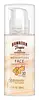 Key Ingredients
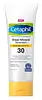
Benefits
Concerns
Ingredients Side-by-side
Butyl Methoxydibenzoylmethane 2%
UV Absorber
Homosalate 5.5%
Skin Conditioning
Ethylhexyl Salicylate 4.5%
UV Absorber
Octocrylene 4%
UV Absorber

Water
Skin ConditioningIsohexadecane
EmollientDiisopropyl Adipate
EmollientC12-15 Alkyl Benzoate
AntimicrobialButylene Glycol
Humectant

Hydroxyethyl Acrylate/Sodium Acryloyldimethyl Taurate Copolymer
Emulsion StabilisingAcrylates/C12-22 Alkyl Methacrylate Copolymer
Phenoxyethanol
Preservative
Caprylyl Glycol
Emollient
Methylparaben
Preservative
Ceteth-10 Phosphate
CleansingDicetyl Phosphate
EmulsifyingParfum
Masking


Propylparaben
Preservative
Polysorbate 60
Emulsifying
Disodium EDTA
Xanthan Gum
EmulsifyingAminomethyl Propanol
BufferingMica
Cosmetic ColorantTocopheryl Acetate
Antioxidant


Aloe Barbadensis Leaf Juice
Skin Conditioning

Silk Amino Acids
HumectantSodium Ascorbyl Phosphate
Antioxidant




Colocasia Antiquorum Root Extract
Skin ConditioningMangifera Indica Fruit Extract
Skin ConditioningPassiflora Incarnata Fruit Extract
Skin ConditioningPlumeria Acutifolia Flower Extract
Skin ConditioningPsidium Guajava Fruit Extract
AstringentIron Oxides
Butyl Methoxydibenzoylmethane 2%, Homosalate 5.5%, Ethylhexyl Salicylate 4.5%, Octocrylene 4%, Water, Isohexadecane, Diisopropyl Adipate, C12-15 Alkyl Benzoate, Butylene Glycol, Hydroxyethyl Acrylate/Sodium Acryloyldimethyl Taurate Copolymer, Acrylates/C12-22 Alkyl Methacrylate Copolymer, Phenoxyethanol, Caprylyl Glycol, Methylparaben, Ceteth-10 Phosphate, Dicetyl Phosphate, Parfum, Propylparaben, Polysorbate 60, Disodium EDTA, Xanthan Gum, Aminomethyl Propanol, Mica, Tocopheryl Acetate, Aloe Barbadensis Leaf Juice, Silk Amino Acids, Sodium Ascorbyl Phosphate, Colocasia Antiquorum Root Extract, Mangifera Indica Fruit Extract, Passiflora Incarnata Fruit Extract, Plumeria Acutifolia Flower Extract, Psidium Guajava Fruit Extract, Iron Oxides
Titanium Dioxide 4.9%
Cosmetic Colorant
Zinc Oxide 4.7%
Cosmetic Colorant
Alumina
Abrasive
Arachidyl Alcohol
Emollient
Arachidyl Glucoside
EmulsifyingAscorbic Acid
Antioxidant
Avena Sativa Kernel Extract
Abrasive
Beeswax
Emulsion Stabilising

Behenyl Alcohol
Emollient
Benzyl Alcohol
Perfuming

Bisabolol
Antioxidant
Butylene Glycol
Humectant
Butyloctyl Salicylate
Skin Conditioning
Calendula Officinalis Flower Extract
Masking
Camellia Sinensis Leaf Extract
Antimicrobial
Carbomer
Emulsion StabilisingCeramide AP
Skin Conditioning
Ceramide EOP
Skin Conditioning
Ceramide NP
Skin Conditioning
Cetyl Dimethicone
Emollient
Chamomilla Recutita Flower Extract
Masking
Cholesterol
Emollient
Dimethicone
Emollient
Dimethicone PEG-8 Laurate
Skin Conditioning
Dipotassium Glycyrrhizate
Humectant
Disodium EDTA
Ethylhexylglycerin
Skin ConditioningGlycerin
Humectant
Glyceryl Stearate
Emollient
Hydrated Silica
Abrasive
Hydroxyethyl Acrylate/Sodium Acryloyldimethyl Taurate Copolymer
Emulsion StabilisingIsohexadecane
EmollientMaltodextrin
Absorbent
Methicone
Emollient
Panthenol
Skin Conditioning
Pantothenic Acid
Skin ConditioningPEG-100 Stearate
Surfactant
PEG-8
HumectantPhytosphingosine
Skin Conditioning
Polyaminopropyl Biguanide
Preservative
Polymethyl Methacrylate
Polysorbate 60
Emulsifying
Potassium Sorbate
Preservative
Propylene Glycol
Humectant
Sodium Lauroyl Lactylate
EmulsifyingStearic Acid
Cleansing
Styrene/Acrylates Copolymer
Tocopheryl Acetate
Antioxidant
Triethoxycaprylylsilane
Trimethylsiloxysilicate
Emollient
Trisiloxane
Skin Conditioning
Vp/Eicosene Copolymer
Water
Skin ConditioningXanthan Gum
EmulsifyingTitanium Dioxide 4.9%, Zinc Oxide 4.7%, Alumina, Arachidyl Alcohol, Arachidyl Glucoside, Ascorbic Acid, Avena Sativa Kernel Extract, Beeswax, Behenyl Alcohol, Benzyl Alcohol, Bisabolol, Butylene Glycol, Butyloctyl Salicylate, Calendula Officinalis Flower Extract, Camellia Sinensis Leaf Extract, Carbomer, Ceramide AP, Ceramide EOP, Ceramide NP, Cetyl Dimethicone, Chamomilla Recutita Flower Extract, Cholesterol, Dimethicone, Dimethicone PEG-8 Laurate, Dipotassium Glycyrrhizate, Disodium EDTA, Ethylhexylglycerin, Glycerin, Glyceryl Stearate, Hydrated Silica, Hydroxyethyl Acrylate/Sodium Acryloyldimethyl Taurate Copolymer, Isohexadecane, Maltodextrin, Methicone, Panthenol, Pantothenic Acid, PEG-100 Stearate, PEG-8, Phytosphingosine, Polyaminopropyl Biguanide, Polymethyl Methacrylate, Polysorbate 60, Potassium Sorbate, Propylene Glycol, Sodium Lauroyl Lactylate, Stearic Acid, Styrene/Acrylates Copolymer, Tocopheryl Acetate, Triethoxycaprylylsilane, Trimethylsiloxysilicate, Trisiloxane, Vp/Eicosene Copolymer, Water, Xanthan Gum
Reviews
Ingredients Explained
These ingredients are found in both products.
Ingredients higher up in an ingredient list are typically present in a larger amount.
Butylene Glycol (or BG) is used within cosmetic products for a few different reasons:
Overall, Butylene Glycol is a safe and well-rounded ingredient that works well with other ingredients.
Though this ingredient works well with most skin types, some people with sensitive skin may experience a reaction such as allergic rashes, closed comedones, or itchiness.
Learn more about Butylene GlycolDisodium EDTA is a chelating agent. It grabs onto and deactivates metal ions that sneak into your products from water, packaging, or air.
This ingredient mainly works behind the scenes and helps with:
On top of that, this ingredient can counteract the effects of hard water by binding to the minerals in it.
One thing worth knowing is that Disodium EDTA has been shown to be a mild penetration enhancer. It can help other ingredients absorb into skin more effectively which can be a double-edged sword (great for actives, but can also make the active too strong if you have sensitive skin).
Clinical patch testing showed no significant skin irritation at typical use concentrations and minimal dermal absorption.
You'll most likely see this ingredient near the end of an ingredient list. It's typically found in concentrations less than 1%.
Learn more about Disodium EDTAThis is a synthetic polymer. It helps improve the texture of products by adding thickness and gel-like feel.
It is also an emulsifer, meaning it prevents ingredients such as oil and water from separating. It also helps evenly disperse other ingredients.
Isohexadecane is added to enhance texture, emulsify, and to help cleanse. It is an isoparrafin. It is a component of petrolatum.
Due to its large size, Isohexadecane is not absorbed by the skin. Instead, it sits on top and acts as an emollient. Emollients help keep your skin soft and smooth by trapping moisture within.
Isohexadecane is often used in products designed to help oily skin. It is lightweight and non-greasy while helping to moisturize. When mixed with silicones, it gives a product a silky feel.
Learn more about IsohexadecanePolysorbate 60 is used to help stabilize products. It is a surfactant and emulsifier. These properties help keep ingredients together in a product. Surfactants help reduce surface tension between ingredients with different states, such as liquids and solids. Emulsifiers help prevent oils and waters from separating.
Polysorbate 60 is sorbitol-based and created from the ethoxylation of sorbitan. Ethoxylation is a chemical reaction used to add ethylene oxide. Sorbitan is a the dehydrated version of sorbitol, a sugar found in fruits.
In this case, the 60 comes from reacting 60 units of ethylene oxide with sorbitan.
Polysorbates are commonly used in medicine and foods.
Learn more about Polysorbate 60Tocopheryl Acetate is a stable, shelf-friendly form of vitamin E.
Formulators love it because plain vitamin E oxidizes quickly once it hits air. This acetate version stays stable and resists going off, helping to extend a product's shelf life.
It's actually inactive on its own and works like a slow-release "storage" form; the enzymes in your skin called esterases gradually convert it into active vitamin E over time.
One in vivo study showed 5% of the acetate in the living layer of the epidermis converted to vitamin E after 5 days of application. This study also found the skin gained protection against UV damage even though the conversion was slow and small.
Once converted, vitamin E acts as a skin's main fat-soluble antioxidant that fights free radicals to protect skin from damage.
Topical vitamin E generally boosts the skin's photoprotection, and it reduced UV-damage in animal models.
This ingredient has some brightening potential but it's more of a prevention ingredient than spot-fader. Cell studies show it can slow down melanin production but it's worth noting that it's not the most powerful brightener out there.
Overall, it has a pretty solid safety profile and has been found to be non-irritating and non-comedogenic. Allergic reactions may happen but stay rare due to how widely the ingredient gets used.
The concentration will vary depending on the formula; industry data shows 0.1% in baby lotions, 3% in lipsticks, and 5% in foot powders. You can also find this ingredient at 100% in a pure vitamin E oil.
Most leave-on skincare keeps it at the lower end, often between 0.5-1%.
Learn more about Tocopheryl AcetateWater. It's the most common cosmetic ingredient of all. You'll usually see it at the top of ingredient lists, meaning that it makes up the largest part of the product.
So why is it so popular? Water most often acts as a solvent - this means that it helps dissolve other ingredients into the formulation.
You'll also recognize water as that liquid we all need to stay alive. If you see this, drink a glass of water. Remember to stay hydrated!
Learn more about WaterXanthan gum is used as a stabilizer and thickener within cosmetic products. It helps give products a sticky, thick feeling - preventing them from being too runny.
On the technical side of things, xanthan gum is a polysaccharide - a combination consisting of multiple sugar molecules bonded together.
Xanthan gum is a pretty common and great ingredient. It is a natural, non-toxic, non-irritating ingredient that is also commonly used in food products.
Learn more about Xanthan Gum

