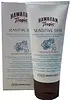
This chemical sunscreen covers most of the UV range, lighter on the deep UVA that drives aging.
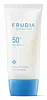
This hybrid sunscreen covers the full UV range and blocks ~98% of UVB at SPF 50.


What's inside
What's inside
 Key Ingredients
Benefits
Concerns
Ingredients Side-by-side
Water
Skin ConditioningHomosalate
Skin Conditioning

Octocrylene
UV Absorber

Ethylhexyl Salicylate
UV Absorber
Diisopropyl Adipate
EmollientButyl Methoxydibenzoylmethane
UV Absorber
Cetearyl Alcohol
Emollient





Glycerin
Humectant


Phenoxyethanol
Preservative
Benzyl Alcohol
Perfuming



Acrylates/C12-22 Alkyl Methacrylate Copolymer
C12-15 Alkyl Benzoate
AntimicrobialAcrylates/C10-30 Alkyl Acrylate Crosspolymer
Emulsion StabilisingDicetyl Phosphate
EmulsifyingCeteth-10 Phosphate
CleansingCoco-Glucoside
Cleansing
Chlorphenesin
Antimicrobial
Dimethicone
Emollient
Xanthan Gum
EmulsifyingSodium Hydroxide
BufferingDisodium EDTA
Tocopheryl Acetate
Antioxidant


Mangifera Indica Seed Butter
Skin Conditioning
Carica Papaya Fruit Extract
Skin ConditioningMangifera Indica Fruit Extract
Skin ConditioningPassiflora Incarnata Flower Extract
Skin ConditioningPsidium Guajava Fruit
Skin ConditioningPanthenol
Skin Conditioning

Aloe Barbadensis Leaf Juice
Skin Conditioning
Sodium Ascorbyl Phosphate
Antioxidant



Water, Homosalate, Octocrylene, Ethylhexyl Salicylate, Diisopropyl Adipate, Butyl Methoxydibenzoylmethane, Cetearyl Alcohol, Glycerin, Phenoxyethanol, Benzyl Alcohol, Acrylates/C12-22 Alkyl Methacrylate Copolymer, C12-15 Alkyl Benzoate, Acrylates/C10-30 Alkyl Acrylate Crosspolymer, Dicetyl Phosphate, Ceteth-10 Phosphate, Coco-Glucoside, Chlorphenesin, Dimethicone, Xanthan Gum, Sodium Hydroxide, Disodium EDTA, Tocopheryl Acetate, Mangifera Indica Seed Butter, Carica Papaya Fruit Extract, Mangifera Indica Fruit Extract, Passiflora Incarnata Flower Extract, Psidium Guajava Fruit, Panthenol, Aloe Barbadensis Leaf Juice, Sodium Ascorbyl Phosphate
Water
Skin ConditioningPropanediol
Solvent
Ethylhexyl Methoxycinnamate
UV Absorber
Dibutyl Adipate
EmollientDiethylamino Hydroxybenzoyl Hexyl Benzoate
UV Filter
C12-15 Alkyl Benzoate
AntimicrobialNiacinamide
Smoothing



Titanium Dioxide
Cosmetic Colorant
Polyglyceryl-2 Stearate
Emulsifying
Cetyl Alcohol
Emollient
Ethylhexyl Triazone
UV Absorber
Cyclopentasiloxane
Emollient
Stearyl Alcohol
Emollient
Silica
Abrasive
Glyceryl Stearate
Emollient
Cetearyl Olivate
Polysorbate 60
Emulsifying
Glyceryl Caprylate
EmollientAluminum Hydroxide
EmollientHydroxyethyl Acrylate/Sodium Acryloyldimethyl Taurate Copolymer
Emulsion StabilisingSorbitan Olivate
Emulsifying
Polyhydroxystearic Acid
Emulsifying
Methicone
Emollient
Myristyl Alcohol
Emollient
Adenosine
Skin Conditioning
Sorbitan Isostearate
Emulsifying
Lauryl Alcohol
Emollient
Sodium Hyaluronate
Humectant
Vaccinium Angustifolium Fruit Extract
Skin Protecting
Butylene Glycol
Humectant
Malpighia Emarginata Fruit Extract
Skin ConditioningCoco-Caprylate/Caprate
Emollient
Vitis Vinifera Seed Oil
Emollient
Prunus Armeniaca Kernel Oil
Masking
Propylene Glycol
Humectant
Biosaccharide Gum-4
Skin Conditioning
Salix Alba Bark Extract
Astringent
Origanum Vulgare Leaf Extract
Skin ConditioningMangifera Indica Fruit Extract
Skin ConditioningHyaluronic Acid
Humectant
Garcinia Mangostana Peel Extract
Skin ConditioningChamaecyparis Obtusa Leaf Extract
Skin ConditioningSolanum Lycopersicum Seed Oil
Emollient
Scutellaria Baicalensis Root Extract
Astringent
Punica Granatum Seed Oil
Emollient
Portulaca Oleracea Extract
Skin Conditioning
Mangifera Indica Seed Oil
Emollient
Lactobacillus/Soybean Ferment Extract
Skin ConditioningCitrus Paradisi Seed Oil
Perfuming
Cinnamomum Cassia Bark Extract
Masking
Tocopherol
Antioxidant
Tocopheryl Acetate
Antioxidant
Disodium EDTA
Ethylhexylglycerin
Skin Conditioning1,2-Hexanediol
Skin Conditioning
Phenoxyethanol
Preservative
Chlorphenesin
Antimicrobial
Parfum
Masking
Water, Propanediol, Ethylhexyl Methoxycinnamate, Dibutyl Adipate, Diethylamino Hydroxybenzoyl Hexyl Benzoate, C12-15 Alkyl Benzoate, Niacinamide, Titanium Dioxide, Polyglyceryl-2 Stearate, Cetyl Alcohol, Ethylhexyl Triazone, Cyclopentasiloxane, Stearyl Alcohol, Silica, Glyceryl Stearate, Cetearyl Olivate, Polysorbate 60, Glyceryl Caprylate, Aluminum Hydroxide, Hydroxyethyl Acrylate/Sodium Acryloyldimethyl Taurate Copolymer, Sorbitan Olivate, Polyhydroxystearic Acid, Methicone, Myristyl Alcohol, Adenosine, Sorbitan Isostearate, Lauryl Alcohol, Sodium Hyaluronate, Vaccinium Angustifolium Fruit Extract, Butylene Glycol, Malpighia Emarginata Fruit Extract, Coco-Caprylate/Caprate, Vitis Vinifera Seed Oil, Prunus Armeniaca Kernel Oil, Propylene Glycol, Biosaccharide Gum-4, Salix Alba Bark Extract, Origanum Vulgare Leaf Extract, Mangifera Indica Fruit Extract, Hyaluronic Acid, Garcinia Mangostana Peel Extract, Chamaecyparis Obtusa Leaf Extract, Solanum Lycopersicum Seed Oil, Scutellaria Baicalensis Root Extract, Punica Granatum Seed Oil, Portulaca Oleracea Extract, Mangifera Indica Seed Oil, Lactobacillus/Soybean Ferment Extract, Citrus Paradisi Seed Oil, Cinnamomum Cassia Bark Extract, Tocopherol, Tocopheryl Acetate, Disodium EDTA, Ethylhexylglycerin, 1,2-Hexanediol, Phenoxyethanol, Chlorphenesin, Parfum
Reviews
Ingredients Explained
These ingredients are found in both products.
Ingredients higher up in an ingredient list are typically present in a larger amount.
C12-15 Alkyl Benzoate is a lightweight emollient made by combinig benzoic acid with fatty alcohols that are 12-15 carbons long.
In cosmetics, it plays several roles:
The Cosmetic Review Expert Panel has concluded the alkyl benzoate group to be safe as used in cosmetics; it wasn't found to be a skin irritant and unlikely to be absorbed due to its low water solubility.
This report recorded almost 1000 reported uses with concentrations up to 59% in leave-on products but your cosmetics will typically use 0.5-15% depending on the product.
It's often called a "SPF booster": this is because it keeps UV filters properly dissolved and evenly distributed to support a sunscreen's performance. It doesn't actually raise SPF on its own.
Overall, this ingredient is well tolerated.
This ingredient is fungal acne safe because it is an ester of benzoic acid.
Think of this ingredient as two parts stuck together: an oily part and an acid part. Malassezia only gets a meal when it can snip off a fatty acid to eat. With C12-15 Alkyl Benzoate, the acid part is benzoic acid, which isn't a fatty acid and which the yeast can't use as food.
Benzoic acid is actually used as a preservative to stop yeast from growing.
The oily part is a blend of C12-15 fatty alcohols but fatty alcohols in this size range can support only a little Malassezia growth (mostly for one species of Malassezia as well).
In the ingredient, those alcohols stay locked inside the molecule. The yeast can only reach them by snipping the benzoate bond, and that type of bond is harder for it to cut than a normal fatty bond.
So not much gets released. And whatever does get snipped comes packaged with benzoic acid, which discourages yeast growth.
Learn more about C12-15 Alkyl BenzoateChlorphenesin is a synthetic preservative. It helps protect a product against bacteria in order to extend shelf life. In most cases, Chlorphenesin is paired with other preservatives such as phenoxyethanol and caprylyl glycol.
Chlorphenesin is a biocide. This means it is able to help fight the microorganisms on our skin. It is also able to fight odor-releasing bacteria.
Chlorphenesin is soluble in both water and glycerin.
Studies show Chlorphenesin is easily absorbed by our skin. You should speak with a skincare professional if you have concerns about using Chlorphenesin.
Learn more about ChlorphenesinDisodium EDTA is a chelating agent. It grabs onto and deactivates metal ions that sneak into your products from water, packaging, or air.
This ingredient mainly works behind the scenes and helps with:
On top of that, this ingredient can counteract the effects of hard water by binding to the minerals in it.
One thing worth knowing is that Disodium EDTA has been shown to be a mild penetration enhancer. It can help other ingredients absorb into skin more effectively which can be a double-edged sword (great for actives, but can also make the active too strong if you have sensitive skin).
Clinical patch testing showed no significant skin irritation at typical use concentrations and minimal dermal absorption.
You'll most likely see this ingredient near the end of an ingredient list. It's typically found in concentrations less than 1%.
Learn more about Disodium EDTAWe don't have a description for Mangifera Indica Fruit Extract yet.
Phenoxyethanol is one of the most widely used preservatives in skincare (and for good reason!).
It has a large spectrum of antimicrobial activity and especially effective bacteria, yeast, and mold while only having a weak effect on your skin's natural microbiome.
On a cellular level, it disrupts the cell membranes of microbes by poking holes that make the cell leak. This shuts down the chemical reactions the microbe needs to make energy so it can no longer survive.
Another perk of this ingredient is that it stays functional across a wide pH range (3-10).
You'll often see it paired with boosters like Ethylhexylglycerin; one study showed that a 1:9 ratio of Ethylhexylglycerin to Phenoxyethanol damages bacterial membranes as effectively as doubling the Phenoxyethanol concentration on its own.
Typical use concentrations range from 0.3-1% depending on the formula, and this ingredient is capped at 1% int the EU.
Safety-wise, the fear mongering does not hold up to the evidence. The EU's Scientific Committee on Consumer Safety and FDA consider it safe as a preservative at up to 1%, including for children of all ages.
Adverse systemic effects only showed up in animal studies at exposures roughly 200x higher than what people get from cosmetics. And despite its very widespread use, this ingredient is a rare sensitizer and allergic reactions are uncommon.
Learn more about PhenoxyethanolTocopheryl Acetate is a stable, shelf-friendly form of vitamin E.
Formulators love it because plain vitamin E oxidizes quickly once it hits air. This acetate version stays stable and resists going off, helping to extend a product's shelf life.
It's actually inactive on its own and works like a slow-release "storage" form; the enzymes in your skin called esterases gradually convert it into active vitamin E over time.
One in vivo study showed 5% of the acetate in the living layer of the epidermis converted to vitamin E after 5 days of application. This study also found the skin gained protection against UV damage even though the conversion was slow and small.
Once converted, vitamin E acts as a skin's main fat-soluble antioxidant that fights free radicals to protect skin from damage.
Topical vitamin E generally boosts the skin's photoprotection, and it reduced UV-damage in animal models.
This ingredient has some brightening potential but it's more of a prevention ingredient than spot-fader. Cell studies show it can slow down melanin production but it's worth noting that it's not the most powerful brightener out there.
Overall, it has a pretty solid safety profile and has been found to be non-irritating and non-comedogenic. Allergic reactions may happen but stay rare due to how widely the ingredient gets used.
The concentration will vary depending on the formula; industry data shows 0.1% in baby lotions, 3% in lipsticks, and 5% in foot powders. You can also find this ingredient at 100% in a pure vitamin E oil.
Most leave-on skincare keeps it at the lower end, often between 0.5-1%.
Learn more about Tocopheryl AcetateWater. It's the most common cosmetic ingredient of all. You'll usually see it at the top of ingredient lists, meaning that it makes up the largest part of the product.
So why is it so popular? Water most often acts as a solvent - this means that it helps dissolve other ingredients into the formulation.
You'll also recognize water as that liquid we all need to stay alive. If you see this, drink a glass of water. Remember to stay hydrated!
Learn more about Water

