Glow Recipe Guava Vitamin C Bright-Eye Gel Cream Versus Sunday Riley Auto Correct Brightening and Depuffing Eye Contour Cream
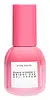
This brightening eye moisturizer is formulated around Niacinamide and Sodium Ascorbyl Phosphate to brighten dull-looking skin and fade the look of dark spots.
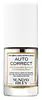
This anti-aging eye moisturizer is formulated around Coffea Arabica Seed Extract and Caffeine to soften the look of wrinkles.

What's inside
What's inside
 Key Ingredients
Benefits
Concerns
Ingredients Side-by-side
Water
Skin ConditioningCaprylic/Capric Triglyceride
Masking


Glycerin
Humectant
Niacinamide
Smoothing









Behenyl Alcohol
Emollient
Sorbitan Olivate
Emulsifying

Cetearyl Olivate
Sodium Ascorbyl Phosphate
Antioxidant

Butylene Glycol
Humectant
Diisostearyl Malate
EmollientTetrahexyldecyl Ascorbate
Antioxidant
Cetyl Palmitate
Emollient
Psidium Guajava Fruit Extract
AstringentAmmonium Acryloyldimethyltaurate/Vp Copolymer
Simmondsia Chinensis Seed Oil
Emollient
Psidium Guajava Seed Oil
Emollient
3-O-Ethyl Ascorbic Acid
Skin Conditioning
Ascorbyl Glucoside
Antioxidant
Magnesium Ascorbyl Phosphate
Antioxidant
Caffeine
Skin Conditioning
Acetyl Tetrapeptide-5
Humectant
Acetyl Hexapeptide-8
Humectant
Sodium Hyaluronate
Humectant
Polyglyceryl-10 Dioleate
Emulsifying
Sorbitan Palmitate
Emulsifying
Batyl Alcohol
EmollientHydroxyacetophenone
Antioxidant
Caprylyl Glycol
Emollient
Melia Azadirachta Extract
Skin Conditioning1,2-Hexanediol
Skin Conditioning
Citric Acid
Buffering
Polyglyceryl-10 Dipalmitate
Emollient
Sodium Citrate
BufferingSodium Phytate
Tocopherol
Antioxidant
Fraxinus Excelsior Bark Extract
Skin ConditioningMoringa Oleifera Seed Oil
Emollient
Phenoxyethanol
Preservative
Decyl Glucoside
Cleansing
Lauryl Glucoside
CleansingPyrus Malus Fruit Extract
Skin Conditioning
Potassium Citrate
BufferingSilanetriol
Musa Sapientum Fruit Extract
Skin ConditioningEthylhexylglycerin
Skin ConditioningPrunus Armeniaca Kernel Extract
Skin ConditioningPyrus Communis Fruit Extract
Skin ConditioningRubus Idaeus Fruit Extract
AstringentWater, Caprylic/Capric Triglyceride, Glycerin, Niacinamide, Behenyl Alcohol, Sorbitan Olivate, Cetearyl Olivate, Sodium Ascorbyl Phosphate, Butylene Glycol, Diisostearyl Malate, Tetrahexyldecyl Ascorbate, Cetyl Palmitate, Psidium Guajava Fruit Extract, Ammonium Acryloyldimethyltaurate/Vp Copolymer, Simmondsia Chinensis Seed Oil, Psidium Guajava Seed Oil, 3-O-Ethyl Ascorbic Acid, Ascorbyl Glucoside, Magnesium Ascorbyl Phosphate, Caffeine, Acetyl Tetrapeptide-5, Acetyl Hexapeptide-8, Sodium Hyaluronate, Polyglyceryl-10 Dioleate, Sorbitan Palmitate, Batyl Alcohol, Hydroxyacetophenone, Caprylyl Glycol, Melia Azadirachta Extract, 1,2-Hexanediol, Citric Acid, Polyglyceryl-10 Dipalmitate, Sodium Citrate, Sodium Phytate, Tocopherol, Fraxinus Excelsior Bark Extract, Moringa Oleifera Seed Oil, Phenoxyethanol, Decyl Glucoside, Lauryl Glucoside, Pyrus Malus Fruit Extract, Potassium Citrate, Silanetriol, Musa Sapientum Fruit Extract, Ethylhexylglycerin, Prunus Armeniaca Kernel Extract, Pyrus Communis Fruit Extract, Rubus Idaeus Fruit Extract
Water
Skin ConditioningPEG-8 Beeswax
Emulsifying
Caprylyl Caprylate/Caprate
Emollient
Polyglyceryl-6 Distearate
Emulsifying
Dimethicone
Emollient
C10-18 Triglycerides
Emollient
Glycerin
Humectant
Polypropylsilsesquioxane
Phenyl Trimethicone
Skin Conditioning
Hydroxyethyl Acrylate/Sodium Acryloyldimethyl Taurate Copolymer
Emulsion StabilisingTrimethylsiloxysilicate
Emollient
Anthemis Nobilis Flower Oil
Masking


Boron Nitride
Absorbent
Fructose
Humectant
Jojoba Esters
Emollient
Sodium Phytate
Theobroma Cacao Seed Butter
Emollient


Polyglyceryl-3 Beeswax
Emulsifying
Butyrospermum Parkii Butter
Skin Conditioning
Propanediol
Solvent
Aesculus Hippocastanum Extract
Antioxidant
Coffea Arabica Seed Extract
Masking
Methylpropanediol
SolventAcmella Oleracea Extract
Skin ProtectingPolysilicone-11
Caprylyl Glycol
Emollient
Caffeine
Skin Conditioning
Citrullus Lanatus Fruit Extract
Skin Conditioning
Pyrus Malus Fruit Extract
Skin Conditioning
Lens Esculenta Fruit Extract
Skin ConditioningSodium PCA
Humectant
Sodium Lactate
Buffering
Ptychopetalum Olacoides Bark/Stem Extract
Skin ConditioningPfaffia Paniculata Root Extract
SoothingLilium Candidum Flower Extract
Skin ConditioningPhenoxyethanol
Preservative
Glycolic Acid
Buffering
Synthetic Fluorphlogopite
Silica
Abrasive
Mica
Cosmetic ColorantTitanium Dioxide
Cosmetic Colorant

Carthamus Tinctorius Seed Oil
Masking
Tagetes Erecta Flower Extract
Perfuming
Triethyl Citrate
Masking
Cetyl Alcohol
Emollient
Caprylyl/Capryl Glucoside
CleansingBenzoic Acid
Masking
Lecithin
Emollient
Polysorbate 60
Emulsifying
Sorbitan Isostearate
Emulsifying
Potassium Sorbate
Preservative
Benzyl Alcohol
Perfuming

Sodium Benzoate
Masking
Citric Acid
Buffering
Linalool
Perfuming
Limonene
Perfuming
Water, PEG-8 Beeswax, Caprylyl Caprylate/Caprate, Polyglyceryl-6 Distearate, Dimethicone, C10-18 Triglycerides, Glycerin, Polypropylsilsesquioxane, Phenyl Trimethicone, Hydroxyethyl Acrylate/Sodium Acryloyldimethyl Taurate Copolymer, Trimethylsiloxysilicate, Anthemis Nobilis Flower Oil, Boron Nitride, Fructose, Jojoba Esters, Sodium Phytate, Theobroma Cacao Seed Butter, Polyglyceryl-3 Beeswax, Butyrospermum Parkii Butter, Propanediol, Aesculus Hippocastanum Extract, Coffea Arabica Seed Extract, Methylpropanediol, Acmella Oleracea Extract, Polysilicone-11, Caprylyl Glycol, Caffeine, Citrullus Lanatus Fruit Extract, Pyrus Malus Fruit Extract, Lens Esculenta Fruit Extract, Sodium PCA, Sodium Lactate, Ptychopetalum Olacoides Bark/Stem Extract, Pfaffia Paniculata Root Extract, Lilium Candidum Flower Extract, Phenoxyethanol, Glycolic Acid, Synthetic Fluorphlogopite, Silica, Mica, Titanium Dioxide, Carthamus Tinctorius Seed Oil, Tagetes Erecta Flower Extract, Triethyl Citrate, Cetyl Alcohol, Caprylyl/Capryl Glucoside, Benzoic Acid, Lecithin, Polysorbate 60, Sorbitan Isostearate, Potassium Sorbate, Benzyl Alcohol, Sodium Benzoate, Citric Acid, Linalool, Limonene
Reviews
Alternatives
Ingredients Explained
These ingredients are found in both products.
Ingredients higher up in an ingredient list are typically present in a larger amount.
Caffeine is a naturally occurring plant compound found in coffee beans, tea leaves, cocoa pods, and guarana.
As an antioxidant, caffeine protects your skin from free radical damage caused by UV exposure and envionrmnetal stressors.
Early research also shows that caffeine can help calm redness, soothe irritated skin, and support hair growth by stimulating microcirculation in the scalp.
You might have seen eye creams marketing caffeine as a depuffing ingredient. This is because it is a vasoconstrictor meaning it can temporarily constrict blood vessels, though clinical evidence for this specific use is still limited.
Most skincare products contain this ingredient at concentrations between 1-6%. It is able to penetrate skin easily regardless of skin type or thickness.
Just so you know, a very small number of case reports describe caffeine-induced allergy. This ingredient is generally well-tolerated, non-irritating, and non-sensitizing for the majority of people.
Learn more about CaffeineCaprylyl Glycol is a humectant, skin conditioner, emollient, and preservative booster derived from either caprylic acid or synthetically created.
Typical use levels vary from 0.3-1% as a preservative booster and go up to 2% to condition skin.
Because it is not a free-fatty acid, this ingredient is fungal acne safe (there's nothing for Malassezia to feed on).
Learn more about Caprylyl GlycolCitric Acid is an alpha hydroxy acid (AHA) naturally found in citrus fruits like oranges, lemons, and limes.
Like other AHAs, citric acid can exfoliate skin by breaking down the bonds that hold dead skin cells together. This helps reveal smoother and brighter skin underneath.
However, this exfoliating effect only happens at high concentrations (20%) which can be hard to find in cosmetic products.
Due to this, citric acid is usually included in small amounts as a pH adjuster. This helps keep products slightly more acidic and compatible with skin's natural pH.
In skincare formulas, citric acid can:
While it can provide some skin benefits, research shows lactic acid and glycolic acid are generally more effective and less irritating exfoliants.
Most citric acid used in skincare today is made by fermenting sugars (usually from molasses). This synthetic version is identical to the natural citrus form but easier to stabilize and use in formulations.
Read more about some other popular AHA's here:
Learn more about Citric AcidGlycerin (or glycerol) is a compound naturally found in your skin. It's a powerhouse humectant that pulls water into the stratum corneum.
Topically, glycerin does several things at once:
Your skin makes glycerin on its own (mostly from sebaceous oil breakdown) and shuttles it to your outermost layer of skin, or your epidermis, via aquaporin-3.
Aquaporin-3 is a transporter that is essential for normal skin hydration, elasticity, and repair. Interestingly, mice lacking in AQP3 have dry and less elastic skin that can be fully corrected with glycerin.
This ingredient is non-irritating, plays well with almost every ingredient, and works across all skin types. Typical use is anywhere between 3-10% but can go up to 79% in some leave-on products.
Just know very high concentrations (>40%) can feel tacky in low humidity.
Glycerin is the name for this ingredient in American English. British English uses Glycerol/Glycerine.
Learn more about GlycerinPhenoxyethanol is one of the most widely used preservatives in skincare (and for good reason!).
It has a large spectrum of antimicrobial activity and especially effective bacteria, yeast, and mold while only having a weak effect on your skin's natural microbiome.
On a cellular level, it disrupts the cell membranes of microbes by poking holes that make the cell leak. This shuts down the chemical reactions the microbe needs to make energy so it can no longer survive.
Another perk of this ingredient is that it stays functional across a wide pH range (3-10).
You'll often see it paired with boosters like Ethylhexylglycerin; one study showed that a 1:9 ratio of Ethylhexylglycerin to Phenoxyethanol damages bacterial membranes as effectively as doubling the Phenoxyethanol concentration on its own.
Typical use concentrations range from 0.3-1% depending on the formula, and this ingredient is capped at 1% int the EU.
Safety-wise, the fear mongering does not hold up to the evidence. The EU's Scientific Committee on Consumer Safety and FDA consider it safe as a preservative at up to 1%, including for children of all ages.
Adverse systemic effects only showed up in animal studies at exposures roughly 200x higher than what people get from cosmetics. And despite its very widespread use, this ingredient is a rare sensitizer and allergic reactions are uncommon.
Learn more about PhenoxyethanolPyrus Malus Fruit Extract is extract from Apples. Apples are rich in Vitamin C, sugars, and antioxidants.
The sugar in Apples are humectants and help hydrate the skin. On top of that, apples also contain some acids, such as malic acid. These acids may have a mild exfoliating effect.
Last, the phytochemicals found in apples are strong antioxidants. These antioxidants help with anti-aging as they protect your skin cells against oxidative damage.
Learn more about Pyrus Malus Fruit ExtractSodium Phytate is the synthetic salt form of phytic acid. Phytic acid is an antioxidant and can be found in plant seeds.
Sodium Phytate is a chelating agent. Chelating agents help prevent metals from binding to water. This helps stabilize the ingredients and the product.
Water. It's the most common cosmetic ingredient of all. You'll usually see it at the top of ingredient lists, meaning that it makes up the largest part of the product.
So why is it so popular? Water most often acts as a solvent - this means that it helps dissolve other ingredients into the formulation.
You'll also recognize water as that liquid we all need to stay alive. If you see this, drink a glass of water. Remember to stay hydrated!
Learn more about Water

