Glow Recipe Avocado Ceramide Moisture Barrier Cleanser Versus Dermalogica Intensive Moisture Cleanser
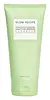
This mild gel cleanser is made to cleanse while respecting your skin barrier.
This mild cream cleanser is made to cleanse without leaving your skin tight or dry.

What's inside
What's inside
 Key Ingredients
Benefits
Concerns
Ingredients Side-by-side
Water
Skin ConditioningGlycerin
Humectant


Sodium Cocoyl Alaninate
Surfactant
Sodium Methyl Cocoyl Taurate
Cleansing
Acrylates/C10-30 Alkyl Acrylate Crosspolymer
Emulsion StabilisingInulin
Skin Conditioning
Butylene Glycol
Humectant
Ceramide NP
Skin Conditioning



Colloidal Oatmeal
Absorbent
Caprylyl Glycol
Emollient
Lauryl Hydroxysultaine
CleansingCoco-Glucoside
Cleansing
Sodium Hyaluronate
Humectant
Persea Gratissima Oil
Skin Conditioning




Persea Gratissima Fruit Extract
EmollientSaccharide Isomerate
Humectant
Micrococcus Lysate
Skin ConditioningGlyceryl Caprylate
EmollientPolyglyceryl-10 Laurate
Skin Conditioning
Styrene/Acrylates Copolymer
Sodium Cocoyl Isethionate
Cleansing
1,2-Hexanediol
Skin Conditioning
Epidermidibacterium Keratini Ferment Filtrate
EmollientQuillaja Saponaria Bark Extract
CleansingSodium Phytate
ChelatingLecithin
Emollient
Dipotassium Glycyrrhizate
Humectant
Citric Acid
Buffering

Moringa Oleifera Seed Oil
Emollient
Sodium Citrate
BufferingButyl Avocadate
Skin Conditioning
Arginine
Masking
Phytosphingosine
Skin Conditioning
Hydrogenated Lecithin
Emulsifying
Hydroxypropyltrimonium Hyaluronate
Mannose
HumectantHydrolyzed Hyaluronic Acid
Humectant
Sodium Acetylated Hyaluronate
Humectant
Maltodextrin
Absorbent
Tocopherol
Antioxidant


Hyaluronic Acid
Humectant
Hydrolyzed Sodium Hyaluronate
Skin Conditioning
Sodium Hyaluronate Crosspolymer
Humectant
Potassium Hyaluronate
Skin ConditioningXanthan Gum
EmulsifyingAloe Ferox Leaf Extract
Skin ConditioningHexylene Glycol
EmulsifyingTriacetin
AntimicrobialGardenia Florida Fruit Extract
Skin ConditioningDextrin
AbsorbentParfum
Masking


Water, Glycerin, Sodium Cocoyl Alaninate, Sodium Methyl Cocoyl Taurate, Acrylates/C10-30 Alkyl Acrylate Crosspolymer, Inulin, Butylene Glycol, Ceramide NP, Colloidal Oatmeal, Caprylyl Glycol, Lauryl Hydroxysultaine, Coco-Glucoside, Sodium Hyaluronate, Persea Gratissima Oil, Persea Gratissima Fruit Extract, Saccharide Isomerate, Micrococcus Lysate, Glyceryl Caprylate, Polyglyceryl-10 Laurate, Styrene/Acrylates Copolymer, Sodium Cocoyl Isethionate, 1,2-Hexanediol, Epidermidibacterium Keratini Ferment Filtrate, Quillaja Saponaria Bark Extract, Sodium Phytate, Lecithin, Dipotassium Glycyrrhizate, Citric Acid, Moringa Oleifera Seed Oil, Sodium Citrate, Butyl Avocadate, Arginine, Phytosphingosine, Hydrogenated Lecithin, Hydroxypropyltrimonium Hyaluronate, Mannose, Hydrolyzed Hyaluronic Acid, Sodium Acetylated Hyaluronate, Maltodextrin, Tocopherol, Hyaluronic Acid, Hydrolyzed Sodium Hyaluronate, Sodium Hyaluronate Crosspolymer, Potassium Hyaluronate, Xanthan Gum, Aloe Ferox Leaf Extract, Hexylene Glycol, Triacetin, Gardenia Florida Fruit Extract, Dextrin, Parfum
Water
Skin ConditioningGlycerin
Humectant
Caprylic/Capric Triglyceride
Masking
Sodium Cocoyl Isethionate
Cleansing
Sodium Lauroyl Glutamate
SurfactantDivinyldimethicone/Dimethicone Copolymer

Sodium Astrocaryum Murumuruate
EmollientCeramide NP
Skin Conditioning
Phytosterols
Skin Conditioning
Palmitic Acid
Emollient
Stearic Acid
Cleansing
Hydrogenated Coconut Acid
Emollient
Hydrolyzed Cottonseed Protein
Skin ConditioningCitrus Aurantium Dulcis Peel Oil
Masking
Tocopherol
Antioxidant
Xanthan Gum
EmulsifyingDimethicone
Emollient
Butyrospermum Parkii Butter
Skin Conditioning
Carthamus Tinctorius Seed Oil
Masking
C12-13 Pareth-3
EmulsifyingPrunus Amygdalus Dulcis Oil
Skin Conditioning
Tetrasodium Glutamate Diacetate
ChelatingCaprylyl Glycol
Emollient
Citrus Paradisi Peel Oil
Masking

Citrus Reticulata Leaf Oil
Masking
Myristic Acid
Cleansing
Trideceth-12
EmulsifyingJasminum Officinale Oil
Masking
Linoleic Acid
Cleansing
Amyris Balsamifera Bark Oil
Masking
Cananga Odorata Flower Oil
Masking
Citrus Limon Peel Oil
Masking
Cymbopogon Martini Oil
Masking
Eugenia Caryophyllus Leaf Oil
Masking
Pelargonium Graveolens Flower Oil
Masking
Salvia Sclarea Oil
Masking
Citrus Limon Fruit Extract
Masking
Decyl Glucoside
Cleansing
Canarium Luzonicum Gum Nonvolatiles
MaskingCitrus Aurantium Dulcis Flower Oil
Astringent
Guaiacum Officinale Wood Oil
Masking
Rosa Damascena Flower Oil
Masking
Zingiber Officinale Root Oil
Masking
Disodium EDTA
ChelatingEquisetum Arvense Extract
AstringentHumulus Lupulus Extract
AntimicrobialPinus Sylvestris Cone Extract
Masking
Rosmarinus Officinalis Leaf Extract
AntimicrobialHexylene Glycol
EmulsifyingLinolenic Acid
Cleansing
Pentylene Glycol
Skin Conditioning
Aminomethyl Propanol
BufferingSodium Chloride
MaskingSodium Isethionate
CleansingPropanediol
Solvent
Butylene Glycol
Humectant
Polysilicone-11

Sodium Hydroxide
BufferingEthylhexylglycerin
Skin ConditioningAcrylates/C10-30 Alkyl Acrylate Crosspolymer
Emulsion StabilisingPEG-12 Dimethicone
Skin Conditioning
Limonene
Perfuming
Phenoxyethanol
Preservative
Water, Glycerin, Caprylic/Capric Triglyceride, Sodium Cocoyl Isethionate, Sodium Lauroyl Glutamate, Divinyldimethicone/Dimethicone Copolymer, Sodium Astrocaryum Murumuruate, Ceramide NP, Phytosterols, Palmitic Acid, Stearic Acid, Hydrogenated Coconut Acid, Hydrolyzed Cottonseed Protein, Citrus Aurantium Dulcis Peel Oil, Tocopherol, Xanthan Gum, Dimethicone, Butyrospermum Parkii Butter, Carthamus Tinctorius Seed Oil, C12-13 Pareth-3, Prunus Amygdalus Dulcis Oil, Tetrasodium Glutamate Diacetate, Caprylyl Glycol, Citrus Paradisi Peel Oil, Citrus Reticulata Leaf Oil, Myristic Acid, Trideceth-12, Jasminum Officinale Oil, Linoleic Acid, Amyris Balsamifera Bark Oil, Cananga Odorata Flower Oil, Citrus Limon Peel Oil, Cymbopogon Martini Oil, Eugenia Caryophyllus Leaf Oil, Pelargonium Graveolens Flower Oil, Salvia Sclarea Oil, Citrus Limon Fruit Extract, Decyl Glucoside, Canarium Luzonicum Gum Nonvolatiles, Citrus Aurantium Dulcis Flower Oil, Guaiacum Officinale Wood Oil, Rosa Damascena Flower Oil, Zingiber Officinale Root Oil, Disodium EDTA, Equisetum Arvense Extract, Humulus Lupulus Extract, Pinus Sylvestris Cone Extract, Rosmarinus Officinalis Leaf Extract, Hexylene Glycol, Linolenic Acid, Pentylene Glycol, Aminomethyl Propanol, Sodium Chloride, Sodium Isethionate, Propanediol, Butylene Glycol, Polysilicone-11, Sodium Hydroxide, Ethylhexylglycerin, Acrylates/C10-30 Alkyl Acrylate Crosspolymer, PEG-12 Dimethicone, Limonene, Phenoxyethanol
Reviews
Ingredients Explained
These ingredients are found in both products.
Ingredients higher up in an ingredient list are typically present in a larger amount.
Acrylates/C10-30 Alkyl Acrylate Crosspolymer is a synthetic polymer. It is used to thicken, emulsify, and improve the texture of products.
As an emulsifier, it helps stabilize oil-in-water emulsions to give products an elegant feel when applied.
It can also form a thin protective film on skin. One study found that a formula using this polymer helped slow down how quickly other ingredients (like DEET) were absorbed through skin.
A 2024 study of over 1,300 patients confirmed that sensitization to this ingredient is rare. It is also non-mutagenic and has a clean track record.
Learn more about Acrylates/C10-30 Alkyl Acrylate CrosspolymerButylene Glycol (or BG) is used within cosmetic products for a few different reasons:
Overall, Butylene Glycol is a safe and well-rounded ingredient that works well with other ingredients.
Though this ingredient works well with most skin types, some people with sensitive skin may experience a reaction such as allergic rashes, closed comedones, or itchiness.
Learn more about Butylene GlycolCaprylyl Glycol is a humectant, skin conditioner, emollient, and preservative booster derived from either caprylic acid or synthetically created.
Typical use levels vary from 0.3-1% as a preservative booster and go up to 2% to condition skin.
Because it is not a free-fatty acid, this ingredient is fungal acne safe (there's nothing for Malassezia to feed on).
Learn more about Caprylyl GlycolCeramide NP (formerly known as Ceramide 3) is one of the skin's naturally occurring lipids.
Since ceramides are the major lipid components of the skin, they are crucial for maintaining skin barrier and hydration. Ceramide NP most closely mirrors the dominant kind in human skin amongst ceramide subtypes.
This ceramide works by slotting into gaps within the stratum corneum's lipid matrix to limit trans-epidermal water loss (TEWL) and shield the skin against external irritants.
A study with 312 patients found that using a ceramide-containing routine for 4 weeks reduced the severity of atopic dermatitis by over 61%.
Another clinical study in subjects aged 60 and older found that a ceramide body wash and moisturizer improved skin dryness and itchy skin in 15 days.
Overall, ceramides are considered non-irritating and safety tests have found little to no observable adverse effects from using this ingredient.
Ceramide NP is usually sourced from plants (like soybean or rice bran), or produced synthetically.
Learn more about Ceramide NPGlycerin (or glycerol) is a compound naturally found in your skin. It's a powerhouse humectant that pulls water into the stratum corneum.
Topically, glycerin does several things at once:
Your skin makes glycerin on its own (mostly from sebaceous oil breakdown) and shuttles it to your outermost layer of skin, or your epidermis, via aquaporin-3.
Aquaporin-3 is a transporter that is essential for normal skin hydration, elasticity, and repair. Interestingly, mice lacking in AQP3 have dry and less elastic skin that can be fully corrected with glycerin.
This ingredient is non-irritating, plays well with almost every ingredient, and works across all skin types. Typical use is anywhere between 3-10% but can go up to 79% in some leave-on products.
Just know very high concentrations (>40%) can feel tacky in low humidity.
Glycerin is the name for this ingredient in American English. British English uses Glycerol/Glycerine.
Learn more about GlycerinHexylene Glycol is a multitasker ingredient that works as a solvent, humectant, emulsifier, viscosity reducer, and preservative booster.
It is able to dissolve both water and oil-soluble ingredients to stabilize tricky actives and make products spread more easily.
As a humectant, it pulls water into the skin. But it's a pretty minor moisturizing ingredient compared to other humectants, like glycerin.
Interestingly, it can act as a mild penetration enhancer. One in vitro study on human skin found a 12% concentration upped the absorption of mometasone furoate (a medicinal ingredient used to treat inflammatory skin conditions) up to 7%.
This ingredient is typically used at levels of 0.1-10% depending on the role it's playing.
A patch test study on eczema patients didn't find a significant increase in irritation versus the control group, but the potential for irritation rises at higher concentrations.
Learn more about Hexylene GlycolSodium cocoyl isethionate is a natural ingredient from coconut oil. It is an ultra gentle cleanser that gives a nice foam without drying the skin or impacting the skin barrier.
The amount of foam created depends on the amount of sodium cocoyl isethionate used in the product.
This ingredient also helps improve the spreadability of a product.
This ingredient hasn’t been shown in studies to feed fungal acne yeast.
Learn more about Sodium Cocoyl IsethionateTocopherol is a fat-soluble antioxidant known as Vitamin E.
You'll find this ingredient in the vast majority of skincare (for good reason). It works to neutralize free radicals, or unstable molecules generated by UV exposure, pollution, and other environmental stressors, before they can cause oxidative damage to your skin cells.
Topically applied tocopherol has been shown to protect against UV damage by ramping up the skin's own natural defense enzymes.
It also acts as a skin conditioning agent; some studies show that regular topical use can improve the skin's water-binding capacity over 2-4 weeks.
This ingredient is especially loved for being a team player. When combined with Vitamin C, the photoprotective effect of both ingredients roughly doubles and the combo also helps reduce UV-induced DNA damage.
This ingredient has some brightening potential but it's more of a prevention ingredient than spot-fader. Cell studies show it can slow down melanin production but it's worth noting that it's not the most powerful brightener out there.
In formulations, it also serves as a stabilizer that helps protect other oxidation-prone ingredients from degrading.
Concentrations usually range from 0.1-1% in most leave-on products.
Learn more about TocopherolWater. It's the most common cosmetic ingredient of all. You'll usually see it at the top of ingredient lists, meaning that it makes up the largest part of the product.
So why is it so popular? Water most often acts as a solvent - this means that it helps dissolve other ingredients into the formulation.
You'll also recognize water as that liquid we all need to stay alive. If you see this, drink a glass of water. Remember to stay hydrated!
Learn more about WaterXanthan gum is used as a stabilizer and thickener within cosmetic products. It helps give products a sticky, thick feeling - preventing them from being too runny.
On the technical side of things, xanthan gum is a polysaccharide - a combination consisting of multiple sugar molecules bonded together.
Xanthan gum is a pretty common and great ingredient. It is a natural, non-toxic, non-irritating ingredient that is also commonly used in food products.
Learn more about Xanthan Gum


