
What's inside
What's inside
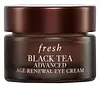 Key Ingredients
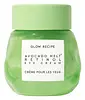
Benefits
Concerns
Ingredients Side-by-side
Water
Skin ConditioningGlycerin
Humectant


Squalane
Emollient
Propylene Glycol Dicaprylate/Dicaprate
EmollientButylene Glycol
Humectant
Cetearyl Alcohol
Emollient




Behenyl Behenate
EmollientPentylene Glycol
Skin Conditioning
Polyglycerin-6
HumectantC10-18 Triglycerides
Emollient
Silica
Abrasive


Camellia Sinensis Leaf Extract
Antimicrobial



Nephelium Lappaceum Leaf Extract
Skin ConditioningZingiber Zerumbet Extract
Skin ConditioningTocopherol
Antioxidant

Cetearyl Glucoside
Emulsifying
Stearalkonium Hectorite
Gel FormingSodium Polyacrylate
Absorbent
Polyglycerin-3
Humectant
Pullulan
Maltodextrin
Absorbent
Propanediol
Solvent
Sodium Stearoyl Glutamate
CleansingParfum
Masking



Propylene Carbonate
SolventAcrylates/C10-30 Alkyl Acrylate Crosspolymer
Emulsion StabilisingAscorbyl Tetraisopalmitate
Antioxidant
Ceramide NP
Skin Conditioning
Sodium Hyaluronate
Humectant
Hydroxyacetophenone
Antioxidant
Adenosine
Skin Conditioning
Sodium Hydroxide
BufferingBiosaccharide Gum-2
Skin ConditioningCaramel
Cosmetic ColorantSodium Benzoate
Masking
Chlorphenesin
Antimicrobial
Potassium Sorbate
Preservative
Linalool
Perfuming

Citronellol
Perfuming
Geraniol
Perfuming
Water, Glycerin, Squalane, Propylene Glycol Dicaprylate/Dicaprate, Butylene Glycol, Cetearyl Alcohol, Behenyl Behenate, Pentylene Glycol, Polyglycerin-6, C10-18 Triglycerides, Silica, Camellia Sinensis Leaf Extract, Nephelium Lappaceum Leaf Extract, Zingiber Zerumbet Extract, Tocopherol, Cetearyl Glucoside, Stearalkonium Hectorite, Sodium Polyacrylate, Polyglycerin-3, Pullulan, Maltodextrin, Propanediol, Sodium Stearoyl Glutamate, Parfum, Propylene Carbonate, Acrylates/C10-30 Alkyl Acrylate Crosspolymer, Ascorbyl Tetraisopalmitate, Ceramide NP, Sodium Hyaluronate, Hydroxyacetophenone, Adenosine, Sodium Hydroxide, Biosaccharide Gum-2, Caramel, Sodium Benzoate, Chlorphenesin, Potassium Sorbate, Linalool, Citronellol, Geraniol
Water
Skin ConditioningGlycerin
Humectant
Propanediol
Solvent
Cetearyl Alcohol
Emollient
Glyceryl Stearate
Emollient
Persea Gratissima Oil
Skin Conditioning
C9-12 Alkane
SolventStearic Acid
Cleansing
Butyrospermum Parkii Butter
Skin Conditioning
Kaolin
Abrasive
Sodium Lauroyl Glutamate
SurfactantPersea Gratissima Fruit Extract
EmollientSqualane
Emollient
Niacinamide
Smoothing

Ethylhexylglycerin
Skin ConditioningHexylresorcinol
Antimicrobial
Oryza Sativa Extract
Absorbent
Tocopheryl Acetate
Antioxidant
Aloe Barbadensis Leaf Juice
Skin Conditioning
Coffea Arabica Fruit Extract
Antioxidant
Hyaluronic Acid
Humectant
Ethylhexyl Palmitate
Emollient
Sodium Hyaluronate
Humectant
Retinol
Skin Conditioning
Pei-10
Hydrated Silica
Abrasive
Sodium Chloride
MaskingFructan
Skin ConditioningMaltodextrin
Absorbent
Spirulina Maxima Extract
SmoothingCI 75300
Cosmetic ColorantPotassium Chloride
Potassium Phosphate
BufferingButylene Glycol
Humectant
Sodium Phosphate
BufferingHydrogenated Starch Hydrolysate
HumectantMaltooligosyl Glucoside
Skin ConditioningArginine
Masking
Silica Dimethyl Silylate
EmollientSodium Dilauramidoglutamide Lysine
HumectantSodium Hydroxide
BufferingCitric Acid
Buffering
Caprylyl Glycol
Emollient
Carthamus Tinctorius Seed Extract
Skin ConditioningLavandula Angustifolia Flower/Leaf/Stem Extract
Masking
Malachite Extract
Antioxidant
Rosmarinus Officinalis Leaf Extract
AntimicrobialPPG-3 Benzyl Ether Myristate
EmollientPolyisobutene
Pvp
Emulsion StabilisingC13-15 Alkane
SolventAcrylates/C10-30 Alkyl Acrylate Crosspolymer
Emulsion StabilisingSodium Hydroxypropylsulfonate Laurylglucoside Crosspolymer
CleansingParfum
Masking
Hexylene Glycol
EmulsifyingPotassium Sorbate
Preservative
Sodium Benzoate
Masking
Phenoxyethanol
Preservative
Water, Glycerin, Propanediol, Cetearyl Alcohol, Glyceryl Stearate, Persea Gratissima Oil, C9-12 Alkane, Stearic Acid, Butyrospermum Parkii Butter, Kaolin, Sodium Lauroyl Glutamate, Persea Gratissima Fruit Extract, Squalane, Niacinamide, Ethylhexylglycerin, Hexylresorcinol, Oryza Sativa Extract, Tocopheryl Acetate, Aloe Barbadensis Leaf Juice, Coffea Arabica Fruit Extract, Hyaluronic Acid, Ethylhexyl Palmitate, Sodium Hyaluronate, Retinol, Pei-10, Hydrated Silica, Sodium Chloride, Fructan, Maltodextrin, Spirulina Maxima Extract, CI 75300, Potassium Chloride, Potassium Phosphate, Butylene Glycol, Sodium Phosphate, Hydrogenated Starch Hydrolysate, Maltooligosyl Glucoside, Arginine, Silica Dimethyl Silylate, Sodium Dilauramidoglutamide Lysine, Sodium Hydroxide, Citric Acid, Caprylyl Glycol, Carthamus Tinctorius Seed Extract, Lavandula Angustifolia Flower/Leaf/Stem Extract, Malachite Extract, Rosmarinus Officinalis Leaf Extract, PPG-3 Benzyl Ether Myristate, Polyisobutene, Pvp, C13-15 Alkane, Acrylates/C10-30 Alkyl Acrylate Crosspolymer, Sodium Hydroxypropylsulfonate Laurylglucoside Crosspolymer, Parfum, Hexylene Glycol, Potassium Sorbate, Sodium Benzoate, Phenoxyethanol
Reviews
Ingredients Explained
These ingredients are found in both products.
Ingredients higher up in an ingredient list are typically present in a larger amount.
Acrylates/C10-30 Alkyl Acrylate Crosspolymer is a synthetic polymer. It is used to thicken, emulsify, and improve the texture of products.
As an emulsifier, it helps stabilize oil-in-water emulsions to give products an elegant feel when applied.
It can also form a thin protective film on skin. One study found that a formula using this polymer helped slow down how quickly other ingredients (like DEET) were absorbed through skin.
A 2024 study of over 1,300 patients confirmed that sensitization to this ingredient is rare. It is also non-mutagenic and has a clean track record.
Learn more about Acrylates/C10-30 Alkyl Acrylate CrosspolymerButylene Glycol (or BG) is used within cosmetic products for a few different reasons:
Overall, Butylene Glycol is a safe and well-rounded ingredient that works well with other ingredients.
Though this ingredient works well with most skin types, some people with sensitive skin may experience a reaction such as allergic rashes, closed comedones, or itchiness.
Learn more about Butylene GlycolCetearyl alcohol is a waxy mixture of two fatty alcohols: cetyl alcohol and stearyl alcohol. It is an emollient and emulsifier.
Despite having "alcohol" in its name, it has nothing to do with drying solvent alcohols; the FDA also allows "alcohol-free" products to contain fatty alcohols like this ingredient.
It plays several roles in a formula:
Typical use levels for this ingredient sit around 1-10% and the Cosmetic Ingredient Review Expert Panel has affirmed safety at concentrations up to 25% in leave-on products.
Multiple assessments have found it to be non-irritating and non-sensitizing to most people.
However, there have been some cases of allergic contact dermatitis in patients with chronically compromised skin barriers.
Cetearyl alcohol has a comedogenic rating of 2 and irritancy rating of 1. Both of these numbers come from the 1989 study that used rabbit ears; a "2" means mildly comedogenic and a "1" means low irritancy.
Here's the catch: rabbit skin is more sensitive than human skin and throws a lot of false positives. A 1996 reappraisal found that ingredients rated 1-2 in the rabbit ear tests are generally safe for humans.
Remember comedogenic ratings are unable to assess the entire formula of a product or how it will react on your skin. Just be sure to patch test if you are unsure about certain ingredients.
This ingredient is not fungal acne safe. Cetearyl alcohol is a fatty alcohol with chain lengths that fall within the range that Malassezia can metabolize.
A 2019 study has also observed Malassezia growth in the presence of this ingredient, confirming it to be not-fungal acne safe.
Learn more about Cetearyl AlcoholGlycerin (or glycerol) is a compound naturally found in your skin. It's a powerhouse humectant that pulls water into the stratum corneum.
Topically, glycerin does several things at once:
Your skin makes glycerin on its own (mostly from sebaceous oil breakdown) and shuttles it to your outermost layer of skin, or your epidermis, via aquaporin-3.
Aquaporin-3 is a transporter that is essential for normal skin hydration, elasticity, and repair. Interestingly, mice lacking in AQP3 have dry and less elastic skin that can be fully corrected with glycerin.
This ingredient is non-irritating, plays well with almost every ingredient, and works across all skin types. Typical use is anywhere between 3-10% but can go up to 79% in some leave-on products.
Just know very high concentrations (>40%) can feel tacky in low humidity.
Glycerin is the name for this ingredient in American English. British English uses Glycerol/Glycerine.
Learn more about GlycerinMaltodextrin is a polysaccharide. It is derived from starch such as rice, corn, wheat, or potato starch.
In food, Maltodextrin is used to improve the texture and thicken a product. Due to its structure, it can help create a gel texture. As an emulsion stabilizer, it helps keep the ingredients in a product together.
As a polysaccharide, Maltodextrin has moisturizing properties. Polysaccharides are a type of carbohydrate. The top layer of skin uses polysaccharides to retain water, keeping the skin hydrated.
Maltodextrin is water soluble and has a sweet taste.
Learn more about MaltodextrinParfum is a catch-all term for an ingredient or more that is used to give a scent to products.
Also called "fragrance", this ingredient can be a blend of hundreds of chemicals or plant oils. This means every product with "fragrance" or "parfum" in the ingredients list is a different mixture.
For instance, Habanolide is a proprietary trade name for a specific aroma chemical. When used as a fragrance ingredient in cosmetics, most aroma chemicals fall under the broad labeling category of “FRAGRANCE” or “PARFUM” according to EU and US regulations.
The term 'parfum' or 'fragrance' is not regulated in many countries. In many cases, it is up to the brand to define this term.
For instance, many brands choose to label themselves as "fragrance-free" because they are not using synthetic fragrances. However, their products may still contain ingredients such as essential oils that are considered a fragrance by INCI standards.
One example is Calendula flower extract. Calendula is an essential oil that still imparts a scent or 'fragrance'.
Depending on the blend, the ingredients in the mixture can cause allergies and sensitivities on the skin. Some ingredients that are known EU allergens include linalool and citronellol.
Parfum can also be used to mask or cover an unpleasant scent.
The bottom line is: not all fragrances/parfum/ingredients are created equally. If you are worried about fragrances, we recommend taking a closer look at an ingredient. And of course, we always recommend speaking with a professional.
Learn more about ParfumPotassium Sorbate is a preservative used to prevent yeast and mold in products. It is commonly found in both cosmetic and food products.
This ingredient comes from potassium salt derived from sorbic acid. Sorbic acid is a natural antibiotic and effective against fungus.
Both potassium sorbate and sorbic acid can be found in baked goods, cheeses, dried meats, dried fruit, ice cream, pickles, wine, yogurt, and more.
You'll often find this ingredient used with other preservatives.
Learn more about Potassium SorbatePropanediol is an all-star ingredient. It softens, hydrates, and smooths the skin.
It’s often used to:
Propanediol is not likely to cause sensitivity and considered safe to use. It is derived from corn or petroleum with a clear color and no scent.
Learn more about PropanediolSodium Benzoate is a preservative. It's used in both cosmetic and food products to inhibit the growth of mold and bacteria. It is typically produced synthetically.
Both the US FDA and EU Health Committee have approved the use of sodium benzoate. In the US, levels of 0.1% (of the total product) are allowed.
Sodium benzoate works as a preservative by inhibiting the growth of bacteria inside of cells. It prevents the cell from fermenting a type of sugar using an enzyme called phosphofructokinase.
It is the salt of benzoic acid. Foods containing sodium benzoate include soda, salad dressings, condiments, fruit juices, wines, and snack foods.
Studies for using ascorbic acid and sodium benzoate in cosmetics are lacking, especially in skincare routines with multiple steps.
We always recommend speaking with a professional, such as a dermatologist, if you have any concerns.
Learn more about Sodium BenzoateSodium Hyaluronate is the salt form of hyaluronic acid. It is a long sugar chain that is naturally found in your skin, joints, and connective tissue that maintains hydration and elasticity.
In skincare, it works as a humectant. It pulls water from the environment and deeper layers of skin and binds it to the surface.
Interestingly, the size of the molecule affects its behavior:
Some clinical evidence links low molecular weight versions to improved wrinkle depth, elasticity, anti-inflammatory effects, and barrier repair.
Many serums use a blend of both weights so you can get surface hydration plus longer-lasting and deeper effects.
You'll typically see concentrations between 0.1-2% for this ingredient.
Learn more about Sodium HyaluronateSodium Hydroxide is also known as lye or caustic soda. It is used to adjust the pH of products; many ingredients require a specific pH to be effective.
In small amounts, sodium hydroxide is considered safe to use. However, large amounts may cause chemical burns due to its high alkaline.
Your skin has a natural pH and acid mantle. This acid mantle helps prevent harmful bacteria from breaking through. The acid mantle also helps keep your skin hydrated.
"Alkaline" refers to a high pH level. A low pH level would be considered acidic.
Learn more about Sodium HydroxideSqualane is the hydrogenated and shelf-stable form of squalene (a lipid that naturally occurs in human sebum).
It is an emollient and skin conditioning agent that is able to integrate seamlessly into the skin's lipid barrier without clogging pores.
This is due to how structurally similar it is to what your skin already produces.
Though it is mostly an emollient that helps soften and hydrate skin, it also has some humectant and occlusive action. Humectants help the skin retain moisture while occlusives seal it in, making squalane a triple-threat moisturizer.
Research shows it has antioxidant capabilities that help protect against stressors like UV exposure, specifically UVA induced oxidative stress. This study also found that it supports collagen biosynthesis in human dermal fibroblasts.
No clinical study has reported significant adverse effects and irritation reactions are very rare from this ingredient (even at 100% concentration).
Overall, it's a fantastic ingredient for hydration and is suitable for all skin types.
This depends on the source. Squalane can be derived from both plants and animals. Most squalane used in skincare comes from plants.
Please note: the source of squalane is only known if disclosed by the brand. We recommend reaching out to the brand if you have any questions about their squalane.
Read more about squalene with an "e".
Though squalane is often called an oil, it’s technically not one. It is a hydrocarbon, meaning it is only made of carbon and hydrogen. True oils are triglycerides and made of fatty acids and glycerol.
The term “oil-free” isn’t regulated so companies can define it however they want. Some exclude all oils, while others just avoid mineral oil or comedogenic oils.
Squalane has a comedogenic rating of 1 from the original 1972 study that tested raw ingredients under occlusion on rabbit ears. This system is not standardized or peer-reviewed, and using the raw ingredients is very different from how diluted cosmetic formulations are used on human skin.
A comedogenic rating of 1 means it is "unlikely to clog pores" according to the original rating system.
The overall formula of a product matters more than the individual ingredients on whether or not it will cause clogged pores.
Learn more about SqualaneWater. It's the most common cosmetic ingredient of all. You'll usually see it at the top of ingredient lists, meaning that it makes up the largest part of the product.
So why is it so popular? Water most often acts as a solvent - this means that it helps dissolve other ingredients into the formulation.
You'll also recognize water as that liquid we all need to stay alive. If you see this, drink a glass of water. Remember to stay hydrated!
Learn more about Water
