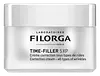
This anti-aging treatment is formulated around Adenosine and Dipeptide Diaminobutyroyl Benzylamide Diacetate to soften the look of wrinkles.


What's inside
What's inside
 Key Ingredients
Benefits
Concerns
Ingredients Side-by-side
Water
Skin ConditioningGlycerin
Humectant


Propylheptyl Caprylate
EmollientButylene Glycol
Humectant
Dicaprylyl Carbonate
EmollientHydroxyethyl Acrylate/Sodium Acryloyldimethyl Taurate Copolymer
Emulsion StabilisingSqualane
Emollient
Cetearyl Isononanoate
Emollient
Imperata Cylindrica Root Extract
Skin ConditioningSilica
Abrasive


Sucrose Palmitate
EmollientPhenoxyethanol
Preservative
Parfum
Masking




Stearalkonium Hectorite
Gel Forming1,2-Hexanediol
Skin Conditioning
Lauroyl Lysine
Skin Conditioning
Sodium Stearoyl Glutamate
CleansingGlyceryl Linoleate
Emollient
Cetyl Alcohol
Emollient

Caprylic/Capric Triglyceride
Masking
Tocopheryl Acetate
Antioxidant


Propylene Carbonate
SolventPolysorbate 60
Emulsifying
Sorbitan Isostearate
Emulsifying
Citric Acid
Buffering
Prunus Amygdalus Dulcis Oil
Skin Conditioning

Sodium Chloride
MaskingBiosaccharide Gum-1
Humectant
Carbomer
Emulsion StabilisingHydrogenated Vegetable Oil
Emollient
Adenosine
Skin Conditioning
Anigozanthos Flavidus Extract
Skin ConditioningBenzyl Alcohol
Perfuming

Sodium Lactate
Buffering
Caprylyl Glycol
Emollient
Sodium Hyaluronate
Humectant

Levulinic Acid
Perfuming
Glyceryl Caprylate
EmollientPotassium Sorbate
Preservative
Polysorbate 20
Emulsifying
Sodium Citrate
BufferingDipeptide Diaminobutyroyl Benzylamide Diacetate
Skin Conditioning
Sodium Hydroxide
BufferingCrithmum Maritimum Extract
Skin ConditioningGlucose
Humectant
Tocopherol
Antioxidant
P-Anisic Acid
MaskingPotassium Chloride
Calcium Chloride
AstringentAcrylates/C10-30 Alkyl Acrylate Crosspolymer
Emulsion StabilisingMagnesium Sulfate
Glutamine
Skin ConditioningSodium Phosphate
BufferingAscorbic Acid
Antioxidant

Sodium Acetate
BufferingLysine Hcl
Skin Conditioning
Arginine Hcl
Skin ConditioningPalmitoyl Tripeptide-1
Skin Conditioning
Alanine
Masking
Histidine Hcl
Skin ConditioningValine
MaskingLeucine
Skin ConditioningThreonine
Isoleucine
Skin ConditioningPalmitoyl Tetrapeptide-7
Skin Conditioning
Tryptophan
MaskingPhenylalanine
Masking
Tyrosine
MaskingGlycine
Buffering
Polysorbate 80
Emulsifying
Serine
Masking
Cystine
MaskingCyanocobalamin
Skin ConditioningGlutathione
Asparagine
MaskingAspartic Acid
Masking
Ornithine Hcl
Skin ConditioningGlutamic Acid
Humectant
Nicotinamide Adenine Dinucleotide
Skin ConditioningBiotin
AntiseborrhoeicProline
Skin Conditioning
Methionine
Skin ConditioningTaurine
BufferingHydroxyproline
Skin ConditioningGlucosamine Hcl
Coenzyme A
Skin ConditioningSodium Glucuronate
HumectantThiamine Diphosphate
Skin ConditioningRetinyl Acetate
Skin Conditioning
Inositol
Humectant
Niacin
SmoothingNiacinamide
Smoothing

Pyridoxine Hcl
Skin ConditioningCalcium Pantothenate
Riboflavin
Cosmetic ColorantSodium Tocopheryl Phosphate
Antioxidant
Thiamine Hcl
MaskingFolic Acid
Skin ConditioningWater, Glycerin, Propylheptyl Caprylate, Butylene Glycol, Dicaprylyl Carbonate, Hydroxyethyl Acrylate/Sodium Acryloyldimethyl Taurate Copolymer, Squalane, Cetearyl Isononanoate, Imperata Cylindrica Root Extract, Silica, Sucrose Palmitate, Phenoxyethanol, Parfum, Stearalkonium Hectorite, 1,2-Hexanediol, Lauroyl Lysine, Sodium Stearoyl Glutamate, Glyceryl Linoleate, Cetyl Alcohol, Caprylic/Capric Triglyceride, Tocopheryl Acetate, Propylene Carbonate, Polysorbate 60, Sorbitan Isostearate, Citric Acid, Prunus Amygdalus Dulcis Oil, Sodium Chloride, Biosaccharide Gum-1, Carbomer, Hydrogenated Vegetable Oil, Adenosine, Anigozanthos Flavidus Extract, Benzyl Alcohol, Sodium Lactate, Caprylyl Glycol, Sodium Hyaluronate, Levulinic Acid, Glyceryl Caprylate, Potassium Sorbate, Polysorbate 20, Sodium Citrate, Dipeptide Diaminobutyroyl Benzylamide Diacetate, Sodium Hydroxide, Crithmum Maritimum Extract, Glucose, Tocopherol, P-Anisic Acid, Potassium Chloride, Calcium Chloride, Acrylates/C10-30 Alkyl Acrylate Crosspolymer, Magnesium Sulfate, Glutamine, Sodium Phosphate, Ascorbic Acid, Sodium Acetate, Lysine Hcl, Arginine Hcl, Palmitoyl Tripeptide-1, Alanine, Histidine Hcl, Valine, Leucine, Threonine, Isoleucine, Palmitoyl Tetrapeptide-7, Tryptophan, Phenylalanine, Tyrosine, Glycine, Polysorbate 80, Serine, Cystine, Cyanocobalamin, Glutathione, Asparagine, Aspartic Acid, Ornithine Hcl, Glutamic Acid, Nicotinamide Adenine Dinucleotide, Biotin, Proline, Methionine, Taurine, Hydroxyproline, Glucosamine Hcl, Coenzyme A, Sodium Glucuronate, Thiamine Diphosphate, Retinyl Acetate, Inositol, Niacin, Niacinamide, Pyridoxine Hcl, Calcium Pantothenate, Riboflavin, Sodium Tocopheryl Phosphate, Thiamine Hcl, Folic Acid
Water
Skin ConditioningGlyceryl Stearate Se
Emulsifying
Glycerin
Humectant
Isononyl Isononanoate
EmollientEthylhexyl Palmitate
Emollient
Butyrospermum Parkii Butter
Skin Conditioning
Lauryl Laurate
Skin Conditioning
Ethyl Macadamiate
Skin Conditioning
Propylene Glycol Dicaprylate/Dicaprate
EmollientCetyl Alcohol
Emollient
Phenoxyethanol
Preservative
Sodium Polyacrylate
Absorbent
Potassium Cetyl Phosphate
EmulsifyingSimmondsia Chinensis Seed Oil
Emollient
Oryza Sativa Starch
AbsorbentParfum
Masking
Butylene Glycol
Humectant
Laminaria Digitata Extract
Skin Protecting
Chlorphenesin
Antimicrobial
Sesamum Indicum Oil Unsaponifiables
Emollient
Triticum Vulgare Germ Oil Unsaponifiables
Emollient
Persea Gratissima Oil
Skin Conditioning
Phytosterols
Skin Conditioning
Glyceryl Acrylate/Acrylic Acid Copolymer
HumectantDisodium EDTA
ChelatingSodium Dehydroacetate
Preservative
Olea Europaea Fruit Oil
Masking
Padina Pavonica Thallus Extract
Skin ConditioningGlyceryl Polyacrylate
Citronellol
Perfuming
Linalool
Perfuming
Collagen Amino Acids
Moisturising
Lithothamnion Calcareum Extract
Skin ConditioningMimosa Tenuiflora Bark Extract
Skin ProtectingMannitol
Humectant
Leuconostoc/Radish Root Ferment Filtrate
Antimicrobial
Tocopherol
Antioxidant
Sorbitan Oleate
Emulsifying
Geraniol
Perfuming
Limonene
Perfuming
Hydroxycitronellal
Perfuming
Citric Acid
Buffering
Malic Acid
Buffering
Diatomaceous Earth
Abrasive
Tocopheryl Acetate
Antioxidant
Ascorbyl Palmitate
Antioxidant
Sodium Hydroxide
BufferingZinc Sulfate
Antimicrobial
Hexapeptide-9
Skin Conditioning
Water, Glyceryl Stearate Se, Glycerin, Isononyl Isononanoate, Ethylhexyl Palmitate, Butyrospermum Parkii Butter, Lauryl Laurate, Ethyl Macadamiate, Propylene Glycol Dicaprylate/Dicaprate, Cetyl Alcohol, Phenoxyethanol, Sodium Polyacrylate, Potassium Cetyl Phosphate, Simmondsia Chinensis Seed Oil, Oryza Sativa Starch, Parfum, Butylene Glycol, Laminaria Digitata Extract, Chlorphenesin, Sesamum Indicum Oil Unsaponifiables, Triticum Vulgare Germ Oil Unsaponifiables, Persea Gratissima Oil, Phytosterols, Glyceryl Acrylate/Acrylic Acid Copolymer, Disodium EDTA, Sodium Dehydroacetate, Olea Europaea Fruit Oil, Padina Pavonica Thallus Extract, Glyceryl Polyacrylate, Citronellol, Linalool, Collagen Amino Acids, Lithothamnion Calcareum Extract, Mimosa Tenuiflora Bark Extract, Mannitol, Leuconostoc/Radish Root Ferment Filtrate, Tocopherol, Sorbitan Oleate, Geraniol, Limonene, Hydroxycitronellal, Citric Acid, Malic Acid, Diatomaceous Earth, Tocopheryl Acetate, Ascorbyl Palmitate, Sodium Hydroxide, Zinc Sulfate, Hexapeptide-9
Ingredients Explained
These ingredients are found in both products.
Ingredients higher up in an ingredient list are typically present in a larger amount.
Butylene Glycol (or BG) is used within cosmetic products for a few different reasons:
Overall, Butylene Glycol is a safe and well-rounded ingredient that works well with other ingredients.
Though this ingredient works well with most skin types, some people with sensitive skin may experience a reaction such as allergic rashes, closed comedones, or itchiness.
Learn more about Butylene GlycolCetyl Alcohol is a fatty alcohol. Fatty Alcohols are most often used as an emollient or to thicken a product.
Its main roles are:
Though it has "alcohol" in the name, it is not related to denatured alcohol or ethyl alcohol.
The FDA allows products labeled "alcohol-free" to have fatty alcohols.
This ingredient may not be fungal acne safe. It is a primary fatty alcohol with a chain length above 12 carbons. A study from 2019 show Malassezia can feed on fatty alcohols in this range, so it may trigger fungal acne in those prone to it.
Learn more about Cetyl AlcoholCitric Acid is an alpha hydroxy acid (AHA) naturally found in citrus fruits like oranges, lemons, and limes.
Like other AHAs, citric acid can exfoliate skin by breaking down the bonds that hold dead skin cells together. This helps reveal smoother and brighter skin underneath.
However, this exfoliating effect only happens at high concentrations (20%) which can be hard to find in cosmetic products.
Due to this, citric acid is usually included in small amounts as a pH adjuster. This helps keep products slightly more acidic and compatible with skin's natural pH.
In skincare formulas, citric acid can:
While it can provide some skin benefits, research shows lactic acid and glycolic acid are generally more effective and less irritating exfoliants.
Most citric acid used in skincare today is made by fermenting sugars (usually from molasses). This synthetic version is identical to the natural citrus form but easier to stabilize and use in formulations.
Rosacea skin has a lower threshold for acids generally, with 62.5% of rosacea subjects in one study reacting to lactic acid in a sting test. This is why we mark citric acid as a potential rosacea trigger.
However, this ingredient shows up as a pH adjuster or chelator at roughly 0.1-1% in many products. These low levels are unlikely to be an issue for rosacea skin and becomes a potential trigger at exfoliating concentrations (20%). Because everybody's skin is unique, we recommend a patch test if you are unsure.
Learn more about Citric AcidGlycerin (or glycerol) is a compound naturally found in your skin. It's a powerhouse humectant that pulls water into the stratum corneum.
Topically, glycerin does several things at once:
Your skin makes glycerin on its own (mostly from sebaceous oil breakdown) and shuttles it to your outermost layer of skin, or your epidermis, via aquaporin-3.
Aquaporin-3 is a transporter that is essential for normal skin hydration, elasticity, and repair. Interestingly, mice lacking in AQP3 have dry and less elastic skin that can be fully corrected with glycerin.
This ingredient is non-irritating, plays well with almost every ingredient, and works across all skin types. Typical use is anywhere between 3-10% but can go up to 79% in some leave-on products.
Just know very high concentrations (>40%) can feel tacky in low humidity.
Glycerin is the name for this ingredient in American English. British English uses Glycerol/Glycerine.
Learn more about GlycerinParfum is a catch-all term for an ingredient or more that is used to give a scent to products.
Also called "fragrance", this ingredient can be a blend of hundreds of chemicals or plant oils. This means every product with "fragrance" or "parfum" in the ingredients list is a different mixture.
For instance, Habanolide is a proprietary trade name for a specific aroma chemical. When used as a fragrance ingredient in cosmetics, most aroma chemicals fall under the broad labeling category of “FRAGRANCE” or “PARFUM” according to EU and US regulations.
The term 'parfum' or 'fragrance' is not regulated in many countries. In many cases, it is up to the brand to define this term.
For instance, many brands choose to label themselves as "fragrance-free" because they are not using synthetic fragrances. However, their products may still contain ingredients such as essential oils that are considered a fragrance by INCI standards.
One example is Calendula flower extract. Calendula is an essential oil that still imparts a scent or 'fragrance'.
Depending on the blend, the ingredients in the mixture can cause allergies and sensitivities on the skin. Some ingredients that are known EU allergens include linalool and citronellol.
Parfum can also be used to mask or cover an unpleasant scent.
The bottom line is: not all fragrances/parfum/ingredients are created equally. If you are worried about fragrances, we recommend taking a closer look at an ingredient. And of course, we always recommend speaking with a professional.
Learn more about ParfumPhenoxyethanol is one of the most widely used preservatives in skincare (and for good reason!).
It has a large spectrum of antimicrobial activity and especially effective bacteria, yeast, and mold while only having a weak effect on your skin's natural microbiome.
On a cellular level, it disrupts the cell membranes of microbes by poking holes that make the cell leak. This shuts down the chemical reactions the microbe needs to make energy so it can no longer survive.
Another perk of this ingredient is that it stays functional across a wide pH range (3-10).
You'll often see it paired with boosters like Ethylhexylglycerin; one study showed that a 1:9 ratio of Ethylhexylglycerin to Phenoxyethanol damages bacterial membranes as effectively as doubling the Phenoxyethanol concentration on its own.
Typical use concentrations range from 0.3-1% depending on the formula, and this ingredient is capped at 1% int the EU.
Safety-wise, the fear mongering does not hold up to the evidence. The EU's Scientific Committee on Consumer Safety and FDA consider it safe as a preservative at up to 1%, including for children of all ages.
Adverse systemic effects only showed up in animal studies at exposures roughly 200x higher than what people get from cosmetics. And despite its very widespread use, this ingredient is a rare sensitizer and allergic reactions are uncommon.
Learn more about PhenoxyethanolSodium Hydroxide is also known as lye or caustic soda. It is used to adjust the pH of products; many ingredients require a specific pH to be effective.
In small amounts, sodium hydroxide is considered safe to use. However, large amounts may cause chemical burns due to its high alkaline.
Your skin has a natural pH and acid mantle. This acid mantle helps prevent harmful bacteria from breaking through. The acid mantle also helps keep your skin hydrated.
"Alkaline" refers to a high pH level. A low pH level would be considered acidic.
Learn more about Sodium HydroxideTocopherol is a fat-soluble antioxidant known as Vitamin E.
You'll find this ingredient in the vast majority of skincare (for good reason). It works to neutralize free radicals, or unstable molecules generated by UV exposure, pollution, and other environmental stressors, before they can cause oxidative damage to your skin cells.
Topically applied tocopherol has been shown to protect against UV damage by ramping up the skin's own natural defense enzymes.
It also acts as a skin conditioning agent; some studies show that regular topical use can improve the skin's water-binding capacity over 2-4 weeks.
This ingredient is especially loved for being a team player. When combined with Vitamin C, the photoprotective effect of both ingredients roughly doubles and the combo also helps reduce UV-induced DNA damage.
This ingredient has some brightening potential but it's more of a prevention ingredient than spot-fader. Cell studies show it can slow down melanin production but it's worth noting that it's not the most powerful brightener out there.
In formulations, it also serves as a stabilizer that helps protect other oxidation-prone ingredients from degrading.
Concentrations usually range from 0.1-1% in most leave-on products.
Learn more about TocopherolTocopheryl Acetate is a stable, shelf-friendly form of vitamin E.
Formulators love it because plain vitamin E oxidizes quickly once it hits air. This acetate version stays stable and resists going off, helping to extend a product's shelf life.
It's actually inactive on its own and works like a slow-release "storage" form; the enzymes in your skin called esterases gradually convert it into active vitamin E over time.
One in vivo study showed 5% of the acetate in the living layer of the epidermis converted to vitamin E after 5 days of application. This study also found the skin gained protection against UV damage even though the conversion was slow and small.
Once converted, vitamin E acts as a skin's main fat-soluble antioxidant that fights free radicals to protect skin from damage.
Topical vitamin E generally boosts the skin's photoprotection, and it reduced UV-damage in animal models.
This ingredient has some brightening potential but it's more of a prevention ingredient than spot-fader. Cell studies show it can slow down melanin production but it's worth noting that it's not the most powerful brightener out there.
Overall, it has a pretty solid safety profile and has been found to be non-irritating and non-comedogenic. Allergic reactions may happen but stay rare due to how widely the ingredient gets used.
The concentration will vary depending on the formula; industry data shows 0.1% in baby lotions, 3% in lipsticks, and 5% in foot powders. You can also find this ingredient at 100% in a pure vitamin E oil.
Most leave-on skincare keeps it at the lower end, often between 0.5-1%.
Learn more about Tocopheryl AcetateWater. It's the most common cosmetic ingredient of all. You'll usually see it at the top of ingredient lists, meaning that it makes up the largest part of the product.
So why is it so popular? Water most often acts as a solvent - this means that it helps dissolve other ingredients into the formulation.
You'll also recognize water as that liquid we all need to stay alive. If you see this, drink a glass of water. Remember to stay hydrated!
Learn more about Water

