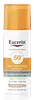
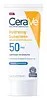
Eucerin Sun Face Oil Control Tinted SPF 50+ Versus CeraVe Hydrating Mineral Sunscreen SPF 50 Face Lotion
This chemical sunscreen covers the full UV range and blocks ~98% of UVB at SPF 50.
This hybrid sunscreen covers the full UV range and blocks ~98% of UVB at SPF 50.


What's inside
What's inside
 Key Ingredients
Benefits
Concerns
Ingredients Side-by-side
Water
Skin ConditioningAlcohol Denat.
Antimicrobial




CI 77891
Cosmetic ColorantButyl Methoxydibenzoylmethane
UV Absorber
Bis-Ethylhexyloxyphenol Methoxyphenyl Triazine
UV Absorber
Dibutyl Adipate
EmollientButylene Glycol Dicaprylate/Dicaprate
EmollientC12-15 Alkyl Benzoate
AntimicrobialEthylhexyl Salicylate
UV Absorber
Ethylhexyl Triazone
UV Absorber
Diethylamino Hydroxybenzoyl Hexyl Benzoate
UV Filter
Phenylbenzimidazole Sulfonic Acid
UV Absorber
Silica
Abrasive


Silica Dimethyl Silylate
EmollientCocoglycerides
Emollient

Copernicia Cerifera Cera
Emollient
Carnitine
Cleansing
Glycyrrhiza Inflata Root Extract
Skin Conditioning
Glycyrrhetinic Acid
Skin Conditioning
Glycerin
Humectant


Tapioca Starch
Chondrus Crispus Extract
Skin Conditioning
Hydroxypropyl Methylcellulose
Emulsion StabilisingXanthan Gum
EmulsifyingBehenyl Alcohol
Emollient
Cetearyl Alcohol
Emollient
Stearic Acid
Cleansing
Myristic Acid
Cleansing
Arachidic Acid
Cleansing
Oleic Acid
Emollient
Palmitic Acid
Emollient
Sodium Stearoyl Glutamate
CleansingSodium Hydroxide
BufferingSodium Chloride
MaskingTrisodium EDTA
ChelatingHydroxyacetophenone
Antioxidant
Phenoxyethanol
Preservative
CI 77491
Cosmetic ColorantCI 77499
Cosmetic ColorantWater, Alcohol Denat., CI 77891, Butyl Methoxydibenzoylmethane, Bis-Ethylhexyloxyphenol Methoxyphenyl Triazine, Dibutyl Adipate, Butylene Glycol Dicaprylate/Dicaprate, C12-15 Alkyl Benzoate, Ethylhexyl Salicylate, Ethylhexyl Triazone, Diethylamino Hydroxybenzoyl Hexyl Benzoate, Phenylbenzimidazole Sulfonic Acid, Silica, Silica Dimethyl Silylate, Cocoglycerides, Copernicia Cerifera Cera, Carnitine, Glycyrrhiza Inflata Root Extract, Glycyrrhetinic Acid, Glycerin, Tapioca Starch, Chondrus Crispus Extract, Hydroxypropyl Methylcellulose, Xanthan Gum, Behenyl Alcohol, Cetearyl Alcohol, Stearic Acid, Myristic Acid, Arachidic Acid, Oleic Acid, Palmitic Acid, Sodium Stearoyl Glutamate, Sodium Hydroxide, Sodium Chloride, Trisodium EDTA, Hydroxyacetophenone, Phenoxyethanol, CI 77491, CI 77499
Titanium Dioxide 9%
Cosmetic Colorant
Zinc Oxide 7%
Cosmetic Colorant
Water
Skin ConditioningGlycerin
Humectant
C12-15 Alkyl Benzoate
AntimicrobialDimethicone
Emollient
Isododecane
EmollientStyrene/Acrylates Copolymer
Glyceryl Stearate
Emollient
Butyloctyl Salicylate
Skin Conditioning
Dicaprylyl Carbonate
EmollientPropanediol
Solvent
Stearic Acid
Cleansing
Aluminum Hydroxide
EmollientPEG-100 Stearate
Surfactant
Sorbitan Stearate
Emulsifying
Niacinamide
Smoothing






PEG-8 Laurate
Emulsifying
Ceramide NP
Skin Conditioning
Ceramide AP
Skin Conditioning
Ceramide EOP
Skin Conditioning
Sorbitan Isostearate
Emulsifying
Carbomer
Emulsion StabilisingCetearyl Alcohol
Emollient
Ceteareth-20
Cleansing
Triethoxycaprylylsilane
Dimethiconol
Emollient
Sodium Citrate
BufferingSodium Lauroyl Lactylate
EmulsifyingSodium Dodecylbenzenesulfonate
CleansingMyristic Acid
Cleansing
Sodium Hyaluronate
Humectant
Cholesterol
Emollient
Palmitic Acid
Emollient
Phenoxyethanol
Preservative
Chlorphenesin
Antimicrobial
Tocopherol
Antioxidant
Hydroxyethyl Acrylate/Sodium Acryloyldimethyl Taurate Copolymer
Emulsion StabilisingCaprylyl Glycol
Emollient
Citric Acid
Buffering
Panthenol
Skin Conditioning
Xanthan Gum
EmulsifyingPhytosphingosine
Skin Conditioning
Polyhydroxystearic Acid
Emulsifying
Polysorbate 60
Emulsifying
Ethylhexylglycerin
Skin ConditioningTitanium Dioxide 9%, Zinc Oxide 7%, Water, Glycerin, C12-15 Alkyl Benzoate, Dimethicone, Isododecane, Styrene/Acrylates Copolymer, Glyceryl Stearate, Butyloctyl Salicylate, Dicaprylyl Carbonate, Propanediol, Stearic Acid, Aluminum Hydroxide, PEG-100 Stearate, Sorbitan Stearate, Niacinamide, PEG-8 Laurate, Ceramide NP, Ceramide AP, Ceramide EOP, Sorbitan Isostearate, Carbomer, Cetearyl Alcohol, Ceteareth-20, Triethoxycaprylylsilane, Dimethiconol, Sodium Citrate, Sodium Lauroyl Lactylate, Sodium Dodecylbenzenesulfonate, Myristic Acid, Sodium Hyaluronate, Cholesterol, Palmitic Acid, Phenoxyethanol, Chlorphenesin, Tocopherol, Hydroxyethyl Acrylate/Sodium Acryloyldimethyl Taurate Copolymer, Caprylyl Glycol, Citric Acid, Panthenol, Xanthan Gum, Phytosphingosine, Polyhydroxystearic Acid, Polysorbate 60, Ethylhexylglycerin
Reviews
Ingredients Explained
These ingredients are found in both products.
Ingredients higher up in an ingredient list are typically present in a larger amount.
C12-15 Alkyl Benzoate is a lightweight emollient made by combinig benzoic acid with fatty alcohols that are 12-15 carbons long.
In cosmetics, it plays several roles:
The Cosmetic Review Expert Panel has concluded the alkyl benzoate group to be safe as used in cosmetics; it wasn't found to be a skin irritant and unlikely to be absorbed due to its low water solubility.
This report recorded almost 1000 reported uses with concentrations up to 59% in leave-on products but your cosmetics will typically use 0.5-15% depending on the product.
It's often called a "SPF booster": this is because it keeps UV filters properly dissolved and evenly distributed to support a sunscreen's performance. It doesn't actually raise SPF on its own.
Overall, this ingredient is well tolerated.
This ingredient is fungal acne safe because it is an ester of benzoic acid.
Think of this ingredient as two parts stuck together: an oily part and an acid part. Malassezia only gets a meal when it can snip off a fatty acid to eat. With C12-15 Alkyl Benzoate, the acid part is benzoic acid, which isn't a fatty acid and which the yeast can't use as food.
Benzoic acid is actually used as a preservative to stop yeast from growing.
The oily part is a blend of C12-15 fatty alcohols but fatty alcohols in this size range can support only a little Malassezia growth (mostly for one species of Malassezia as well).
In the ingredient, those alcohols stay locked inside the molecule. The yeast can only reach them by snipping the benzoate bond, and that type of bond is harder for it to cut than a normal fatty bond.
So not much gets released. And whatever does get snipped comes packaged with benzoic acid, which discourages yeast growth.
Learn more about C12-15 Alkyl BenzoateCetearyl alcohol is a waxy mixture of two fatty alcohols: cetyl alcohol and stearyl alcohol. It is an emollient and emulsifier.
Despite having "alcohol" in its name, it has nothing to do with drying solvent alcohols; the FDA also allows "alcohol-free" products to contain fatty alcohols like this ingredient.
It plays several roles in a formula:
Typical use levels for this ingredient sit around 1-10% and the Cosmetic Ingredient Review Expert Panel has affirmed safety at concentrations up to 25% in leave-on products.
Multiple assessments have found it to be non-irritating and non-sensitizing to most people.
However, there have been some cases of allergic contact dermatitis in patients with chronically compromised skin barriers.
Cetearyl alcohol has a comedogenic rating of 2 and irritancy rating of 1. Both of these numbers come from the 1989 study that used rabbit ears; a "2" means mildly comedogenic and a "1" means low irritancy.
Here's the catch: rabbit skin is more sensitive than human skin and throws a lot of false positives. A 1996 reappraisal found that ingredients rated 1-2 in the rabbit ear tests are generally safe for humans.
Remember comedogenic ratings are unable to assess the entire formula of a product or how it will react on your skin. Just be sure to patch test if you are unsure about certain ingredients.
This ingredient is not fungal acne safe. Cetearyl alcohol is a fatty alcohol with chain lengths that fall within the range that Malassezia can metabolize.
A 2019 study has also observed Malassezia growth in the presence of this ingredient, confirming it to be not-fungal acne safe.
Learn more about Cetearyl AlcoholGlycerin (or glycerol) is a compound naturally found in your skin. It's a powerhouse humectant that pulls water into the stratum corneum.
Topically, glycerin does several things at once:
Your skin makes glycerin on its own (mostly from sebaceous oil breakdown) and shuttles it to your outermost layer of skin, or your epidermis, via aquaporin-3.
Aquaporin-3 is a transporter that is essential for normal skin hydration, elasticity, and repair. Interestingly, mice lacking in AQP3 have dry and less elastic skin that can be fully corrected with glycerin.
This ingredient is non-irritating, plays well with almost every ingredient, and works across all skin types. Typical use is anywhere between 3-10% but can go up to 79% in some leave-on products.
Just know very high concentrations (>40%) can feel tacky in low humidity.
Glycerin is the name for this ingredient in American English. British English uses Glycerol/Glycerine.
Learn more about GlycerinMyristic Acid, aka tetradecanoic acid, is a naturally occurring fatty acid found in coconut oil, milk fat, and palm oil.
In skincare, it is an:
Research indicates that this ingredient posts a low risk of irritation and sensitization.
Industry survey data collected for this ingredient puts real-world usage concentrations anywhere from 0.00002% to 20% (most of the high end sits in rinse-off products).
Myristic Acid is not a recognized contact allergen and there are no published case reports of allergic contact dermatitis to it. Human testing found it to be non-irritating at 100% and at 40-50% in mineral oil. There are complaints about high-Myristic-acid cleansers leaving a tight feeling behind, but that has more to do with soap chemistry and pH than an allergy.
This ingredient does have a comedogenic rating of 3, but this doesn't mean a formula with this ingredient will clog pores.
Human testing has proved that any finished product with this ingredient won't automatically make you break out; it really comes down to concentration, formula, and your skin. Some people still find it breaks them out. So if that's you, definitely trust your skin.
Since myristic acid is a C14 fatty acid, it falls within the range that Malassezia can metabolize (C11-24), and therefore may not be fungal acne safe.
Learn more about Myristic AcidPalmitic Acid is a fatty acid naturally found in our skin and in many plant and animal sources.
In cosmetics, it is usually derived from palm oil. It serves many purposes in skincare, acting as a cleanser, emollient, and emulsifier.
Interestingly, topically applied Palmitic Acid can be elongated into longer chain fatty acids and ceramides. A 2019 study found low levels of Palmitic Acid lead to slower development of cells, suggesting it plays a role in keeping your skin's renewal process on track.
The CIR (Cosmetic Ingredient Review) panel determined it safe as used in cosmetics at concentrations up to 13%. It is non-irritating and non-sensitizing in clinical studies.
The culprit behind fungal acne, the Malassezia yeast, feeds on fatty acids with carbon chain lengths between C11-C24. Palmitic Acid, at C16, falls right into that sweet spot.
In vitro studies have shown that Palmitic Acid is one of the fatty acids that induce rapid Malassezia growth in lab settings.
It's worth noting that what feeds yeast in a lab doesn't necessarily feed it on your face since formulation and your skin's chemistry play a bigger role.
This ingredient does have a comedogenic rating of 2, but this doesn't mean a formula with this ingredient will clog pores.
Human testing has proved that any finished product with a comedogenic ingredient won't automatically make you break out; it really comes down to concentration, formula, and your skin.
Learn more about Palmitic AcidPhenoxyethanol is one of the most widely used preservatives in skincare (and for good reason!).
It has a large spectrum of antimicrobial activity and especially effective bacteria, yeast, and mold while only having a weak effect on your skin's natural microbiome.
On a cellular level, it disrupts the cell membranes of microbes by poking holes that make the cell leak. This shuts down the chemical reactions the microbe needs to make energy so it can no longer survive.
Another perk of this ingredient is that it stays functional across a wide pH range (3-10).
You'll often see it paired with boosters like Ethylhexylglycerin; one study showed that a 1:9 ratio of Ethylhexylglycerin to Phenoxyethanol damages bacterial membranes as effectively as doubling the Phenoxyethanol concentration on its own.
Typical use concentrations range from 0.3-1% depending on the formula, and this ingredient is capped at 1% int the EU.
Safety-wise, the fear mongering does not hold up to the evidence. The EU's Scientific Committee on Consumer Safety and FDA consider it safe as a preservative at up to 1%, including for children of all ages.
Adverse systemic effects only showed up in animal studies at exposures roughly 200x higher than what people get from cosmetics. And despite its very widespread use, this ingredient is a rare sensitizer and allergic reactions are uncommon.
Learn more about PhenoxyethanolStearic Acid is a fatty acid that is already found in your skin. It's one of the free fatty acids that works alongside ceramides and cholesterols to maintain your barrier.
In cosmetics, it is a multitasker:
Safety-wise, the CIR Expert Panel has concluded it to be safe in cosmetics when formulated to be non-irritating and non-sensitizing.
Free stearic acid is a C18 fatty acid that the Malassezia yeast can substrate, so this ingredient may not be fungal acne safe.
This ingredient does have a comedogenic rating of 2-3, but this doesn't mean a formula with this ingredient will clog pores.
Human testing has proved that any finished product with this ingredient won't automatically make you break out; it really comes down to concentration, formula, and your skin.
Learn more about Stearic AcidWater. It's the most common cosmetic ingredient of all. You'll usually see it at the top of ingredient lists, meaning that it makes up the largest part of the product.
So why is it so popular? Water most often acts as a solvent - this means that it helps dissolve other ingredients into the formulation.
You'll also recognize water as that liquid we all need to stay alive. If you see this, drink a glass of water. Remember to stay hydrated!
Learn more about WaterXanthan gum is used as a stabilizer and thickener within cosmetic products. It helps give products a sticky, thick feeling - preventing them from being too runny.
On the technical side of things, xanthan gum is a polysaccharide - a combination consisting of multiple sugar molecules bonded together.
Xanthan gum is a pretty common and great ingredient. It is a natural, non-toxic, non-irritating ingredient that is also commonly used in food products.
Learn more about Xanthan Gum

