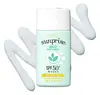
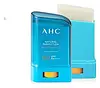
Etude House Sunprise Mild Airy Finish SPF50+ Versus AHC Beauty Natural Perfection Fresh Sun Stick SPF50+ PA++++
This hybrid sunscreen covers the full UV range and blocks ~98% of UVB at SPF 50.
This chemical sunscreen covers the full UV range and blocks ~98% of UVB at SPF 50.

What's inside
What's inside
 Key Ingredients
Benefits
Concerns
Ingredients Side-by-side
Water
Skin ConditioningZinc Oxide
Cosmetic Colorant


Disiloxane
Skin Conditioning
Cyclohexasiloxane
Emollient
Butyloctyl Salicylate
Skin Conditioning
Propylene Glycol Dicaprylate
EmollientPropanediol
Solvent

Methyl Trimethicone
Skin Conditioning
Methyl Methacrylate Crosspolymer
Triethoxycaprylylsilane
Lauryl Polyglyceryl-3 Polydimethylsiloxyethyl Dimethicone
Skin Conditioning
Sodium Chloride
Masking1,2-Hexanediol
Skin Conditioning
Polymethylsilsesquioxane
Polyglyceryl-3 Polydimethylsiloxyethyl Dimethicone
Skin Conditioning
Parfum
Masking




Caprylyl Glycol
Emollient
Glyceryl Caprylate
EmollientEthylhexylglycerin
Skin ConditioningSodium Hyaluronate
Humectant


Helianthus Annuus Seed Oil
Emollient

Adansonia Digitata Seed Oil
Emollient
Butylene Glycol
Humectant
Tocopherol
Antioxidant



Opuntia Ficus-Indica Extract
Skin Conditioning
Phenoxyethanol
Preservative
Aloe Barbadensis Leaf Juice
Skin Conditioning
Citric Acid
Buffering
Potassium Sorbate
Preservative
Carex Humillis Root Extract
Skin ConditioningSodium Benzoate
Masking
Malpighia Emarginata Fruit Extract
Skin ConditioningEuterpe Oleracea Fruit Extract
Terminalia Ferdinandiana Fruit Extract
Antioxidant
Water, Zinc Oxide, Disiloxane, Cyclohexasiloxane, Butyloctyl Salicylate, Propylene Glycol Dicaprylate, Propanediol, Methyl Trimethicone, Methyl Methacrylate Crosspolymer, Triethoxycaprylylsilane, Lauryl Polyglyceryl-3 Polydimethylsiloxyethyl Dimethicone, Sodium Chloride, 1,2-Hexanediol, Polymethylsilsesquioxane, Polyglyceryl-3 Polydimethylsiloxyethyl Dimethicone, Parfum, Caprylyl Glycol, Glyceryl Caprylate, Ethylhexylglycerin, Sodium Hyaluronate, Helianthus Annuus Seed Oil, Adansonia Digitata Seed Oil, Butylene Glycol, Tocopherol, Opuntia Ficus-Indica Extract, Phenoxyethanol, Aloe Barbadensis Leaf Juice, Citric Acid, Potassium Sorbate, Carex Humillis Root Extract, Sodium Benzoate, Malpighia Emarginata Fruit Extract, Euterpe Oleracea Fruit Extract, Terminalia Ferdinandiana Fruit Extract
Dimethicone
Emollient
Vinyl Dimethicone/Methicone Silsesquioxane Crosspolymer
Polyethylene
Abrasive
Cetyl Ethylhexanoate
EmollientHomosalate
Skin Conditioning
Ethylhexyl Methoxycinnamate
UV Absorber
Dicaprylyl Carbonate
EmollientHydrogenated Poly(C6-14 Olefin)
EmollientEthylhexyl Salicylate
UV Absorber
Tocopheryl Acetate
Antioxidant
Diethylamino Hydroxybenzoyl Hexyl Benzoate
UV Filter
Bis-Ethylhexyloxyphenol Methoxyphenyl Triazine
Skin Conditioning
Ozokerite
Emulsion StabilisingCitrus Aurantium Dulcis Peel Oil
Masking
Citrus Nobilis Peel Oil
Masking
Litsea Cubeba Fruit Oil
Masking
Camellia Sinensis Leaf Extract
Antimicrobial
Camellia Japonica Flower Extract
EmollientLavandula Angustifolia Flower Water
Skin Conditioning
Centella Asiatica Extract
Cleansing
Water
Skin ConditioningOpuntia Ficus-Indica Stem Extract
Skin Conditioning
Oryza Sativa Bran Extract
Skin Conditioning
Argania Spinosa Kernel Oil
Emollient
Aloe Barbadensis Leaf Extract
Emollient
Citrus Aurantium Dulcis Fruit Extract
MaskingCalendula Officinalis Flower Extract
Masking
Cocos Nucifera Oil
Masking


Vanilla Tahitensis Fruit Extract
Skin ConditioningHelianthus Annuus Seed Oil Unsaponifiables
Emollient
Sea Water
HumectantLactobacillus/Soybean Ferment Extract
Skin ConditioningDioscorea Japonica Root Extract
Skin Conditioning
Pseudoalteromonas Ferment Extract
Humectant
Origanum Vulgare Leaf Extract
Skin ConditioningChamaecyparis Obtusa Leaf Extract
Skin ConditioningSalix Alba Bark Extract
Astringent
Tremella Fuciformis Extract
Humectant
Portulaca Oleracea Extract
Skin Conditioning
Cinnamomum Cassia Bark Extract
Masking
Scutellaria Baicalensis Root Extract
Astringent
Nymphaea Alba Flower Extract
Skin ConditioningEpilobium Fleischeri Extract
Skin ConditioningCinnamomum Zeylanicum Bark Extract
Antimicrobial
Nephelium Lappaceum Branch/Fruit/Leaf Extract
Skin ConditioningLitchi Chinensis Fruit Extract
Skin ConditioningGarcinia Mangostana Peel Extract
Skin ConditioningGardenia Taitensis Flower Extract
Skin ConditioningHelianthus Annuus Seed Oil
Emollient
Bisabolol
Antioxidant
Lauryl PEG-9 Polydimethylsiloxyethyl Dimethicone
Skin Conditioning
Dehydroacetic Acid
Preservative
Hydrolyzed Hyaluronic Acid
Humectant
Dipropylene Glycol
HumectantButylene Glycol
Humectant
Glycerin
Humectant
Xylitylglucoside
Humectant
Anhydroxylitol
Humectant
Capryloyl Glycine
CleansingSodium Palmitoyl Proline
Skin ConditioningHexylene Glycol
EmulsifyingXylitol
Humectant
Sarcosine
Skin Conditioning
1,2-Hexanediol
Skin Conditioning
Citric Acid
Buffering
Caprylyl Glycol
Emollient
Potassium Sorbate
Preservative
Oxygen
Skin ConditioningEthylhexylglycerin
Skin ConditioningTocopherol
Antioxidant
Citral
Perfuming
Linalool
Perfuming
Limonene
Perfuming
Dimethicone, Vinyl Dimethicone/Methicone Silsesquioxane Crosspolymer, Polyethylene, Cetyl Ethylhexanoate, Homosalate, Ethylhexyl Methoxycinnamate, Dicaprylyl Carbonate, Hydrogenated Poly(C6-14 Olefin), Ethylhexyl Salicylate, Tocopheryl Acetate, Diethylamino Hydroxybenzoyl Hexyl Benzoate, Bis-Ethylhexyloxyphenol Methoxyphenyl Triazine, Ozokerite, Citrus Aurantium Dulcis Peel Oil, Citrus Nobilis Peel Oil, Litsea Cubeba Fruit Oil, Camellia Sinensis Leaf Extract, Camellia Japonica Flower Extract, Lavandula Angustifolia Flower Water, Centella Asiatica Extract, Water, Opuntia Ficus-Indica Stem Extract, Oryza Sativa Bran Extract, Argania Spinosa Kernel Oil, Aloe Barbadensis Leaf Extract, Citrus Aurantium Dulcis Fruit Extract, Calendula Officinalis Flower Extract, Cocos Nucifera Oil, Vanilla Tahitensis Fruit Extract, Helianthus Annuus Seed Oil Unsaponifiables, Sea Water, Lactobacillus/Soybean Ferment Extract, Dioscorea Japonica Root Extract, Pseudoalteromonas Ferment Extract, Origanum Vulgare Leaf Extract, Chamaecyparis Obtusa Leaf Extract, Salix Alba Bark Extract, Tremella Fuciformis Extract, Portulaca Oleracea Extract, Cinnamomum Cassia Bark Extract, Scutellaria Baicalensis Root Extract, Nymphaea Alba Flower Extract, Epilobium Fleischeri Extract, Cinnamomum Zeylanicum Bark Extract, Nephelium Lappaceum Branch/Fruit/Leaf Extract, Litchi Chinensis Fruit Extract, Garcinia Mangostana Peel Extract, Gardenia Taitensis Flower Extract, Helianthus Annuus Seed Oil, Bisabolol, Lauryl PEG-9 Polydimethylsiloxyethyl Dimethicone, Dehydroacetic Acid, Hydrolyzed Hyaluronic Acid, Dipropylene Glycol, Butylene Glycol, Glycerin, Xylitylglucoside, Anhydroxylitol, Capryloyl Glycine, Sodium Palmitoyl Proline, Hexylene Glycol, Xylitol, Sarcosine, 1,2-Hexanediol, Citric Acid, Caprylyl Glycol, Potassium Sorbate, Oxygen, Ethylhexylglycerin, Tocopherol, Citral, Linalool, Limonene
Reviews
Ingredients Explained
These ingredients are found in both products.
Ingredients higher up in an ingredient list are typically present in a larger amount.
1,2-Hexanediol is a synthetic liquid and another multi-functional powerhouse.
It is a:
- Humectant, drawing moisture into the skin
- Emollient, helping to soften skin
- Solvent, dispersing and stabilizing formulas
- Preservative booster, enhancing the antimicrobial activity of other preservatives
Butylene Glycol (or BG) is used within cosmetic products for a few different reasons:
Overall, Butylene Glycol is a safe and well-rounded ingredient that works well with other ingredients.
Though this ingredient works well with most skin types, some people with sensitive skin may experience a reaction such as allergic rashes, closed comedones, or itchiness.
Learn more about Butylene GlycolCaprylyl Glycol is a humectant, skin conditioner, emollient, and preservative booster derived from either caprylic acid or synthetically created.
Typical use levels vary from 0.3-1% as a preservative booster and go up to 2% to condition skin.
Because it is not a free-fatty acid, this ingredient is fungal acne safe (there's nothing for Malassezia to feed on).
Learn more about Caprylyl GlycolCitric Acid is an alpha hydroxy acid (AHA) naturally found in citrus fruits like oranges, lemons, and limes.
Like other AHAs, citric acid can exfoliate skin by breaking down the bonds that hold dead skin cells together. This helps reveal smoother and brighter skin underneath.
However, this exfoliating effect only happens at high concentrations (20%) which can be hard to find in cosmetic products.
Due to this, citric acid is usually included in small amounts as a pH adjuster. This helps keep products slightly more acidic and compatible with skin's natural pH.
In skincare formulas, citric acid can:
While it can provide some skin benefits, research shows lactic acid and glycolic acid are generally more effective and less irritating exfoliants.
Most citric acid used in skincare today is made by fermenting sugars (usually from molasses). This synthetic version is identical to the natural citrus form but easier to stabilize and use in formulations.
Read more about some other popular AHA's here:
Learn more about Citric AcidEthylhexylglycerin is created from glycerin. It is a multitasker ingredient that:
The CIR Expert Panel found minimal skin absorption or sensitization of any kind in a safety assessment. Though this ingredient is considered well-tolerated, a small number of cases of allergic dermatitis have been published since 2002. Just be sure to patch test if you are unsure.
Industry-reported use ranges from 8% in rinse-off products and 2% in leave-on formulations.
Learn more about EthylhexylglycerinHelianthus Annuus Seed Oil is a plant oil derived from the seeds of a sunflower.
It is rich in fatty acids, primarily linoleic acid and oleic acid. This gives it emollient and skin conditioning properties.
The reason this ingredient is so effective is because it forms a thin film on the skin that reduces transepidermal water loss (TEWL) while supplying linoleic acid to the stratum corneum to improve barrier strength.
The high linoleic acid content is particularly noteworthy for acne-prone skin.
Research suggests that acne-prone skin tends to be deficient in linoleic acid in sebum. Topical application may help replenish this to support a healthier follicular environment and less comedone-promoting sebum.
One randomized study found sunflower seed oil preserved skin barrier integrity in adult volunteers with and without atopic dermatitis (outperforming olive oil).
This ingredient is well-studied, gentle, and an effective emollient suitable for most skin types.
On fungal acne: This ingredient may not be Fungal acne (Malassezia folliculitis) safe. This is because it contains fatty acids with carbon chain lengths in the C11-C24 range.
Learn more about Helianthus Annuus Seed OilPotassium Sorbate is a preservative used to prevent yeast and mold in products. It is commonly found in both cosmetic and food products.
This ingredient comes from potassium salt derived from sorbic acid. Sorbic acid is a natural antibiotic and effective against fungus.
Both potassium sorbate and sorbic acid can be found in baked goods, cheeses, dried meats, dried fruit, ice cream, pickles, wine, yogurt, and more.
You'll often find this ingredient used with other preservatives.
Learn more about Potassium SorbateTocopherol is a fat-soluble antioxidant known as Vitamin E.
You'll find this ingredient in the vast majority of skincare (for good reason). It works to neutralize free radicals, or unstable molecules generated by UV exposure, pollution, and other environmental stressors, before they can cause oxidative damage to your skin cells.
Topically applied tocopherol has been shown to protect against UV damage by ramping up the skin's own natural defense enzymes.
It also acts as a skin conditioning agent; some studies show that regular topical use can improve the skin's water-binding capacity over 2-4 weeks.
This ingredient is especially loved for being a team player. When combined with Vitamin C, the photoprotective effect of both ingredients roughly doubles and the combo also helps reduce UV-induced DNA damage.
This ingredient has some brightening potential but it's more of a prevention ingredient than spot-fader. Cell studies show it can slow down melanin production but it's worth noting that it's not the most powerful brightener out there.
In formulations, it also serves as a stabilizer that helps protect other oxidation-prone ingredients from degrading.
Concentrations usually range from 0.1-1% in most leave-on products.
Learn more about TocopherolWater. It's the most common cosmetic ingredient of all. You'll usually see it at the top of ingredient lists, meaning that it makes up the largest part of the product.
So why is it so popular? Water most often acts as a solvent - this means that it helps dissolve other ingredients into the formulation.
You'll also recognize water as that liquid we all need to stay alive. If you see this, drink a glass of water. Remember to stay hydrated!
Learn more about Water

