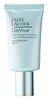
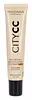
Estée Lauder DayWear Multi-Protection Anti-Oxidant Sheer Tint Release Moisturizer SPF 15 Versus Madara City CC Hyaluronic Anti-pollution CC Cream SPF 15
This anti-aging day moisturizer is formulated around Camellia Sinensis Leaf Extract and Coffea Arabica Seed Extract to soften the look of wrinkles and hydrate skin.


What's inside
What's inside
 Key Ingredients
Benefits
Concerns
Ingredients Side-by-side
Ethylhexyl Methoxycinnamate 7.5%
UV Absorber


Ethylhexyl Salicylate 5%
UV Absorber
Butyl Methoxydibenzoylmethane 2%
UV Absorber
Water
Skin ConditioningDimethicone
Emollient

Caprylic/Capric/Myristic/Stearic Triglyceride
EmollientButylene Glycol
Humectant

Cyclopentasiloxane
Emollient
Cetyl Ricinoleate
Emollient

Steareth-2
EmulsifyingDi-C12-15 Alkyl Fumarate
EmollientPolysilicone-11

Pentylene Glycol
Skin Conditioning
Steareth-21
CleansingAspalathus Linearis Leaf Extract
Skin ConditioningCamellia Sinensis Leaf Extract
Antimicrobial





Coffea Arabica Seed Extract
Masking
Polygonum Cuspidatum Root Extract
Antioxidant
Triticum Vulgare Germ Extract
Skin ConditioningBetula Alba Bark Extract
Masking
Laminaria Ochroleuca Extract
Skin Conditioning
Hordeum Vulgare Extract
EmollientSaccharomyces Lysate Extract
Humectant
Rosmarinus Officinalis Extract
AntimicrobialVitis Vinifera Seed Extract
Antimicrobial
Ethylbisiminomethylguaiacol Manganese Chloride
Antioxidant
Cholesterol
Emollient
Phospholipids
Skin Conditioning
Maltodextrin
Absorbent
Ascorbyl Tocopheryl Maleate
Antioxidant
Cyclodextrin
AbsorbentSodium Hyaluronate
Humectant
Hydrogenated Lecithin
Emulsifying
Trehalose
Humectant
Nordihydroguaiaretic Acid
Antioxidant
Palmitoyl Hydroxypropyltrimonium Amylopectin/Glycerin Crosspolymer
Skin ConditioningPantethine
EmollientLinolenic Acid
Cleansing
Oryzanol
Skin ConditioningLecithin
Emollient
Squalane
Emollient
Linoleic Acid
Cleansing
Glycerin
Humectant
Sodium PCA
Humectant
Urea
Buffering

Caprylic/Capric Triglyceride
Masking
Polyethylene
Abrasive

Isopropyl Myristate
Emollient

Behenyl Alcohol
Emollient
Sodium Carbomer
Emulsion StabilisingTromethamine
BufferingStearyl Alcohol
Emollient
Vp/Hexadecene Copolymer
Polymethyl Methacrylate
Polyquaternium-51
Skin Conditioning
Carbomer
Emulsion StabilisingParfum
Masking
Disodium EDTA
ChelatingSorbic Acid
Preservative
Potassium Sorbate
Preservative
Sodium Dehydroacetate
Preservative
Chlorphenesin
Antimicrobial
Phenoxyethanol
Preservative
Linalool
Perfuming
Butylphenyl Methylpropional
Perfuming
Hydroxyisohexyl 3-Cyclohexene Carboxaldehyde
Masking
Benzyl Salicylate
Perfuming
CI 77891
Cosmetic ColorantCI 77491
Cosmetic ColorantCI 77492
Cosmetic ColorantCI 77499
Cosmetic ColorantEthylhexyl Methoxycinnamate 7.5%, Ethylhexyl Salicylate 5%, Butyl Methoxydibenzoylmethane 2%, Water, Dimethicone, Caprylic/Capric/Myristic/Stearic Triglyceride, Butylene Glycol, Cyclopentasiloxane, Cetyl Ricinoleate, Steareth-2, Di-C12-15 Alkyl Fumarate, Polysilicone-11, Pentylene Glycol, Steareth-21, Aspalathus Linearis Leaf Extract, Camellia Sinensis Leaf Extract, Coffea Arabica Seed Extract, Polygonum Cuspidatum Root Extract, Triticum Vulgare Germ Extract, Betula Alba Bark Extract, Laminaria Ochroleuca Extract, Hordeum Vulgare Extract, Saccharomyces Lysate Extract, Rosmarinus Officinalis Extract, Vitis Vinifera Seed Extract, Ethylbisiminomethylguaiacol Manganese Chloride, Cholesterol, Phospholipids, Maltodextrin, Ascorbyl Tocopheryl Maleate, Cyclodextrin, Sodium Hyaluronate, Hydrogenated Lecithin, Trehalose, Nordihydroguaiaretic Acid, Palmitoyl Hydroxypropyltrimonium Amylopectin/Glycerin Crosspolymer, Pantethine, Linolenic Acid, Oryzanol, Lecithin, Squalane, Linoleic Acid, Glycerin, Sodium PCA, Urea, Caprylic/Capric Triglyceride, Polyethylene, Isopropyl Myristate, Behenyl Alcohol, Sodium Carbomer, Tromethamine, Stearyl Alcohol, Vp/Hexadecene Copolymer, Polymethyl Methacrylate, Polyquaternium-51, Carbomer, Parfum, Disodium EDTA, Sorbic Acid, Potassium Sorbate, Sodium Dehydroacetate, Chlorphenesin, Phenoxyethanol, Linalool, Butylphenyl Methylpropional, Hydroxyisohexyl 3-Cyclohexene Carboxaldehyde, Benzyl Salicylate, CI 77891, CI 77491, CI 77492, CI 77499
Aloe Barbadensis Leaf Juice
Skin Conditioning
Dicaprylyl Carbonate
EmollientIsoamyl Laurate
Emollient
Zinc Oxide
Cosmetic Colorant
Glycerin
Humectant
Cera Alba
Emollient
Sorbitan Olivate
Emulsifying
CI 77891
Cosmetic ColorantLecithin
Emollient
Polyglyceryl-2 Dipolyhydroxystearate
Skin Conditioning
Silica
Abrasive
Water
Skin ConditioningSodium Chloride
MaskingCellulose
Absorbent
Hippophae Rhamnoides Fruit Extract
Skin Conditioning
Sorbitan Caprylate
EmulsifyingPalmitic Acid
Emollient
Stearic Acid
Cleansing
CI 77491
Cosmetic ColorantCI 77492
Cosmetic ColorantCI 77499
Cosmetic ColorantCitric Acid
Buffering
Hypericum Perforatum Extract
AntimicrobialPropanediol
Solvent
Caprylyl Glycol
Emollient
Benzoic Acid
Masking
Ascorbyl Palmitate
Antioxidant
Sodium Phytate
ChelatingTocopherol
Antioxidant
Camellia Sinensis Leaf Extract
Antimicrobial
Quercus Robur Bark Extract
AstringentVitis Vinifera Seed Extract
Antimicrobial
Vanillin
Masking
Sodium Benzoate
Masking
Hydrolyzed Hyaluronic Acid
Humectant
Sodium Hyaluronate
Humectant
Potassium Sorbate
Preservative
Aloe Barbadensis Leaf Juice, Dicaprylyl Carbonate, Isoamyl Laurate, Zinc Oxide, Glycerin, Cera Alba, Sorbitan Olivate, CI 77891, Lecithin, Polyglyceryl-2 Dipolyhydroxystearate, Silica, Water, Sodium Chloride, Cellulose, Hippophae Rhamnoides Fruit Extract, Sorbitan Caprylate, Palmitic Acid, Stearic Acid, CI 77491, CI 77492, CI 77499, Citric Acid, Hypericum Perforatum Extract, Propanediol, Caprylyl Glycol, Benzoic Acid, Ascorbyl Palmitate, Sodium Phytate, Tocopherol, Camellia Sinensis Leaf Extract, Quercus Robur Bark Extract, Vitis Vinifera Seed Extract, Vanillin, Sodium Benzoate, Hydrolyzed Hyaluronic Acid, Sodium Hyaluronate, Potassium Sorbate
Reviews
Ingredients Explained
These ingredients are found in both products.
Ingredients higher up in an ingredient list are typically present in a larger amount.
Camellia Sinensis Leaf Extract (tea extract) is one of the most well-researched plant extracts in skincare with an impressive resume.
Black tea, green tea, and oolong tea are all harvested from the Camellia Sinensis plant.
Studies show green tea extract and its catechins (like epigallocatechin gallate (EGCG)) help your skin cells product energy more efficiently and reducing the number of free-radicals that can damage your skin from the inside.
In lab-grown skin models, this translated to younger, healthier, and stronger skin.
There's also good sun protection data; researchers saw less DNA damage and redness on human skin when green tea was applied before UVB exposure. And the more they applied, the better the protection.
Needless to say, this ingredient shouldn't replace your sunscreen. But it is a great supportive ingredient that you can already find in many sunscreens and antioxidant serums.
A 2009 study found a 2% green tea lotion was effective for mild-to-moderate acne thanks to its anti-inflammatory and mild antimicrobial activity.
The quality of the extract matters a lot here:
Good extracts contain 50-90% catechins while lower quality ones are mostly there for marketing. We recommend reaching out to the brand if you have questions about the quality or source of their ingredients.
Human Repeated Insult Patch Testing showed no irritation or sensitization at use concentrations (0.86% in leave-on products and up to 30% as leaf water).
Learn more about Camellia Sinensis Leaf ExtractCi 77491 is also hydrated iron III oxide. It's sole purpose is to give a red/pink hue to products.
Iron III oxides are classified as inorganic chemicals for coloring.
Synthetically created Ci 77491 is considered safer than those naturally found. This is because the synthetically created version may contain less impurities. Iron oxides are generally non-toxic and non-allergenic.
Learn more about CI 77491CI 77492 is also hydrated iron III oxide. It's sole purpose is to give a yellow hue to products.
Iron III oxides are classified as inorganic chemicals for coloring.
Synthetically created CI 77492 is considered safer than those naturally found. This is because the synthetically created version may contain less impurities. Iron oxides are generally non-toxic and non-allergenic.
Learn more about CI 77492Ci 77499 is also hydrated iron III oxide. It is created from mixing red and black iron oxides. This helps give shades of darkness to a product.
Iron III oxides are classified as inorganic chemicals for coloring.
Ci 77891 is a white pigment from Titanium dioxide. It is naturally found in minerals such as rutile and ilmenite.
It's main function is to add a white color to cosmetics. It can also be mixed with other colors to create different shades.
Ci 77891 is commonly found in sunscreens due to its ability to block UV rays.
Learn more about CI 77891Glycerin (or glycerol) is a compound naturally found in your skin. It's a powerhouse humectant that pulls water into the stratum corneum.
Topically, glycerin does several things at once:
Your skin makes glycerin on its own (mostly from sebaceous oil breakdown) and shuttles it to your outermost layer of skin, or your epidermis, via aquaporin-3.
Aquaporin-3 is a transporter that is essential for normal skin hydration, elasticity, and repair. Interestingly, mice lacking in AQP3 have dry and less elastic skin that can be fully corrected with glycerin.
This ingredient is non-irritating, plays well with almost every ingredient, and works across all skin types. Typical use is anywhere between 3-10% but can go up to 79% in some leave-on products.
Just know very high concentrations (>40%) can feel tacky in low humidity.
Glycerin is the name for this ingredient in American English. British English uses Glycerol/Glycerine.
Learn more about GlycerinLecithin is a term for a group of substances found in the cell membranes of plants, animals, and humans. They are made up of phospholipids.
Thanks to its amphiphilic structure (water-loving head and oil-loving tail), it is a true multitasker:
It plays well with most ingredients and is typically used at 0.1-1%. However, concentrations up to 50% have been reported in moisturizers.
Learn more about LecithinPotassium Sorbate is a preservative used to prevent yeast and mold in products. It is commonly found in both cosmetic and food products.
This ingredient comes from potassium salt derived from sorbic acid. Sorbic acid is a natural antibiotic and effective against fungus.
Both potassium sorbate and sorbic acid can be found in baked goods, cheeses, dried meats, dried fruit, ice cream, pickles, wine, yogurt, and more.
You'll often find this ingredient used with other preservatives.
Learn more about Potassium SorbateSodium Hyaluronate is the salt form of hyaluronic acid. It is a long sugar chain that is naturally found in your skin, joints, and connective tissue that maintains hydration and elasticity.
In skincare, it works as a humectant. It pulls water from the environment and deeper layers of skin and binds it to the surface.
Interestingly, the size of the molecule affects its behavior:
Some clinical evidence links low molecular weight versions to improved wrinkle depth, elasticity, anti-inflammatory effects, and barrier repair.
Many serums use a blend of both weights so you can get surface hydration plus longer-lasting and deeper effects.
You'll typically see concentrations between 0.1-2% for this ingredient.
Learn more about Sodium HyaluronateVitis Vinifera Seed Extract comes from the grape vine. Grape seeds are a byproduct of creating grape juice or wine.
The components of grape seeds have many skin benefits. Research has found it to be antimicrobial and anti-inflammatory. It also contains many potent antioxidants such as Vitamin E , Vitamin C, proanthocyanidins, polyphenols, flavonoids, and anthocyanins. Proanthocyanidin has been shown to help even out skin tone.
Antioxidants help fight free-radical molecules. Free-radical molecules are capable of damaging our cells and other genetic material. Antioxidants help stabilize free-radicals by donating extra electrons. Grape seed extract may help reduce the signs of aging.
The antimicrobial properties of grape seed may help treat acne. However, more research is needed to support this claim.
Grape seed has also been found to help absorb UV rays. Grape seed extract should not replace your sunscreen.
Learn more about Vitis Vinifera Seed ExtractWater. It's the most common cosmetic ingredient of all. You'll usually see it at the top of ingredient lists, meaning that it makes up the largest part of the product.
So why is it so popular? Water most often acts as a solvent - this means that it helps dissolve other ingredients into the formulation.
You'll also recognize water as that liquid we all need to stay alive. If you see this, drink a glass of water. Remember to stay hydrated!
Learn more about Water

