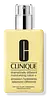
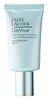
Clinique Dramatically Different Moisturizing Lotion+ Versus Estée Lauder DayWear Multi-Protection Anti-Oxidant Sheer Tint Release Moisturizer SPF 15
This barrier-repair moisturizer is formulated around Petrolatum and Urea to strengthen the skin barrier and hydrate skin.
This anti-aging day moisturizer is formulated around Camellia Sinensis Leaf Extract and Coffea Arabica Seed Extract to soften the look of wrinkles and hydrate skin.

What's inside
What's inside
 Key Ingredients
Benefits
Concerns
Ingredients Side-by-side
Water
Skin ConditioningParaffinum Liquidum
Emollient


Glycerin
Humectant


Petrolatum
Emollient
Stearic Acid
Cleansing

Glyceryl Stearate
Emollient
Sesamum Indicum Seed Oil
Emollient

Urea
Buffering

Lanolin Alcohol
Emollient
Triethanolamine
BufferingHordeum Vulgare Extract
EmollientCucumis Sativus Fruit Extract
Emollient

Helianthus Annuus Seedcake
Abrasive
Propylene Glycol Dicaprate
EmollientSodium Hyaluronate
Humectant

Butylene Glycol
Humectant
Pentylene Glycol
Skin Conditioning
Trisodium EDTA
ChelatingPhenoxyethanol
Preservative
CI 15985
Cosmetic ColorantCI 19140
Cosmetic ColorantCI 17200
Cosmetic ColorantWater, Paraffinum Liquidum, Glycerin, Petrolatum, Stearic Acid, Glyceryl Stearate, Sesamum Indicum Seed Oil, Urea, Lanolin Alcohol, Triethanolamine, Hordeum Vulgare Extract, Cucumis Sativus Fruit Extract, Helianthus Annuus Seedcake, Propylene Glycol Dicaprate, Sodium Hyaluronate, Butylene Glycol, Pentylene Glycol, Trisodium EDTA, Phenoxyethanol, CI 15985, CI 19140, CI 17200
Ethylhexyl Methoxycinnamate 7.5%
UV Absorber

Ethylhexyl Salicylate 5%
UV Absorber
Butyl Methoxydibenzoylmethane 2%
UV Absorber
Water
Skin ConditioningDimethicone
Emollient
Caprylic/Capric/Myristic/Stearic Triglyceride
EmollientButylene Glycol
Humectant
Cyclopentasiloxane
Emollient
Cetyl Ricinoleate
Emollient
Steareth-2
EmulsifyingDi-C12-15 Alkyl Fumarate
EmollientPolysilicone-11

Pentylene Glycol
Skin Conditioning
Steareth-21
CleansingAspalathus Linearis Leaf Extract
Skin ConditioningCamellia Sinensis Leaf Extract
Antimicrobial


Coffea Arabica Seed Extract
Masking
Polygonum Cuspidatum Root Extract
Antioxidant
Triticum Vulgare Germ Extract
Skin ConditioningBetula Alba Bark Extract
Masking
Laminaria Ochroleuca Extract
Skin Conditioning
Hordeum Vulgare Extract
EmollientSaccharomyces Lysate Extract
Humectant
Rosmarinus Officinalis Extract
AntimicrobialVitis Vinifera Seed Extract
Antimicrobial
Ethylbisiminomethylguaiacol Manganese Chloride
Antioxidant
Cholesterol
Emollient
Phospholipids
Skin Conditioning
Maltodextrin
Absorbent
Ascorbyl Tocopheryl Maleate
Antioxidant
Cyclodextrin
AbsorbentSodium Hyaluronate
Humectant
Hydrogenated Lecithin
Emulsifying
Trehalose
Humectant
Nordihydroguaiaretic Acid
Antioxidant
Palmitoyl Hydroxypropyltrimonium Amylopectin/Glycerin Crosspolymer
Skin ConditioningPantethine
EmollientLinolenic Acid
Cleansing
Oryzanol
Skin ConditioningLecithin
Emollient
Squalane
Emollient
Linoleic Acid
Cleansing
Glycerin
Humectant
Sodium PCA
Humectant
Urea
Buffering
Caprylic/Capric Triglyceride
Masking
Polyethylene
Abrasive
Isopropyl Myristate
Emollient
Behenyl Alcohol
Emollient
Sodium Carbomer
Emulsion StabilisingTromethamine
BufferingStearyl Alcohol
Emollient
Vp/Hexadecene Copolymer
Polymethyl Methacrylate
Polyquaternium-51
Skin Conditioning
Carbomer
Emulsion StabilisingParfum
Masking
Disodium EDTA
ChelatingSorbic Acid
Preservative
Potassium Sorbate
Preservative
Sodium Dehydroacetate
Preservative
Chlorphenesin
Antimicrobial
Phenoxyethanol
Preservative
Linalool
Perfuming
Butylphenyl Methylpropional
Perfuming
Hydroxyisohexyl 3-Cyclohexene Carboxaldehyde
Masking
Benzyl Salicylate
Perfuming
CI 77891
Cosmetic ColorantCI 77491
Cosmetic ColorantCI 77492
Cosmetic ColorantCI 77499
Cosmetic ColorantEthylhexyl Methoxycinnamate 7.5%, Ethylhexyl Salicylate 5%, Butyl Methoxydibenzoylmethane 2%, Water, Dimethicone, Caprylic/Capric/Myristic/Stearic Triglyceride, Butylene Glycol, Cyclopentasiloxane, Cetyl Ricinoleate, Steareth-2, Di-C12-15 Alkyl Fumarate, Polysilicone-11, Pentylene Glycol, Steareth-21, Aspalathus Linearis Leaf Extract, Camellia Sinensis Leaf Extract, Coffea Arabica Seed Extract, Polygonum Cuspidatum Root Extract, Triticum Vulgare Germ Extract, Betula Alba Bark Extract, Laminaria Ochroleuca Extract, Hordeum Vulgare Extract, Saccharomyces Lysate Extract, Rosmarinus Officinalis Extract, Vitis Vinifera Seed Extract, Ethylbisiminomethylguaiacol Manganese Chloride, Cholesterol, Phospholipids, Maltodextrin, Ascorbyl Tocopheryl Maleate, Cyclodextrin, Sodium Hyaluronate, Hydrogenated Lecithin, Trehalose, Nordihydroguaiaretic Acid, Palmitoyl Hydroxypropyltrimonium Amylopectin/Glycerin Crosspolymer, Pantethine, Linolenic Acid, Oryzanol, Lecithin, Squalane, Linoleic Acid, Glycerin, Sodium PCA, Urea, Caprylic/Capric Triglyceride, Polyethylene, Isopropyl Myristate, Behenyl Alcohol, Sodium Carbomer, Tromethamine, Stearyl Alcohol, Vp/Hexadecene Copolymer, Polymethyl Methacrylate, Polyquaternium-51, Carbomer, Parfum, Disodium EDTA, Sorbic Acid, Potassium Sorbate, Sodium Dehydroacetate, Chlorphenesin, Phenoxyethanol, Linalool, Butylphenyl Methylpropional, Hydroxyisohexyl 3-Cyclohexene Carboxaldehyde, Benzyl Salicylate, CI 77891, CI 77491, CI 77492, CI 77499
Reviews
Ingredients Explained
These ingredients are found in both products.
Ingredients higher up in an ingredient list are typically present in a larger amount.
Butylene Glycol (or BG) is used within cosmetic products for a few different reasons:
Overall, Butylene Glycol is a safe and well-rounded ingredient that works well with other ingredients.
Though this ingredient works well with most skin types, some people with sensitive skin may experience a reaction such as allergic rashes, closed comedones, or itchiness.
Learn more about Butylene GlycolGlycerin (or glycerol) is a compound naturally found in your skin. It's a powerhouse humectant that pulls water into the stratum corneum.
Topically, glycerin does several things at once:
Your skin makes glycerin on its own (mostly from sebaceous oil breakdown) and shuttles it to your outermost layer of skin, or your epidermis, via aquaporin-3.
Aquaporin-3 is a transporter that is essential for normal skin hydration, elasticity, and repair. Interestingly, mice lacking in AQP3 have dry and less elastic skin that can be fully corrected with glycerin.
This ingredient is non-irritating, plays well with almost every ingredient, and works across all skin types. Typical use is anywhere between 3-10% but can go up to 79% in some leave-on products.
Just know very high concentrations (>40%) can feel tacky in low humidity.
Glycerin is the name for this ingredient in American English. British English uses Glycerol/Glycerine.
Learn more about GlycerinHordeum Vulgare Extract is an extract of barley, the same grain used in beer and bread.
In skincare, it is a skin conditioning and hydrating agent. This ingredient contains polyphenols, vitamin E, and trace minerals like zinc, copper, and selenium that help neutralize free radicals behind oxidative skin stress.
Lab studies on human skin cells show it can support the skin barrier, boost cell survival, and speed repair after UV exposure.
The Cosmetic Ingredient Review Expert Panel has reviewed 16 barley-derived ingredients and concluded they're safe as used with the highest reported use concentration being 1.5% (in leave-on body/hand products).
Patch testing has also found it not to be a skin irritant or sensitizer at cosmetic levels.
However, barley is a recognized food allergen so people with a known barley/grain allergy should approach it cautiously.
Note: This ingredient is not gluten-free for those avoiding gluten for skin-contact reasons.
Learn more about Hordeum Vulgare ExtractPentylene Glycol (1,2-pentanediol) is a multitasking little diol with three main roles in a formula:
Research on alkanediols (the family pentylene glycol belongs to) show they work by disrupting microbial cell membranes. This disruption helps the primary preservative system in a product work more effectively at lower doses.
On the safety side, the Cosmetic Ingredient Review Expert Panel has concluded this ingredient to be safe as used in current cosmetic practices + concentrations.
Typical use levels in a formula run about 1-5%.
Learn more about Pentylene GlycolPhenoxyethanol is one of the most widely used preservatives in skincare (and for good reason!).
It has a large spectrum of antimicrobial activity and especially effective bacteria, yeast, and mold while only having a weak effect on your skin's natural microbiome.
On a cellular level, it disrupts the cell membranes of microbes by poking holes that make the cell leak. This shuts down the chemical reactions the microbe needs to make energy so it can no longer survive.
Another perk of this ingredient is that it stays functional across a wide pH range (3-10).
You'll often see it paired with boosters like Ethylhexylglycerin; one study showed that a 1:9 ratio of Ethylhexylglycerin to Phenoxyethanol damages bacterial membranes as effectively as doubling the Phenoxyethanol concentration on its own.
Typical use concentrations range from 0.3-1% depending on the formula, and this ingredient is capped at 1% int the EU.
Safety-wise, the fear mongering does not hold up to the evidence. The EU's Scientific Committee on Consumer Safety and FDA consider it safe as a preservative at up to 1%, including for children of all ages.
Adverse systemic effects only showed up in animal studies at exposures roughly 200x higher than what people get from cosmetics. And despite its very widespread use, this ingredient is a rare sensitizer and allergic reactions are uncommon.
Learn more about PhenoxyethanolSodium Hyaluronate is the salt form of hyaluronic acid. It is a long sugar chain that is naturally found in your skin, joints, and connective tissue that maintains hydration and elasticity.
In skincare, it works as a humectant. It pulls water from the environment and deeper layers of skin and binds it to the surface.
Interestingly, the size of the molecule affects its behavior:
Some clinical evidence links low molecular weight versions to improved wrinkle depth, elasticity, anti-inflammatory effects, and barrier repair.
Many serums use a blend of both weights so you can get surface hydration plus longer-lasting and deeper effects.
You'll typically see concentrations between 0.1-2% for this ingredient.
Learn more about Sodium HyaluronateUrea is also called carbamide and is the diamide of carbonic acid. In cosmetics, urea is used to hydrate the skin. It also provides exfoliation in higher concentrations.
As a humectant, urea helps draw moisture from the air and from deep within the skin. This helps hydrate your skin. Studies show urea is an effective moisturizer for dry skin conditions. 40% urea is typical in medications for treating eczema and other skin conditions.
Urea has the strongest exfoliation effect in concentrations higher than 10%. It is a keratolytic agent, meaning it breaks down the keratin protein in the top layer of skin. This helps remove dead skin cells and flaking skin.
In medicine, urea has been shown to help increase the potency of other ingredients, such as fungal treatments.
Humans and animals use urea to metabolize nitrogen-containing compounds. Urea is highly soluble in water. Once dissolved, it is neither acidic nor alkaline.
Urea is actually one of the more well-studied and well-supported ingredients out there if you have eczema.
Clinical trials have shown that urea creams in the 5 - 10% range can:
Higher concentrations (20 -30%) can also help with thickened, scaly patches but is also more likely to sting on active flares.
Skip urea if you have rosacea. The AAD (American Academy of Dermatology) lists it alongside alcohol, menthol, and fragrance as a potential irritant for rosacea-prone skin. Urea's keratolytic and penetration-enhancing properties can trigger stinging, burning, and redness.
As always, your skin is unique, so definitely check in with your dermatologist.
Learn more about UreaWater. It's the most common cosmetic ingredient of all. You'll usually see it at the top of ingredient lists, meaning that it makes up the largest part of the product.
So why is it so popular? Water most often acts as a solvent - this means that it helps dissolve other ingredients into the formulation.
You'll also recognize water as that liquid we all need to stay alive. If you see this, drink a glass of water. Remember to stay hydrated!
Learn more about Water


