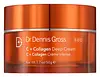
This brightening treatment is formulated around 3-O-Ethyl Ascorbic Acid and Niacinamide to brighten dull-looking skin and soften the look of wrinkles.
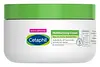
This barrier-repair moisturizer is formulated around Caprylic/Capric Triglyceride and Hydrolyzed Hyaluronic Acid to strengthen the skin barrier and hydrate skin.

What's inside
What's inside
 Key Ingredients
Benefits
Concerns
Ingredients Side-by-side
Water
Skin ConditioningGlycerin
Humectant


Butylene Glycol
Humectant
Camellia Japonica Seed Oil
Emollient


Oryza Sativa Bran Oil
Emollient

Dimethicone
Emollient
Sucrose
Humectant
Pentylene Glycol
Skin Conditioning
Helianthus Annuus Seed Oil
Emollient
Hydroxyethyl Acrylate/Sodium Acryloyldimethyl Taurate Copolymer
Emulsion Stabilising3-O-Ethyl Ascorbic Acid
Skin Conditioning



Collagen Amino Acids
Moisturising
Niacinamide
Smoothing



Carnitine Hcl
HumectantHydroxyproline
Skin ConditioningGlycine
Buffering
Carnitine
Cleansing
Squalane
Emollient
Dipotassium Glycyrrhizate
Humectant
Tocopherol
Antioxidant

Saccharide Isomerate
Humectant
Acetyl Hexapeptide-8
Humectant
Superoxide Dismutase
Antioxidant
Leuconostoc/Radish Root Ferment Filtrate
Antimicrobial
Ubiquinone
Antioxidant
Aloe Barbadensis Leaf Juice
Skin Conditioning
Lactobacillus Ferment
Skin Conditioning
Undaria Pinnatifida Extract
Skin ConditioningGlycolic Acid
Buffering


Lecithin
Emollient
Biotin
AntiseborrhoeicMaltodextrin
Absorbent
Caprylyl Glycol
Emollient
1,2-Hexanediol
Skin Conditioning
Carbomer
Emulsion StabilisingHydroxyethylcellulose
Emulsion StabilisingAmmonium Hydroxide
BufferingPolysorbate 60
Emulsifying
Potassium Hydroxide
BufferingSodium Phytate
Sodium Citrate
BufferingCitric Acid
Buffering
Camellia Sinensis Leaf Extract
Antimicrobial
Cucumis Sativus Fruit Extract
Emollient
Elettaria Cardamomum Seed Extract
Perfuming
Citrus Aurantium Amara Flower Extract
RefreshingCupressus Sempervirens Leaf/Stem Extract
Skin ConditioningFucus Vesiculosus Extract
Emollient
Pyrus Malus Fruit Extract
Skin Conditioning
Rubus Idaeus Fruit Extract
AstringentCananga Odorata Flower Extract
Perfuming
Coffea Arabica Seed Extract
Masking
Rose Extract
Skin ConditioningCucumis Melo Fruit Extract
Skin ConditioningJasminum Officinale Flower Extract
Masking
Rosmarinus Officinalis Leaf Extract
AntimicrobialCitrus Aurantium Bergamia Fruit Extract
Skin ConditioningSalvia Officinalis Leaf Extract
CleansingLavandula Angustifolia Flower/Leaf/Stem Extract
Masking
Santalum Album Wood Extract
Perfuming
Triethyl Citrate
Masking
Phenoxyethanol
Preservative
Potassium Sorbate
Preservative
Water, Glycerin, Butylene Glycol, Camellia Japonica Seed Oil, Oryza Sativa Bran Oil, Dimethicone, Sucrose, Pentylene Glycol, Helianthus Annuus Seed Oil, Hydroxyethyl Acrylate/Sodium Acryloyldimethyl Taurate Copolymer, 3-O-Ethyl Ascorbic Acid, Collagen Amino Acids, Niacinamide, Carnitine Hcl, Hydroxyproline, Glycine, Carnitine, Squalane, Dipotassium Glycyrrhizate, Tocopherol, Saccharide Isomerate, Acetyl Hexapeptide-8, Superoxide Dismutase, Leuconostoc/Radish Root Ferment Filtrate, Ubiquinone, Aloe Barbadensis Leaf Juice, Lactobacillus Ferment, Undaria Pinnatifida Extract, Glycolic Acid, Lecithin, Biotin, Maltodextrin, Caprylyl Glycol, 1,2-Hexanediol, Carbomer, Hydroxyethylcellulose, Ammonium Hydroxide, Polysorbate 60, Potassium Hydroxide, Sodium Phytate, Sodium Citrate, Citric Acid, Camellia Sinensis Leaf Extract, Cucumis Sativus Fruit Extract, Elettaria Cardamomum Seed Extract, Citrus Aurantium Amara Flower Extract, Cupressus Sempervirens Leaf/Stem Extract, Fucus Vesiculosus Extract, Pyrus Malus Fruit Extract, Rubus Idaeus Fruit Extract, Cananga Odorata Flower Extract, Coffea Arabica Seed Extract, Rose Extract, Cucumis Melo Fruit Extract, Jasminum Officinale Flower Extract, Rosmarinus Officinalis Leaf Extract, Citrus Aurantium Bergamia Fruit Extract, Salvia Officinalis Leaf Extract, Lavandula Angustifolia Flower/Leaf/Stem Extract, Santalum Album Wood Extract, Triethyl Citrate, Phenoxyethanol, Potassium Sorbate
Water
Skin ConditioningHydrogenated Polydecene
EmollientCaprylic/Capric Triglyceride
Masking
Dimethicone
Emollient
Glycerin
Humectant
Butylene Glycol
Humectant
Cetearyl Olivate
Sorbitan Olivate
Emulsifying
Cyclopentasiloxane
Emollient
Marrubium Vulgare Extract
Skin ConditioningHydrolyzed Hyaluronic Acid
Humectant
Olea Europaea Fruit Oil
Masking
Tocopheryl Acetate
Antioxidant
Ascorbyl Palmitate
Antioxidant
Leuconostoc/Radish Root Ferment Filtrate
Antimicrobial
Phospholipids
Skin Conditioning
Isopropyl Lauroyl Sarcosinate
Skin ConditioningCetearyl Alcohol
Emollient


Sodium Polyacrylate
Absorbent
1,2-Hexanediol
Skin Conditioning
Caprylyl Glycol
Emollient
Polymethylsilsesquioxane
Isohexadecane
EmollientGlyceryl Stearate
Emollient
PEG-100 Stearate
Surfactant
Cetearyl Methicone
Skin Conditioning
Phenoxyethanol
Preservative
PEG-40 Stearate
Emulsifying
Steareth-2
EmulsifyingSteareth-21
CleansingRetinyl Palmitate
Skin Conditioning
Linoleic Acid
Cleansing
Lycopene
Antioxidant
Water, Hydrogenated Polydecene, Caprylic/Capric Triglyceride, Dimethicone, Glycerin, Butylene Glycol, Cetearyl Olivate, Sorbitan Olivate, Cyclopentasiloxane, Marrubium Vulgare Extract, Hydrolyzed Hyaluronic Acid, Olea Europaea Fruit Oil, Tocopheryl Acetate, Ascorbyl Palmitate, Leuconostoc/Radish Root Ferment Filtrate, Phospholipids, Isopropyl Lauroyl Sarcosinate, Cetearyl Alcohol, Sodium Polyacrylate, 1,2-Hexanediol, Caprylyl Glycol, Polymethylsilsesquioxane, Isohexadecane, Glyceryl Stearate, PEG-100 Stearate, Cetearyl Methicone, Phenoxyethanol, PEG-40 Stearate, Steareth-2, Steareth-21, Retinyl Palmitate, Linoleic Acid, Lycopene
Alternatives
Ingredients Explained
These ingredients are found in both products.
Ingredients higher up in an ingredient list are typically present in a larger amount.
1,2-Hexanediol is a synthetic liquid and another multi-functional powerhouse.
It is a:
- Humectant, drawing moisture into the skin
- Emollient, helping to soften skin
- Solvent, dispersing and stabilizing formulas
- Preservative booster, enhancing the antimicrobial activity of other preservatives
Butylene Glycol (or BG) is used within cosmetic products for a few different reasons:
Overall, Butylene Glycol is a safe and well-rounded ingredient that works well with other ingredients.
Though this ingredient works well with most skin types, some people with sensitive skin may experience a reaction such as allergic rashes, closed comedones, or itchiness.
Learn more about Butylene GlycolCaprylyl Glycol is a humectant, skin conditioner, emollient, and preservative booster derived from either caprylic acid or synthetically created.
Typical use levels vary from 0.3-1% as a preservative booster and go up to 2% to condition skin.
Because it is not a free-fatty acid, this ingredient is fungal acne safe (there's nothing for Malassezia to feed on).
Learn more about Caprylyl GlycolDimethicone is a type of synthetic silicone created from natural materials such as quartz. It is also known as polydimethylsiloxane.
What it does:
Dimethicone comes in different viscosities:
Depending on the viscosity, dimethicone has different properties.
Ingredients lists don't always show which type is used, so we recommend reaching out to the brand if you have questions about the viscosity.
This ingredient is unlikely to cause irritation because it does not get absorbed into skin. However, people with silicone allergies should be careful about using this ingredient.
Note: Dimethicone may contribute to pilling. This is because it is not oil or water soluble, so pilling may occur when layered with products. When mixed with heavy oils in a formula, the outcome is also quite greasy.
Learn more about DimethiconeGlycerin (or glycerol) is a compound naturally found in your skin. It's a powerhouse humectant that pulls water into the stratum corneum.
Topically, glycerin does several things at once:
Your skin makes glycerin on its own (mostly from sebaceous oil breakdown) and shuttles it to your outermost layer of skin, or your epidermis, via aquaporin-3.
Aquaporin-3 is a transporter that is essential for normal skin hydration, elasticity, and repair. Interestingly, mice lacking in AQP3 have dry and less elastic skin that can be fully corrected with glycerin.
This ingredient is non-irritating, plays well with almost every ingredient, and works across all skin types. Typical use is anywhere between 3-10% but can go up to 79% in some leave-on products.
Just know very high concentrations (>40%) can feel tacky in low humidity.
Glycerin is the name for this ingredient in American English. British English uses Glycerol/Glycerine.
Learn more about GlycerinLeuconostoc/Radish Root Ferment Filtrate is a natural preservative. It comes from fermenting radish roots with a bacteria called leuconostoc. The trade name for this ingredient is Leucidal.
Leuconostoc comes from lactic acid.
This ingredient has antimicrobial properties and helps prevent the growth of bacteria in a product.
Leuconostoc is used to make the traditional Korean side-dish, kimchi. It is also used to make sourdough bread (both incredibly yummy foods).
Learn more about Leuconostoc/Radish Root Ferment FiltratePhenoxyethanol is one of the most widely used preservatives in skincare (and for good reason!).
It has a large spectrum of antimicrobial activity and especially effective bacteria, yeast, and mold while only having a weak effect on your skin's natural microbiome.
On a cellular level, it disrupts the cell membranes of microbes by poking holes that make the cell leak. This shuts down the chemical reactions the microbe needs to make energy so it can no longer survive.
Another perk of this ingredient is that it stays functional across a wide pH range (3-10).
You'll often see it paired with boosters like Ethylhexylglycerin; one study showed that a 1:9 ratio of Ethylhexylglycerin to Phenoxyethanol damages bacterial membranes as effectively as doubling the Phenoxyethanol concentration on its own.
Typical use concentrations range from 0.3-1% depending on the formula, and this ingredient is capped at 1% int the EU.
Safety-wise, the fear mongering does not hold up to the evidence. The EU's Scientific Committee on Consumer Safety and FDA consider it safe as a preservative at up to 1%, including for children of all ages.
Adverse systemic effects only showed up in animal studies at exposures roughly 200x higher than what people get from cosmetics. And despite its very widespread use, this ingredient is a rare sensitizer and allergic reactions are uncommon.
Learn more about PhenoxyethanolWater. It's the most common cosmetic ingredient of all. You'll usually see it at the top of ingredient lists, meaning that it makes up the largest part of the product.
So why is it so popular? Water most often acts as a solvent - this means that it helps dissolve other ingredients into the formulation.
You'll also recognize water as that liquid we all need to stay alive. If you see this, drink a glass of water. Remember to stay hydrated!
Learn more about Water

