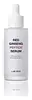
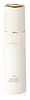
Donginbi Lab 1899 Red Ginseng Peptide Serum Versus Donginbi Red Ginseng Power Repair Essential Emulsion
This anti-aging serum is formulated around Panax Ginseng Root Water and Panax Ginseng Root Extract to soften the look of wrinkles.
This calming emulsion is formulated around Panax Ginseng Root Water and Panax Ginseng Root Extract to calm redness.

What's inside
What's inside
 Key Ingredients
Benefits
Concerns
Ingredients Side-by-side
Water
Skin ConditioningGlycerin
Humectant


Panax Ginseng Root Water
Masking

Propanediol
Solvent
Butylene Glycol
Humectant
Glycol
Humectant1,2-Hexanediol
Skin Conditioning
Methyl Gluceth-20
Humectant
Panthenol
Skin Conditioning
Butyrospermum Parkii Butter
Skin Conditioning




Caprylic/Capric Triglyceride
Masking
Olea Europaea Fruit Oil
Masking

Hydrogenated Lecithin
Emulsifying
Squalane
Emollient
Poncirus Trifoliata Fruit Extract
Skin ConditioningPanax Ginseng Root Extract
Emollient
Adenosine
Skin Conditioning
Glyceryl Acrylate/Acrylic Acid Copolymer
HumectantPolyglyceryl-10 Laurate
Skin Conditioning
Disodium EDTA
ChelatingPhenyl Trimethicone
Skin Conditioning
Pentaerythrityl Tetraisostearate
Emollient
Polyglycerin-3
Humectant
Cetyl Ethylhexanoate
EmollientCeramide NP
Skin Conditioning
Cholesterol
Emollient
Polyglyceryl-10 Myristate
Skin Conditioning
Phytosphingosine
Skin Conditioning
Glyceryl Stearate
Emollient
Centella Asiatica Extract
Cleansing
Portulaca Oleracea Extract
Skin Conditioning
Sodium Stearoyl Glutamate
CleansingTromethamine
BufferingSodium Polyacrylate
Absorbent
Carbomer
Emulsion StabilisingAcrylates/C10-30 Alkyl Acrylate Crosspolymer
Emulsion StabilisingChamomilla Recutita Flower Extract
Masking
Vitex Agnus Castus Extract
AstringentAcetyl Hexapeptide-8
Humectant
Ethylhexylglycerin
Skin ConditioningPistacia Lentiscus Gum
MaskingParfum
Masking

Water, Glycerin, Panax Ginseng Root Water, Propanediol, Butylene Glycol, Glycol, 1,2-Hexanediol, Methyl Gluceth-20, Panthenol, Butyrospermum Parkii Butter, Caprylic/Capric Triglyceride, Olea Europaea Fruit Oil, Hydrogenated Lecithin, Squalane, Poncirus Trifoliata Fruit Extract, Panax Ginseng Root Extract, Adenosine, Glyceryl Acrylate/Acrylic Acid Copolymer, Polyglyceryl-10 Laurate, Disodium EDTA, Phenyl Trimethicone, Pentaerythrityl Tetraisostearate, Polyglycerin-3, Cetyl Ethylhexanoate, Ceramide NP, Cholesterol, Polyglyceryl-10 Myristate, Phytosphingosine, Glyceryl Stearate, Centella Asiatica Extract, Portulaca Oleracea Extract, Sodium Stearoyl Glutamate, Tromethamine, Sodium Polyacrylate, Carbomer, Acrylates/C10-30 Alkyl Acrylate Crosspolymer, Chamomilla Recutita Flower Extract, Vitex Agnus Castus Extract, Acetyl Hexapeptide-8, Ethylhexylglycerin, Pistacia Lentiscus Gum, Parfum
Panax Ginseng Root Water
Masking
Water
Skin ConditioningButylene Glycol
Humectant
Cyclopentasiloxane
Emollient
Sucrose Polystearate
EmollientHydrogenated Poly(C6-14 Olefin)
EmollientEthyl Macadamiate
Skin Conditioning
Dimethicone
Emollient
1,2-Hexanediol
Skin Conditioning
Glycerin
Humectant
Panax Ginseng Root Oil
Skin Conditioning
Trehalose
Humectant
Diethylhexyl Maleate
EmollientCetyl Ethylhexanoate
EmollientPanax Ginseng Root Extract
Emollient
Poncirus Trifoliata Fruit Extract
Skin ConditioningLeonurus Sibiricus Flower/Leaf/Stem Extract
SoothingGinkgo Biloba Leaf Extract
Skin Conditioning
Lycium Chinense Fruit Extract
Antioxidant
Astragalus Membranaceus Root Extract
Emollient
Lactobacillus/Soybean Ferment Extract
Skin ConditioningImperata Cylindrica Root Extract
Skin ConditioningSodium Hyaluronate
Humectant
Ginsenosides
Skin ConditioningCanola Oil
Emollient
Glyceryl Stearate
Emollient
PEG-100 Stearate
Surfactant
Cetearyl Alcohol
Emollient
Panthenol
Skin Conditioning
Polyglyceryl-3 Methylglucose Distearate
Emulsifying
Hydroxyethyl Acrylate/Sodium Acryloyldimethyl Taurate Copolymer
Emulsion StabilisingHydrogenated Polyisobutene
EmollientSodium Stearoyl Glutamate
CleansingPolysilicone-11

Inulin Lauryl Carbamate
Emulsion StabilisingPolyisobutene
Carbomer
Emulsion StabilisingPEG-7 Trimethylolpropane Coconut Ether
Emulsifying
Ceramide NP
Skin Conditioning
Cholesterol
Emollient
Lecithin
Emollient
Dipotassium Glycyrrhizate
Humectant
Hydrogenated Lecithin
Emulsifying
Malic Acid
Buffering



Tocopherol
Antioxidant
Sorbitan Isostearate
Emulsifying
Tromethamine
BufferingDisodium EDTA
ChelatingGlyceryl Caprylate
EmollientEthyl Hexanediol
SolventEthylhexylglycerin
Skin ConditioningCaprylyl Glycol
Emollient
Propanediol
Solvent
Alcohol
Antimicrobial

Parfum
Masking
Alpha-Isomethyl Ionone
Perfuming
Citronellol
Perfuming
Coumarin
Perfuming
Limonene
Perfuming
Geraniol
Perfuming
Hydroxycitronellal
Perfuming
Linalool
Perfuming
Panax Ginseng Root Water, Water, Butylene Glycol, Cyclopentasiloxane, Sucrose Polystearate, Hydrogenated Poly(C6-14 Olefin), Ethyl Macadamiate, Dimethicone, 1,2-Hexanediol, Glycerin, Panax Ginseng Root Oil, Trehalose, Diethylhexyl Maleate, Cetyl Ethylhexanoate, Panax Ginseng Root Extract, Poncirus Trifoliata Fruit Extract, Leonurus Sibiricus Flower/Leaf/Stem Extract, Ginkgo Biloba Leaf Extract, Lycium Chinense Fruit Extract, Astragalus Membranaceus Root Extract, Lactobacillus/Soybean Ferment Extract, Imperata Cylindrica Root Extract, Sodium Hyaluronate, Ginsenosides, Canola Oil, Glyceryl Stearate, PEG-100 Stearate, Cetearyl Alcohol, Panthenol, Polyglyceryl-3 Methylglucose Distearate, Hydroxyethyl Acrylate/Sodium Acryloyldimethyl Taurate Copolymer, Hydrogenated Polyisobutene, Sodium Stearoyl Glutamate, Polysilicone-11, Inulin Lauryl Carbamate, Polyisobutene, Carbomer, PEG-7 Trimethylolpropane Coconut Ether, Ceramide NP, Cholesterol, Lecithin, Dipotassium Glycyrrhizate, Hydrogenated Lecithin, Malic Acid, Tocopherol, Sorbitan Isostearate, Tromethamine, Disodium EDTA, Glyceryl Caprylate, Ethyl Hexanediol, Ethylhexylglycerin, Caprylyl Glycol, Propanediol, Alcohol, Parfum, Alpha-Isomethyl Ionone, Citronellol, Coumarin, Limonene, Geraniol, Hydroxycitronellal, Linalool
Ingredients Explained
These ingredients are found in both products.
Ingredients higher up in an ingredient list are typically present in a larger amount.
1,2-Hexanediol is a synthetic liquid and another multi-functional powerhouse.
It is a:
- Humectant, drawing moisture into the skin
- Emollient, helping to soften skin
- Solvent, dispersing and stabilizing formulas
- Preservative booster, enhancing the antimicrobial activity of other preservatives
Butylene Glycol (or BG) is used within cosmetic products for a few different reasons:
Overall, Butylene Glycol is a safe and well-rounded ingredient that works well with other ingredients.
Though this ingredient works well with most skin types, some people with sensitive skin may experience a reaction such as allergic rashes, closed comedones, or itchiness.
Learn more about Butylene GlycolCarbomer is a synthetic thickening and gelling agent. It's basically the ingredient that gives a lot of serums, gels, creams, and sunscreens their smooth, non-sticky texture.
Although legally permitted at very high levels, carbomers are normally used at concentrations below 1%.
It also needs to be neutralized to actually thicken, and because it is a large molecule, it doesn't really penetrate the skin barrier.
Allergy-wise, the risk is very low. Clinical studies show carbomers have low potential for skin irritation/sensitization even at concentrations up to 100%.
A 2024 UK study patch-tested 1,302 patients and found true allergy to the parent group of carbomer to be rare with no confirmed relevant reactions.
Learn more about CarbomerCeramide NP (formerly known as Ceramide 3) is one of the skin's naturally occurring lipids.
Since ceramides are the major lipid components of the skin, they are crucial for maintaining skin barrier and hydration. Ceramide NP most closely mirrors the dominant kind in human skin amongst ceramide subtypes.
This ceramide works by slotting into gaps within the stratum corneum's lipid matrix to limit trans-epidermal water loss (TEWL) and shield the skin against external irritants.
A study with 312 patients found that using a ceramide-containing routine for 4 weeks reduced the severity of atopic dermatitis by over 61%.
Another clinical study in subjects aged 60 and older found that a ceramide body wash and moisturizer improved skin dryness and itchy skin in 15 days.
Overall, ceramides are considered non-irritating and safety tests have found little to no observable adverse effects from using this ingredient.
Ceramide NP is usually sourced from plants (like soybean or rice bran), or produced synthetically.
Learn more about Ceramide NPCetyl Ethylhexanoate is an emollient ester. It comes from cetearyl alcohol and 2-ethylhexanoic acid.
Cetyl Ethylhexanoate is an emollient that adds a velvety feel to skin without being greasy or oily. Emollients help trap moisture into your skin, keeping your skin soft and hydrated.
Cholesterol is a lipid that is naturally found in human skin and is one of the three key components of your skin barrier. In skincare, it is an emollient and barrier-repairing ingredient.
It works by fitting directly into the lipid layers of skin to help restore structure and reduce transepidermal water loss (TEWL).
This is a great ingredient for dry, compromised, or aging skin; our skin starts to produce less cholesterol with age.
Research shows cholesterol works best in combination with ceramides and fatty acids, the other two major components in your skin barrier.
Cholesterol is also a well-establish penetration enhancer and can help other actives absorb more effectively.
Cosmetic-grade cholesterol is usually derived from lanolin but plant and synthetic options also exist. We recommend reaching out to the brand if you have questions about their source of cholesterol.
Learn more about CholesterolDisodium EDTA is a chelating agent. It grabs onto and deactivates metal ions that sneak into your products from water, packaging, or air.
This ingredient mainly works behind the scenes and helps with:
On top of that, this ingredient can counteract the effects of hard water by binding to the minerals in it.
One thing worth knowing is that Disodium EDTA has been shown to be a mild penetration enhancer. It can help other ingredients absorb into skin more effectively which can be a double-edged sword (great for actives, but can also make the active too strong if you have sensitive skin).
Clinical patch testing showed no significant skin irritation at typical use concentrations and minimal dermal absorption.
You'll most likely see this ingredient near the end of an ingredient list. It's typically found in concentrations less than 1%.
Learn more about Disodium EDTAEthylhexylglycerin is created from glycerin. It is a multitasker ingredient that:
The CIR Expert Panel found minimal skin absorption or sensitization of any kind in a safety assessment. Though this ingredient is considered well-tolerated, a small number of cases of allergic dermatitis have been published since 2002. Just be sure to patch test if you are unsure.
Industry-reported use ranges from 8% in rinse-off products and 2% in leave-on formulations.
Learn more about EthylhexylglycerinGlycerin (or glycerol) is a compound naturally found in your skin. It's a powerhouse humectant that pulls water into the stratum corneum.
Topically, glycerin does several things at once:
Your skin makes glycerin on its own (mostly from sebaceous oil breakdown) and shuttles it to your outermost layer of skin, or your epidermis, via aquaporin-3.
Aquaporin-3 is a transporter that is essential for normal skin hydration, elasticity, and repair. Interestingly, mice lacking in AQP3 have dry and less elastic skin that can be fully corrected with glycerin.
This ingredient is non-irritating, plays well with almost every ingredient, and works across all skin types. Typical use is anywhere between 3-10% but can go up to 79% in some leave-on products.
Just know very high concentrations (>40%) can feel tacky in low humidity.
Glycerin is the name for this ingredient in American English. British English uses Glycerol/Glycerine.
Learn more about GlycerinGlyceryl Stearate is made by reacting glycerin with stearic acid (typically sourced from plant oils like palm or coconut). It's an emulsifier, emollient, and mild occlusive.
Emulsifiers help ingredients like oil and water stay mixed so your formula stays nicely blended and uniform in texture.
This ingredient is typically used in concentrations between 1-10%. Studies have found it to be non-sensitizing, non-phototoxic, and non-photoallergenic.
A close cousin of this ingredient is Glyceryl Stearate SE ("self-emulsifying"). This just has a small amount of sodium or potassium stearate added so it can emulsify without a co-emulsifier.
Since this ingredient is an ester of a C18 fatty acid, it may not be fungal acne safe. The Malassezia yeast can potentially metabolize within the C11-C24 range.
Fun fact: The human body also creates Glyceryl Stearate naturally.
Learn more about Glyceryl StearateHydrogenated Lecithin is a more stable version of lecithin.
It's made by taking lecithin (a phospholipid commonly found in soybeans and egg yolks) and hydrogenating it. This just means the unsaturated fatty acids are turned into saturated ones so they don't go bad as easily.
This ingredient is an emollient, emulsifier, and penetration enhancer. As an emollient, it helps soften and hydrate skin by trapping moisture within. As an emulsifier, it prevents oil and water ingredients from separating.
Hydrogenated Lecithin can form tiny spherical structures made of phospholipid bilayers called liposomes. These liposomes are able to capture compounds inside their structure and deliver them through the skin barrier.
Because phospholipids are a natural component of our cell membranes, this ingredient is inherently compatible with skin.
A 2021 study found lecithin-based surfactants were less harsh and more tolerable comared to Sodium Lauryl Sulfate (SLS).
Learn more about Hydrogenated LecithinGinseng root is a well-loved ingredient in Asian skincare for good reason. It hydrates the skin, soothes irritation, and helps even out skin tone.
In traditional East Asian medicine, ginseng has been used for centuries both as food and as a healing remedy, and modern research continues to confirm its skin benefits.
One of the standout features of ginseng is its ability to improve blood circulation and oxygen delivery to the skin, bringing a fresh supply of nutrients to support overall skin health. It also has antioxidant and anti-inflammatory properties. This helps to protect your skin against damage from UV exposure, pollution, and daily stress.
Additionally, studies suggest that ginseng may help reduce hyperpigmentation by inhibiting tyrosinase, the enzyme involved in melanin production.
There are different types of ginseng used in skincare, and while they all share core benefits, their potency can vary.
Most products use fresh or white ginseng because it’s more affordable. However, red ginseng, produced by steaming the root, contains higher levels of ginsenosides, which are compounds with proven anti-aging effects. These ginsenosides help reduce the appearance of wrinkles and improve skin elasticity.
Note: All forms of ginseng are listed simply as “Panax ginseng” in ingredient lists. We recommend reaching out to the brand if you have questions about which type of ginseng is used in their ingredients.
For general antioxidant benefits, any ginseng extract will do, but for wrinkle care or firmer skin, red or fermented ginseng is often more effective.
In short, ginseng is a powerhouse ingredient that supports hydration, radiance, and resilience.
Learn more about Panax Ginseng Root ExtractPanax Ginseng Root Water is created by distilling ginseng, popular herb from Asia.
According to a manufacturer, this ingredient has antioxidant and skin brightening properties.
Read more about the benefits of Panax Ginseng Root Extract.
Learn more about Panax Ginseng Root WaterPanthenol is a common ingredient that helps hydrate and soothe the skin. It is found naturally in our skin and hair.
There are two forms of panthenol: D and L.
D-panthenol is also known as dexpanthenol. Most cosmetics use dexpanthenol or a mixture of D and L-panthenol.
Panthenol is famous due to its ability to go deeper into the skin's layers. Using this ingredient has numerous pros (and no cons):
Like hyaluronic acid, panthenol is a humectant. Humectants are able to bind and hold large amounts of water to keep skin hydrated.
This ingredient works well for wound healing. It works by increasing tissue in the wound and helps close open wounds.
Once oxidized, panthenol converts to pantothenic acid. Panthothenic acid is found in all living cells.
This ingredient is also referred to as pro-vitamin B5.
Learn more about PanthenolParfum is a catch-all term for an ingredient or more that is used to give a scent to products.
Also called "fragrance", this ingredient can be a blend of hundreds of chemicals or plant oils. This means every product with "fragrance" or "parfum" in the ingredients list is a different mixture.
For instance, Habanolide is a proprietary trade name for a specific aroma chemical. When used as a fragrance ingredient in cosmetics, most aroma chemicals fall under the broad labeling category of “FRAGRANCE” or “PARFUM” according to EU and US regulations.
The term 'parfum' or 'fragrance' is not regulated in many countries. In many cases, it is up to the brand to define this term.
For instance, many brands choose to label themselves as "fragrance-free" because they are not using synthetic fragrances. However, their products may still contain ingredients such as essential oils that are considered a fragrance by INCI standards.
One example is Calendula flower extract. Calendula is an essential oil that still imparts a scent or 'fragrance'.
Depending on the blend, the ingredients in the mixture can cause allergies and sensitivities on the skin. Some ingredients that are known EU allergens include linalool and citronellol.
Parfum can also be used to mask or cover an unpleasant scent.
The bottom line is: not all fragrances/parfum/ingredients are created equally. If you are worried about fragrances, we recommend taking a closer look at an ingredient. And of course, we always recommend speaking with a professional.
Learn more about ParfumWe don't have a description for Poncirus Trifoliata Fruit Extract yet.
Propanediol is an all-star ingredient. It softens, hydrates, and smooths the skin.
It’s often used to:
Propanediol is not likely to cause sensitivity and considered safe to use. It is derived from corn or petroleum with a clear color and no scent.
Learn more about PropanediolSodium Stearoyl Glutamate is an amino-acid based emulsifier. It is made by combining stearic acid with L-glutamic acid and neutralizing it to a sodium salt.
As an emulsifier, it works mainly as an oil-in-water one and helps keep the oil and water in your formulas blended. It also contributes to a smooth, non-greasy skin feel.
This ingredient is biodegradable and commonly available in natural/COSMOS-certified grades.
Learn more about Sodium Stearoyl GlutamateTromethamine (aka THAM) is a synthetic amino acid that shows up in skincare as a helper ingredient.
It functions as a pH adjuster to help neutralize acidic ingredients and set a formula's pH to the right spot.
This matters a lot because a lot of actives (like vitamin C) needs a specific pH to work well and feel comfortable on skin.
Concentration use ranges from 0.1-1.0% depending on the formula.
Learn more about TromethamineWater. It's the most common cosmetic ingredient of all. You'll usually see it at the top of ingredient lists, meaning that it makes up the largest part of the product.
So why is it so popular? Water most often acts as a solvent - this means that it helps dissolve other ingredients into the formulation.
You'll also recognize water as that liquid we all need to stay alive. If you see this, drink a glass of water. Remember to stay hydrated!
Learn more about Water

