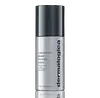
This barrier-repair moisturizer is formulated around Panthenol and Linoleic Acid to strengthen the skin barrier and soften the look of wrinkles.
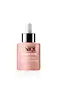
This smoothing serum is formulated around Lactic Acid and Sodium Hyaluronate to refine skin texture and brighten dull-looking skin.

What's inside
What's inside
 Key Ingredients
Benefits
Concerns
Ingredients Side-by-side
Water
Skin ConditioningGlycerin
Humectant


Butylene Glycol
Humectant
C12-15 Alkyl Benzoate
AntimicrobialPanthenol
Skin Conditioning

Linoleic Acid
Cleansing


Cetyl Palmitate
Emollient
Niacinamide
Smoothing






Propanediol
Solvent
Cetearyl Alcohol
Emollient




Ethylhexyl Olivate
Skin Conditioning
Cetearyl Olivate
Caprylic/Capric Triglyceride
Masking
Tocopheryl Acetate
Antioxidant

Palmitoyl Tetrapeptide-7
Skin Conditioning
Hydroxyacetophenone
Antioxidant
Haematococcus Pluvialis Extract
Antioxidant
Dipotassium Glycyrrhizate
Humectant
Lactic Acid
Buffering

Aminopropyl Ascorbyl Phosphate
Antioxidant
Glycine Soja Oil
Emollient
Aniba Rosodora Wood Oil
Astringent
Eugenia Caryophyllus Leaf Oil
Masking


Anthemis Nobilis Flower Oil
Masking
Citrus Limon Peel Extract
EmollientPelargonium Graveolens Flower Oil
Masking
Citrus Limon Peel Oil
Masking
Simmondsia Chinensis Seed Oil
Emollient
Cupressus Sempervirens Leaf/Nut/Stem Oil
Emollient
Cymbopogon Martini Oil
Masking
Cymbopogon Schoenanthus Oil
Masking
Rosmarinus Officinalis Leaf Extract
AntimicrobialEucalyptus Globulus Leaf Oil
Perfuming
Rosa Damascena Flower Oil
Masking
Daucus Carota Sativa Root Extract
Skin Conditioning
Helianthus Annuus Seed Oil
Emollient
Hydrolyzed Jojoba Esters
Skin Conditioning
Spirodela Polyrhiza Extract
Skin ConditioningTocopherol
Antioxidant
Polyglyceryl-10 Laurate
Skin Conditioning
Squalane
Emollient
Polyglycerin-10
HumectantLinolenic Acid
Cleansing
Chrysin
Skin ConditioningBeta-Carotene
Skin ConditioningRetinol
Skin Conditioning
Pentylene Glycol
Skin Conditioning
Ceramide NP
Skin Conditioning
C15-19 Alkane
SolventEthylhexylglycerin
Skin ConditioningSorbitan Olivate
Emulsifying
Potassium Cetyl Phosphate
EmulsifyingTetrasodium Glutamate Diacetate
Sorbitan Oleate
Emulsifying
Pantolactone
Humectant
Polysorbate 20
Emulsifying
Laureth-23
Cleansing
Trideceth-6 Phosphate
EmulsifyingCitric Acid
Buffering
Sodium Hydroxide
BufferingAcrylamide/Sodium Acryloyldimethyltaurate Copolymer
Emulsion StabilisingPolyacrylate Crosspolymer-6
Emulsion StabilisingLinalool
Perfuming
Eugenol
Perfuming
Limonene
Perfuming
Geraniol
Perfuming
Citronellol
Perfuming
Citral
Perfuming
Benzyl Benzoate
Antimicrobial
Benzyl Alcohol
Perfuming

Water, Glycerin, Butylene Glycol, C12-15 Alkyl Benzoate, Panthenol, Linoleic Acid, Cetyl Palmitate, Niacinamide, Propanediol, Cetearyl Alcohol, Ethylhexyl Olivate, Cetearyl Olivate, Caprylic/Capric Triglyceride, Tocopheryl Acetate, Palmitoyl Tetrapeptide-7, Hydroxyacetophenone, Haematococcus Pluvialis Extract, Dipotassium Glycyrrhizate, Lactic Acid, Aminopropyl Ascorbyl Phosphate, Glycine Soja Oil, Aniba Rosodora Wood Oil, Eugenia Caryophyllus Leaf Oil, Anthemis Nobilis Flower Oil, Citrus Limon Peel Extract, Pelargonium Graveolens Flower Oil, Citrus Limon Peel Oil, Simmondsia Chinensis Seed Oil, Cupressus Sempervirens Leaf/Nut/Stem Oil, Cymbopogon Martini Oil, Cymbopogon Schoenanthus Oil, Rosmarinus Officinalis Leaf Extract, Eucalyptus Globulus Leaf Oil, Rosa Damascena Flower Oil, Daucus Carota Sativa Root Extract, Helianthus Annuus Seed Oil, Hydrolyzed Jojoba Esters, Spirodela Polyrhiza Extract, Tocopherol, Polyglyceryl-10 Laurate, Squalane, Polyglycerin-10, Linolenic Acid, Chrysin, Beta-Carotene, Retinol, Pentylene Glycol, Ceramide NP, C15-19 Alkane, Ethylhexylglycerin, Sorbitan Olivate, Potassium Cetyl Phosphate, Tetrasodium Glutamate Diacetate, Sorbitan Oleate, Pantolactone, Polysorbate 20, Laureth-23, Trideceth-6 Phosphate, Citric Acid, Sodium Hydroxide, Acrylamide/Sodium Acryloyldimethyltaurate Copolymer, Polyacrylate Crosspolymer-6, Linalool, Eugenol, Limonene, Geraniol, Citronellol, Citral, Benzyl Benzoate, Benzyl Alcohol
Water
Skin ConditioningGlycerin
Humectant
Lactic Acid
Buffering
Octyldodecyl Myristate
EmollientButylene Glycol
Humectant
Bis-PEG-18 Methyl Ether Dimethyl Silane
EmollientDimethicone
Emollient
PPG-24-Glycereth-24
EmulsifyingSodium Hydroxide
BufferingHydrogenated Lecithin
Emulsifying
Glycereth-26
Humectant
Polysorbate 80
Emulsifying
Sodium Hyaluronate
Humectant
Caffeine
Skin Conditioning
Aloe Barbadensis Leaf Water
MaskingC13-14 Isoparaffin
Emollient
Sodium Polyaspartate
HumectantTrehalose
Humectant
Sodium Stearoyl Glutamate
CleansingGlycyrrhetinic Acid
Skin Conditioning
Sucrose
Humectant
Laureth-7
EmulsifyingXanthan Gum
EmulsifyingDimethicone/PEG-10/15 Crosspolymer
Polyacrylamide
Tocopheryl Acetate
Antioxidant
Magnesium Ascorbyl Phosphate
Antioxidant
BHT
Antioxidant
Disodium EDTA
Phenoxyethanol
Preservative
Potassium Sorbate
Preservative
Mica
Cosmetic ColorantCI 77891
Cosmetic ColorantCI 77491
Cosmetic ColorantWater, Glycerin, Lactic Acid, Octyldodecyl Myristate, Butylene Glycol, Bis-PEG-18 Methyl Ether Dimethyl Silane, Dimethicone, PPG-24-Glycereth-24, Sodium Hydroxide, Hydrogenated Lecithin, Glycereth-26, Polysorbate 80, Sodium Hyaluronate, Caffeine, Aloe Barbadensis Leaf Water, C13-14 Isoparaffin, Sodium Polyaspartate, Trehalose, Sodium Stearoyl Glutamate, Glycyrrhetinic Acid, Sucrose, Laureth-7, Xanthan Gum, Dimethicone/PEG-10/15 Crosspolymer, Polyacrylamide, Tocopheryl Acetate, Magnesium Ascorbyl Phosphate, BHT, Disodium EDTA, Phenoxyethanol, Potassium Sorbate, Mica, CI 77891, CI 77491
Reviews
Ingredients Explained
These ingredients are found in both products.
Ingredients higher up in an ingredient list are typically present in a larger amount.
Butylene Glycol (or BG) is used within cosmetic products for a few different reasons:
Overall, Butylene Glycol is a safe and well-rounded ingredient that works well with other ingredients.
Though this ingredient works well with most skin types, some people with sensitive skin may experience a reaction such as allergic rashes, closed comedones, or itchiness.
Learn more about Butylene GlycolGlycerin (or glycerol) is a compound naturally found in your skin. It's a powerhouse humectant that pulls water into the stratum corneum.
Topically, glycerin does several things at once:
Your skin makes glycerin on its own (mostly from sebaceous oil breakdown) and shuttles it to your outermost layer of skin, or your epidermis, via aquaporin-3.
Aquaporin-3 is a transporter that is essential for normal skin hydration, elasticity, and repair. Interestingly, mice lacking in AQP3 have dry and less elastic skin that can be fully corrected with glycerin.
This ingredient is non-irritating, plays well with almost every ingredient, and works across all skin types. Typical use is anywhere between 3-10% but can go up to 79% in some leave-on products.
Just know very high concentrations (>40%) can feel tacky in low humidity.
Glycerin is the name for this ingredient in American English. British English uses Glycerol/Glycerine.
Learn more about GlycerinLactic Acid is another well-loved alpha hydroxy acid (AHA). It is gentler than glycolic acid but still highly effective.
Its main role is to exfoliate the surface of the skin by loosening the “glue” that holds dead skin cells together. Shedding those old cells leads to smoother, softer, and more even-toned skin.
Because lactic acid molecules are larger than glycolic acid, they don’t penetrate as deeply. This means they’re less likely to sting or irritate, making it a great choice for beginners or those with sensitive skin.
Like glycolic acid, it can:
Lactic acid also acts as a humectant (like hyaluronic acid). It can draw water into the skin to improve hydration and also plays a role in the skin's natural moisturizing factor (NMF) in the form of sodium lactate.
Studies show it can boost ceramide production to strengthen the skin barrier and even help balance the skin’s microbiome.
To get results, choose products with a pH between 3-4.
Lower strengths (5-12%) focus on surface exfoliation; higher strengths (12% and up) can reach deeper in the dermis (deeper, supportive layer) to improve skin texture and firmness over time.
Though it was originally derived from milk, most modern lactic acid used in skincare is vegan. It is made through non-dairy fermentation to create a bio-identical and stable form suitable for all formulations.
When lactic acid shows up near the end of an ingredient list, it usually means the brand added just a tiny amount to adjust the product’s pH.
Legend has it that Cleopatra used to bathe in sour milk to help reduce wrinkles.
Lactic acid is truly a gentle multitasker: it exfoliates, hydrates, strengthens, and brightens. It's a great ingredient for giving your skin a smooth, glowing, and healthy look without the harshness of stronger acids.
Read more about some other popular AHA's here:
Learn more about Lactic AcidSodium Hydroxide is also known as lye or caustic soda. It is used to adjust the pH of products; many ingredients require a specific pH to be effective.
In small amounts, sodium hydroxide is considered safe to use. However, large amounts may cause chemical burns due to its high alkaline.
Your skin has a natural pH and acid mantle. This acid mantle helps prevent harmful bacteria from breaking through. The acid mantle also helps keep your skin hydrated.
"Alkaline" refers to a high pH level. A low pH level would be considered acidic.
Learn more about Sodium HydroxideTocopheryl Acetate is a stable, shelf-friendly form of vitamin E.
Formulators love it because plain vitamin E oxidizes quickly once it hits air. This acetate version stays stable and resists going off, helping to extend a product's shelf life.
It's actually inactive on its own and works like a slow-release "storage" form; the enzymes in your skin called esterases gradually convert it into active vitamin E over time.
One in vivo study showed 5% of the acetate in the living layer of the epidermis converted to vitamin E after 5 days of application. This study also found the skin gained protection against UV damage even though the conversion was slow and small.
Once converted, vitamin E acts as a skin's main fat-soluble antioxidant that fights free radicals to protect skin from damage.
Topical vitamin E generally boosts the skin's photoprotection, and it reduced UV-damage in animal models.
This ingredient has some brightening potential but it's more of a prevention ingredient than spot-fader. Cell studies show it can slow down melanin production but it's worth noting that it's not the most powerful brightener out there.
Overall, it has a pretty solid safety profile and has been found to be non-irritating and non-comedogenic. Allergic reactions may happen but stay rare due to how widely the ingredient gets used.
The concentration will vary depending on the formula; industry data shows 0.1% in baby lotions, 3% in lipsticks, and 5% in foot powders. You can also find this ingredient at 100% in a pure vitamin E oil.
Most leave-on skincare keeps it at the lower end, often between 0.5-1%.
Learn more about Tocopheryl AcetateWater. It's the most common cosmetic ingredient of all. You'll usually see it at the top of ingredient lists, meaning that it makes up the largest part of the product.
So why is it so popular? Water most often acts as a solvent - this means that it helps dissolve other ingredients into the formulation.
You'll also recognize water as that liquid we all need to stay alive. If you see this, drink a glass of water. Remember to stay hydrated!
Learn more about Water

