
What's inside
What's inside
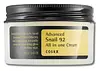 Key Ingredients
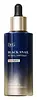
Benefits
Concerns
Ingredients Side-by-side
Snail Secretion Filtrate
Skin Conditioning





Betaine
Humectant
Caprylic/Capric Triglyceride
Masking
Butylene Glycol
Humectant
Cetearyl Olivate

Sorbitan Olivate
Emulsifying
Cetearyl Alcohol
Emollient


Carbomer
Emulsion StabilisingEthyl Hexanediol
SolventPhenoxyethanol
Preservative
Arginine
Masking
Dimethicone
Emollient
Sodium Polyacrylate
Absorbent
Sodium Hyaluronate
Humectant

Allantoin
Skin Conditioning
Palmitic Acid
Emollient
Panthenol
Skin Conditioning
Xanthan Gum
EmulsifyingStearic Acid
Cleansing
Adenosine
Skin Conditioning
Water
Skin ConditioningMyristic Acid
Cleansing
Snail Secretion Filtrate, Betaine, Caprylic/Capric Triglyceride, Butylene Glycol, Cetearyl Olivate, Sorbitan Olivate, Cetearyl Alcohol, Carbomer, Ethyl Hexanediol, Phenoxyethanol, Arginine, Dimethicone, Sodium Polyacrylate, Sodium Hyaluronate, Allantoin, Palmitic Acid, Panthenol, Xanthan Gum, Stearic Acid, Adenosine, Water, Myristic Acid
Snail Secretion Filtrate 34%
Skin Conditioning
Water
Skin ConditioningPropanediol
Solvent
Glycerin
Humectant
C13-16 Isoalkane
SolventGlycereth-26
Humectant
Niacinamide
Smoothing






Pentylene Glycol
Skin Conditioning
Squalane
Emollient
Heptyl Undecylenate
EmollientPolyglyceryl-3 Distearate
Emulsifying
1,2-Hexanediol
Skin Conditioning
Glyceryl Stearate
Emollient
Betaine
Humectant
Hydrogenated Polydecene
EmollientHydrogenated Polyisobutene
EmollientUndecane
EmollientHydrogenated Poly(C6-14 Olefin)
EmollientSynthetic Sapphire
Tridecane
Perfuming
Caprylyl Glycol
Emollient
Acrylates/C10-30 Alkyl Acrylate Crosspolymer
Emulsion StabilisingParfum
Masking


Hydrogenated Lecithin
Emulsifying
Butylene Glycol
Humectant
Cetyl Palmitate
Emollient
Coco-Caprylate/Caprate
Emollient
Hydrogenated Olive Oil Unsaponifiables
Emollient
Malt Extract
Skin ProtectingSorbitan Olivate
Emulsifying
Sorbitan Palmitate
Emulsifying
Dioscorea Japonica Root Extract
Skin Conditioning
Glyceryl Stearate Citrate
Emollient
Xanthan Gum
EmulsifyingAdenosine
Skin Conditioning
Tromethamine
BufferingEthylhexylglycerin
Skin ConditioningCoccinia Indica Fruit Extract
Skin ConditioningEclipta Prostrata Extract
Skin Conditioning
Hydrolyzed Corn Starch
HumectantDisodium EDTA
Beta-Glucan
Skin Conditioning
Sodium Polyacrylate
Absorbent
Sucrose
Humectant
Biosaccharide Gum-1
Humectant
Polyether-1
Allantoin
Skin Conditioning
Centella Asiatica Extract
Cleansing
Dimethyl Isosorbide
SolventGlyceryl Oleate
Emollient
Caprylic/Capric Triglyceride
Masking
Tocopherol
Antioxidant

Lauryl Glucoside
CleansingMyristyl Glucoside
CleansingPolyglyceryl-6 Laurate
Emulsifying
Hydroxypinacolone Retinoate
Skin Conditioning
Macadamia Ternifolia Seed Oil
Emollient
Octyldodecanol
Emollient
Hydrolyzed Collagen
Emollient
Hydrolyzed Hyaluronic Acid
Humectant
Retinol
Skin Conditioning
Maltodextrin
Absorbent
Glycolipids
Skin ConditioningBrassica Campestris Sterols
EmollientPhosphatidylcholine
EmulsifyingCholesterol
Emollient
Aluminum/Magnesium Hydroxide Stearate
Emulsion StabilisingPentaerythrityl Tetra-Di-T-Butyl Hydroxyhydrocinnamate
Antioxidant
Zymomonas Ferment Extract
HumectantPearl Extract
Antioxidant
Hydroxydecyl Ubiquinone
Antioxidant
Tris(Tetramethylhydroxypiperidinol)Citrate
StabilisingFerulic Acid
Antimicrobial
Honey Extract
Humectant
Palmitoyl Pentapeptide-4
Skin Conditioning
Snail Secretion Filtrate 34%, Water, Propanediol, Glycerin, C13-16 Isoalkane, Glycereth-26, Niacinamide, Pentylene Glycol, Squalane, Heptyl Undecylenate, Polyglyceryl-3 Distearate, 1,2-Hexanediol, Glyceryl Stearate, Betaine, Hydrogenated Polydecene, Hydrogenated Polyisobutene, Undecane, Hydrogenated Poly(C6-14 Olefin), Synthetic Sapphire, Tridecane, Caprylyl Glycol, Acrylates/C10-30 Alkyl Acrylate Crosspolymer, Parfum, Hydrogenated Lecithin, Butylene Glycol, Cetyl Palmitate, Coco-Caprylate/Caprate, Hydrogenated Olive Oil Unsaponifiables, Malt Extract, Sorbitan Olivate, Sorbitan Palmitate, Dioscorea Japonica Root Extract, Glyceryl Stearate Citrate, Xanthan Gum, Adenosine, Tromethamine, Ethylhexylglycerin, Coccinia Indica Fruit Extract, Eclipta Prostrata Extract, Hydrolyzed Corn Starch, Disodium EDTA, Beta-Glucan, Sodium Polyacrylate, Sucrose, Biosaccharide Gum-1, Polyether-1, Allantoin, Centella Asiatica Extract, Dimethyl Isosorbide, Glyceryl Oleate, Caprylic/Capric Triglyceride, Tocopherol, Lauryl Glucoside, Myristyl Glucoside, Polyglyceryl-6 Laurate, Hydroxypinacolone Retinoate, Macadamia Ternifolia Seed Oil, Octyldodecanol, Hydrolyzed Collagen, Hydrolyzed Hyaluronic Acid, Retinol, Maltodextrin, Glycolipids, Brassica Campestris Sterols, Phosphatidylcholine, Cholesterol, Aluminum/Magnesium Hydroxide Stearate, Pentaerythrityl Tetra-Di-T-Butyl Hydroxyhydrocinnamate, Zymomonas Ferment Extract, Pearl Extract, Hydroxydecyl Ubiquinone, Tris(Tetramethylhydroxypiperidinol)Citrate, Ferulic Acid, Honey Extract, Palmitoyl Pentapeptide-4
Reviews
Ingredients Explained
These ingredients are found in both products.
Ingredients higher up in an ingredient list are typically present in a larger amount.
Adenosine is in every living organism. It is one of four components in nucleic acids that helps store our DNA.
Adenosine has many benefits when used. These benefits include hydrating the skin, smoothing skin, and reducing wrinkles. Once applied, adenosine increases collagen production. It also helps with improving firmness and tissue repair.
Studies have found adenosine may also help with wound healing.
In skincare products, Adenosine is usually derived from yeast.
Learn more about AdenosineAllantoin is a soothing ingredient known for its protective and moisturizing properties; it's basically a quiet workhorse ingredient you can find in a huge range of cosmetics.
Though it can be derived from the comfrey plant, allantoin is produced synthetically for cosmetic products to ensure purity.
Research shows it can encourage your skin cells to turn over and renew by stimulating keratinocyte and fibroblast proliferation.
It also has mild keratolytic properties to help loosen and shed dead skin cells without being harsh.
Studies also suggest allantoin can help calm inflammation by dialing down some of the chemical signals your skin sends out when it is irritated.
This ingredient is typically used in the 0.1-0.5% range, and the FDA recognizes it as a skin protectant in OTC products up to 2%.
Overall, allantoin is a wonderful addition to most routines; it is stable across a wide pH range (~4-8), works well with other ingredients, and is considered non-sensitizing/non-irritating.
Fun fact: Allantoin is naturally occurring in comfrey root, beets, chamomile, and wheat sprouts. Our bodies even produce it as a byproduct of uric acid metabolism.
Learn more about AllantoinBetaine is a humectant. Like hyaluronic acid, it helps attract and retain moisture in the skin. It’s known for being gentle and for helping the skin maintain balanced hydration.
Betaine is mainly used to improve hydration and support calmer skin. It helps skin cells regulate water balance because it functions as an osmolyte.
Some studies suggest betaine may support making skin tone more even.
Fun fact: Betaine naturally exists in the skin and the body. In cosmetic products, it can be either plant-derived (most commonly from sugar beets) or synthetically produced for consistency and stability.
Betaine is also known as trimethylglycine.
Learn more about BetaineButylene Glycol (or BG) is used within cosmetic products for a few different reasons:
Overall, Butylene Glycol is a safe and well-rounded ingredient that works well with other ingredients.
Though this ingredient works well with most skin types, some people with sensitive skin may experience a reaction such as allergic rashes, closed comedones, or itchiness.
Learn more about Butylene GlycolThis ingredient is a lightweight emollient, solvent, and texture enhancer. It is considered a skin-softener by helping the skin prevent moisture loss.
It helps thicken a product's formula and makes it easier to spread by dissolving clumping compounds.
Caprylic Triglyceride is made by combining glycerin with coconut oil, forming a clear liquid. Though it behaves like an oil, it is not technically one due to its chemical composition. It is very stable, resistant to oxidation, and unlikely to go rancid. In practice, that translates to a long shelf life and a consistently elegant skin feel.
While there is an assumption Caprylic Triglyceride can clog pores due to it being derived from coconut oil, there is no research supporting this. Be sure to patch test if you have concerns.
Fractionated coconut oil and MCT Oil are both listed as Caprylic/Capric Triglyceride according to INCI. This is because INCI names are based on the ingredient’s final chemical composition and not its marketing name or source.
Learn more about Caprylic/Capric TriglycerideSnail Secretion Filtrate is the excretion from snails. It is an effective moisturizer and promotes collagen production.
A popular nickname for this ingredient is 'Snail Mucin'.
Snail mucin has numerous skin benefits:
On top of this, Snail Secretion Filtrate contains a variety of vitamins and minerals. These include copper peptides, Vitamin A, and Vitamin E. Vitamins A and E are antioxidants. Antioxidants help fight free-radicals that damage skin cells.
Being cruelty-free means a brand does not experiment on animals.
If you're worried about the well-being of the snails, we recommend looking more into the company of the product. Many brands have developed humane methods to collect snail mucin.
There is much debate on this subject. On one hand, this ingredient comes from an animal. On the other hand, many will argue the ingredient is naturally secreted (like a natural by-product) and therefore vegan. If you have reservations, you can look into Galactomyces Ferment Filtrate or Centella Asiatica Extract as alternatives.
Learn more about Snail Secretion FiltrateSodium Polyacrylate is the sodium salt of polyacrylic acid. It is used as an absorber, emollient, and stabilizer.
This ingredient is a super-absorbent polymer - meaning it can absorb 100 to 1000 times its mass in water. As an emollient, Sodium Polyacrylate helps soften and soothe skin. Emollients work by creating a barrier to trap moisture in. This helps keep your skin hydrated.
Sorbitan Olivate is created from the fatty acids in olive oil and sorbitol.
This ingredient is an oil in water emulsifier. It helps stabilize a product by preventing oils and waters from separating. Sorbitan Olivate also helps hydrate the skin.
This ingredient is also known as part of Olivem 1000, with Cetearyl Olivate being the other part.
According to a manufacturer, this ingredient helps preserve the natural microbiome of skin. Having a healthy microbiome helps keep our skin healthy and protects against harmful bacteria.
Please note, having a healthy microbiome is different from fungal acne; a healthy microbiome includes small amounts of yeast that normally live on your skin without causing problems.
Fungal acne happens when one type of yeast (Malassezia) grows out of control. This is usually because it's feeding on certain oils or fatty acids. Due to the olive oil base, this ingredient may not be fungal acne safe.
Learn more about Sorbitan OlivateWater. It's the most common cosmetic ingredient of all. You'll usually see it at the top of ingredient lists, meaning that it makes up the largest part of the product.
So why is it so popular? Water most often acts as a solvent - this means that it helps dissolve other ingredients into the formulation.
You'll also recognize water as that liquid we all need to stay alive. If you see this, drink a glass of water. Remember to stay hydrated!
Learn more about WaterXanthan gum is used as a stabilizer and thickener within cosmetic products. It helps give products a sticky, thick feeling - preventing them from being too runny.
On the technical side of things, xanthan gum is a polysaccharide - a combination consisting of multiple sugar molecules bonded together.
Xanthan gum is a pretty common and great ingredient. It is a natural, non-toxic, non-irritating ingredient that is also commonly used in food products.
Learn more about Xanthan Gum
