

What's inside
What's inside
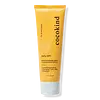 Key Ingredients
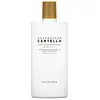
Benefits
Concerns
Ingredients Side-by-side
Zinc Oxide 21%
Cosmetic Colorant


Water
Skin ConditioningCaprylic/Capric Triglyceride
Masking
Coconut Alkanes
Emollient
Cetearyl Alcohol
Emollient


Glycerin
Humectant


Aloe Barbadensis Leaf Juice
Skin Conditioning

Argania Spinosa Kernel Oil
Emollient

Tocopheryl Acetate
Antioxidant

Helianthus Annuus Seed Oil
Emollient
Coco-Glucoside
CleansingGlyceryl Caprylate
EmollientSodium Phytate
Caprylyl/Capryl Glucoside
CleansingXanthan Gum
EmulsifyingDipotassium Glycyrrhizate
Humectant
Sclerotium Gum
Emulsion StabilisingCetearyl Glucoside
EmulsifyingButyrospermum Parkii Butter
Skin Conditioning
Tocopherol
Antioxidant
Coco-Caprylate/Caprate
Emollient
Caprylhydroxamic Acid
Sucrose
Humectant
Spirulina Maxima Extract
SmoothingPhaeodactylum Tricornutum Extract
HumectantOryza Sativa Starch
AbsorbentBisabolol
Masking
Lecithin
Emollient
Polyhydroxystearic Acid
Emulsifying
Polyglyceryl-3 Polyricinoleate
Emulsifying
Isostearic Acid
Cleansing
Glucose
Humectant
Alcohol
Antimicrobial




Zinc Oxide 21%, Water, Caprylic/Capric Triglyceride, Coconut Alkanes, Cetearyl Alcohol, Glycerin, Aloe Barbadensis Leaf Juice, Argania Spinosa Kernel Oil, Tocopheryl Acetate, Helianthus Annuus Seed Oil, Coco-Glucoside, Glyceryl Caprylate, Sodium Phytate, Caprylyl/Capryl Glucoside, Xanthan Gum, Dipotassium Glycyrrhizate, Sclerotium Gum, Cetearyl Glucoside, Butyrospermum Parkii Butter, Tocopherol, Coco-Caprylate/Caprate, Caprylhydroxamic Acid, Sucrose, Spirulina Maxima Extract, Phaeodactylum Tricornutum Extract, Oryza Sativa Starch, Bisabolol, Lecithin, Polyhydroxystearic Acid, Polyglyceryl-3 Polyricinoleate, Isostearic Acid, Glucose, Alcohol
Centella Asiatica Extract 35.8%
Cleansing
Cyclopentasiloxane
Emollient
Zinc Oxide
Cosmetic Colorant
Butyloctyl Salicylate
Skin Conditioning
Titanium Dioxide
Cosmetic Colorant
Propanediol
Solvent
Benzotriazolyl Dodecyl P-Cresol
UV AbsorberCoptis Chinensis Root Extract
Antioxidant
PEG-10 Dimethicone
Skin Conditioning
Niacinamide
Smoothing


Disteardimonium Hectorite
StabilisingButylene Glycol
Humectant
Magnesium Sulfate
1,2-Hexanediol
Skin Conditioning
Caprylic/Capric Glycerides
EmollientDimethicone
Emollient
Vp/Hexadecene Copolymer
Polymethylsilsesquioxane
Aluminum Hydroxide
EmollientStearic Acid
Cleansing
Sorbitan Sesquioleate
Emulsifying
Triethoxycaprylylsilane
Dimethicone Crosspolymer
Emulsion Stabilising
Dimethicone/Vinyl Dimethicone Crosspolymer
Skin Conditioning
Dextrin
AbsorbentTheobroma Cacao Extract
Skin ConditioningPelargonium Graveolens Flower Oil
Masking

Water
Skin ConditioningCitrus Aurantium Bergamia Fruit Oil
Masking
Betaine
Humectant
Scutellaria Baicalensis Root Extract
AstringentPolygonum Cuspidatum Root Extract
Antioxidant
Glycyrrhiza Glabra Root Extract
Bleaching
Camellia Sinensis Leaf Extract
Antimicrobial
Sodium Hyaluronate
Humectant
Rosmarinus Officinalis Leaf Extract
AntimicrobialChamomilla Recutita Flower Extract
Masking
Rosa Damascena Flower Oil
Masking
Pentylene Glycol
Skin ConditioningMadecassoside
Antioxidant
Citronellol
Perfuming
Geraniol
Perfuming
Linalool
Perfuming
Centella Asiatica Extract 35.8%, Cyclopentasiloxane, Zinc Oxide, Butyloctyl Salicylate, Titanium Dioxide, Propanediol, Benzotriazolyl Dodecyl P-Cresol, Coptis Chinensis Root Extract, PEG-10 Dimethicone, Niacinamide, Disteardimonium Hectorite, Butylene Glycol, Magnesium Sulfate, 1,2-Hexanediol, Caprylic/Capric Glycerides, Dimethicone, Vp/Hexadecene Copolymer, Polymethylsilsesquioxane, Aluminum Hydroxide, Stearic Acid, Sorbitan Sesquioleate, Triethoxycaprylylsilane, Dimethicone Crosspolymer, Dimethicone/Vinyl Dimethicone Crosspolymer, Dextrin, Theobroma Cacao Extract, Pelargonium Graveolens Flower Oil, Water, Citrus Aurantium Bergamia Fruit Oil, Betaine, Scutellaria Baicalensis Root Extract, Polygonum Cuspidatum Root Extract, Glycyrrhiza Glabra Root Extract, Camellia Sinensis Leaf Extract, Sodium Hyaluronate, Rosmarinus Officinalis Leaf Extract, Chamomilla Recutita Flower Extract, Rosa Damascena Flower Oil, Pentylene Glycol, Madecassoside, Citronellol, Geraniol, Linalool
Reviews
Ingredients Explained
These ingredients are found in both products.
Ingredients higher up in an ingredient list are typically present in a larger amount.
Water. It's the most common cosmetic ingredient of all. You'll usually see it at the top of ingredient lists, meaning that it makes up the largest part of the product.
So why is it so popular? Water most often acts as a solvent - this means that it helps dissolve other ingredients into the formulation.
You'll also recognize water as that liquid we all need to stay alive. If you see this, drink a glass of water. Stay hydrated!
Learn more about WaterZinc Oxide is a mineral broad-spectrum UV filter; it is the broadest UVA and UVB reflector approved by the FDA. It also has skin protectant and skin soothing properties.
Zinc oxide is one of the most effective broad-spectrum UV filters. It protects against UVB, UVAII, and UVAI. In comparison to its counterpart titanium dioxide, zinc oxide provides uniform and extended UVA protection.
Another great benefit? This ingredient is highly photostable so it won't degrade easily under sunlight.
A common myth is that mineral UV filters are widely believed to primarily reflect UV light.
However, modern research shows titanium dioxide absorbs UV radiation like chemical filters (~95% absorption & 5% reflection).
Zinc oxide has great skin soothing properties so you'll likely find this in sunscreens formulated for sensitive skin or babies/children. It is unlikely to cause "eye sting" like other sunscreen ingredients.
Regulatory agencies consider zinc oxide to be non-toxic and safe. It has also been shown to not penetrate the skin.
Unfortunately, this ingredient does leave a visible white cast. This is why mineral sunscreens are often less cosmetically elegant than chemical or hybrid ones.
In cosmetics, zinc oxide can be found in both non-nano and nano-sized forms. The nano version is used to reduce white cast and improve the texture of sunscreen formulas.
There are ongoing concerns surrounding nano-zinc oxide's impact on marine ecosystems and whether it can be absorbed into skin.
Regarding marine ecosystems and coral reefs, there is no conclusive evidence that any form of zinc oxide (or any other sunscreen ingredients) will cause harm. The science is still developing but many consumers are keeping a close eye on this issue.
Please note, many destinations have reef-safety sunscreen rules. For instance, the U.S. Virgin Islands advises all visitors to use non-nano mineral sunscreens.
There has also been some stir about whether micronized or nano zinc oxide has potential photoxicity and absorption through the skin/lungs.
An in-vitro (done in a test tube or petri dish) study demonstrated micronized zinc oxide to have potential phototoxicity. There's no need to fret; the EU Commission's Scientific Committee on Consumer Safety has stated, "The relevance of these findings needs to be clarified by appropriate investigations in vivo." Or in other words, further studies done on living organisms are needed to prove this.
Current research shows zinc oxide nanoparticles do not penetrate intact or sunburned skin. They either remain on the surface or in the outermost layer of dead skin (stratum corneum).
Zinc oxide is one of only two classified mineral UV filters with titanium dioxide being the other one.
Fun fact: Zinc has been used throughout history as an ingredient in paint and medicine. An Indian text from 500BC is believed to list zinc oxide as a salve for open wound. The Ancient Greek physician Dioscorides has also mentioned the use of zinc as an ointment in 1AD.
Learn more about Zinc Oxide
