Clinique Superdefense Night Recovery Moisturizer Versus Dr.Ceuracle Vegan Active Berry Lifting Cream
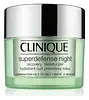
This barrier-repair night moisturizer is formulated around Centella Asiatica Extract and Acetyl Hexapeptide-8 to strengthen the skin barrier and soften the look of wrinkles.
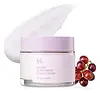
This anti-aging moisturizer is formulated around Adenosine and Resveratrol to soften the look of wrinkles.


What's inside
What's inside
 Key Ingredients
Benefits
Concerns
Ingredients Side-by-side
Water
Skin ConditioningNeopentyl Glycol Diheptanoate
EmollientJojoba Esters
Emollient

C12-20 Acid PEG-8 Ester
Emulsifying
Glycerin
Humectant


Polymethyl Methacrylate

Butylene Glycol
Humectant
Cetyl Alcohol
Emollient

PEG-100 Stearate
Surfactant
Behenyl Alcohol
Emollient
Rosmarinus Officinalis Leaf Extract
AntimicrobialChlorella Vulgaris Extract
Skin ConditioningCaffeine
Skin Conditioning

Sigesbeckia Orientalis Extract
Skin ConditioningMicrococcus Lysate
Skin ConditioningSalvia Sclarea Extract
AntiseborrhoeicCentella Asiatica Extract
Cleansing

Whey Protein
Skin ConditioningAstrocaryum Murumuru Seed Butter
Emollient

Phytosterols
Skin Conditioning
Laminaria Digitata Extract
Skin Protecting
Lecithin
Emollient
Acetyl Hexapeptide-8
Humectant
Glycine Soja Protein
EmulsifyingErgothioneine
Antioxidant

Sodium Hyaluronate
Humectant
Trehalose
Humectant
Dimethicone
Emollient
Glyceryl Stearate
Emollient
Potassium Cetyl Phosphate
EmulsifyingPentylene Glycol
Skin Conditioning
Tocopheryl Acetate
Antioxidant

Caprylyl Glycol
Emollient
Acrylates/C10-30 Alkyl Acrylate Crosspolymer
Emulsion StabilisingXanthan Gum
EmulsifyingTetrahexyldecyl Ascorbate
Antioxidant

Carbomer
Emulsion StabilisingSodium Hydroxide
BufferingCitric Acid
Buffering
Disodium EDTA
ChelatingPhenoxyethanol
Preservative
CI 77891
Cosmetic ColorantMica
Cosmetic ColorantWater, Neopentyl Glycol Diheptanoate, Jojoba Esters, C12-20 Acid PEG-8 Ester, Glycerin, Polymethyl Methacrylate, Butylene Glycol, Cetyl Alcohol, PEG-100 Stearate, Behenyl Alcohol, Rosmarinus Officinalis Leaf Extract, Chlorella Vulgaris Extract, Caffeine, Sigesbeckia Orientalis Extract, Micrococcus Lysate, Salvia Sclarea Extract, Centella Asiatica Extract, Whey Protein, Astrocaryum Murumuru Seed Butter, Phytosterols, Laminaria Digitata Extract, Lecithin, Acetyl Hexapeptide-8, Glycine Soja Protein, Ergothioneine, Sodium Hyaluronate, Trehalose, Dimethicone, Glyceryl Stearate, Potassium Cetyl Phosphate, Pentylene Glycol, Tocopheryl Acetate, Caprylyl Glycol, Acrylates/C10-30 Alkyl Acrylate Crosspolymer, Xanthan Gum, Tetrahexyldecyl Ascorbate, Carbomer, Sodium Hydroxide, Citric Acid, Disodium EDTA, Phenoxyethanol, CI 77891, Mica
Water
Skin ConditioningPropanediol
Solvent
Glycerin
Humectant
Cyclohexasiloxane
Emollient
1,2-Hexanediol
Skin Conditioning
Betaine
Humectant
Polyglycerin-3
Humectant
Hydrogenated Poly(C6-14 Olefin)
EmollientIsononyl Isononanoate
EmollientCaprylic/Capric Triglyceride
Masking
Hydrogenated Polydecene
EmollientPolyglyceryl-10 Stearate
Skin Conditioning
Dicaprylyl Carbonate
EmollientAmmonium Acryloyldimethyltaurate/Vp Copolymer
Vinyldimethicone
C14-22 Alcohols
Emulsion Stabilising
Cyclopentasiloxane
Emollient
Dimethiconol
Emollient
Dipropylene Glycol
HumectantC12-20 Alkyl Glucoside
EmulsifyingEclipta Prostrata Leaf Extract
Skin ConditioningLaminaria Japonica Extract
Skin Protecting
Acrylates/C10-30 Alkyl Acrylate Crosspolymer
Emulsion StabilisingTromethamine
BufferingEthylhexylglycerin
Skin ConditioningPolyquaternium-51
Skin Conditioning
Vitis Vinifera Seed Oil
Emollient
Disodium EDTA
ChelatingSodium Hyaluronate
Humectant
Adenosine
Skin Conditioning
Fructooligosaccharides
Humectant
Butylene Glycol
Humectant
Cyamopsis Tetragonoloba Gum
Emulsion StabilisingVaccinium Macrocarpon Fruit Extract
AstringentAgar
MaskingBeta-Glucan
Skin Conditioning
Hydrogenated Lecithin
Emulsifying
Caprylyl Glycol
Emollient
Eclipta Prostrata Extract
Skin Conditioning
Hydrolyzed Hyaluronic Acid
Humectant
Olea Europaea Fruit Oil
Masking
Pelargonium Graveolens Flower Oil
Masking


Glucose
Humectant
Melia Azadirachta Leaf Extract
Skin ConditioningLavandula Angustifolia Oil
Masking
Anthemis Nobilis Flower Oil
Masking
Squalane
Emollient
Xanthan Gum
EmulsifyingTitanium Dioxide
Cosmetic Colorant

Citrus Aurantium Dulcis Oil
Masking
Juniperus Mexicana Oil
Masking
Tocopherol
Antioxidant
Collagen
Moisturising
Moringa Oleifera Seed Oil
Emollient
Leuconostoc/Radish Root Ferment Filtrate
Antimicrobial
Resveratrol
Antioxidant
Ceramide NP
Skin Conditioning
Triethoxycaprylylsilane
Aluminum Hydroxide
EmollientWater, Propanediol, Glycerin, Cyclohexasiloxane, 1,2-Hexanediol, Betaine, Polyglycerin-3, Hydrogenated Poly(C6-14 Olefin), Isononyl Isononanoate, Caprylic/Capric Triglyceride, Hydrogenated Polydecene, Polyglyceryl-10 Stearate, Dicaprylyl Carbonate, Ammonium Acryloyldimethyltaurate/Vp Copolymer, Vinyldimethicone, C14-22 Alcohols, Cyclopentasiloxane, Dimethiconol, Dipropylene Glycol, C12-20 Alkyl Glucoside, Eclipta Prostrata Leaf Extract, Laminaria Japonica Extract, Acrylates/C10-30 Alkyl Acrylate Crosspolymer, Tromethamine, Ethylhexylglycerin, Polyquaternium-51, Vitis Vinifera Seed Oil, Disodium EDTA, Sodium Hyaluronate, Adenosine, Fructooligosaccharides, Butylene Glycol, Cyamopsis Tetragonoloba Gum, Vaccinium Macrocarpon Fruit Extract, Agar, Beta-Glucan, Hydrogenated Lecithin, Caprylyl Glycol, Eclipta Prostrata Extract, Hydrolyzed Hyaluronic Acid, Olea Europaea Fruit Oil, Pelargonium Graveolens Flower Oil, Glucose, Melia Azadirachta Leaf Extract, Lavandula Angustifolia Oil, Anthemis Nobilis Flower Oil, Squalane, Xanthan Gum, Titanium Dioxide, Citrus Aurantium Dulcis Oil, Juniperus Mexicana Oil, Tocopherol, Collagen, Moringa Oleifera Seed Oil, Leuconostoc/Radish Root Ferment Filtrate, Resveratrol, Ceramide NP, Triethoxycaprylylsilane, Aluminum Hydroxide
Reviews
Ingredients Explained
These ingredients are found in both products.
Ingredients higher up in an ingredient list are typically present in a larger amount.
Acrylates/C10-30 Alkyl Acrylate Crosspolymer is a synthetic polymer. It is used to thicken, emulsify, and improve the texture of products.
As an emulsifier, it helps stabilize oil-in-water emulsions to give products an elegant feel when applied.
It can also form a thin protective film on skin. One study found that a formula using this polymer helped slow down how quickly other ingredients (like DEET) were absorbed through skin.
A 2024 study of over 1,300 patients confirmed that sensitization to this ingredient is rare. It is also non-mutagenic and has a clean track record.
Learn more about Acrylates/C10-30 Alkyl Acrylate CrosspolymerButylene Glycol (or BG) is used within cosmetic products for a few different reasons:
Overall, Butylene Glycol is a safe and well-rounded ingredient that works well with other ingredients.
Though this ingredient works well with most skin types, some people with sensitive skin may experience a reaction such as allergic rashes, closed comedones, or itchiness.
Learn more about Butylene GlycolCaprylyl Glycol is a humectant, skin conditioner, emollient, and preservative booster derived from either caprylic acid or synthetically created.
Typical use levels vary from 0.3-1% as a preservative booster and go up to 2% to condition skin.
Because it is not a free-fatty acid, this ingredient is fungal acne safe (there's nothing for Malassezia to feed on).
Learn more about Caprylyl GlycolDisodium EDTA is a chelating agent. It grabs onto and deactivates metal ions that sneak into your products from water, packaging, or air.
This ingredient mainly works behind the scenes and helps with:
On top of that, this ingredient can counteract the effects of hard water by binding to the minerals in it.
One thing worth knowing is that Disodium EDTA has been shown to be a mild penetration enhancer. It can help other ingredients absorb into skin more effectively which can be a double-edged sword (great for actives, but can also make the active too strong if you have sensitive skin).
Clinical patch testing showed no significant skin irritation at typical use concentrations and minimal dermal absorption.
You'll most likely see this ingredient near the end of an ingredient list. It's typically found in concentrations less than 1%.
Learn more about Disodium EDTAGlycerin (or glycerol) is a compound naturally found in your skin. It's a powerhouse humectant that pulls water into the stratum corneum.
Topically, glycerin does several things at once:
Your skin makes glycerin on its own (mostly from sebaceous oil breakdown) and shuttles it to your outermost layer of skin, or your epidermis, via aquaporin-3.
Aquaporin-3 is a transporter that is essential for normal skin hydration, elasticity, and repair. Interestingly, mice lacking in AQP3 have dry and less elastic skin that can be fully corrected with glycerin.
This ingredient is non-irritating, plays well with almost every ingredient, and works across all skin types. Typical use is anywhere between 3-10% but can go up to 79% in some leave-on products.
Just know very high concentrations (>40%) can feel tacky in low humidity.
Glycerin is the name for this ingredient in American English. British English uses Glycerol/Glycerine.
Learn more about GlycerinSodium Hyaluronate is the salt form of hyaluronic acid. It is a long sugar chain that is naturally found in your skin, joints, and connective tissue that maintains hydration and elasticity.
In skincare, it works as a humectant. It pulls water from the environment and deeper layers of skin and binds it to the surface.
Interestingly, the size of the molecule affects its behavior:
Some clinical evidence links low molecular weight versions to improved wrinkle depth, elasticity, anti-inflammatory effects, and barrier repair.
Many serums use a blend of both weights so you can get surface hydration plus longer-lasting and deeper effects.
You'll typically see concentrations between 0.1-2% for this ingredient.
Learn more about Sodium HyaluronateWater. It's the most common cosmetic ingredient of all. You'll usually see it at the top of ingredient lists, meaning that it makes up the largest part of the product.
So why is it so popular? Water most often acts as a solvent - this means that it helps dissolve other ingredients into the formulation.
You'll also recognize water as that liquid we all need to stay alive. If you see this, drink a glass of water. Remember to stay hydrated!
Learn more about WaterXanthan gum is used as a stabilizer and thickener within cosmetic products. It helps give products a sticky, thick feeling - preventing them from being too runny.
On the technical side of things, xanthan gum is a polysaccharide - a combination consisting of multiple sugar molecules bonded together.
Xanthan gum is a pretty common and great ingredient. It is a natural, non-toxic, non-irritating ingredient that is also commonly used in food products.
Learn more about Xanthan Gum


