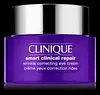
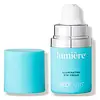
Clinique Smart Clinical Repair Wrinkle Correcting Eye Cream Versus Neocutis Lumiere Illuminating Eye Cream
This anti-aging eye moisturizer is formulated around Acetyl Hexapeptide-8 and Palmitoyl Tripeptide-1 to soften the look of wrinkles and strengthen the skin barrier.
This anti-aging eye moisturizer is formulated around Tetrahexyldecyl Ascorbate and Caffeine to soften the look of wrinkles and brighten dull-looking skin.

What's inside
What's inside
 Key Ingredients
Benefits
Concerns
Ingredients Side-by-side
Water
Skin ConditioningTridecyl Trimellitate
EmollientGlycerin
Humectant


Neopentyl Glycol Diethylhexanoate
Emollient
Polyglyceryl-6 Distearate
Emulsifying

Glyceryl Behenate
Emollient
Mangifera Indica Seed Butter
Skin Conditioning
Propanediol
Solvent
Butyrospermum Parkii Butter
Skin Conditioning


Cetearyl Wheat Straw Glycosides
EmulsifyingHypnea Musciformis Extract
Skin Protecting
Gelidiella Acerosa Extract
Skin Protecting
Polygonum Cuspidatum Root Extract
Antioxidant
Laminaria Digitata Extract
Skin Protecting
Saccharomyces Lysate Extract
Humectant
Camellia Sinensis Leaf Extract
Antimicrobial





Sigesbeckia Orientalis Extract
Skin ConditioningWhey Protein
Skin ConditioningPrunus Amygdalus Dulcis Seed Extract
Skin ConditioningAcetyl Hexapeptide-8
Humectant
Acetyl Octapeptide-3
Humectant
Palmitoyl Tripeptide-1
Skin Conditioning
Palmitoyl Tetrapeptide-7
Skin Conditioning
Palmitoyl Hexapeptide-12
Skin Conditioning
Phytosteryl/Isostearyl/Cetyl/Stearyl/Behenyl Dimer Dilinoleate
Skin Conditioning
Lactobacillus Ferment
Skin Conditioning
Sodium Hyaluronate
Humectant
Tocopheryl Acetate
Antioxidant
Butylene Glycol
Humectant
Cetearyl Alcohol
Emollient

Caffeine
Skin Conditioning
Tetrahexyldecyl Ascorbate
Antioxidant
Sucrose
Humectant
Acetyl Glucosamine
Skin Conditioning
Dipotassium Glycyrrhizate
Humectant
Arachidyl Glucoside
EmulsifyingJojoba Esters
Emollient
Tridecyl Stearate
Emollient
Dipentaerythrityl Hexacaprylate/Hexacaprate
EmulsifyingMolasses Extract
Skin ConditioningTrehalose
Humectant
Ethylhexylglycerin
Skin ConditioningCholesterol
Emollient
Bisabolol
Antioxidant
PEG-8
HumectantCera Alba
Emollient
Glyceryl Acrylate/Acrylic Acid Copolymer
HumectantGlycine Soja Seed Extract
Skin Conditioning
Caprylyl Glycol
Emollient
Tocopherol
Antioxidant
Nylon-12

Potassium Cetyl Phosphate
EmulsifyingGlyceryl Polymethacrylate
Acrylates/C10-30 Alkyl Acrylate Crosspolymer
Emulsion StabilisingAmmonium Acryloyldimethyltaurate/Vp Copolymer
Arachidyl Alcohol
Emollient
Cetyl Alcohol
Emollient
Polyglyceryl-3 Beeswax
Emulsifying
Behenyl Alcohol
Emollient
Glyceryl Stearate
Emollient
Stearic Acid
Cleansing
Carbomer
Emulsion StabilisingPolysorbate 20
Emulsifying
Sodium Hydroxide
BufferingBHT
Antioxidant
Disodium EDTA
ChelatingSodium Citrate
BufferingPotassium Sorbate
Preservative
Sodium Benzoate
Masking
Phenoxyethanol
Preservative
Water, Tridecyl Trimellitate, Glycerin, Neopentyl Glycol Diethylhexanoate, Polyglyceryl-6 Distearate, Glyceryl Behenate, Mangifera Indica Seed Butter, Propanediol, Butyrospermum Parkii Butter, Cetearyl Wheat Straw Glycosides, Hypnea Musciformis Extract, Gelidiella Acerosa Extract, Polygonum Cuspidatum Root Extract, Laminaria Digitata Extract, Saccharomyces Lysate Extract, Camellia Sinensis Leaf Extract, Sigesbeckia Orientalis Extract, Whey Protein, Prunus Amygdalus Dulcis Seed Extract, Acetyl Hexapeptide-8, Acetyl Octapeptide-3, Palmitoyl Tripeptide-1, Palmitoyl Tetrapeptide-7, Palmitoyl Hexapeptide-12, Phytosteryl/Isostearyl/Cetyl/Stearyl/Behenyl Dimer Dilinoleate, Lactobacillus Ferment, Sodium Hyaluronate, Tocopheryl Acetate, Butylene Glycol, Cetearyl Alcohol, Caffeine, Tetrahexyldecyl Ascorbate, Sucrose, Acetyl Glucosamine, Dipotassium Glycyrrhizate, Arachidyl Glucoside, Jojoba Esters, Tridecyl Stearate, Dipentaerythrityl Hexacaprylate/Hexacaprate, Molasses Extract, Trehalose, Ethylhexylglycerin, Cholesterol, Bisabolol, PEG-8, Cera Alba, Glyceryl Acrylate/Acrylic Acid Copolymer, Glycine Soja Seed Extract, Caprylyl Glycol, Tocopherol, Nylon-12, Potassium Cetyl Phosphate, Glyceryl Polymethacrylate, Acrylates/C10-30 Alkyl Acrylate Crosspolymer, Ammonium Acryloyldimethyltaurate/Vp Copolymer, Arachidyl Alcohol, Cetyl Alcohol, Polyglyceryl-3 Beeswax, Behenyl Alcohol, Glyceryl Stearate, Stearic Acid, Carbomer, Polysorbate 20, Sodium Hydroxide, BHT, Disodium EDTA, Sodium Citrate, Potassium Sorbate, Sodium Benzoate, Phenoxyethanol
Water
Skin ConditioningCaprylic/Capric Triglyceride
Masking
C12-20 Acid PEG-8 Ester
Emulsifying
Glycerin
Humectant
Butylene Glycol
Humectant
Cetyl Alcohol
Emollient
PEG-8
HumectantSaccharide Isomerate
Humectant
Caprylyl Glycol
Emollient
Potassium Cetyl Phosphate
EmulsifyingCarbomer
Emulsion StabilisingBisabolol
Antioxidant
Tetrahexyldecyl Ascorbate
Antioxidant
Caffeine
Skin Conditioning
Lecithin
Emollient
Cutaneous Lysate
MoisturisingGlycyrrhetinic Acid
Skin Conditioning
Sodium Hyaluronate
Humectant
Sodium Polyacrylate
Absorbent
Citric Acid
Buffering
Tocopherol
Antioxidant
Fagus Sylvatica Bud Extract
TonicElaeis Guineensis Oil
Emollient
Tocotrienols
Skin Conditioning
Ascorbyl Palmitate
Antioxidant
Squalane
Emollient
Ascorbic Acid
Antioxidant
Phytosterols
Skin Conditioning
Sodium Citrate
BufferingDisodium EDTA
ChelatingSodium Hydroxide
BufferingPhenoxyethanol
Preservative
Methylparaben
Preservative
Ethylparaben
Preservative
Propylparaben
Preservative
Butylparaben
Masking
Water, Caprylic/Capric Triglyceride, C12-20 Acid PEG-8 Ester, Glycerin, Butylene Glycol, Cetyl Alcohol, PEG-8, Saccharide Isomerate, Caprylyl Glycol, Potassium Cetyl Phosphate, Carbomer, Bisabolol, Tetrahexyldecyl Ascorbate, Caffeine, Lecithin, Cutaneous Lysate, Glycyrrhetinic Acid, Sodium Hyaluronate, Sodium Polyacrylate, Citric Acid, Tocopherol, Fagus Sylvatica Bud Extract, Elaeis Guineensis Oil, Tocotrienols, Ascorbyl Palmitate, Squalane, Ascorbic Acid, Phytosterols, Sodium Citrate, Disodium EDTA, Sodium Hydroxide, Phenoxyethanol, Methylparaben, Ethylparaben, Propylparaben, Butylparaben
Ingredients Explained
These ingredients are found in both products.
Ingredients higher up in an ingredient list are typically present in a larger amount.
Bisabolol is a gentle skin conditioner, antioxidant, and soothing ingredient.
It's primary claim to fame is soothing and research shows topically applied bisabolol can quiet the chemical messengers that cause your skin to become inflamed, helping to sooth any irritation.
A clinical study found that applying 0.5% bisabolol daily for 8 weeks produced an average 9% decrease in skin pigmentation. Researchers found it can also suppress the process that leads to excess melanin production in skin.
In vitro studies found that bisabolol combined with propylene glycol significantly increased skin permeability by increasing lipid fluidity in the stratum corneum.
You'll likely see use concentrations quite low, usually 0.1-0.2%.
Overall, this is a well-tolerated ingredient that works well in formulas designed for sensitive, reactive, or post-procedure skin.
Learn more about BisabololButylene Glycol (or BG) is used within cosmetic products for a few different reasons:
Overall, Butylene Glycol is a safe and well-rounded ingredient that works well with other ingredients.
Though this ingredient works well with most skin types, some people with sensitive skin may experience a reaction such as allergic rashes, closed comedones, or itchiness.
Learn more about Butylene GlycolCaffeine is a naturally occurring plant compound found in coffee beans, tea leaves, cocoa pods, and guarana.
As an antioxidant, caffeine protects your skin from free radical damage caused by UV exposure and envionrmnetal stressors.
Early research also shows that caffeine can help calm redness, soothe irritated skin, and support hair growth by stimulating microcirculation in the scalp.
You might have seen eye creams marketing caffeine as a depuffing ingredient. This is because it is a vasoconstrictor meaning it can temporarily constrict blood vessels, though clinical evidence for this specific use is still limited.
Most skincare products contain this ingredient at concentrations between 1-6%. It is able to penetrate skin easily regardless of skin type or thickness.
Just so you know, a very small number of case reports describe caffeine-induced allergy. This ingredient is generally well-tolerated, non-irritating, and non-sensitizing for the majority of people.
Learn more about CaffeineCaprylyl Glycol is a humectant, skin conditioner, emollient, and preservative booster derived from either caprylic acid or synthetically created.
Typical use levels vary from 0.3-1% as a preservative booster and go up to 2% to condition skin.
Because it is not a free-fatty acid, this ingredient is fungal acne safe (there's nothing for Malassezia to feed on).
Learn more about Caprylyl GlycolCarbomer is a synthetic thickening and gelling agent. It's basically the ingredient that gives a lot of serums, gels, creams, and sunscreens their smooth, non-sticky texture.
Although legally permitted at very high levels, carbomers are normally used at concentrations below 1%.
It also needs to be neutralized to actually thicken, and because it is a large molecule, it doesn't really penetrate the skin barrier.
Allergy-wise, the risk is very low. Clinical studies show carbomers have low potential for skin irritation/sensitization even at concentrations up to 100%.
A 2024 UK study patch-tested 1,302 patients and found true allergy to the parent group of carbomer to be rare with no confirmed relevant reactions.
Learn more about CarbomerCetyl Alcohol is a fatty alcohol. Fatty Alcohols are most often used as an emollient or to thicken a product.
Its main roles are:
Though it has "alcohol" in the name, it is not related to denatured alcohol or ethyl alcohol.
The FDA allows products labeled "alcohol-free" to have fatty alcohols.
This ingredient may not be fungal acne safe. It is a primary fatty alcohol with a chain length above 12 carbons. A study from 2019 show Malassezia can feed on fatty alcohols in this range, so it may trigger fungal acne in those prone to it.
Learn more about Cetyl AlcoholDisodium EDTA is a chelating agent. It grabs onto and deactivates metal ions that sneak into your products from water, packaging, or air.
This ingredient mainly works behind the scenes and helps with:
On top of that, this ingredient can counteract the effects of hard water by binding to the minerals in it.
One thing worth knowing is that Disodium EDTA has been shown to be a mild penetration enhancer. It can help other ingredients absorb into skin more effectively which can be a double-edged sword (great for actives, but can also make the active too strong if you have sensitive skin).
Clinical patch testing showed no significant skin irritation at typical use concentrations and minimal dermal absorption.
You'll most likely see this ingredient near the end of an ingredient list. It's typically found in concentrations less than 1%.
Learn more about Disodium EDTAGlycerin (or glycerol) is a compound naturally found in your skin. It's a powerhouse humectant that pulls water into the stratum corneum.
Topically, glycerin does several things at once:
Your skin makes glycerin on its own (mostly from sebaceous oil breakdown) and shuttles it to your outermost layer of skin, or your epidermis, via aquaporin-3.
Aquaporin-3 is a transporter that is essential for normal skin hydration, elasticity, and repair. Interestingly, mice lacking in AQP3 have dry and less elastic skin that can be fully corrected with glycerin.
This ingredient is non-irritating, plays well with almost every ingredient, and works across all skin types. Typical use is anywhere between 3-10% but can go up to 79% in some leave-on products.
Just know very high concentrations (>40%) can feel tacky in low humidity.
Glycerin is the name for this ingredient in American English. British English uses Glycerol/Glycerine.
Learn more about GlycerinPEG-8 is a synthetic polymer used as a humectant and solvent.
This ingredient is able to help dissolve active ingredients, including water. This gives it humectant properties.
It is soluble in water. The number '8' stands for the molecular weight of the ingredient.
Learn more about PEG-8Phenoxyethanol is one of the most widely used preservatives in skincare (and for good reason!).
It has a large spectrum of antimicrobial activity and especially effective bacteria, yeast, and mold while only having a weak effect on your skin's natural microbiome.
On a cellular level, it disrupts the cell membranes of microbes by poking holes that make the cell leak. This shuts down the chemical reactions the microbe needs to make energy so it can no longer survive.
Another perk of this ingredient is that it stays functional across a wide pH range (3-10).
You'll often see it paired with boosters like Ethylhexylglycerin; one study showed that a 1:9 ratio of Ethylhexylglycerin to Phenoxyethanol damages bacterial membranes as effectively as doubling the Phenoxyethanol concentration on its own.
Typical use concentrations range from 0.3-1% depending on the formula, and this ingredient is capped at 1% int the EU.
Safety-wise, the fear mongering does not hold up to the evidence. The EU's Scientific Committee on Consumer Safety and FDA consider it safe as a preservative at up to 1%, including for children of all ages.
Adverse systemic effects only showed up in animal studies at exposures roughly 200x higher than what people get from cosmetics. And despite its very widespread use, this ingredient is a rare sensitizer and allergic reactions are uncommon.
Learn more about PhenoxyethanolPotassium Cetyl Phosphate is the potassium salt of a mixture. This mixture consists of the esters from phosphoricacid and cetyl alcohol.
Potassium Cetyl Phosphate is an emulsifier and cleansing agent. Emulsifiers help stabilize a product. It does this by preventing certain ingredients from separating.
As a cleansing agent, Potassium Cetyl Phosphate helps gather oils, dirts, and pollutants from your skin. This makes it easier to rinse them away with water.
Learn more about Potassium Cetyl PhosphateSodium Citrate is the sodium salts of citric acid. In skincare, it is used to alter pH levels and acts as a preservative.
Its main functions are to maintain the pH of a product and neutralize metal ions.
The acidity of our skin is maintained by our glands and skin biome; normal pH level of skin is slightly acidic (~4.75-5.5).
Being slightly acidic allows our skin to create an "acid mantle". This acid mantle is a thin barrier that protects our skin from bacteria and contaminants.
Learn more about Sodium CitrateSodium Hyaluronate is the salt form of hyaluronic acid. It is a long sugar chain that is naturally found in your skin, joints, and connective tissue that maintains hydration and elasticity.
In skincare, it works as a humectant. It pulls water from the environment and deeper layers of skin and binds it to the surface.
Interestingly, the size of the molecule affects its behavior:
Some clinical evidence links low molecular weight versions to improved wrinkle depth, elasticity, anti-inflammatory effects, and barrier repair.
Many serums use a blend of both weights so you can get surface hydration plus longer-lasting and deeper effects.
You'll typically see concentrations between 0.1-2% for this ingredient.
Learn more about Sodium HyaluronateSodium Hydroxide is also known as lye or caustic soda. It is used to adjust the pH of products; many ingredients require a specific pH to be effective.
In small amounts, sodium hydroxide is considered safe to use. However, large amounts may cause chemical burns due to its high alkaline.
Your skin has a natural pH and acid mantle. This acid mantle helps prevent harmful bacteria from breaking through. The acid mantle also helps keep your skin hydrated.
"Alkaline" refers to a high pH level. A low pH level would be considered acidic.
Learn more about Sodium HydroxideTetrahexyldecyl Ascorbate (THD) is a stable and oil-soluble form of Vitamin C.
THD is special in that it has the ability to travel deeper into skin than traditional ascorbic acid while maintaining the same skin benefits (double win!).
Because it’s oil-soluble, THD dives deep into your skin’s fatty layers (think ceramides and cholesterol) to fight off the kind of free radicals that mess with your skin barrier. This makes it a great pair with water-based vitamin C (ascorbic acid) that mainly works on the surface.
Even at just 0.1%, THD is already showing great antioxidant activity. When used up to 2%, it helps keep your skin happy and calm, especially when it’s stressed from pollution or sun.
Want to fade dark spots or tackle hyperpigmentation? You’ll want 5% or more. Pairing it with brightening buddies like niacinamide or licorice root gives even better results. One study even used 30% THD with other brighteners and saw real results on stubborn discoloration, even in melasma-prone skin.
A note on THD: It’s has a slightly silky, oily texture and usually shows up colorless or pale yellow (though the exact shade can vary by supplier).
While you can sneak it into water-based formulas, it really shines when paired with silicones or oils, which help your skin soak it up better.
THD is pretty stable, but it’s still vulnerable to degradation like ascorbic acid. Too much light or heat (above 113°F / 45°C) can break it down over time. Go for dark and opaque packaging that keeps it safe and shady!
Read more about other types of Vitamin C:
Learn more about Tetrahexyldecyl AscorbateTocopherol is a fat-soluble antioxidant known as Vitamin E.
You'll find this ingredient in the vast majority of skincare (for good reason). It works to neutralize free radicals, or unstable molecules generated by UV exposure, pollution, and other environmental stressors, before they can cause oxidative damage to your skin cells.
Topically applied tocopherol has been shown to protect against UV damage by ramping up the skin's own natural defense enzymes.
It also acts as a skin conditioning agent; some studies show that regular topical use can improve the skin's water-binding capacity over 2-4 weeks.
This ingredient is especially loved for being a team player. When combined with Vitamin C, the photoprotective effect of both ingredients roughly doubles and the combo also helps reduce UV-induced DNA damage.
This ingredient has some brightening potential but it's more of a prevention ingredient than spot-fader. Cell studies show it can slow down melanin production but it's worth noting that it's not the most powerful brightener out there.
In formulations, it also serves as a stabilizer that helps protect other oxidation-prone ingredients from degrading.
Concentrations usually range from 0.1-1% in most leave-on products.
Learn more about TocopherolWater. It's the most common cosmetic ingredient of all. You'll usually see it at the top of ingredient lists, meaning that it makes up the largest part of the product.
So why is it so popular? Water most often acts as a solvent - this means that it helps dissolve other ingredients into the formulation.
You'll also recognize water as that liquid we all need to stay alive. If you see this, drink a glass of water. Remember to stay hydrated!
Learn more about Water

