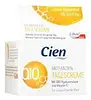
This anti-aging day moisturizer is formulated around Ubiquinone and Sodium Hyaluronate to soften the look of wrinkles and hydrate skin.
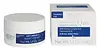
This anti-aging night moisturizer is formulated around Panthenol and Ubiquinone to soften the look of wrinkles and hydrate skin.


What's inside
What's inside
 Key Ingredients
Benefits
Concerns
Ingredients Side-by-side
Water
Skin ConditioningDibutyl Adipate
EmollientGlycerin
Humectant


Ethylhexyl Salicylate
UV Absorber

Titanium Dioxide
Cosmetic Colorant
Cetearyl Alcohol
Emollient






Diethylamino Hydroxybenzoyl Hexyl Benzoate
UV Filter
Glyceryl Stearate Citrate
Emollient
Propylheptyl Caprylate
EmollientEthylhexyl Triazone
UV Absorber
Myristyl Myristate
Emollient
Phenoxyethanol
Preservative
Dimethicone
Emollient
Octyldodecanol
Emollient
Panthenol
Skin Conditioning

Butyrospermum Parkii Butter
Skin Conditioning
Parfum
Masking


Tocopheryl Acetate
Antioxidant


Disodium EDTA
ChelatingSilica
Abrasive


Carbomer
Emulsion StabilisingAllantoin
Skin Conditioning
Butylene Glycol
Humectant
Xanthan Gum
EmulsifyingAlcohol
Antimicrobial

Benzoic Acid
Masking
Sodium Hydroxide
BufferingCaffeine
Skin Conditioning
Dehydroacetic Acid
Preservative
Ubiquinone
Antioxidant
Sodium Hyaluronate
Humectant
Sodium Anisate
AntimicrobialSodium Levulinate
Skin ConditioningLinalool
Perfuming
Panicum Miliaceum Extract
Skin ConditioningLimonene
Perfuming
Chlorella Vulgaris/Lupinus Albus Protein Ferment
Skin ConditioningBenzyl Alcohol
Perfuming
Alcohol Denat.
Antimicrobial
Benzyl Benzoate
Antimicrobial
Geraniol
Perfuming
Citronellol
Perfuming
Eugenol
Perfuming
Tannic Acid
AstringentColeus Forskohlii Root Extract
EmollientPotassium Sorbate
Preservative
Tocopherol
Antioxidant
Water, Dibutyl Adipate, Glycerin, Ethylhexyl Salicylate, Titanium Dioxide, Cetearyl Alcohol, Diethylamino Hydroxybenzoyl Hexyl Benzoate, Glyceryl Stearate Citrate, Propylheptyl Caprylate, Ethylhexyl Triazone, Myristyl Myristate, Phenoxyethanol, Dimethicone, Octyldodecanol, Panthenol, Butyrospermum Parkii Butter, Parfum, Tocopheryl Acetate, Disodium EDTA, Silica, Carbomer, Allantoin, Butylene Glycol, Xanthan Gum, Alcohol, Benzoic Acid, Sodium Hydroxide, Caffeine, Dehydroacetic Acid, Ubiquinone, Sodium Hyaluronate, Sodium Anisate, Sodium Levulinate, Linalool, Panicum Miliaceum Extract, Limonene, Chlorella Vulgaris/Lupinus Albus Protein Ferment, Benzyl Alcohol, Alcohol Denat., Benzyl Benzoate, Geraniol, Citronellol, Eugenol, Tannic Acid, Coleus Forskohlii Root Extract, Potassium Sorbate, Tocopherol
Water
Skin ConditioningCaprylic/Capric Triglyceride
Masking
Glycerin
Humectant
Dicaprylyl Carbonate
EmollientCetearyl Alcohol
Emollient
Cetearyl Glucoside
Emulsifying
Ethylhexyl Stearate
Emollient
Panthenol
Skin Conditioning
Glyceryl Stearate
Emollient
Glyceryl Stearate Citrate
Emollient
Tocopheryl Acetate
Antioxidant
Lecithin
Emollient
Ubiquinone
Antioxidant
Propylene Glycol
Humectant
Helianthus Annuus Seed Oil
Emollient
Glycine Soja Seed Extract
Skin Conditioning
Triticum Vulgare Germ Extract
Skin ConditioningRetinyl Palmitate
Skin Conditioning
Retinol
Skin Conditioning

Persea Gratissima Oil
Skin Conditioning
Carthamus Tinctorius Seed Oil
Masking
Glycine Soja Oil
Emollient
Glycine Soja Sterols
Emollient
C12-15 Alkyl Benzoate
AntimicrobialDimethicone
Emollient
Linoleic Acid
Cleansing
Linolenic Acid
Cleansing
Tocopherol
Antioxidant
Sodium Cetearyl Sulfate
Cleansing
Sodium Hyaluronate
Humectant
Hexyl Laurate
Emollient
Ascorbic Acid
Antioxidant
Parfum
Masking
Ascorbyl Palmitate
Antioxidant
Glyceryl Oleate
Emollient
Dimethylmethoxy Chromanol
Antioxidant
Citric Acid
Buffering
Sodium Hydroxide
BufferingHydrogenated Palm Glycerides Citrate
Emollient
Propanediol
Solvent
Alcohol
Antimicrobial
Sorbitol
Humectant
Phenoxyethanol
Preservative
Alcohol Denat.
Antimicrobial
Benzoic Acid
Masking
Dehydroacetic Acid
Preservative
Sodium Benzoate
Masking
Potassium Sorbate
Preservative
Sorbic Acid
Preservative
Benzyl Alcohol
Perfuming
BHT
Antioxidant
Water, Caprylic/Capric Triglyceride, Glycerin, Dicaprylyl Carbonate, Cetearyl Alcohol, Cetearyl Glucoside, Ethylhexyl Stearate, Panthenol, Glyceryl Stearate, Glyceryl Stearate Citrate, Tocopheryl Acetate, Lecithin, Ubiquinone, Propylene Glycol, Helianthus Annuus Seed Oil, Glycine Soja Seed Extract, Triticum Vulgare Germ Extract, Retinyl Palmitate, Retinol, Persea Gratissima Oil, Carthamus Tinctorius Seed Oil, Glycine Soja Oil, Glycine Soja Sterols, C12-15 Alkyl Benzoate, Dimethicone, Linoleic Acid, Linolenic Acid, Tocopherol, Sodium Cetearyl Sulfate, Sodium Hyaluronate, Hexyl Laurate, Ascorbic Acid, Parfum, Ascorbyl Palmitate, Glyceryl Oleate, Dimethylmethoxy Chromanol, Citric Acid, Sodium Hydroxide, Hydrogenated Palm Glycerides Citrate, Propanediol, Alcohol, Sorbitol, Phenoxyethanol, Alcohol Denat., Benzoic Acid, Dehydroacetic Acid, Sodium Benzoate, Potassium Sorbate, Sorbic Acid, Benzyl Alcohol, BHT
Ingredients Explained
These ingredients are found in both products.
Ingredients higher up in an ingredient list are typically present in a larger amount.
This ingredient is also called ethanol or ethyl alcohol. It is denatured, meaning made undrinkable for cosmetic use.
In formulas, it:
Is it bad for your skin?
The answer comes down to concentration. Patch and wash studies have found highly concentrated alcohol-based hand rubs (60-100%) cause less barrier disruption than washing with a basic detergent like SLS. The only measurable effect in these studies was a temporary dip in skin hydration.
Concentrations below 12-15% in leave-on cosmetics is generally well-tolerated. Concentrations above start to see increased transepidermal water loss (TEWL) and reduced hydration.
In concentrations about 58%, it creates temporary channels in your skin's lipid layers to become more permeable and allow other ingredients to slip through easily.
This ingredient can be up to 80% of the formula in alcohol-based perfumes.
Overall, this ingredient is probably harmless if found lower down an ingredients list but worth side-eyeing if it's high up (especially if your barrier is already struggling).
Alcohol can worsen dry skin, eczema, and oily skin, especially at higher concentrations. This is because it can increase transepidermal water loss and decrease hydration to disrupt the skin barrier.
According to the National Rosacea Society based in the US, you should be mindful of products with these alcohols in the top half of ingredients.
True allergic contact dermatitis to ethanol is uncommon, but be sure to patch test if you have dry or sensitive skin.
Learn more about AlcoholAlcohol Denat. is an alcohol with a denaturant property. It is created by mixing ethanol with other additives.
The "denat" part just means "denatured"; common denaturants include Denatonium Benzoate, t-butyl alcohol, and Diethyl Phthalate. This step makes the alcohol undrinkable (and lets brand skip taxes related to beverage alcohol).
This ingredient gets a bad rep because it is irritating and drying due to its astringent property. Astringents draw out natural oils in tissue to constrict pores and dry out your skin.
However, alcohol denat. is not all that bad.
Due to its low molecular weight, alcohol denat. tends to evaporate quickly. One study on pig skin found half of applied alcohol evaporated in 10 seconds and less than 3% stayed on skin.
This also helps other ingredients become better absorbed upon application.
Studies are conflicted about whether this ingredient causes skin dehydration. One study from 2005 found adding emollients to propanol-based sanitizer decreased skin dryness and irritation. Another study found irritation only occurs if your skin is already damaged.
Small amounts of alcohol are generally tolerated by oily skin or people who live in humid environments.
The rule of thumb is this ingredient will probably not affect your skin much if it is near the end of an ingredients list.
One thing to note:
People with ALDH2 (aldehyde dehydrogenase 2) deficiency may experience skin irritation from continued alcohol use. About 8% of the world's population have this deficiency.
The Cosmetic Ingredient Review Expert Panel has determined denatured alcohols to be safe for use in concentrations between 0.05% and 12% (depending on which denaturant is used).
Also...
This ingredient has antimicrobial and solvent properties.
The antimicrobial property helps preserve products and increase their shelf life. As a solvent, it helps dissolve other ingredients.
Look for formulas that contain glycerin, hyaluronic acid, or panthenol if you want to offset any drying effect.
This ingredient will trip away your skin's natural oils/lipids that help it lock in moisture. This can worsen dryness, trigger eczema flare-ups, and aggravate rosacea.
Be sure to patch test any product with this ingredient if you have dry or sensitive skin, eczema, or rosacea.
Learn more about Alcohol Denat.Benzoic Acid is an organic acid that shows up in cosmetics as a preservative. It helps keep a product from spoiling by holding back the growth of yeast, mold, and some bacteria.
This ingredient also functions as a fragrance ingredient that helps mask the unpleasant scent of other ingredients.
The way it works is worth understanding; benzoic acid works when the formula is acidic. It is able to sneak into a microbe's cell and mess up how it functions to stop it from growing in an acidic product.
However, the acid switches to an inactive form and stops working if a product isn't acidic enough (above ~5 pH). This is why you'll often see it in low pH products or teamed up with other preservatives to cover the gap.
Safety wise, it's one of the better studied preservatives out there.
The Cosmetic Ingredient Review Expert Panel has concluded this ingredient to be safe for use in cosmetic formulations at concentrations up to 5%.
A large international review found this ingredient had no effects on the human body and had low irritation potential.
Just so you know, real world use is usually much lower than the 5% ceiling (usually 1% of less).
The EU caps it at 2.5% in rinse-off products, 1.7% in oral care, and 0.5% in leave-on products.
One thing worth mentioning (it's nothing to worry about): some people get a little stinging or flushing where they apply it. This isn't a true allergy; it's a temporary and harmless reaction. This is the same kind of mild tingle you might notice from sorbic acid.
Learn more about Benzoic AcidBenzyl Alcohol is an aromatic alcohol with several roles: it's a preservative, solvent, and mild fragrance component with a floral scent.
This ingredient has been deemed safe for use in cosmetic formulations at concentrations up to 5%, and up to 10% in hair dyes. You'll typically see 0.5-2% in most rinse-off or leave-on products.
As a preservative, it works by disrupting the membrane of microbial proteins. This helps keep bacteria and fungi from growing in your products.
The sensitization picture is actually quite assuring as well:of nearly 71,000 patients patch tested with benzyl alcohol, only 0.21% showed a positive reaction with most of them being weakly positive.
This led researchers to conclude that benzyl alcohol cannot be regarded as a significant contact allergen.
It is worth noting this ingredient is classified as one of the EU's regulated fragrance allergens and restricted to 1% in finished products.
Labels must also declare it in concentrations above 0.001% in leave-on products and 0.01% in rinse-off products.
At concentrations around 5%, localized redness and itching can appear as a direct irritant response and not as a true allergic reaction.
Learn more about Benzyl AlcoholCetearyl alcohol is a waxy mixture of two fatty alcohols: cetyl alcohol and stearyl alcohol. It is an emollient and emulsifier.
Despite having "alcohol" in its name, it has nothing to do with drying solvent alcohols; the FDA also allows "alcohol-free" products to contain fatty alcohols like this ingredient.
It plays several roles in a formula:
Typical use levels for this ingredient sit around 1-10% and the Cosmetic Ingredient Review Expert Panel has affirmed safety at concentrations up to 25% in leave-on products.
Multiple assessments have found it to be non-irritating and non-sensitizing to most people.
However, there have been some cases of allergic contact dermatitis in patients with chronically compromised skin barriers.
Cetearyl alcohol has a comedogenic rating of 2 and irritancy rating of 1. Both of these numbers come from the 1989 study that used rabbit ears; a "2" means mildly comedogenic and a "1" means low irritancy.
Here's the catch: rabbit skin is more sensitive than human skin and throws a lot of false positives. A 1996 reappraisal found that ingredients rated 1-2 in the rabbit ear tests are generally safe for humans.
Remember comedogenic ratings are unable to assess the entire formula of a product or how it will react on your skin. Just be sure to patch test if you are unsure about certain ingredients.
This ingredient is not fungal acne safe. Cetearyl alcohol is a fatty alcohol with chain lengths that fall within the range that Malassezia can metabolize.
A 2019 study has also observed Malassezia growth in the presence of this ingredient, confirming it to be not-fungal acne safe.
Learn more about Cetearyl AlcoholDehydroacetic Acid is a synthetic preservative that keeps your products safe from microbes.
As an organic acid, it penetrates microbial cell walls and disrupts cellular metabolism. This makes it effective against bacteria, yeast, and mold.
It is effective at low concentrations (<0.6%). Clinical studies have found it to be non-irritating, non-sensitizing, and non-photosensitizing.
Learn more about Dehydroacetic AcidDimethicone is a type of synthetic silicone created from natural materials such as quartz. It is also known as polydimethylsiloxane.
What it does:
Dimethicone comes in different viscosities:
Depending on the viscosity, dimethicone has different properties.
Ingredients lists don't always show which type is used, so we recommend reaching out to the brand if you have questions about the viscosity.
This ingredient is unlikely to cause irritation because it does not get absorbed into skin. However, people with silicone allergies should be careful about using this ingredient.
Note: Dimethicone may contribute to pilling. This is because it is not oil or water soluble, so pilling may occur when layered with products. When mixed with heavy oils in a formula, the outcome is also quite greasy.
Learn more about DimethiconeGlycerin (or glycerol) is a compound naturally found in your skin. It's a powerhouse humectant that pulls water into the stratum corneum.
Topically, glycerin does several things at once:
Your skin makes glycerin on its own (mostly from sebaceous oil breakdown) and shuttles it to your outermost layer of skin, or your epidermis, via aquaporin-3.
Aquaporin-3 is a transporter that is essential for normal skin hydration, elasticity, and repair. Interestingly, mice lacking in AQP3 have dry and less elastic skin that can be fully corrected with glycerin.
This ingredient is non-irritating, plays well with almost every ingredient, and works across all skin types. Typical use is anywhere between 3-10% but can go up to 79% in some leave-on products.
Just know very high concentrations (>40%) can feel tacky in low humidity.
Glycerin is the name for this ingredient in American English. British English uses Glycerol/Glycerine.
Learn more about GlycerinGlyceryl Stearate Citrate is a citric acid ester of glyceryl stearate.
It is an emulsifier, emollient, and a surfactant.
Emulsifiers help stabilize a product. It does this by preventing certain ingredients from separating. Common ingredients include oils and water, which do not mix naturally. Emulsifiers have properties that help keep ingredients such as these together.
Emollients help soothe and soften the skin. They do this by creating a protective film on your skin. This barrier helps trap moisture and keeps your skin hydrated. Emollients may be effective at treating dry or itchy skin.
Surfactants help gather oils, dirt, and other pollutants from the skin. This helps them to be easily rinsed away.
Learn more about Glyceryl Stearate CitratePanthenol is a common ingredient that helps hydrate and soothe the skin. It is found naturally in our skin and hair.
There are two forms of panthenol: D and L.
D-panthenol is also known as dexpanthenol. Most cosmetics use dexpanthenol or a mixture of D and L-panthenol.
Panthenol is famous due to its ability to go deeper into the skin's layers. Using this ingredient has numerous pros (and no cons):
Like hyaluronic acid, panthenol is a humectant. Humectants are able to bind and hold large amounts of water to keep skin hydrated.
This ingredient works well for wound healing. It works by increasing tissue in the wound and helps close open wounds.
Once oxidized, panthenol converts to pantothenic acid. Panthothenic acid is found in all living cells.
This ingredient is also referred to as pro-vitamin B5.
Learn more about PanthenolParfum is a catch-all term for an ingredient or more that is used to give a scent to products.
Also called "fragrance", this ingredient can be a blend of hundreds of chemicals or plant oils. This means every product with "fragrance" or "parfum" in the ingredients list is a different mixture.
For instance, Habanolide is a proprietary trade name for a specific aroma chemical. When used as a fragrance ingredient in cosmetics, most aroma chemicals fall under the broad labeling category of “FRAGRANCE” or “PARFUM” according to EU and US regulations.
The term 'parfum' or 'fragrance' is not regulated in many countries. In many cases, it is up to the brand to define this term.
For instance, many brands choose to label themselves as "fragrance-free" because they are not using synthetic fragrances. However, their products may still contain ingredients such as essential oils that are considered a fragrance by INCI standards.
One example is Calendula flower extract. Calendula is an essential oil that still imparts a scent or 'fragrance'.
Depending on the blend, the ingredients in the mixture can cause allergies and sensitivities on the skin. Some ingredients that are known EU allergens include linalool and citronellol.
Parfum can also be used to mask or cover an unpleasant scent.
The bottom line is: not all fragrances/parfum/ingredients are created equally. If you are worried about fragrances, we recommend taking a closer look at an ingredient. And of course, we always recommend speaking with a professional.
Learn more about ParfumPhenoxyethanol is one of the most widely used preservatives in skincare (and for good reason!).
It has a large spectrum of antimicrobial activity and especially effective bacteria, yeast, and mold while only having a weak effect on your skin's natural microbiome.
On a cellular level, it disrupts the cell membranes of microbes by poking holes that make the cell leak. This shuts down the chemical reactions the microbe needs to make energy so it can no longer survive.
Another perk of this ingredient is that it stays functional across a wide pH range (3-10).
You'll often see it paired with boosters like Ethylhexylglycerin; one study showed that a 1:9 ratio of Ethylhexylglycerin to Phenoxyethanol damages bacterial membranes as effectively as doubling the Phenoxyethanol concentration on its own.
Typical use concentrations range from 0.3-1% depending on the formula, and this ingredient is capped at 1% int the EU.
Safety-wise, the fear mongering does not hold up to the evidence. The EU's Scientific Committee on Consumer Safety and FDA consider it safe as a preservative at up to 1%, including for children of all ages.
Adverse systemic effects only showed up in animal studies at exposures roughly 200x higher than what people get from cosmetics. And despite its very widespread use, this ingredient is a rare sensitizer and allergic reactions are uncommon.
Learn more about PhenoxyethanolPotassium Sorbate is a preservative used to prevent yeast and mold in products. It is commonly found in both cosmetic and food products.
This ingredient comes from potassium salt derived from sorbic acid. Sorbic acid is a natural antibiotic and effective against fungus.
Both potassium sorbate and sorbic acid can be found in baked goods, cheeses, dried meats, dried fruit, ice cream, pickles, wine, yogurt, and more.
You'll often find this ingredient used with other preservatives.
Learn more about Potassium SorbateSodium Hyaluronate is the salt form of hyaluronic acid. It is a long sugar chain that is naturally found in your skin, joints, and connective tissue that maintains hydration and elasticity.
In skincare, it works as a humectant. It pulls water from the environment and deeper layers of skin and binds it to the surface.
Interestingly, the size of the molecule affects its behavior:
Some clinical evidence links low molecular weight versions to improved wrinkle depth, elasticity, anti-inflammatory effects, and barrier repair.
Many serums use a blend of both weights so you can get surface hydration plus longer-lasting and deeper effects.
You'll typically see concentrations between 0.1-2% for this ingredient.
Learn more about Sodium HyaluronateSodium Hydroxide is also known as lye or caustic soda. It is used to adjust the pH of products; many ingredients require a specific pH to be effective.
In small amounts, sodium hydroxide is considered safe to use. However, large amounts may cause chemical burns due to its high alkaline.
Your skin has a natural pH and acid mantle. This acid mantle helps prevent harmful bacteria from breaking through. The acid mantle also helps keep your skin hydrated.
"Alkaline" refers to a high pH level. A low pH level would be considered acidic.
Learn more about Sodium HydroxideTocopherol is a fat-soluble antioxidant known as Vitamin E.
You'll find this ingredient in the vast majority of skincare (for good reason). It works to neutralize free radicals, or unstable molecules generated by UV exposure, pollution, and other environmental stressors, before they can cause oxidative damage to your skin cells.
Topically applied tocopherol has been shown to protect against UV damage by ramping up the skin's own natural defense enzymes.
It also acts as a skin conditioning agent; some studies show that regular topical use can improve the skin's water-binding capacity over 2-4 weeks.
This ingredient is especially loved for being a team player. When combined with Vitamin C, the photoprotective effect of both ingredients roughly doubles and the combo also helps reduce UV-induced DNA damage.
This ingredient has some brightening potential but it's more of a prevention ingredient than spot-fader. Cell studies show it can slow down melanin production but it's worth noting that it's not the most powerful brightener out there.
In formulations, it also serves as a stabilizer that helps protect other oxidation-prone ingredients from degrading.
Concentrations usually range from 0.1-1% in most leave-on products.
Learn more about TocopherolTocopheryl Acetate is a stable, shelf-friendly form of vitamin E.
Formulators love it because plain vitamin E oxidizes quickly once it hits air. This acetate version stays stable and resists going off, helping to extend a product's shelf life.
It's actually inactive on its own and works like a slow-release "storage" form; the enzymes in your skin called esterases gradually convert it into active vitamin E over time.
One in vivo study showed 5% of the acetate in the living layer of the epidermis converted to vitamin E after 5 days of application. This study also found the skin gained protection against UV damage even though the conversion was slow and small.
Once converted, vitamin E acts as a skin's main fat-soluble antioxidant that fights free radicals to protect skin from damage.
Topical vitamin E generally boosts the skin's photoprotection, and it reduced UV-damage in animal models.
This ingredient has some brightening potential but it's more of a prevention ingredient than spot-fader. Cell studies show it can slow down melanin production but it's worth noting that it's not the most powerful brightener out there.
Overall, it has a pretty solid safety profile and has been found to be non-irritating and non-comedogenic. Allergic reactions may happen but stay rare due to how widely the ingredient gets used.
The concentration will vary depending on the formula; industry data shows 0.1% in baby lotions, 3% in lipsticks, and 5% in foot powders. You can also find this ingredient at 100% in a pure vitamin E oil.
Most leave-on skincare keeps it at the lower end, often between 0.5-1%.
Learn more about Tocopheryl AcetateUbiquinone (Coenzyme Q10) is a molecule already found in our bodies. It is a potent antioxidant and skin-soothing ingredient.
Aging and environmental exposure diminishes our skin's natural ubiquinone levels. This is much like our natural collagen and elastin.
The good news is: studies show applying this ingredient topically replenishes ubiquinone levels in our skin. This also comes with a ton of skin benefits. These benefits include:
Ubiquinone is considered a large molecule and cannot be absorbed into the lower layers of skin. This is why it is believed to be such an effective antioxidant: it protects our skin in the upper layers and prevents damage in the deeper layers.
When used in sunscreen, ubiquinone is shown to increase ingredient stability, increase SPF factor, and add to infrared protection.
Fun fact: ubiquinone is fat-soluble.
Learn more about UbiquinoneWater. It's the most common cosmetic ingredient of all. You'll usually see it at the top of ingredient lists, meaning that it makes up the largest part of the product.
So why is it so popular? Water most often acts as a solvent - this means that it helps dissolve other ingredients into the formulation.
You'll also recognize water as that liquid we all need to stay alive. If you see this, drink a glass of water. Remember to stay hydrated!
Learn more about Water

