

What's inside
What's inside
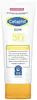 Key Ingredients
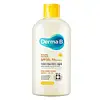
Benefits
Concerns
Ingredients Side-by-side
Titanium Dioxide 9%
Cosmetic Colorant

Zinc Oxide 7%
Cosmetic Colorant
Water
Skin ConditioningIsohexadecane
EmollientButyloctyl Salicylate
Skin Conditioning
Cetyl Dimethicone
Emollient
Styrene/Acrylates Copolymer
Olive Oil Polyglyceryl-6 Esters
Emollient

Sorbitan Olivate
Emulsifying
Sodium Stearoyl Lactylate
EmulsifyingVp/Eicosene Copolymer
Cetearyl Alcohol
Emollient


Cetearyl Olivate
Cetyl Palmitate
Emollient
Sorbitan Palmitate
Emulsifying
Dimethicone PEG-8 Laurate
Skin Conditioning
Ceramide NP
Skin Conditioning




Ceramide AP
Skin Conditioning
Ceramide EOP
Skin Conditioning
Cholesterol
Emollient
Phytosphingosine
Skin Conditioning
Hydrolyzed Hyaluronic Acid
Humectant


Benzyl Alcohol
Perfuming







Bisabolol
Masking

Dipotassium Glycyrrhizate
Humectant
Propanediol
Solvent
Xanthan Gum
EmulsifyingAluminum Hydroxide
EmollientSodium Lauroyl Lactylate
EmulsifyingCarbomer
Emulsion StabilisingTocopheryl Acetate
Antioxidant

Disodium EDTA
Stearic Acid
Cleansing
Triethoxycaprylylsilane
Citric Acid
Buffering



Maltodextrin
Absorbent
Phenoxyethanol
Preservative
Capryloyl Glycine
CleansingUndecylenoyl Glycine
CleansingTitanium Dioxide 9%, Zinc Oxide 7%, Water, Isohexadecane, Butyloctyl Salicylate, Cetyl Dimethicone, Styrene/Acrylates Copolymer, Olive Oil Polyglyceryl-6 Esters, Sorbitan Olivate, Sodium Stearoyl Lactylate, Vp/Eicosene Copolymer, Cetearyl Alcohol, Cetearyl Olivate, Cetyl Palmitate, Sorbitan Palmitate, Dimethicone PEG-8 Laurate, Ceramide NP, Ceramide AP, Ceramide EOP, Cholesterol, Phytosphingosine, Hydrolyzed Hyaluronic Acid, Benzyl Alcohol, Bisabolol, Dipotassium Glycyrrhizate, Propanediol, Xanthan Gum, Aluminum Hydroxide, Sodium Lauroyl Lactylate, Carbomer, Tocopheryl Acetate, Disodium EDTA, Stearic Acid, Triethoxycaprylylsilane, Citric Acid, Maltodextrin, Phenoxyethanol, Capryloyl Glycine, Undecylenoyl Glycine
Water
Skin ConditioningHomosalate
Skin Conditioning
Ethylhexyl Salicylate
UV Absorber
Butyl Methoxydibenzoylmethane
UV Absorber
Phenylbenzimidazole Sulfonic Acid
UV Absorber
C12-15 Alkyl Benzoate
AntimicrobialDipropylene Glycol
HumectantCetearyl Alcohol
Emollient
Glyceryl Stearate
Emollient
Octocrylene
UV Absorber
Cetearyl Olivate
Myristoyl/Palmitoyl Oxostearamide/Arachamide Mea
Skin ConditioningOpuntia Coccinellifera Fruit Extract
Skin ConditioningCucumis Sativus Fruit Extract
Emollient
Aloe Barbadensis Leaf Juice
Skin Conditioning
Nymphaea Alba Flower Extract
Skin ConditioningMadecassoside
Antioxidant
Anthemis Nobilis Flower Extract
Masking
Polysorbate 60
Emulsifying
Sorbitan Olivate
Emulsifying
Polyacrylate-13
Dimethicone
Emollient
Sodium Hydroxide
BufferingPEG-100 Stearate
Sorbitan Stearate
Emulsifying
Polyisobutene
Tocopheryl Acetate
Antioxidant
Polysorbate 20
Emulsifying
Sorbitan Isostearate
Emulsifying
Propylene Glycol
Humectant
Butylene Glycol
Humectant
Disodium EDTA
Caprylyl Glycol
Emollient
Ethylhexylglycerin
Skin Conditioning1,2-Hexanediol
Skin Conditioning
Parfum
Masking
Water, Homosalate, Ethylhexyl Salicylate, Butyl Methoxydibenzoylmethane, Phenylbenzimidazole Sulfonic Acid, C12-15 Alkyl Benzoate, Dipropylene Glycol, Cetearyl Alcohol, Glyceryl Stearate, Octocrylene, Cetearyl Olivate, Myristoyl/Palmitoyl Oxostearamide/Arachamide Mea, Opuntia Coccinellifera Fruit Extract, Cucumis Sativus Fruit Extract, Aloe Barbadensis Leaf Juice, Nymphaea Alba Flower Extract, Madecassoside, Anthemis Nobilis Flower Extract, Polysorbate 60, Sorbitan Olivate, Polyacrylate-13, Dimethicone, Sodium Hydroxide, PEG-100 Stearate, Sorbitan Stearate, Polyisobutene, Tocopheryl Acetate, Polysorbate 20, Sorbitan Isostearate, Propylene Glycol, Butylene Glycol, Disodium EDTA, Caprylyl Glycol, Ethylhexylglycerin, 1,2-Hexanediol, Parfum
Reviews
Ingredients Explained
These ingredients are found in both products.
Ingredients higher up in an ingredient list are typically present in a larger amount.
Cetearyl alcohol is a mixture of two fatty alcohols: cetyl alcohol and stearyl alcohol. It is mainly used as an emulsifier. Emulsifiers help prevent the separation of oils and products. Due to its composition, it can also be used to thicken a product or help create foam.
Cetearyl alcohol is an emollient. Emollients help soothe and hydrate the skin by trapping moisture.
Studies show Cetearyl alcohol is non-toxic and non-irritating. The FDA allows products labeled "alcohol-free" to have fatty alcohols.
This ingredient is usually derived from plant oils such as palm, vegetable, or coconut oils. There is debate on whether this ingredient will cause acne.
Due to the fatty acid base, this ingredient may not be Malassezia folliculitis safe.
Learn more about Cetearyl AlcoholCetearyl Olivate is an emulsifier and texture enhancer. It is derived from the fatty acids of olive oil and Cetearyl alcohol, and is biodegradable.
As an emulsifier, it is used to prevent oils and waters from separating. It can also
Manufacturers use the name Olivem 1000. This ingredient has been found to preserve the natural microbiome of skin. Having a healthy microbiome helps keep our skin healthy and protects against harmful bacteria. This ingredient is grouped with Sorbitan Olivate under the name Olivem 1000.
Learn more about Cetearyl OlivateDisodium EDTA plays a role in making products more stable by aiding other preservatives.
It is a chelating agent, meaning it neutralizes metal ions that may be found in a product.
Disodium EDTA is a salt of edetic acid and is found to be safe in cosmetic ingredients.
Learn more about Disodium EDTASorbitan Olivate is created from the fatty acids in olive oil and sorbitol.
This ingredient is an oil in water emulsifier. It helps stabilize a product by preventing oils and waters from separating. Sorbitan Olivate also helps hydrate the skin.
Manufacturers sell sorbitan olivate under the name OliveM 1000. OliveM 1000 a multifunctional ingredient. It is self-emulsifying. According to a manufacturer, OliveM 1000 does not disrupt natural skin biome.
Due to its olive oil base, this ingredient may not be fungal-acne safe.
Learn more about Sorbitan OlivateTocopheryl Acetate is AKA Vitamin E. It is an antioxidant and protects your skin from free radicals. Free radicals damage the skin by breaking down collagen.
One study found using Tocopheryl Acetate with Vitamin C decreased the number of sunburned cells.
Tocopheryl Acetate is commonly found in both skincare and dietary supplements.
Learn more about Tocopheryl AcetateWater. It's the most common cosmetic ingredient of all. You'll usually see it at the top of ingredient lists, meaning that it makes up the largest part of the product.
So why is it so popular? Water most often acts as a solvent - this means that it helps dissolve other ingredients into the formulation.
You'll also recognize water as that liquid we all need to stay alive. If you see this, drink a glass of water. Stay hydrated!
Learn more about Water
