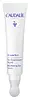
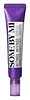
Caudalie Vinoperfect Dark Circle Brightening Eye Cream with Niacinamide Versus Some By Mi Retinol Intense Advanced Triple Action Eye Cream
This brightening eye moisturizer is formulated around Caffeine and Niacinamide to fade the look of dark spots and brighten dull-looking skin.
This anti-aging eye moisturizer is formulated around Niacinamide and Retinol to soften the look of wrinkles and fade the look of dark spots.


What's inside
What's inside
 Key Ingredients
Benefits
Concerns
Ingredients Side-by-side
Water
Skin ConditioningButylene Glycol
Humectant

Caprylic/Capric Triglyceride
Masking
Coco-Caprylate/Caprate
Emollient
Caffeine
Skin Conditioning

Cetearyl Alcohol
Emollient





Cetearyl Glucoside
Emulsifying
Niacinamide
Smoothing








Triheptanoin
Skin ConditioningHydrogenated Vegetable Oil
Emollient
Squalane
Emollient
Palmitoyl Grapevine Shoot Extract
Antioxidant
Oleic Acid
Emollient
Glyceryl Caprylate
EmollientCetyl Alcohol
Emollient
Potassium Cetyl Phosphate
EmulsifyingCarbomer
Emulsion StabilisingTerminalia Arjuna Extract
Skin ConditioningXanthan Gum
EmulsifyingHelianthus Annuus Seed Oil
Emollient
Sodium Dehydroacetate
Preservative
Tocopherol
Antioxidant
Sodium Hydroxide
BufferingLecithin
Emollient
Sodium Phytate
Water, Butylene Glycol, Caprylic/Capric Triglyceride, Coco-Caprylate/Caprate, Caffeine, Cetearyl Alcohol, Cetearyl Glucoside, Niacinamide, Triheptanoin, Hydrogenated Vegetable Oil, Squalane, Palmitoyl Grapevine Shoot Extract, Oleic Acid, Glyceryl Caprylate, Cetyl Alcohol, Potassium Cetyl Phosphate, Carbomer, Terminalia Arjuna Extract, Xanthan Gum, Helianthus Annuus Seed Oil, Sodium Dehydroacetate, Tocopherol, Sodium Hydroxide, Lecithin, Sodium Phytate
Water
Skin ConditioningGlycerin
Humectant
Caprylic/Capric Triglyceride
Masking
Dimethicone
Emollient
Polysorbate 60
Emulsifying
Niacinamide
Smoothing
Methylpropanediol
SolventCetyl Alcohol
Emollient
Polymethylsilsesquioxane
Centella Asiatica Extract
Cleansing
Dioscorea Japonica Root Extract
Skin Conditioning
Piper Methysticum Leaf/Root/Stem Extract
Skin ConditioningMelaleuca Alternifolia Leaf Extract
Perfuming
Panax Ginseng Berry Extract
Skin Conditioning
Artemisia Capillaris Extract
Ganoderma Lucidum Stem Extract
Skin ConditioningChlorella Vulgaris Extract
Skin ConditioningGlycine Soja Seed Extract
Skin Conditioning
Nymphaea Alba Flower Extract
Skin ConditioningElaeis Guineensis Oil
Emollient
Hydrogenated Lecithin
Emulsifying
Sodium Hyaluronate
Humectant
1,2-Hexanediol
Skin Conditioning
Dimethicone/Vinyl Dimethicone Crosspolymer
Skin Conditioning
Panthenol
Skin Conditioning
BHT
Antioxidant
Cyclopentasiloxane
Emollient
Steareth-21
CleansingPEG-10 Dimethicone/Vinyl Dimethicone Crosspolymer
Stabilising
Polyacrylamide
Steareth-2
EmulsifyingIsohexadecane
EmollientCarbomer
Emulsion StabilisingHydroxyacetophenone
Antioxidant
C13-14 Isoparaffin
Emollient
Tromethamine
BufferingPalmitic Acid
Emollient
Polyquaternium-51
Skin Conditioning
Stearic Acid
Cleansing
Polysorbate 20
Emulsifying
Retinol 0.1%
Skin Conditioning

Ethylhexylglycerin
Skin ConditioningGlyceryl Caprylate
EmollientTocopheryl Acetate
Antioxidant
Polyglyceryl-10 Myristate
Skin Conditioning
PEG-30 Dipolyhydroxystearate
Emulsifying
Hydroxyethylcellulose
Emulsion StabilisingGlycosyl Trehalose
Emulsion StabilisingBeta-Glucan
Skin Conditioning
Glyceryl Polymethacrylate
Laureth-7
EmulsifyingButylene Glycol
Humectant
Disodium EDTA
Hydrogenated Starch Hydrolysate
HumectantAdenosine
Skin Conditioning
Raffinose
Skin ConditioningDipotassium Glycyrrhizate
Humectant
Lecithin
Emollient
Tocopherol
Antioxidant
Pentylene Glycol
Skin Conditioning
BHA
Antioxidant
Myristic Acid
Cleansing
Tranexamic Acid
Astringent
Propanediol
Solvent
Dipropylene Glycol
HumectantDisodium Phosphate
BufferingCaprylyl Glycol
Emollient
Collagen
Moisturising
Madecassic Acid
Skin Conditioning
Biosaccharide Gum-1
Humectant
Asiaticoside
Antioxidant
Sodium Palmitoyl Proline
Skin ConditioningLeuconostoc/Radish Root Ferment Filtrate
Antimicrobial
Asiatic Acid
Skin Conditioning
Glutathione
Retinal
Skin Conditioning
Madecassoside
Antioxidant
Sodium Phosphate
BufferingFerulic Acid
Antimicrobial
Acetyl Hexapeptide-8
Humectant
Ammonium Acryloyldimethyltaurate/Vp Copolymer
Tetrahydropiperine
Skin ConditioningPhloretin
Antioxidant
Arginine
Masking
Parfum
Masking
Water, Glycerin, Caprylic/Capric Triglyceride, Dimethicone, Polysorbate 60, Niacinamide, Methylpropanediol, Cetyl Alcohol, Polymethylsilsesquioxane, Centella Asiatica Extract, Dioscorea Japonica Root Extract, Piper Methysticum Leaf/Root/Stem Extract, Melaleuca Alternifolia Leaf Extract, Panax Ginseng Berry Extract, Artemisia Capillaris Extract, Ganoderma Lucidum Stem Extract, Chlorella Vulgaris Extract, Glycine Soja Seed Extract, Nymphaea Alba Flower Extract, Elaeis Guineensis Oil, Hydrogenated Lecithin, Sodium Hyaluronate, 1,2-Hexanediol, Dimethicone/Vinyl Dimethicone Crosspolymer, Panthenol, BHT, Cyclopentasiloxane, Steareth-21, PEG-10 Dimethicone/Vinyl Dimethicone Crosspolymer, Polyacrylamide, Steareth-2, Isohexadecane, Carbomer, Hydroxyacetophenone, C13-14 Isoparaffin, Tromethamine, Palmitic Acid, Polyquaternium-51, Stearic Acid, Polysorbate 20, Retinol 0.1%, Ethylhexylglycerin, Glyceryl Caprylate, Tocopheryl Acetate, Polyglyceryl-10 Myristate, PEG-30 Dipolyhydroxystearate, Hydroxyethylcellulose, Glycosyl Trehalose, Beta-Glucan, Glyceryl Polymethacrylate, Laureth-7, Butylene Glycol, Disodium EDTA, Hydrogenated Starch Hydrolysate, Adenosine, Raffinose, Dipotassium Glycyrrhizate, Lecithin, Tocopherol, Pentylene Glycol, BHA, Myristic Acid, Tranexamic Acid, Propanediol, Dipropylene Glycol, Disodium Phosphate, Caprylyl Glycol, Collagen, Madecassic Acid, Biosaccharide Gum-1, Asiaticoside, Sodium Palmitoyl Proline, Leuconostoc/Radish Root Ferment Filtrate, Asiatic Acid, Glutathione, Retinal, Madecassoside, Sodium Phosphate, Ferulic Acid, Acetyl Hexapeptide-8, Ammonium Acryloyldimethyltaurate/Vp Copolymer, Tetrahydropiperine, Phloretin, Arginine, Parfum
Reviews
Ingredients Explained
These ingredients are found in both products.
Ingredients higher up in an ingredient list are typically present in a larger amount.
Butylene Glycol (or BG) is used within cosmetic products for a few different reasons:
Overall, Butylene Glycol is a safe and well-rounded ingredient that works well with other ingredients.
Though this ingredient works well with most skin types, some people with sensitive skin may experience a reaction such as allergic rashes, closed comedones, or itchiness.
Learn more about Butylene GlycolCaprylic/Capric Triglyceride (aka MCT Oil) is a lightweight emollient, solvent, and texture enhancer. It is considered a skin-softener by helping to prevent moisture loss.
Though it behaves like an oil, it is not technically one due to its chemical composition. One perk of this ingredient is that it is very stable, resistant to oxidation, and unlikely to go rancid.
In practice, that translates to a long shelf life and a consistently elegant skin feel.
While there is an assumption Caprylic Triglyceride can clog pores due to it being derived from coconut oil, there is no research supporting this. Just patch test if you have concerns.
Fractionated coconut oil and MCT Oil are both listed as Caprylic/Capric Triglyceride according to INCI. This is because INCI names are based on the ingredient’s final chemical composition and not its marketing name or source.
This ingredient is treated as the gold standard fungal acne safe oil. Even though it is coconut derived, the problematic lauric acid is stripped out.
This leaves just caprylic (C8) and capric (C10) acid. These chain lengths actually trend antifungal; a 2020 study found caprylic acid was enough to disrupt Malassezia furfur cell membrane, with a caprylic acid derivative damaging membrane structures at concentrations as low as 0.2%.
Learn more about Caprylic/Capric TriglycerideCarbomer is a synthetic thickening and gelling agent. It's basically the ingredient that gives a lot of serums, gels, creams, and sunscreens their smooth, non-sticky texture.
Although legally permitted at very high levels, carbomers are normally used at concentrations below 1%.
It also needs to be neutralized to actually thicken, and because it is a large molecule, it doesn't really penetrate the skin barrier.
Allergy-wise, the risk is very low. Clinical studies show carbomers have low potential for skin irritation/sensitization even at concentrations up to 100%.
A 2024 UK study patch-tested 1,302 patients and found true allergy to the parent group of carbomer to be rare with no confirmed relevant reactions.
Learn more about CarbomerCetyl Alcohol is a fatty alcohol. Fatty Alcohols are most often used as an emollient or to thicken a product.
Its main roles are:
Though it has "alcohol" in the name, it is not related to denatured alcohol or ethyl alcohol.
The FDA allows products labeled "alcohol-free" to have fatty alcohols.
This ingredient may not be fungal acne safe. It is a primary fatty alcohol with a chain length above 12 carbons. A study from 2019 show Malassezia can feed on fatty alcohols in this range, so it may trigger fungal acne in those prone to it.
Learn more about Cetyl AlcoholGlyceryl Caprylate comes from glycerin and caprylic acid. It is an emollient, co-emulsifier, and preservative booster.
Its short C8 fatty acid chain makes it behave differently from its longer-chain emollient cousins like Glyceryl Stearate. It feels more lightweight, fast-absorbing, and silky instead of rich and waxy.
As a co-emulsifier, its "head" and "tail" sit at the oil-water interface. But overall, the short C8 tail and not being water soluble means it doesn't really have the muscle to emulsify a formula on its own. That's why you'll often see it paired with a primary emulsifier like Cetearyl Glucoside.
Interestingly, Glyceryl Caprylate acts as a preservative booster. This is because its fatty-acid backbone disrupts microbial lipid membranes. It shows excellent activity against bacteria and yeast but is weaker against mold.
Typical concentrations range from 0.5-1% and this ingredient is generally non-irritating.
Because this ingredient has a C8 fatty acid chain, it is outside the range that the Malassezia yeast metabolizes (making it fungal acne safe).
Learn more about Glyceryl CaprylateLecithin is a term for a group of substances found in the cell membranes of plants, animals, and humans. They are made up of phospholipids.
Thanks to its amphiphilic structure (water-loving head and oil-loving tail), it is a true multitasker:
It plays well with most ingredients and is typically used at 0.1-1%. However, concentrations up to 50% have been reported in moisturizers.
Learn more about LecithinNiacinamide is a multitasking form of vitamin B3 that strengthens the skin barrier, reduces pores and dark spots, regulates oil, and improves signs of aging.
And the best part? It's gentle and well-tolerated by most skin types, including sensitive and reactive skin.
You might have heard of "niacin flush", or the reddening of skin that causes itchiness. Niacinamide has not been found to cause this.
In very rare cases, some individuals may not be able to tolerate niacinamide at all or experience an allergic reaction to it.
If you are experiencing flaking, irritation, and dryness with this ingredient, be sure to double check all your products as this ingredient can be found in all categories of skincare.
When incorporating niacinamide into your routine, look out for concentration amounts. Typically, 5% niacinamide provides benefits such as fading dark spots. However, if you have sensitive skin, it is better to begin with a smaller concentration.
When you apply niacinamide to your skin, your body converts it into nicotinamide adenine dinucleotide (NAD). NAD is an essential coenzyme that is already found in your cells as "fuel" and powers countless biological processes.
In your skin, NAD helps repair cell damage, produce new healthy cells, support collagen production, strengthen the skin barrier, and fight environmental stressors (like UV and pollution).
Our natural NAD levels start to decline with age, leading to slower skin repair, visible aging, and a weaker skin barrier. By providing your skin niacinamide, you're recharging your skin's NAD levels. This leads to stronger, healthier, and younger looking skin.
Another name for vitamin B3 is nicotinamide. This vitamin is water-soluble and our bodies don't store it. We obtain Vitamin B3 from either food or skincare. Meat, fish, wheat, yeast, and leafy greens contain vitamin B3.
The type of niacinamide used in skincare is synthetically created.
Learn more about NiacinamideTocopherol is a fat-soluble antioxidant known as Vitamin E.
You'll find this ingredient in the vast majority of skincare (for good reason). It works to neutralize free radicals, or unstable molecules generated by UV exposure, pollution, and other environmental stressors, before they can cause oxidative damage to your skin cells.
Topically applied tocopherol has been shown to protect against UV damage by ramping up the skin's own natural defense enzymes.
It also acts as a skin conditioning agent; some studies show that regular topical use can improve the skin's water-binding capacity over 2-4 weeks.
This ingredient is especially loved for being a team player. When combined with Vitamin C, the photoprotective effect of both ingredients roughly doubles and the combo also helps reduce UV-induced DNA damage.
This ingredient has some brightening potential but it's more of a prevention ingredient than spot-fader. Cell studies show it can slow down melanin production but it's worth noting that it's not the most powerful brightener out there.
In formulations, it also serves as a stabilizer that helps protect other oxidation-prone ingredients from degrading.
Concentrations usually range from 0.1-1% in most leave-on products.
Learn more about TocopherolWater. It's the most common cosmetic ingredient of all. You'll usually see it at the top of ingredient lists, meaning that it makes up the largest part of the product.
So why is it so popular? Water most often acts as a solvent - this means that it helps dissolve other ingredients into the formulation.
You'll also recognize water as that liquid we all need to stay alive. If you see this, drink a glass of water. Remember to stay hydrated!
Learn more about Water

