Caudalie Premier Cru Skin Barrier Rich Moisturizer with Bio-Ceramides Versus Dr. Dennis Gross Skincare Ferulic + Retinol Eye Cream
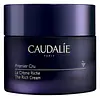
This barrier-repair moisturizer is formulated around Vitis Vinifera Seed Oil and Palmitoyl Grapevine Shoot Extract to strengthen the skin barrier and hydrate skin.
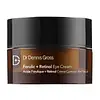
This anti-aging eye moisturizer is formulated around Ferulic Acid and Retinol to soften the look of wrinkles and refine skin texture.


What's inside
What's inside
 Key Ingredients
Benefits
Concerns
Ingredients Side-by-side
Water
Skin ConditioningGlycerin
Humectant


Caprylic/Capric Triglyceride
Masking
Vitis Vinifera Seed Oil
Emollient



Hydrogenated Ethylhexyl Olivate
EmollientButyrospermum Parkii Butter Extract
Skin Conditioning
Cetearyl Alcohol
Emollient



Butylene Glycol
Humectant
Cetearyl Glucoside
Emulsifying
Propanediol
Solvent
Palmitoyl Grapevine Shoot Extract
Antioxidant


Palmitoyl Grape Seed Extract
Skin ConditioningHydrogenated Olive Oil Unsaponifiables
Emollient
Pentaerythrityl Distearate
Emulsifying
Potassium Cetyl Phosphate
EmulsifyingCarbomer
Emulsion StabilisingCaprylyl Glycol
Emollient
Ceramide NP
Skin Conditioning


Xanthan Gum
EmulsifyingCI 77891
Cosmetic ColorantHydrolyzed Hyaluronic Acid
Humectant
Magnolia Grandiflora Bark Extract
Antimicrobial
Potassium Sorbate
Preservative
Tocopherol
Antioxidant
Helianthus Annuus Seed Oil
Emollient
Adenosine
Skin Conditioning
Sodium Hydroxide
BufferingSodium Phytate
Geraniol
Perfuming


Linalool
Perfuming
CI 77491
Cosmetic ColorantPaeonia Lactiflora Root Extract
Skin ConditioningCI 77492
Cosmetic ColorantSodium Citrate
BufferingParfum
Masking
Citronellol
Perfuming
Water, Glycerin, Caprylic/Capric Triglyceride, Vitis Vinifera Seed Oil, Hydrogenated Ethylhexyl Olivate, Butyrospermum Parkii Butter Extract, Cetearyl Alcohol, Butylene Glycol, Cetearyl Glucoside, Propanediol, Palmitoyl Grapevine Shoot Extract, Palmitoyl Grape Seed Extract, Hydrogenated Olive Oil Unsaponifiables, Pentaerythrityl Distearate, Potassium Cetyl Phosphate, Carbomer, Caprylyl Glycol, Ceramide NP, Xanthan Gum, CI 77891, Hydrolyzed Hyaluronic Acid, Magnolia Grandiflora Bark Extract, Potassium Sorbate, Tocopherol, Helianthus Annuus Seed Oil, Adenosine, Sodium Hydroxide, Sodium Phytate, Geraniol, Linalool, CI 77491, Paeonia Lactiflora Root Extract, CI 77492, Sodium Citrate, Parfum, Citronellol
Water
Skin ConditioningIsododecane
EmollientCetearyl Alcohol
Emollient
Dimethicone
Emollient
Adipic Acid/Neopentyl Glycol Crosspolymer
Lauryl Dimethicone
Skin Conditioning
Butylene Glycol
Humectant
Ceteareth-20
CleansingPotassium Cetyl Phosphate
EmulsifyingPolymethyl Methacrylate

Sodium Acrylate/Sodium Acryloyldimethyl Taurate Copolymer
Emulsion StabilisingGlyceryl Behenate
Emollient
Glyceryl Stearate Se
Emulsifying
Polyglyceryl-3 Diisostearate
Emulsifying
Collagen Amino Acids
Moisturising
Ferulic Acid
Antimicrobial
Gallic Acid
Antioxidant
Ellagic Acid
Skin Conditioning
Arnica Montana Flower Extract
Masking
Centella Asiatica Extract
Cleansing
Retinol
Skin Conditioning


Aminobutyric Acid
Caffeine
Skin Conditioning
Euphrasia Officinalis Extract
AntimicrobialSphingolipids
Emollient
Phospholipids
Skin Conditioning
Tetrapeptide-21
Skin Conditioning
Glycine Soja Oil
Emollient
Algae Extract
EmollientSodium PCA
Humectant
Sodium Hyaluronate
Humectant
Saccharide Isomerate
Humectant
Salix Alba Bark Extract
Astringent
Tocopherol
Antioxidant
Cucumis Sativus Fruit Extract
Emollient
Helianthus Annuus Seed Oil
Emollient
Leuconostoc/Radish Root Ferment Filtrate
Antimicrobial
Glycolic Acid
Buffering

Lactic Acid
Buffering
Glycerin
Humectant
Acrylates/Carbamate Copolymer
Skin ConditioningBis-Vinyl Dimethicone/Dimethicone Copolymer
Emulsion Stabilising
Tetrahydropiperine
Skin ConditioningBHT
Antioxidant
Hexylene Glycol
EmulsifyingCaprylyl Glycol
Emollient
Hydrogenated Polyisobutene
EmollientIsohexadecane
EmollientBenzophenone-3
UV Absorber

Behenic Acid
Cleansing
Polysorbate 80
Emulsifying
Ascorbyl Palmitate
Antioxidant
Citric Acid
Buffering
Cyclodextrin
AbsorbentSodium Citrate
BufferingTetrasodium EDTA
Phenoxyethanol
Preservative
Potassium Sorbate
Preservative
Sodium Benzoate
Masking
Mica
Cosmetic ColorantCI 75120
Cosmetic ColorantWater, Isododecane, Cetearyl Alcohol, Dimethicone, Adipic Acid/Neopentyl Glycol Crosspolymer, Lauryl Dimethicone, Butylene Glycol, Ceteareth-20, Potassium Cetyl Phosphate, Polymethyl Methacrylate, Sodium Acrylate/Sodium Acryloyldimethyl Taurate Copolymer, Glyceryl Behenate, Glyceryl Stearate Se, Polyglyceryl-3 Diisostearate, Collagen Amino Acids, Ferulic Acid, Gallic Acid, Ellagic Acid, Arnica Montana Flower Extract, Centella Asiatica Extract, Retinol, Aminobutyric Acid, Caffeine, Euphrasia Officinalis Extract, Sphingolipids, Phospholipids, Tetrapeptide-21, Glycine Soja Oil, Algae Extract, Sodium PCA, Sodium Hyaluronate, Saccharide Isomerate, Salix Alba Bark Extract, Tocopherol, Cucumis Sativus Fruit Extract, Helianthus Annuus Seed Oil, Leuconostoc/Radish Root Ferment Filtrate, Glycolic Acid, Lactic Acid, Glycerin, Acrylates/Carbamate Copolymer, Bis-Vinyl Dimethicone/Dimethicone Copolymer, Tetrahydropiperine, BHT, Hexylene Glycol, Caprylyl Glycol, Hydrogenated Polyisobutene, Isohexadecane, Benzophenone-3, Behenic Acid, Polysorbate 80, Ascorbyl Palmitate, Citric Acid, Cyclodextrin, Sodium Citrate, Tetrasodium EDTA, Phenoxyethanol, Potassium Sorbate, Sodium Benzoate, Mica, CI 75120
Reviews
Alternatives
Ingredients Explained
These ingredients are found in both products.
Ingredients higher up in an ingredient list are typically present in a larger amount.
Butylene Glycol (or BG) is used within cosmetic products for a few different reasons:
Overall, Butylene Glycol is a safe and well-rounded ingredient that works well with other ingredients.
Though this ingredient works well with most skin types, some people with sensitive skin may experience a reaction such as allergic rashes, closed comedones, or itchiness.
Learn more about Butylene GlycolCaprylyl Glycol is a humectant, skin conditioner, emollient, and preservative booster derived from either caprylic acid or synthetically created.
Typical use levels vary from 0.3-1% as a preservative booster and go up to 2% to condition skin.
Because it is not a free-fatty acid, this ingredient is fungal acne safe (there's nothing for Malassezia to feed on).
Learn more about Caprylyl GlycolCetearyl alcohol is a waxy mixture of two fatty alcohols: cetyl alcohol and stearyl alcohol. It is an emollient and emulsifier.
Despite having "alcohol" in its name, it has nothing to do with drying solvent alcohols; the FDA also allows "alcohol-free" products to contain fatty alcohols like this ingredient.
It plays several roles in a formula:
Typical use levels for this ingredient sit around 1-10% and the Cosmetic Ingredient Review Expert Panel has affirmed safety at concentrations up to 25% in leave-on products.
Multiple assessments have found it to be non-irritating and non-sensitizing to most people.
However, there have been some cases of allergic contact dermatitis in patients with chronically compromised skin barriers.
Cetearyl alcohol has a comedogenic rating of 2 and irritancy rating of 1. Both of these numbers come from the 1989 study that used rabbit ears; a "2" means mildly comedogenic and a "1" means low irritancy.
Here's the catch: rabbit skin is more sensitive than human skin and throws a lot of false positives. A 1996 reappraisal found that ingredients rated 1-2 in the rabbit ear tests are generally safe for humans.
Remember comedogenic ratings are unable to assess the entire formula of a product or how it will react on your skin. Just be sure to patch test if you are unsure about certain ingredients.
This ingredient is not fungal acne safe. Cetearyl alcohol is a fatty alcohol with chain lengths that fall within the range that Malassezia can metabolize.
A 2019 study has also observed Malassezia growth in the presence of this ingredient, confirming it to be not-fungal acne safe.
Learn more about Cetearyl AlcoholGlycerin (or glycerol) is a compound naturally found in your skin. It's a powerhouse humectant that pulls water into the stratum corneum.
Topically, glycerin does several things at once:
Your skin makes glycerin on its own (mostly from sebaceous oil breakdown) and shuttles it to your outermost layer of skin, or your epidermis, via aquaporin-3.
Aquaporin-3 is a transporter that is essential for normal skin hydration, elasticity, and repair. Interestingly, mice lacking in AQP3 have dry and less elastic skin that can be fully corrected with glycerin.
This ingredient is non-irritating, plays well with almost every ingredient, and works across all skin types. Typical use is anywhere between 3-10% but can go up to 79% in some leave-on products.
Just know very high concentrations (>40%) can feel tacky in low humidity.
Glycerin is the name for this ingredient in American English. British English uses Glycerol/Glycerine.
Learn more about GlycerinHelianthus Annuus Seed Oil is a plant oil derived from the seeds of a sunflower.
It is rich in fatty acids, primarily linoleic acid and oleic acid. This gives it emollient and skin conditioning properties.
The reason this ingredient is so effective is because it forms a thin film on the skin that reduces transepidermal water loss (TEWL) while supplying linoleic acid to the stratum corneum to improve barrier strength.
The high linoleic acid content is particularly noteworthy for acne-prone skin.
Research suggests that acne-prone skin tends to be deficient in linoleic acid in sebum. Topical application may help replenish this to support a healthier follicular environment and less comedone-promoting sebum.
One randomized study found sunflower seed oil preserved skin barrier integrity in adult volunteers with and without atopic dermatitis (outperforming olive oil).
This ingredient is well-studied, gentle, and an effective emollient suitable for most skin types.
On fungal acne: This ingredient may not be Fungal acne (Malassezia folliculitis) safe. This is because it contains fatty acids with carbon chain lengths in the C11-C24 range.
Learn more about Helianthus Annuus Seed OilPotassium Cetyl Phosphate is the potassium salt of a mixture. This mixture consists of the esters from phosphoricacid and cetyl alcohol.
Potassium Cetyl Phosphate is an emulsifier and cleansing agent. Emulsifiers help stabilize a product. It does this by preventing certain ingredients from separating.
As a cleansing agent, Potassium Cetyl Phosphate helps gather oils, dirts, and pollutants from your skin. This makes it easier to rinse them away with water.
Learn more about Potassium Cetyl PhosphatePotassium Sorbate is a preservative used to prevent yeast and mold in products. It is commonly found in both cosmetic and food products.
This ingredient comes from potassium salt derived from sorbic acid. Sorbic acid is a natural antibiotic and effective against fungus.
Both potassium sorbate and sorbic acid can be found in baked goods, cheeses, dried meats, dried fruit, ice cream, pickles, wine, yogurt, and more.
You'll often find this ingredient used with other preservatives.
Learn more about Potassium SorbateSodium Citrate is the sodium salts of citric acid. In skincare, it is used to alter pH levels and acts as a preservative.
Its main functions are to maintain the pH of a product and neutralize metal ions.
The acidity of our skin is maintained by our glands and skin biome; normal pH level of skin is slightly acidic (~4.75-5.5).
Being slightly acidic allows our skin to create an "acid mantle". This acid mantle is a thin barrier that protects our skin from bacteria and contaminants.
Learn more about Sodium CitrateTocopherol is a fat-soluble antioxidant known as Vitamin E.
You'll find this ingredient in the vast majority of skincare (for good reason). It works to neutralize free radicals, or unstable molecules generated by UV exposure, pollution, and other environmental stressors, before they can cause oxidative damage to your skin cells.
Topically applied tocopherol has been shown to protect against UV damage by ramping up the skin's own natural defense enzymes.
It also acts as a skin conditioning agent; some studies show that regular topical use can improve the skin's water-binding capacity over 2-4 weeks.
This ingredient is especially loved for being a team player. When combined with Vitamin C, the photoprotective effect of both ingredients roughly doubles and the combo also helps reduce UV-induced DNA damage.
This ingredient has some brightening potential but it's more of a prevention ingredient than spot-fader. Cell studies show it can slow down melanin production but it's worth noting that it's not the most powerful brightener out there.
In formulations, it also serves as a stabilizer that helps protect other oxidation-prone ingredients from degrading.
Concentrations usually range from 0.1-1% in most leave-on products.
Learn more about TocopherolWater. It's the most common cosmetic ingredient of all. You'll usually see it at the top of ingredient lists, meaning that it makes up the largest part of the product.
So why is it so popular? Water most often acts as a solvent - this means that it helps dissolve other ingredients into the formulation.
You'll also recognize water as that liquid we all need to stay alive. If you see this, drink a glass of water. Remember to stay hydrated!
Learn more about Water

