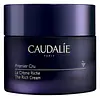
Caudalie Premier Cru Skin Barrier Rich Moisturizer with Bio-Ceramides Versus Lab Series for Men Anti-Age Max LS Lotion
This barrier-repair moisturizer is formulated around Vitis Vinifera Seed Oil and Palmitoyl Grapevine Shoot Extract to strengthen the skin barrier and hydrate skin.
This anti-aging moisturizer is formulated around Acetyl Glucosamine and Acetyl Hexapeptide-8 to soften the look of wrinkles.

What's inside
What's inside
 Key Ingredients
Benefits
Concerns
Ingredients Side-by-side
Water
Skin ConditioningGlycerin
Humectant


Caprylic/Capric Triglyceride
Masking
Vitis Vinifera Seed Oil
Emollient



Hydrogenated Ethylhexyl Olivate
EmollientButyrospermum Parkii Butter Extract
Skin Conditioning
Cetearyl Alcohol
Emollient



Butylene Glycol
Humectant
Cetearyl Glucoside
Emulsifying
Propanediol
Solvent
Palmitoyl Grapevine Shoot Extract
Antioxidant


Palmitoyl Grape Seed Extract
Skin ConditioningHydrogenated Olive Oil Unsaponifiables
Emollient
Pentaerythrityl Distearate
Emulsifying
Potassium Cetyl Phosphate
EmulsifyingCarbomer
Emulsion StabilisingCaprylyl Glycol
Emollient
Ceramide NP
Skin Conditioning


Xanthan Gum
EmulsifyingCI 77891
Cosmetic ColorantHydrolyzed Hyaluronic Acid
Humectant
Magnolia Grandiflora Bark Extract
Antimicrobial
Potassium Sorbate
Preservative
Tocopherol
Antioxidant
Helianthus Annuus Seed Oil
Emollient
Adenosine
Skin Conditioning
Sodium Hydroxide
BufferingSodium Phytate
ChelatingGeraniol
Perfuming


Linalool
Perfuming
CI 77491
Cosmetic ColorantPaeonia Lactiflora Root Extract
Skin ConditioningCI 77492
Cosmetic ColorantSodium Citrate
BufferingParfum
Masking
Citronellol
Perfuming
Water, Glycerin, Caprylic/Capric Triglyceride, Vitis Vinifera Seed Oil, Hydrogenated Ethylhexyl Olivate, Butyrospermum Parkii Butter Extract, Cetearyl Alcohol, Butylene Glycol, Cetearyl Glucoside, Propanediol, Palmitoyl Grapevine Shoot Extract, Palmitoyl Grape Seed Extract, Hydrogenated Olive Oil Unsaponifiables, Pentaerythrityl Distearate, Potassium Cetyl Phosphate, Carbomer, Caprylyl Glycol, Ceramide NP, Xanthan Gum, CI 77891, Hydrolyzed Hyaluronic Acid, Magnolia Grandiflora Bark Extract, Potassium Sorbate, Tocopherol, Helianthus Annuus Seed Oil, Adenosine, Sodium Hydroxide, Sodium Phytate, Geraniol, Linalool, CI 77491, Paeonia Lactiflora Root Extract, CI 77492, Sodium Citrate, Parfum, Citronellol
Water
Skin ConditioningDimethicone
Emollient
Butylene Glycol
Humectant
Jojoba Esters
Emollient
Glycerin
Humectant
Coco-Caprylate/Caprate
Emollient
Trisiloxane
Skin Conditioning
Trehalose
Humectant
Hydrogenated Lecithin
Emulsifying
Diethylhexyl Succinate
EmollientAcetyl Glucosamine
Skin Conditioning
Coleus Forskohlii Root Extract
EmollientPolygonum Cuspidatum Root Extract
Antioxidant
Myrtus Communis Leaf Extract
Perfuming
Hydrolyzed Oat Protein
Skin ConditioningLactis Proteinum
Skin ConditioningSigesbeckia Orientalis Extract
Skin ConditioningHydrolyzed Rice Extract
Skin Conditioning
Acetyl Hexapeptide-8
Humectant
Palmitoyl Tetrapeptide-7
Skin Conditioning
Pyrus Malus Fruit Extract
Skin Conditioning
Lens Esculenta Fruit Extract
Skin ConditioningCitrus Medica Vulgaris Fruit Extract
Antioxidant
Rosmarinus Officinalis Leaf Extract
AntimicrobialLaminaria Digitata Extract
Skin Protecting
Bambusa Vulgaris Extract
Skin Conditioning
Pisum Sativum Extract
Skin ConditioningLaminaria Saccharina Extract
Skin Protecting
Palmitoyl Tripeptide-1
Skin Conditioning
Niacinamide
Smoothing



Disodium Adenosine Triphosphate
Skin ConditioningCaffeine
Skin Conditioning
Algae Extract
Emollient
Dipotassium Glycyrrhizate
Humectant
Astrocaryum Murumuru Seed Butter
Emollient
Sodium Lactate
Buffering
Sodium Hyaluronate
Humectant
Lauryl PEG-9 Polydimethylsiloxyethyl Dimethicone
Skin Conditioning
Caprylyl Glycol
Emollient
Sodium PCA
Humectant
Acrylates/C10-30 Alkyl Acrylate Crosspolymer
Emulsion StabilisingTromethamine
BufferingErgothioneine
Antioxidant
Tocopheryl Acetate
Antioxidant
Polyacrylamide
C13-14 Isoparaffin
Emollient
Hexylene Glycol
EmulsifyingGlucosamine Hcl
Laureth-7
EmulsifyingMagnesium Ascorbyl Phosphate
Antioxidant
Carbomer
Emulsion StabilisingCitric Acid
Buffering
Polysorbate 20
Emulsifying
Lecithin
Emollient
Parfum
Masking
Disodium EDTA
ChelatingPhenoxyethanol
Preservative
Water, Dimethicone, Butylene Glycol, Jojoba Esters, Glycerin, Coco-Caprylate/Caprate, Trisiloxane, Trehalose, Hydrogenated Lecithin, Diethylhexyl Succinate, Acetyl Glucosamine, Coleus Forskohlii Root Extract, Polygonum Cuspidatum Root Extract, Myrtus Communis Leaf Extract, Hydrolyzed Oat Protein, Lactis Proteinum, Sigesbeckia Orientalis Extract, Hydrolyzed Rice Extract, Acetyl Hexapeptide-8, Palmitoyl Tetrapeptide-7, Pyrus Malus Fruit Extract, Lens Esculenta Fruit Extract, Citrus Medica Vulgaris Fruit Extract, Rosmarinus Officinalis Leaf Extract, Laminaria Digitata Extract, Bambusa Vulgaris Extract, Pisum Sativum Extract, Laminaria Saccharina Extract, Palmitoyl Tripeptide-1, Niacinamide, Disodium Adenosine Triphosphate, Caffeine, Algae Extract, Dipotassium Glycyrrhizate, Astrocaryum Murumuru Seed Butter, Sodium Lactate, Sodium Hyaluronate, Lauryl PEG-9 Polydimethylsiloxyethyl Dimethicone, Caprylyl Glycol, Sodium PCA, Acrylates/C10-30 Alkyl Acrylate Crosspolymer, Tromethamine, Ergothioneine, Tocopheryl Acetate, Polyacrylamide, C13-14 Isoparaffin, Hexylene Glycol, Glucosamine Hcl, Laureth-7, Magnesium Ascorbyl Phosphate, Carbomer, Citric Acid, Polysorbate 20, Lecithin, Parfum, Disodium EDTA, Phenoxyethanol
Reviews
Ingredients Explained
These ingredients are found in both products.
Ingredients higher up in an ingredient list are typically present in a larger amount.
Butylene Glycol (or BG) is used within cosmetic products for a few different reasons:
Overall, Butylene Glycol is a safe and well-rounded ingredient that works well with other ingredients.
Though this ingredient works well with most skin types, some people with sensitive skin may experience a reaction such as allergic rashes, closed comedones, or itchiness.
Learn more about Butylene GlycolCaprylyl Glycol is a humectant, skin conditioner, emollient, and preservative booster derived from either caprylic acid or synthetically created.
Typical use levels vary from 0.3-1% as a preservative booster and go up to 2% to condition skin.
Because it is not a free-fatty acid, this ingredient is fungal acne safe (there's nothing for Malassezia to feed on).
Learn more about Caprylyl GlycolCarbomer is a synthetic thickening and gelling agent. It's basically the ingredient that gives a lot of serums, gels, creams, and sunscreens their smooth, non-sticky texture.
Although legally permitted at very high levels, carbomers are normally used at concentrations below 1%.
It also needs to be neutralized to actually thicken, and because it is a large molecule, it doesn't really penetrate the skin barrier.
Allergy-wise, the risk is very low. Clinical studies show carbomers have low potential for skin irritation/sensitization even at concentrations up to 100%.
A 2024 UK study patch-tested 1,302 patients and found true allergy to the parent group of carbomer to be rare with no confirmed relevant reactions.
Learn more about CarbomerGlycerin (or glycerol) is a compound naturally found in your skin. It's a powerhouse humectant that pulls water into the stratum corneum.
Topically, glycerin does several things at once:
Your skin makes glycerin on its own (mostly from sebaceous oil breakdown) and shuttles it to your outermost layer of skin, or your epidermis, via aquaporin-3.
Aquaporin-3 is a transporter that is essential for normal skin hydration, elasticity, and repair. Interestingly, mice lacking in AQP3 have dry and less elastic skin that can be fully corrected with glycerin.
This ingredient is non-irritating, plays well with almost every ingredient, and works across all skin types. Typical use is anywhere between 3-10% but can go up to 79% in some leave-on products.
Just know very high concentrations (>40%) can feel tacky in low humidity.
Glycerin is the name for this ingredient in American English. British English uses Glycerol/Glycerine.
Learn more about GlycerinParfum is a catch-all term for an ingredient or more that is used to give a scent to products.
Also called "fragrance", this ingredient can be a blend of hundreds of chemicals or plant oils. This means every product with "fragrance" or "parfum" in the ingredients list is a different mixture.
For instance, Habanolide is a proprietary trade name for a specific aroma chemical. When used as a fragrance ingredient in cosmetics, most aroma chemicals fall under the broad labeling category of “FRAGRANCE” or “PARFUM” according to EU and US regulations.
The term 'parfum' or 'fragrance' is not regulated in many countries. In many cases, it is up to the brand to define this term.
For instance, many brands choose to label themselves as "fragrance-free" because they are not using synthetic fragrances. However, their products may still contain ingredients such as essential oils that are considered a fragrance by INCI standards.
One example is Calendula flower extract. Calendula is an essential oil that still imparts a scent or 'fragrance'.
Depending on the blend, the ingredients in the mixture can cause allergies and sensitivities on the skin. Some ingredients that are known EU allergens include linalool and citronellol.
Parfum can also be used to mask or cover an unpleasant scent.
The bottom line is: not all fragrances/parfum/ingredients are created equally. If you are worried about fragrances, we recommend taking a closer look at an ingredient. And of course, we always recommend speaking with a professional.
Learn more about ParfumWater. It's the most common cosmetic ingredient of all. You'll usually see it at the top of ingredient lists, meaning that it makes up the largest part of the product.
So why is it so popular? Water most often acts as a solvent - this means that it helps dissolve other ingredients into the formulation.
You'll also recognize water as that liquid we all need to stay alive. If you see this, drink a glass of water. Remember to stay hydrated!
Learn more about Water

