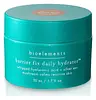
This barrier-repair moisturizer is formulated around Helianthus Annuus Seed Oil and Ceramide NP to strengthen the skin barrier and calm redness.
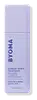
This barrier-repair treatment is formulated around Ectoin and Sphingolipids to strengthen the skin barrier and hydrate skin.


What's inside
What's inside
 Key Ingredients
Benefits
Concerns
Ingredients Side-by-side
Water
Skin ConditioningHelianthus Annuus Seed Oil
Emollient



Glycerin
Humectant

Sclerocarya Birrea Seed Oil
Humectant

Tetradecane
Perfuming

Glycereth-26
Humectant
Allantoin
Skin Conditioning

Magnesium Carboxymethyl Beta-Glucan
Skin ConditioningCeramide NP
Skin Conditioning

Tocopheryl Acetate
Antioxidant


Cannabis Sativa Seed Oil
Emollient
Panthenol
Skin Conditioning
Ceramide AP
Skin Conditioning
Rosmarinyl Glucoside
Antioxidant
Polyacrylamide
Caprylic/Capric Triglyceride
Masking
Hydrolyzed Sodium Hyaluronate
Skin Conditioning
Laureth-7
EmulsifyingTremella Fuciformis Sporocarp Extract
Antioxidant
Sodium Phytate
ChelatingLavandula Hybrida Oil
Emollient
Lavandula Angustifolia Oil
Masking


Pelargonium Graveolens Flower Oil
Masking
Rosmarinus Officinalis Leaf Oil
Masking
Salvia Sclarea Oil
Masking
Santalum Album Oil
Masking
Caffeyl Glucoside
Antioxidant
Gallyl Glucoside
Antioxidant
Acrylates/C10-30 Alkyl Acrylate Crosspolymer
Emulsion StabilisingPhenoxyethanol
Preservative
C13-14 Isoparaffin
Emollient
Ethylhexylglycerin
Skin ConditioningPotassium Sorbate
Preservative
Vitis Vinifera Seed Oil
Emollient
Sodium Hydroxide
BufferingWater, Helianthus Annuus Seed Oil, Glycerin, Sclerocarya Birrea Seed Oil, Tetradecane, Glycereth-26, Allantoin, Magnesium Carboxymethyl Beta-Glucan, Ceramide NP, Tocopheryl Acetate, Cannabis Sativa Seed Oil, Panthenol, Ceramide AP, Rosmarinyl Glucoside, Polyacrylamide, Caprylic/Capric Triglyceride, Hydrolyzed Sodium Hyaluronate, Laureth-7, Tremella Fuciformis Sporocarp Extract, Sodium Phytate, Lavandula Hybrida Oil, Lavandula Angustifolia Oil, Pelargonium Graveolens Flower Oil, Rosmarinus Officinalis Leaf Oil, Salvia Sclarea Oil, Santalum Album Oil, Caffeyl Glucoside, Gallyl Glucoside, Acrylates/C10-30 Alkyl Acrylate Crosspolymer, Phenoxyethanol, C13-14 Isoparaffin, Ethylhexylglycerin, Potassium Sorbate, Vitis Vinifera Seed Oil, Sodium Hydroxide
Water
Skin ConditioningGlycerin
Humectant
Butylene Glycol
Humectant
Pentaerythrityl Tetraisostearate
Emollient
Butylene Glycol Dicaprylate/Dicaprate
EmollientDiisostearyl Malate
EmollientCetyl Ethylhexanoate
EmollientMethyl Trimethicone
Skin Conditioning
Butyrospermum Parkii Butter
Skin Conditioning
Phenyl Trimethicone
Skin Conditioning
Behenyl Alcohol
Emollient
Cetearyl Olivate
Cetearyl Alcohol
Emollient
Squalane
Emollient
Persea Gratissima Oil
Skin Conditioning
Sorbitan Olivate
Emulsifying
C14-22 Alcohols
Emulsion Stabilising
Ectoin
Skin Conditioning
Dipropylene Glycol
HumectantSimethicone
Emollient
Ethylhexylglycerin
Skin ConditioningSphingolipids
Emollient
Arachidyl Glucoside
Emulsifying1,2-Hexanediol
Skin Conditioning
Glucose
Humectant
Ceramide NP
Skin Conditioning
Polyacrylate-13
Hydroxyacetophenone
Antioxidant
Palmitic Acid
Emollient
Arachidyl Alcohol
Emollient
C11-13 Isoparaffin
Solvent
Stearic Acid
Cleansing
C12-20 Alkyl Glucoside
EmulsifyingHydrogenated Polyisobutene
EmollientIsohexadecane
EmollientCaprylyl Glycol
Emollient
Dimethiconol
Emollient
Allantoin
Skin Conditioning
Carbomer
Emulsion StabilisingAmmonium Acryloyldimethyltaurate/Vp Copolymer
Tromethamine
BufferingSodium Hyaluronate
Humectant
Polyglyceryl-10 Laurate
Skin Conditioning
Ethylhexyl Palmitate
Emollient
Sorbitan Isostearate
Emulsifying
Sodium Phytate
ChelatingCyanocobalamin
Skin ConditioningDipotassium Glycyrrhizate
Humectant
Tocopherol
Antioxidant
Water, Glycerin, Butylene Glycol, Pentaerythrityl Tetraisostearate, Butylene Glycol Dicaprylate/Dicaprate, Diisostearyl Malate, Cetyl Ethylhexanoate, Methyl Trimethicone, Butyrospermum Parkii Butter, Phenyl Trimethicone, Behenyl Alcohol, Cetearyl Olivate, Cetearyl Alcohol, Squalane, Persea Gratissima Oil, Sorbitan Olivate, C14-22 Alcohols, Ectoin, Dipropylene Glycol, Simethicone, Ethylhexylglycerin, Sphingolipids, Arachidyl Glucoside, 1,2-Hexanediol, Glucose, Ceramide NP, Polyacrylate-13, Hydroxyacetophenone, Palmitic Acid, Arachidyl Alcohol, C11-13 Isoparaffin, Stearic Acid, C12-20 Alkyl Glucoside, Hydrogenated Polyisobutene, Isohexadecane, Caprylyl Glycol, Dimethiconol, Allantoin, Carbomer, Ammonium Acryloyldimethyltaurate/Vp Copolymer, Tromethamine, Sodium Hyaluronate, Polyglyceryl-10 Laurate, Ethylhexyl Palmitate, Sorbitan Isostearate, Sodium Phytate, Cyanocobalamin, Dipotassium Glycyrrhizate, Tocopherol
Reviews
Ingredients Explained
These ingredients are found in both products.
Ingredients higher up in an ingredient list are typically present in a larger amount.
Allantoin is a soothing ingredient known for its protective and moisturizing properties; it's basically a quiet workhorse ingredient you can find in a huge range of cosmetics.
Though it can be derived from the comfrey plant, allantoin is produced synthetically for cosmetic products to ensure purity.
Research shows it can encourage your skin cells to turn over and renew by stimulating keratinocyte and fibroblast proliferation.
It also has mild keratolytic properties to help loosen and shed dead skin cells without being harsh.
Studies also suggest allantoin can help calm inflammation by dialing down some of the chemical signals your skin sends out when it is irritated.
This ingredient is typically used in the 0.1-0.5% range, and the FDA recognizes it as a skin protectant in OTC products up to 2%.
Overall, allantoin is a wonderful addition to most routines; it is stable across a wide pH range (~4-8), works well with other ingredients, and is considered non-sensitizing/non-irritating.
Fun fact: Allantoin is naturally occurring in comfrey root, beets, chamomile, and wheat sprouts. Our bodies even produce it as a byproduct of uric acid metabolism.
Learn more about AllantoinCeramide NP (formerly known as Ceramide 3) is one of the skin's naturally occurring lipids.
Since ceramides are the major lipid components of the skin, they are crucial for maintaining skin barrier and hydration. Ceramide NP most closely mirrors the dominant kind in human skin amongst ceramide subtypes.
This ceramide works by slotting into gaps within the stratum corneum's lipid matrix to limit trans-epidermal water loss (TEWL) and shield the skin against external irritants.
A study with 312 patients found that using a ceramide-containing routine for 4 weeks reduced the severity of atopic dermatitis by over 61%.
Another clinical study in subjects aged 60 and older found that a ceramide body wash and moisturizer improved skin dryness and itchy skin in 15 days.
Overall, ceramides are considered non-irritating and safety tests have found little to no observable adverse effects from using this ingredient.
Ceramide NP is usually sourced from plants (like soybean or rice bran), or produced synthetically.
Learn more about Ceramide NPEthylhexylglycerin is created from glycerin. It is a multitasker ingredient that:
The CIR Expert Panel found minimal skin absorption or sensitization of any kind in a safety assessment. Though this ingredient is considered well-tolerated, a small number of cases of allergic dermatitis have been published since 2002. Just be sure to patch test if you are unsure.
Industry-reported use ranges from 8% in rinse-off products and 2% in leave-on formulations.
Learn more about EthylhexylglycerinGlycerin (or glycerol) is a compound naturally found in your skin. It's a powerhouse humectant that pulls water into the stratum corneum.
Topically, glycerin does several things at once:
Your skin makes glycerin on its own (mostly from sebaceous oil breakdown) and shuttles it to your outermost layer of skin, or your epidermis, via aquaporin-3.
Aquaporin-3 is a transporter that is essential for normal skin hydration, elasticity, and repair. Interestingly, mice lacking in AQP3 have dry and less elastic skin that can be fully corrected with glycerin.
This ingredient is non-irritating, plays well with almost every ingredient, and works across all skin types. Typical use is anywhere between 3-10% but can go up to 79% in some leave-on products.
Just know very high concentrations (>40%) can feel tacky in low humidity.
Glycerin is the name for this ingredient in American English. British English uses Glycerol/Glycerine.
Learn more about GlycerinSodium Phytate is the sodium salt of Phytic acid, a compound that plants store phosphorus in. It's the plant-derived alternative to ingredients like Disodium EDTA.
In skincare, this ingredient is a chelator that grabs onto trace metal ions like iron and copper that sneak into formulas through water/raw materials.
Those metals speed up oxidation so binding them keeps oils, fragrance, and actives from going off, stops color changes, and helps the preservative system work harder.
Survey data shows usage levels range from 0.0099%-0.5% in leave-on products, 0.025%-0.3% in rinse-off, and up to 0.05% in eye-area products. Suppliers typically recommend a range between 0.05-0.5%.
Learn more about Sodium PhytateWater. It's the most common cosmetic ingredient of all. You'll usually see it at the top of ingredient lists, meaning that it makes up the largest part of the product.
So why is it so popular? Water most often acts as a solvent - this means that it helps dissolve other ingredients into the formulation.
You'll also recognize water as that liquid we all need to stay alive. If you see this, drink a glass of water. Remember to stay hydrated!
Learn more about Water


