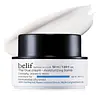
This barrier-repair moisturizer is formulated around Avena Sativa Kernel Extract and Ceramide NP to strengthen the skin barrier and hydrate skin.
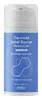
This barrier-repair moisturizer is formulated around Ceramide NP and Allantoin to strengthen the skin barrier and calm redness.

What's inside
What's inside
 Key Ingredients
Benefits
Concerns
Ingredients Side-by-side
Water
Skin ConditioningGlycerin
Humectant


Cyclohexasiloxane
Emollient
Hydrogenated Polydecene
EmollientDipropylene Glycol
HumectantMacadamia Ternifolia Seed Oil
Emollient


1,2-Hexanediol
Skin Conditioning
Triethylhexanoin
MaskingBis-PEG-18 Methyl Ether Dimethyl Silane
EmollientStearyl Alcohol
Emollient
Glyceryl Stearate
Emollient
PEG-40 Stearate
Emulsifying
Pentaerythrityl Tetraethylhexanoate
Emollient
Symphytum Officinale Leaf Extract
Skin ConditioningAvena Sativa Kernel Extract
Abrasive



Calendula Officinalis Flower Extract
Masking
Nepeta Cataria Extract
TonicRubus Idaeus Leaf Extract
Skin ConditioningBaptisia Tinctoria Root Extract
Skin ConditioningStellaria Media Extract
Skin ConditioningAlchemilla Vulgaris Leaf Extract
Antioxidant
Viola Tricolor Extract
EmollientRosa Damascena Flower Extract
Masking
Spiraea Ulmaria Flower Extract
Skin ConditioningAlthaea Officinalis Root Extract
Skin Conditioning
Euphrasia Officinalis Extract
AntimicrobialThuja Occidentalis Leaf Extract
Antioxidant
Achillea Millefolium Flower Extract
Antioxidant
Trifolium Pratense Flower Extract
AstringentMenyanthes Trifoliata Leaf Extract
Skin ConditioningSalix Alba Bark Extract
Astringent

Poncirus Trifoliata Fruit Extract
Skin ConditioningImperata Cylindrica Root Extract
Skin ConditioningC14-22 Alcohols
Emulsion Stabilising
Squalane
Emollient
Butyrospermum Parkii Butter
Skin Conditioning


Arachidyl Glucoside
EmulsifyingCeramide NP
Skin Conditioning
Cholesterol
Emollient
Caprylyl Glycol
Emollient
Acetyl Hexapeptide-8
Humectant
Tocopherol
Antioxidant

Panthenol
Skin Conditioning
Hydroxyethylpiperazine Ethane Sulfonic Acid
BufferingUrea
Buffering

Saccharomyces Ferment Filtrate
Humectant
Viscum Album Extract
Skin ConditioningGlycosyl Trehalose
Emulsion StabilisingLactobacillus/Soybean Ferment Extract
Skin ConditioningStearic Acid
Cleansing
Tromethamine
BufferingPEG-100 Stearate
Surfactant
Cetearyl Olivate
Palmitic Acid
Emollient
Sorbitan Olivate
Emulsifying
Hydrogenated Lecithin
Emulsifying
Acrylates/C10-30 Alkyl Acrylate Crosspolymer
Emulsion StabilisingDimethicone/Vinyl Dimethicone Crosspolymer
Skin Conditioning
Carbomer
Emulsion StabilisingHydrogenated Starch Hydrolysate
HumectantXanthan Gum
EmulsifyingTrisodium EDTA
ChelatingCetearyl Alcohol
Emollient
Butylene Glycol
Humectant
Dimethicone
Emollient
Sorbitan Stearate
Emulsifying
Citrus Aurantium Dulcis Peel Oil
Masking
Citrus Aurantifolia Oil
Cleansing

Rosmarinus Officinalis Leaf Oil
Masking
Pelargonium Graveolens Flower Oil
Masking
Limonene
Perfuming
Citronellol
Perfuming
Geraniol
Perfuming
Citral
Perfuming
Linalool
Perfuming
Water, Glycerin, Cyclohexasiloxane, Hydrogenated Polydecene, Dipropylene Glycol, Macadamia Ternifolia Seed Oil, 1,2-Hexanediol, Triethylhexanoin, Bis-PEG-18 Methyl Ether Dimethyl Silane, Stearyl Alcohol, Glyceryl Stearate, PEG-40 Stearate, Pentaerythrityl Tetraethylhexanoate, Symphytum Officinale Leaf Extract, Avena Sativa Kernel Extract, Calendula Officinalis Flower Extract, Nepeta Cataria Extract, Rubus Idaeus Leaf Extract, Baptisia Tinctoria Root Extract, Stellaria Media Extract, Alchemilla Vulgaris Leaf Extract, Viola Tricolor Extract, Rosa Damascena Flower Extract, Spiraea Ulmaria Flower Extract, Althaea Officinalis Root Extract, Euphrasia Officinalis Extract, Thuja Occidentalis Leaf Extract, Achillea Millefolium Flower Extract, Trifolium Pratense Flower Extract, Menyanthes Trifoliata Leaf Extract, Salix Alba Bark Extract, Poncirus Trifoliata Fruit Extract, Imperata Cylindrica Root Extract, C14-22 Alcohols, Squalane, Butyrospermum Parkii Butter, Arachidyl Glucoside, Ceramide NP, Cholesterol, Caprylyl Glycol, Acetyl Hexapeptide-8, Tocopherol, Panthenol, Hydroxyethylpiperazine Ethane Sulfonic Acid, Urea, Saccharomyces Ferment Filtrate, Viscum Album Extract, Glycosyl Trehalose, Lactobacillus/Soybean Ferment Extract, Stearic Acid, Tromethamine, PEG-100 Stearate, Cetearyl Olivate, Palmitic Acid, Sorbitan Olivate, Hydrogenated Lecithin, Acrylates/C10-30 Alkyl Acrylate Crosspolymer, Dimethicone/Vinyl Dimethicone Crosspolymer, Carbomer, Hydrogenated Starch Hydrolysate, Xanthan Gum, Trisodium EDTA, Cetearyl Alcohol, Butylene Glycol, Dimethicone, Sorbitan Stearate, Citrus Aurantium Dulcis Peel Oil, Citrus Aurantifolia Oil, Rosmarinus Officinalis Leaf Oil, Pelargonium Graveolens Flower Oil, Limonene, Citronellol, Geraniol, Citral, Linalool
Water
Skin ConditioningPropanediol
Solvent
Glycerin
Humectant
Caprylic/Capric Triglyceride
Masking
Hydrogenated Poly(C6-14 Olefin)
EmollientBehenyl Alcohol
Emollient
Limnanthes Alba Seed Oil
Skin Conditioning
Polyglyceryl-6 Stearate
Emollient
1,2-Hexanediol
Skin Conditioning
Cetyl Alcohol
Emollient
Candida/Garcinia Cambogia Ferment
Ceramide NP
Skin Conditioning
Glyceryl Stearate
Emollient
Ammonium Acryloyldimethyltaurate/Vp Copolymer
Polyglyceryl-6 Behenate
Emulsion Stabilising
Allantoin
Skin Conditioning
Squalane
Emollient
Caprylyl Glycol
Emollient
Panthenol
Skin Conditioning
Macadamia Ternifolia Seed Oil
Emollient
Xanthan Gum
EmulsifyingButyrospermum Parkii Butter
Skin Conditioning
Ethylhexylglycerin
Skin ConditioningDisodium EDTA
ChelatingDipropylene Glycol
HumectantHydrogenated Lecithin
Emulsifying
Ceramide Ns
Skin Conditioning
Ceramide As
Skin Conditioning
Ceramide AP
Skin Conditioning
Cholesterol
Emollient
Ceramide EOP
Skin Conditioning
Water, Propanediol, Glycerin, Caprylic/Capric Triglyceride, Hydrogenated Poly(C6-14 Olefin), Behenyl Alcohol, Limnanthes Alba Seed Oil, Polyglyceryl-6 Stearate, 1,2-Hexanediol, Cetyl Alcohol, Candida/Garcinia Cambogia Ferment, Ceramide NP, Glyceryl Stearate, Ammonium Acryloyldimethyltaurate/Vp Copolymer, Polyglyceryl-6 Behenate, Allantoin, Squalane, Caprylyl Glycol, Panthenol, Macadamia Ternifolia Seed Oil, Xanthan Gum, Butyrospermum Parkii Butter, Ethylhexylglycerin, Disodium EDTA, Dipropylene Glycol, Hydrogenated Lecithin, Ceramide Ns, Ceramide As, Ceramide AP, Cholesterol, Ceramide EOP
Reviews
Ingredients Explained
These ingredients are found in both products.
Ingredients higher up in an ingredient list are typically present in a larger amount.
1,2-Hexanediol is a synthetic liquid and another multi-functional powerhouse.
It is a:
- Humectant, drawing moisture into the skin
- Emollient, helping to soften skin
- Solvent, dispersing and stabilizing formulas
- Preservative booster, enhancing the antimicrobial activity of other preservatives
This ingredient is also known as shea butter. It is a plant-derived extract from the nuts of the Africa shea tree and one of the most well-studied emollients.
Because it has a high concentration of fatty acids (primarily oleic, stearic, and linoleic) it is able to form a protective barrier on the skin's surface. This helps seal in moisture and prevents transepidermal water loss (TEWL).
In vitro research found an increase in skin hydration by 58% and a decrease in TEWL by 37.8% after 24 hours of applying this ingredient (pretty impressive for a single ingredient!).
Besides hydration, shea butter also contains triterpenes that have anti-inflammatory potential. In particule, lupeol cinnamate has shown the highest anti-inflammatory activity in vivo.
Shea butter also contains vitamins A and E which may contribute to antioxidant activity.
While Shea Butter has an SPF rating of about 3-4, it is not a sunscreen replacement.
This ingredient may not be fungal acne safe because its fatty acids fall within the C11-C24 range that the Malassezia yeast can metabolize.
This ingredient shows up on a lot of "pore-clogging" lists but there's no real evidence behind that. It doesn't even have a comedogenic rating from an actual study; the numbers you'll find online come from blogs citing other blogs.
Ratings for other ingredients mostly come from a 1980s rabbit ear test. This test doesn't translate well to human skin or to real products because the ingredient sits at a much lower percentage.
Some people still find it breaks them out. So if that's you, definitely trust your skin. Just know this one's based on experience and not evidence.
Learn more about Butyrospermum Parkii ButterCaprylyl Glycol is a humectant, skin conditioner, emollient, and preservative booster derived from either caprylic acid or synthetically created.
Typical use levels vary from 0.3-1% as a preservative booster and go up to 2% to condition skin.
Because it is not a free-fatty acid, this ingredient is fungal acne safe (there's nothing for Malassezia to feed on).
Learn more about Caprylyl GlycolCeramide NP (formerly known as Ceramide 3) is one of the skin's naturally occurring lipids.
Since ceramides are the major lipid components of the skin, they are crucial for maintaining skin barrier and hydration. Ceramide NP most closely mirrors the dominant kind in human skin amongst ceramide subtypes.
This ceramide works by slotting into gaps within the stratum corneum's lipid matrix to limit trans-epidermal water loss (TEWL) and shield the skin against external irritants.
A study with 312 patients found that using a ceramide-containing routine for 4 weeks reduced the severity of atopic dermatitis by over 61%.
Another clinical study in subjects aged 60 and older found that a ceramide body wash and moisturizer improved skin dryness and itchy skin in 15 days.
Overall, ceramides are considered non-irritating and safety tests have found little to no observable adverse effects from using this ingredient.
Ceramide NP is usually sourced from plants (like soybean or rice bran), or produced synthetically.
Learn more about Ceramide NPCholesterol is a lipid that is naturally found in human skin and is one of the three key components of your skin barrier. In skincare, it is an emollient and barrier-repairing ingredient.
It works by fitting directly into the lipid layers of skin to help restore structure and reduce transepidermal water loss (TEWL).
This is a great ingredient for dry, compromised, or aging skin; our skin starts to produce less cholesterol with age.
Research shows cholesterol works best in combination with ceramides and fatty acids, the other two major components in your skin barrier.
Cholesterol is also a well-establish penetration enhancer and can help other actives absorb more effectively.
Cosmetic-grade cholesterol is usually derived from lanolin but plant and synthetic options also exist. We recommend reaching out to the brand if you have questions about their source of cholesterol.
Learn more about CholesterolDipropylene Glycol is a synthetically created humectant, stabilizer, and solvent.
This ingredient helps:
Dipropylene glycol is technically an alcohol, but it belongs to the glycol family (often considered part of the ‘good’ alcohols). This means it is hydrating and gentle on skin unlike drying solvent alcohols like denatured alcohol.
As a masking agent, Dipropylene Glycol can be used to cover the smell of other ingredients. However, it does not have a scent.
Studies show Dipropylene Glycol is considered safe to use in skincare.
Learn more about Dipropylene GlycolGlycerin (or glycerol) is a compound naturally found in your skin. It's a powerhouse humectant that pulls water into the stratum corneum.
Topically, glycerin does several things at once:
Your skin makes glycerin on its own (mostly from sebaceous oil breakdown) and shuttles it to your outermost layer of skin, or your epidermis, via aquaporin-3.
Aquaporin-3 is a transporter that is essential for normal skin hydration, elasticity, and repair. Interestingly, mice lacking in AQP3 have dry and less elastic skin that can be fully corrected with glycerin.
This ingredient is non-irritating, plays well with almost every ingredient, and works across all skin types. Typical use is anywhere between 3-10% but can go up to 79% in some leave-on products.
Just know very high concentrations (>40%) can feel tacky in low humidity.
Glycerin is the name for this ingredient in American English. British English uses Glycerol/Glycerine.
Learn more about GlycerinGlyceryl Stearate is made by reacting glycerin with stearic acid (typically sourced from plant oils like palm or coconut). It's an emulsifier, emollient, and mild occlusive.
Emulsifiers help ingredients like oil and water stay mixed so your formula stays nicely blended and uniform in texture.
This ingredient is typically used in concentrations between 1-10%. Studies have found it to be non-sensitizing, non-phototoxic, and non-photoallergenic.
A close cousin of this ingredient is Glyceryl Stearate SE ("self-emulsifying"). This just has a small amount of sodium or potassium stearate added so it can emulsify without a co-emulsifier.
Since this ingredient is an ester of a C18 fatty acid, it may not be fungal acne safe. The Malassezia yeast can potentially metabolize within the C11-C24 range.
Fun fact: The human body also creates Glyceryl Stearate naturally.
Learn more about Glyceryl StearateHydrogenated Lecithin is a more stable version of lecithin.
It's made by taking lecithin (a phospholipid commonly found in soybeans and egg yolks) and hydrogenating it. This just means the unsaturated fatty acids are turned into saturated ones so they don't go bad as easily.
This ingredient is an emollient, emulsifier, and penetration enhancer. As an emollient, it helps soften and hydrate skin by trapping moisture within. As an emulsifier, it prevents oil and water ingredients from separating.
Hydrogenated Lecithin can form tiny spherical structures made of phospholipid bilayers called liposomes. These liposomes are able to capture compounds inside their structure and deliver them through the skin barrier.
Because phospholipids are a natural component of our cell membranes, this ingredient is inherently compatible with skin.
A 2021 study found lecithin-based surfactants were less harsh and more tolerable comared to Sodium Lauryl Sulfate (SLS).
Learn more about Hydrogenated LecithinThis ingredient is also known as Macadamia Seed Oil. It's an emollient with a fatty acid profile that closely mirrors the skin's own lipid makeup.
The palmitoleic acid content is especially notable as it's somewhat rare in plant oils. Palmitoleic acid is something your skin already makes naturally. It helps keep cell membranes structured and plays a role in fighting off harmful microbes.
This palmitoleic content is also part of why macademia seed oil absorbs quickly and doesn't leave much of a greasy residue.
It also contains oleic acid, linoleic acid, and phytosterols that can help reduce redness.
In vitro research has shown the oil to have meaningful antioxidant activity, protect fats in the skin from oxidative damage, and slow down the enzyme that breaks down hyaluronic acid.
A 2024 clinical study found it effective at improving skin hydratino and reducing wrinkle appearance when formulated into nanoemulsions.
Because it carries oleic acid (C18) and palmitic acid (C16), this ingredient may not be fungal acne safe. This is because the Malassezia yeast metabolizes in the C11-24 chain length range.
You'll also see this ingredient listed as: Macadamia Integrifolia Seed Oil .
These two oils are identical in composition and M. ternifolia is an older INCI naming convention for the edible macadamia nut while M. integrifolia is the species actually cultivated for oil production. Both names refer to the same oil.
Learn more about Macadamia Ternifolia Seed OilPanthenol is a common ingredient that helps hydrate and soothe the skin. It is found naturally in our skin and hair.
There are two forms of panthenol: D and L.
D-panthenol is also known as dexpanthenol. Most cosmetics use dexpanthenol or a mixture of D and L-panthenol.
Panthenol is famous due to its ability to go deeper into the skin's layers. Using this ingredient has numerous pros (and no cons):
Like hyaluronic acid, panthenol is a humectant. Humectants are able to bind and hold large amounts of water to keep skin hydrated.
This ingredient works well for wound healing. It works by increasing tissue in the wound and helps close open wounds.
Once oxidized, panthenol converts to pantothenic acid. Panthothenic acid is found in all living cells.
This ingredient is also referred to as pro-vitamin B5.
Learn more about PanthenolSqualane is the hydrogenated and shelf-stable form of squalene (a lipid that naturally occurs in human sebum).
It is an emollient and skin conditioning agent that is able to integrate seamlessly into the skin's lipid barrier without clogging pores.
This is due to how structurally similar it is to what your skin already produces.
Though it is mostly an emollient that helps soften and hydrate skin, it also has some humectant and occlusive action. Humectants help the skin retain moisture while occlusives seal it in, making squalane a triple-threat moisturizer.
Research shows it has antioxidant capabilities that help protect against stressors like UV exposure, specifically UVA induced oxidative stress. This study also found that it supports collagen biosynthesis in human dermal fibroblasts.
No clinical study has reported significant adverse effects and irritation reactions are very rare from this ingredient (even at 100% concentration).
Overall, it's a fantastic ingredient for hydration and is suitable for all skin types.
This depends on the source. Squalane can be derived from both plants and animals. Most squalane used in skincare comes from plants.
Please note: the source of squalane is only known if disclosed by the brand. We recommend reaching out to the brand if you have any questions about their squalane.
Read more about squalene with an "e".
Though squalane is often called an oil, it’s technically not one. It is a hydrocarbon, meaning it is only made of carbon and hydrogen. True oils are triglycerides and made of fatty acids and glycerol.
The term “oil-free” isn’t regulated so companies can define it however they want. Some exclude all oils, while others just avoid mineral oil or comedogenic oils.
Squalane has a comedogenic rating of 1 from the original 1972 study that tested raw ingredients under occlusion on rabbit ears. This system is not standardized or peer-reviewed, and using the raw ingredients is very different from how diluted cosmetic formulations are used on human skin.
A comedogenic rating of 1 means it is "unlikely to clog pores" according to the original rating system.
The overall formula of a product matters more than the individual ingredients on whether or not it will cause clogged pores.
Learn more about SqualaneWater. It's the most common cosmetic ingredient of all. You'll usually see it at the top of ingredient lists, meaning that it makes up the largest part of the product.
So why is it so popular? Water most often acts as a solvent - this means that it helps dissolve other ingredients into the formulation.
You'll also recognize water as that liquid we all need to stay alive. If you see this, drink a glass of water. Remember to stay hydrated!
Learn more about WaterXanthan gum is used as a stabilizer and thickener within cosmetic products. It helps give products a sticky, thick feeling - preventing them from being too runny.
On the technical side of things, xanthan gum is a polysaccharide - a combination consisting of multiple sugar molecules bonded together.
Xanthan gum is a pretty common and great ingredient. It is a natural, non-toxic, non-irritating ingredient that is also commonly used in food products.
Learn more about Xanthan Gum

