

What's inside
What's inside
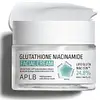 Key Ingredients
Benefits
Concerns
Ingredients Side-by-side
Water
Skin ConditioningCentella Asiatica Extract 22.7%
Cleansing



Glycerin
Humectant


Cetyl Ethylhexanoate
EmollientButylene Glycol
Humectant
Polyglyceryl-3 Methylglucose Distearate
Emulsifying
Niacinamide
Smoothing




Stearic Acid
Cleansing
Sodium Polyacryloyldimethyl Taurate
Emulsion StabilisingSilica
Abrasive


Sodium Hyaluronate
Humectant
Glyceryl Stearate
Emollient
Beeswax
Emulsion Stabilising
Butyrospermum Parkii Butter
Skin Conditioning
Macadamia Ternifolia Seed Oil
Emollient
Hydrogenated Polydecene
EmollientBetaine
Humectant
Glutathione
Trehalose
Humectant
Adenosine
Skin Conditioning
Citric Acid
Buffering

Trideceth-10
CleansingDisodium EDTA
Sodium Citrate
BufferingCaprylic/Capric Triglyceride
Masking
Hydrogenated Lecithin
Emulsifying
Cholesterol
Emollient
Xanthan Gum
EmulsifyingNelumbo Nucifera Extract
Skin ConditioningArtemisia Annua Extract
MaskingOryza Sativa Extract
Absorbent
Saccharomyces Ferment
Skin Conditioning
Solanum Melongena Fruit Extract
Skin ConditioningMelaleuca Alternifolia Leaf Extract
Perfuming
Hydrolyzed Collagen
Emollient
Squalane
Emollient
Beta-Glucan
Skin Conditioning
Dipropylene Glycol
HumectantHippophae Rhamnoides Fruit Extract
Skin Conditioning
Madecassic Acid
Skin Conditioning
Asiaticoside
Antioxidant
Asiatic Acid
Skin ConditioningPropanediol
Solvent
Hydroxyacetophenone
Antioxidant
1,2-Hexanediol
Skin Conditioning
Ethylhexylglycerin
Skin ConditioningDipotassium Glycyrrhizate
Humectant
Water, Centella Asiatica Extract 22.7%, Glycerin, Cetyl Ethylhexanoate, Butylene Glycol, Polyglyceryl-3 Methylglucose Distearate, Niacinamide, Stearic Acid, Sodium Polyacryloyldimethyl Taurate, Silica, Sodium Hyaluronate, Glyceryl Stearate, Beeswax, Butyrospermum Parkii Butter, Macadamia Ternifolia Seed Oil, Hydrogenated Polydecene, Betaine, Glutathione, Trehalose, Adenosine, Citric Acid, Trideceth-10, Disodium EDTA, Sodium Citrate, Caprylic/Capric Triglyceride, Hydrogenated Lecithin, Cholesterol, Xanthan Gum, Nelumbo Nucifera Extract, Artemisia Annua Extract, Oryza Sativa Extract, Saccharomyces Ferment, Solanum Melongena Fruit Extract, Melaleuca Alternifolia Leaf Extract, Hydrolyzed Collagen, Squalane, Beta-Glucan, Dipropylene Glycol, Hippophae Rhamnoides Fruit Extract, Madecassic Acid, Asiaticoside, Asiatic Acid, Propanediol, Hydroxyacetophenone, 1,2-Hexanediol, Ethylhexylglycerin, Dipotassium Glycyrrhizate
Water
Skin ConditioningCaprylic/Capric Triglyceride
Masking
C13-15 Alkane
SolventTranexamic Acid
Astringent
Glycerin
Humectant
Alpha-Arbutin
Antioxidant
Pentylene Glycol
Skin ConditioningTocopheryl Acetate
Antioxidant
Palmaria Palmata Extract
Skin ProtectingHydrolyzed Pea
Skin ConditioningAsparagopsis Armata Extract
Skin ProtectingAscophyllum Nodosum Extract
Skin ConditioningGlycyrrhiza Glabra Root Extract
Bleaching
Pancratium Maritimum Extract
BleachingGanoderma Lucidum Extract
Skin ProtectingLentinus Edodes Extract
Skin ConditioningLactobacillus Ferment
Skin Conditioning
Hydrolyzed Pea Protein
EmollientDiacetyl Boldine
Skin ConditioningDipotassium Glycyrrhizate
Humectant
Lactobacillus
Skin ConditioningBisabolol
Masking
Panthenol
Skin Conditioning
Tocopherol
Antioxidant
Glucose
Humectant
Arginine/Lysine Polypeptide
Skin Conditioning
Pentapeptide-34 Trifluoroacetate
Emollient
C14-22 Alcohols
Emulsion StabilisingXanthan Gum
EmulsifyingHydrogenated Starch Hydrolysate
HumectantHydroxyacetophenone
Antioxidant
Sorbitan Caprylate
Emulsifying1,2-Hexanediol
Skin Conditioning
Caprylyl Glycol
Emollient
C12-20 Alkyl Glucoside
EmulsifyingPropanediol
Solvent
Carbomer
Emulsion StabilisingSodium Phytate
Butylene Glycol
Humectant
Sodium Chloride
Masking
Sodium Succinate
BufferingSorbic Acid
Preservative
Sodium Benzoate
Masking
Potassium Sorbate
Preservative
Phenoxyethanol
Preservative
Water, Caprylic/Capric Triglyceride, C13-15 Alkane, Tranexamic Acid, Glycerin, Alpha-Arbutin, Pentylene Glycol, Tocopheryl Acetate, Palmaria Palmata Extract, Hydrolyzed Pea, Asparagopsis Armata Extract, Ascophyllum Nodosum Extract, Glycyrrhiza Glabra Root Extract, Pancratium Maritimum Extract, Ganoderma Lucidum Extract, Lentinus Edodes Extract, Lactobacillus Ferment, Hydrolyzed Pea Protein, Diacetyl Boldine, Dipotassium Glycyrrhizate, Lactobacillus, Bisabolol, Panthenol, Tocopherol, Glucose, Arginine/Lysine Polypeptide, Pentapeptide-34 Trifluoroacetate, C14-22 Alcohols, Xanthan Gum, Hydrogenated Starch Hydrolysate, Hydroxyacetophenone, Sorbitan Caprylate, 1,2-Hexanediol, Caprylyl Glycol, C12-20 Alkyl Glucoside, Propanediol, Carbomer, Sodium Phytate, Butylene Glycol, Sodium Chloride, Sodium Succinate, Sorbic Acid, Sodium Benzoate, Potassium Sorbate, Phenoxyethanol
Reviews
Ingredients Explained
These ingredients are found in both products.
Ingredients higher up in an ingredient list are typically present in a larger amount.
1,2-Hexanediol is a synthetic liquid and another multi-functional powerhouse.
It is a:
- Humectant, drawing moisture into the skin
- Emollient, helping to soften skin
- Solvent, dispersing and stabilizing formulas
- Preservative booster, enhancing the antimicrobial activity of other preservatives
Butylene Glycol (or BG) is used within cosmetic products for a few different reasons:
Overall, Butylene Glycol is a safe and well-rounded ingredient that works well with other ingredients.
Though this ingredient works well with most skin types, some people with sensitive skin may experience a reaction such as allergic rashes, closed comedones, or itchiness.
Learn more about Butylene GlycolThis ingredient is an emollient, solvent, and texture enhancer. It is considered a skin-softener by helping the skin prevent moisture loss.
It helps thicken a product's formula and makes it easier to spread by dissolving clumping compounds.
Caprylic Triglyceride is made by combining glycerin with coconut oil, forming a clear liquid.
While there is an assumption Caprylic Triglyceride can clog pores due to it being derived from coconut oil, there is no research supporting this.
Learn more about Caprylic/Capric TriglycerideDipotassium Glycyrrhizate comes from licorice root.
Extracts of licorice have demonstrated to have antibacterial, anti‐inflammatory, antiviral, antioxidant properties.
One component, glabridin, has extra potent antioxidant and soothing properties. It has also been found to block pigmentation from UVB rays in guinea pigs.
Licorice Root also contains a flavonoid. Flavonoids are a natural substance from in plants. Flavonoids also have antioxidant properties.
Another component, glycyrrhizin, has been found to have anti-inflammatory and antimicrobial benefits. This may make licorice root extract effective at treating acne. However, more research is needed to support this.
Liquiritin is one of the flavone compounds found in licorice. It has been found to help lighten skin by preventing tyrosinase from reacting with tyrosine. When the two react, protein is converted to melanin. Melanin is the substance in your body that gives your features pigmentation.
Licorice root is native to Southern Europe and Asia. It has been used in traditional Chinese medicine to help with respiratory issues.
Learn more about Dipotassium GlycyrrhizateGlycerin is already naturally found in your skin. It helps moisturize and protect your skin.
A study from 2016 found glycerin to be more effective as a humectant than AHAs and hyaluronic acid.
As a humectant, it helps the skin stay hydrated by pulling moisture to your skin. The low molecular weight of glycerin allows it to pull moisture into the deeper layers of your skin.
Hydrated skin improves your skin barrier; Your skin barrier helps protect against irritants and bacteria.
Glycerin has also been found to have antimicrobial and antiviral properties. Due to these properties, glycerin is often used in wound and burn treatments.
In cosmetics, glycerin is usually derived from plants such as soybean or palm. However, it can also be sourced from animals, such as tallow or animal fat.
This ingredient is organic, colorless, odorless, and non-toxic.
Glycerin is the name for this ingredient in American English. British English uses Glycerol/Glycerine.
Learn more about GlycerinHydroxyacetophenone is antioxidant with skin conditioning and soothing properties. It also boosts the efficiency of preservatives.
This ingredient is not irritating or sensitizing.
Propanediol is an all-star ingredient. It softens, hydrates, and smooths the skin.
It’s often used to:
Propanediol is not likely to cause sensitivity and considered safe to use. It is derived from corn or petroleum with a clear color and no scent.
Learn more about PropanediolWater. It's the most common cosmetic ingredient of all. You'll usually see it at the top of ingredient lists, meaning that it makes up the largest part of the product.
So why is it so popular? Water most often acts as a solvent - this means that it helps dissolve other ingredients into the formulation.
You'll also recognize water as that liquid we all need to stay alive. If you see this, drink a glass of water. Stay hydrated!
Learn more about WaterXanthan gum is used as a stabilizer and thickener within cosmetic products. It helps give products a sticky, thick feeling - preventing them from being too runny.
On the technical side of things, xanthan gum is a polysaccharide - a combination consisting of multiple sugar molecules bonded together.
Xanthan gum is a pretty common and great ingredient. It is a natural, non-toxic, non-irritating ingredient that is also commonly used in food products.
Learn more about Xanthan Gum
