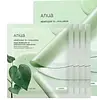
This calming sheet mask is formulated around Allantoin to calm redness and hydrate skin.
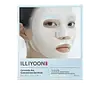
This barrier-repair sheet mask is formulated around Panthenol and Ceramide NP to strengthen the skin barrier and hydrate skin.

What's inside
What's inside
 Key Ingredients
Benefits
Concerns
Ingredients Side-by-side
Houttuynia Cordata Flower/Leaf/Stem Water
Antimicrobial
Water
Skin ConditioningButylene Glycol
Humectant

Glycerin
Humectant
Hydrogenated Polydecene
Emollient1,2-Hexanediol
Skin Conditioning
Acrylates Copolymer
Ceratonia Siliqua Gum
EmollientXanthan Gum
EmulsifyingCarrageenan



Hydroxyacetophenone
Antioxidant
Sucrose
Humectant
Allantoin
Skin Conditioning

Potassium Chloride
Cellulose Gum
Emulsion StabilisingSodium Polyacrylate
Absorbent
Dipotassium Glycyrrhizate
Humectant
Aloe Barbadensis Leaf Extract
Emollient
Gellan Gum
Caprylyl Glycol
Emollient
Adenosine
Skin Conditioning
Propanediol
Solvent
Ethylhexylglycerin
Skin ConditioningMenthoxypropanediol
Masking

Menthyl Lactate
Masking
Sodium Phytate
ChelatingSoluble Collagen
Humectant
Sodium Hyaluronate
Humectant
Houttuynia Cordata Extract
Skin Conditioning
Cryptomeria Japonica Leaf Extract
HumectantNelumbo Nucifera Leaf Extract
Skin ConditioningSaccharomyces Ferment
Skin Conditioning
Hyaluronic Acid
Humectant
Hydrolyzed Hyaluronic Acid
Humectant
Chromium Oxide Greens
Houttuynia Cordata Flower/Leaf/Stem Water, Water, Butylene Glycol, Glycerin, Hydrogenated Polydecene, 1,2-Hexanediol, Acrylates Copolymer, Ceratonia Siliqua Gum, Xanthan Gum, Carrageenan, Hydroxyacetophenone, Sucrose, Allantoin, Potassium Chloride, Cellulose Gum, Sodium Polyacrylate, Dipotassium Glycyrrhizate, Aloe Barbadensis Leaf Extract, Gellan Gum, Caprylyl Glycol, Adenosine, Propanediol, Ethylhexylglycerin, Menthoxypropanediol, Menthyl Lactate, Sodium Phytate, Soluble Collagen, Sodium Hyaluronate, Houttuynia Cordata Extract, Cryptomeria Japonica Leaf Extract, Nelumbo Nucifera Leaf Extract, Saccharomyces Ferment, Hyaluronic Acid, Hydrolyzed Hyaluronic Acid, Chromium Oxide Greens
Water
Skin ConditioningGlycerin
Humectant
Dipropylene Glycol
HumectantCetyl Ethylhexanoate
Emollient1,2-Hexanediol
Skin Conditioning
Panthenol
Skin Conditioning
Trehalose
Humectant
Erythritol
Humectant
Ceratonia Siliqua Gum
EmollientCarrageenan
Chondrus Crispus Extract
Skin Conditioning
Butyrospermum Parkii Butter
Skin Conditioning
Caprylic/Capric Triglyceride
Masking
Ethylhexyl Olivate
Skin Conditioning
Xanthan Gum
EmulsifyingCellulose Gum
Emulsion StabilisingPotassium Chloride
Polyacrylate-13
Glyceryl Stearate
Emollient
Sodium Acrylates Copolymer
Sucrose
Humectant
Polyglyceryl-4 Oleate
Emulsifying
Ethylhexylglycerin
Skin ConditioningHydrogenated Polyisobutene
EmollientSodium Phytate
ChelatingButylene Glycol
Humectant
Sclerotium Gum
Emulsion StabilisingSqualane
Emollient
Hydrogenated Polydecene
EmollientHydrogenated Lecithin
Emulsifying
Olea Europaea Fruit Oil
Masking

Glyceryl Acrylate/Acrylic Acid Copolymer
HumectantPyrus Communis Fruit Extract
Skin ConditioningPolyglyceryl-10 Laurate
Skin Conditioning
Agar
MaskingEthylhexyl Palmitate
Emollient
Polyglyceryl-3 Methylglucose Distearate
Emulsifying
Pvm/Ma Copolymer
Emulsion StabilisingGellan Gum
Rosa Damascena Flower Water
Masking
Sorbitan Isostearate
Emulsifying
Iris Florentina Root Extract
MaskingCucumis Melo Fruit Extract
Skin ConditioningHedera Helix Leaf/Stem Extract
AntimicrobialMelia Azadirachta Leaf Extract
Skin ConditioningMelia Azadirachta Flower Extract
Skin ConditioningCoccinia Indica Fruit Extract
Skin Conditioning
Solanum Melongena Fruit Extract
Skin ConditioningSodium Ascorbyl Phosphate
Antioxidant



Glycine Soja Oil
Emollient
Simmondsia Chinensis Seed Oil
Emollient
Sodium Hyaluronate
Humectant
Ceramide NP
Skin Conditioning
Centella Asiatica Leaf Extract
Skin Conditioning
Corallina Officinalis Extract
Skin Conditioning
Curcuma Longa Root Extract
Antioxidant
Ocimum Sanctum Leaf Extract
Skin ConditioningHyaluronic Acid
Humectant
Tocopherol
Antioxidant
Phytosphingosine
Skin Conditioning
Soluble Collagen
Humectant
Madecassoside
Antioxidant
Water, Glycerin, Dipropylene Glycol, Cetyl Ethylhexanoate, 1,2-Hexanediol, Panthenol, Trehalose, Erythritol, Ceratonia Siliqua Gum, Carrageenan, Chondrus Crispus Extract, Butyrospermum Parkii Butter, Caprylic/Capric Triglyceride, Ethylhexyl Olivate, Xanthan Gum, Cellulose Gum, Potassium Chloride, Polyacrylate-13, Glyceryl Stearate, Sodium Acrylates Copolymer, Sucrose, Polyglyceryl-4 Oleate, Ethylhexylglycerin, Hydrogenated Polyisobutene, Sodium Phytate, Butylene Glycol, Sclerotium Gum, Squalane, Hydrogenated Polydecene, Hydrogenated Lecithin, Olea Europaea Fruit Oil, Glyceryl Acrylate/Acrylic Acid Copolymer, Pyrus Communis Fruit Extract, Polyglyceryl-10 Laurate, Agar, Ethylhexyl Palmitate, Polyglyceryl-3 Methylglucose Distearate, Pvm/Ma Copolymer, Gellan Gum, Rosa Damascena Flower Water, Sorbitan Isostearate, Iris Florentina Root Extract, Cucumis Melo Fruit Extract, Hedera Helix Leaf/Stem Extract, Melia Azadirachta Leaf Extract, Melia Azadirachta Flower Extract, Coccinia Indica Fruit Extract, Solanum Melongena Fruit Extract, Sodium Ascorbyl Phosphate, Glycine Soja Oil, Simmondsia Chinensis Seed Oil, Sodium Hyaluronate, Ceramide NP, Centella Asiatica Leaf Extract, Corallina Officinalis Extract, Curcuma Longa Root Extract, Ocimum Sanctum Leaf Extract, Hyaluronic Acid, Tocopherol, Phytosphingosine, Soluble Collagen, Madecassoside
Reviews
Ingredients Explained
These ingredients are found in both products.
Ingredients higher up in an ingredient list are typically present in a larger amount.
1,2-Hexanediol is a synthetic liquid and another multi-functional powerhouse.
It is a:
- Humectant, drawing moisture into the skin
- Emollient, helping to soften skin
- Solvent, dispersing and stabilizing formulas
- Preservative booster, enhancing the antimicrobial activity of other preservatives
Butylene Glycol (or BG) is used within cosmetic products for a few different reasons:
Overall, Butylene Glycol is a safe and well-rounded ingredient that works well with other ingredients.
Though this ingredient works well with most skin types, some people with sensitive skin may experience a reaction such as allergic rashes, closed comedones, or itchiness.
Learn more about Butylene GlycolCarrageenan is a gel-forming sugar chain pulled out of red seaweed. In skincare, it's a texture ingredient rather than an active that:
Formulators typically use it around 0.1-2% but go up to 5% in thick gel masks or toothpaste-style products.
It's a very large molecule that doesn't meaningfully get through intact skin and the CIR Expert Panel has concluded it's safe at current use levels.
True allergy is rare and there are only two published cases from internal/mucosal exposure rather than anything topical. Most of the scary internet content about Carrageenan is actually about poligeenan (also called "degraded carrageenan").
Poligeenan is a deliberately acid-broken down version that isn't food or cosmetic grade.
Learn more about CarrageenanCellulose Gum is a water-soluble polymer that comes from cellulose. It is used to change the texture of a product and to help stabilize emulsions.
As an emulsifier, cellulose gum specifically thicken the texture of water-based products.
This ingredient is considered hypoallergenic and non-toxic. Cellulose Gum can be found in cosmetics, food, and other household goods such as paper products.
Learn more about Cellulose GumCeratonia Siliqua Gum is extracted from the seeds of the carob tree. You might know this ingredient as Carob Gum or Locust Bean Gum. It is used to stabilize other ingredients and improve the texture of products.
Carob gum is made up of long-chain polysaccharides. This makes it a natural thickener.
Yes! This ingredient comes from the seeds of a tree. The name 'Locust Bean Gum' can be misleading.
Learn more about Ceratonia Siliqua GumEthylhexylglycerin is created from glycerin. It is a multitasker ingredient that:
The CIR Expert Panel found minimal skin absorption or sensitization of any kind in a safety assessment. Though this ingredient is considered well-tolerated, a small number of cases of allergic dermatitis have been published since 2002. Just be sure to patch test if you are unsure.
Industry-reported use ranges from 8% in rinse-off products and 2% in leave-on formulations.
Learn more about EthylhexylglycerinGellan Gum is a high-molecular weight heteropolysaccharide gum. It is created by the process of pure-culture fermentation with the bacterium Pseudomonas elodea.
Gellan Gum is used to stabilize products. This helps improve the texture, consistency, and shelf life.
Glycerin (or glycerol) is a compound naturally found in your skin. It's a powerhouse humectant that pulls water into the stratum corneum.
Topically, glycerin does several things at once:
Your skin makes glycerin on its own (mostly from sebaceous oil breakdown) and shuttles it to your outermost layer of skin, or your epidermis, via aquaporin-3.
Aquaporin-3 is a transporter that is essential for normal skin hydration, elasticity, and repair. Interestingly, mice lacking in AQP3 have dry and less elastic skin that can be fully corrected with glycerin.
This ingredient is non-irritating, plays well with almost every ingredient, and works across all skin types. Typical use is anywhere between 3-10% but can go up to 79% in some leave-on products.
Just know very high concentrations (>40%) can feel tacky in low humidity.
Glycerin is the name for this ingredient in American English. British English uses Glycerol/Glycerine.
Learn more about GlycerinHyaluronic acid (HA) is a glycosaminoglycan (basically a long sugar chain) that your skin already makes on its own. In your skin, HA lives in the extracellular matrix and acts as the body's moisture reservoir.
Topically, HA is a humectant that binds water and helps skin look more plump, smooth, and hydrated.
The only catch is that HA isn't a single thing; it actually comes in a wide range of molecular weights (~50 - 2,000+ kDA) and size matters.
Some clinical evidence links low molecular weight versions to improved wrinkle depth, elasticity, anti-inflammatory effects, and barrier repair.
This is why the best HA serums blend the two sizes together so you get the best of both worlds.
The majority of cosmetic HA is produced by bacterial fermentation, typically using Streptococcus or Bacillus strains. Typical use levels in skincare sit around 0.1-2%.
A clinical study using a 0.2% low-molecular weight HA gel showed improvement in facial seborrheic dermatitis with excellent tolerance.
These are some other common types of Hyaluronic Acid:
Learn more about Hyaluronic AcidHydrogenated Polydecene is a synthetic emollient. It forms a non-occlusive film on the skin's surface to provide a silky feel without being greasy.
In vivo studies in volunteers with atopic and dry skin showed no irritation or intolerance. The volunteers also saw a positive effect in dryness, scaling, and roughness after 28 days of use.
Concentrations up to 100% in guinea pig tests found it to be non-sensitizing and completely safe for use in cosmetics.
Learn more about Hydrogenated PolydeceneWe don't have a description for Potassium Chloride yet.
Sodium Hyaluronate is the salt form of hyaluronic acid. It is a long sugar chain that is naturally found in your skin, joints, and connective tissue that maintains hydration and elasticity.
In skincare, it works as a humectant. It pulls water from the environment and deeper layers of skin and binds it to the surface.
Interestingly, the size of the molecule affects its behavior:
Some clinical evidence links low molecular weight versions to improved wrinkle depth, elasticity, anti-inflammatory effects, and barrier repair.
Many serums use a blend of both weights so you can get surface hydration plus longer-lasting and deeper effects.
You'll typically see concentrations between 0.1-2% for this ingredient.
Learn more about Sodium HyaluronateSodium Phytate is the sodium salt of Phytic acid, a compound that plants store phosphorus in. It's the plant-derived alternative to ingredients like Disodium EDTA.
In skincare, this ingredient is a chelator that grabs onto trace metal ions like iron and copper that sneak into formulas through water/raw materials.
Those metals speed up oxidation so binding them keeps oils, fragrance, and actives from going off, stops color changes, and helps the preservative system work harder.
Survey data shows usage levels range from 0.0099%-0.5% in leave-on products, 0.025%-0.3% in rinse-off, and up to 0.05% in eye-area products. Suppliers typically recommend a range between 0.05-0.5%.
Learn more about Sodium PhytateSoluble collagen is a large, water-loving protein typically extracted from cattle hides or marine sources like fish skin.
In cosmetics, it works purely as a humectant and film-former.
Despite the marketing that surrounds the word "collagen", its molecule is far too large to penetrate skin so it can't rebuild the collagen in your dermis.
Instead, it sits on the surface and binds water to help reduce transepidermal water loss and leave skin feeling soft, plump, and temporarily tightened.
Suppliers commonly recommend using it around 3-6% though industry data shows concentrations are often much lower (down to a fraction of a percent).
This ingredient has been found safe to use in cosmetics with no reported irritation, sensitization, or phototoxicity.
Learn more about Soluble CollagenSucrose is a natural sugar found in fruits, vegetables, and nuts. It is the main constituent of white sugar.
In skincare, sucrose is a humectant and can be a mild exfoliant.
Sucrose is hydrophilic, meaning it attracts water. This makes it an effective humectant and helps hydrate the skin.
Studies show sugars may worsen acne-prone skin due to it disrupting the skin's natural biome. We recommend speaking with a professional if you have any concerns.
In some products such as body scrubs, sucrose is used as an gentle exfoliant.
The term 'sucrose' comes from the french word for sugar, 'sucre'.
Learn more about SucroseWater. It's the most common cosmetic ingredient of all. You'll usually see it at the top of ingredient lists, meaning that it makes up the largest part of the product.
So why is it so popular? Water most often acts as a solvent - this means that it helps dissolve other ingredients into the formulation.
You'll also recognize water as that liquid we all need to stay alive. If you see this, drink a glass of water. Remember to stay hydrated!
Learn more about WaterXanthan gum is used as a stabilizer and thickener within cosmetic products. It helps give products a sticky, thick feeling - preventing them from being too runny.
On the technical side of things, xanthan gum is a polysaccharide - a combination consisting of multiple sugar molecules bonded together.
Xanthan gum is a pretty common and great ingredient. It is a natural, non-toxic, non-irritating ingredient that is also commonly used in food products.
Learn more about Xanthan Gum

