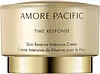
This anti-aging moisturizer is formulated around Niacinamide and Adenosine to soften the look of wrinkles.
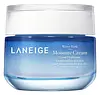
This barrier-repair moisturizer is formulated around Saccharide Isomerate and Hydrogenated Lecithin to strengthen the skin barrier and hydrate skin.

What's inside
What's inside
 Key Ingredients
Benefits
Concerns
Ingredients Side-by-side
Camellia Sinensis Leaf Water
Masking
Butylene Glycol
Humectant

Glycerin
Humectant
Water
Skin ConditioningCetyl Ethylhexanoate
EmollientButylene Glycol Dicaprylate/Dicaprate
EmollientCaprylic/Capric Triglyceride
Masking
Dimethicone
Emollient
Polyglyceryl-3 Methylglucose Distearate
Emulsifying

Behenyl Alcohol
Emollient
Glyceryl Stearate
Emollient
1,2-Hexanediol
Skin Conditioning
Propanediol
Solvent
Hydroxyethyl Acrylate/Sodium Acryloyldimethyl Taurate Copolymer
Emulsion StabilisingPolyglyceryl-10 Stearate
Skin Conditioning
Cetyl Alcohol
Emollient
Niacinamide
Smoothing









PEG-100 Stearate
Surfactant
Parfum
Masking


Caffeine
Skin Conditioning
Dipotassium Glycyrrhizate
Humectant
Glyceryl Caprylate
EmollientDipalmitoyl Hydroxyproline
Skin Conditioning
Sorbitan Isostearate
Emulsifying
Polysorbate 60
Emulsifying
Disodium EDTA
Adenosine
Skin Conditioning
Ethylhexylglycerin
Skin ConditioningBeta-Glucan
Skin Conditioning
Palmitic Acid
Emollient

Natto Gum
Glycine Soja Seed Extract
Skin Conditioning
Butylphenyl Methylpropional
Perfuming
Camellia Sinensis Leaf Extract
Antimicrobial
Limonene
Perfuming
Geraniol
Perfuming
Dextrin
AbsorbentTheobroma Cacao Extract
Skin ConditioningCitronellol
Perfuming
Alpha-Isomethyl Ionone
Perfuming
Linalool
Perfuming
Phenoxyethanol
Preservative
Panax Ginseng Root Extract
Emollient
Hydroxycitronellal
Perfuming
Poloxamer 235
EmulsifyingBetaine
Humectant
Epigallocatechin Gallate
Antioxidant
Ethoxydiglycol
HumectantTocophersolan
Antioxidant
Poloxamer 338
EmulsifyingGlucose
Humectant
Magnolia Obovata Bark Extract
Skin ConditioningCaprylyl Glycol
Emollient
Camellia Sinensis Leaf Water, Butylene Glycol, Glycerin, Water, Cetyl Ethylhexanoate, Butylene Glycol Dicaprylate/Dicaprate, Caprylic/Capric Triglyceride, Dimethicone, Polyglyceryl-3 Methylglucose Distearate, Behenyl Alcohol, Glyceryl Stearate, 1,2-Hexanediol, Propanediol, Hydroxyethyl Acrylate/Sodium Acryloyldimethyl Taurate Copolymer, Polyglyceryl-10 Stearate, Cetyl Alcohol, Niacinamide, PEG-100 Stearate, Parfum, Caffeine, Dipotassium Glycyrrhizate, Glyceryl Caprylate, Dipalmitoyl Hydroxyproline, Sorbitan Isostearate, Polysorbate 60, Disodium EDTA, Adenosine, Ethylhexylglycerin, Beta-Glucan, Palmitic Acid, Natto Gum, Glycine Soja Seed Extract, Butylphenyl Methylpropional, Camellia Sinensis Leaf Extract, Limonene, Geraniol, Dextrin, Theobroma Cacao Extract, Citronellol, Alpha-Isomethyl Ionone, Linalool, Phenoxyethanol, Panax Ginseng Root Extract, Hydroxycitronellal, Poloxamer 235, Betaine, Epigallocatechin Gallate, Ethoxydiglycol, Tocophersolan, Poloxamer 338, Glucose, Magnolia Obovata Bark Extract, Caprylyl Glycol
Water
Skin ConditioningPropanediol
Solvent
Glycerin
Humectant
Methyl Trimethicone
Skin Conditioning
Phenyl Trimethicone
Skin Conditioning
Caprylyl Methicone
Skin Conditioning
1,2-Hexanediol
Skin Conditioning
Dicaprylyl Carbonate
EmollientMaris Aqua
HumectantSaccharide Isomerate
Humectant
Hydrogenated Lecithin
Emulsifying
Ammonium Acryloyldimethyltaurate/Vp Copolymer
Hydrogenated Polyisobutene
EmollientHydroxyethyl Acrylate/Sodium Acryloyldimethyl Taurate Copolymer
Emulsion StabilisingCetearyl Alcohol
Emollient
Butylene Glycol
Humectant
Parfum
Masking
Glyceryl Caprylate
EmollientGlyceryl Stearate
Emollient
Stearic Acid
Cleansing
Ethylhexylglycerin
Skin ConditioningDisodium EDTA
Acrylates/C10-30 Alkyl Acrylate Crosspolymer
Emulsion StabilisingTromethamine
BufferingSorbitan Isostearate
Emulsifying
Polyglyceryl-3 Methylglucose Distearate
Emulsifying
Hyaluronic Acid
Humectant
Magnesium Sulfate
Calcium Chloride
AstringentLinalool
Perfuming
Sodium Citrate
BufferingCitric Acid
Buffering
Hexyl Cinnamal
Perfuming
Benzyl Salicylate
Perfuming
Butylphenyl Methylpropional
Perfuming
Limonene
Perfuming
Beta Vulgaris Root Extract
Skin ConditioningGeraniol
Perfuming
Citronellol
Perfuming
Alpha-Isomethyl Ionone
Perfuming
Manganese Sulfate
Skin ConditioningChenopodium Quinoa Seed Extract
Skin Conditioning
Tocopherol
Antioxidant
Zinc Sulfate
Antimicrobial
Lecithin
Emollient
Brassica Oleracea Acephala Leaf Extract
HumectantNasturtium Officinale Extract
Perfuming
Glycine Soja Oil
Emollient
Lepidium Sativum Sprout Extract
Skin ConditioningAscorbyl Glucoside
Antioxidant
Water, Propanediol, Glycerin, Methyl Trimethicone, Phenyl Trimethicone, Caprylyl Methicone, 1,2-Hexanediol, Dicaprylyl Carbonate, Maris Aqua, Saccharide Isomerate, Hydrogenated Lecithin, Ammonium Acryloyldimethyltaurate/Vp Copolymer, Hydrogenated Polyisobutene, Hydroxyethyl Acrylate/Sodium Acryloyldimethyl Taurate Copolymer, Cetearyl Alcohol, Butylene Glycol, Parfum, Glyceryl Caprylate, Glyceryl Stearate, Stearic Acid, Ethylhexylglycerin, Disodium EDTA, Acrylates/C10-30 Alkyl Acrylate Crosspolymer, Tromethamine, Sorbitan Isostearate, Polyglyceryl-3 Methylglucose Distearate, Hyaluronic Acid, Magnesium Sulfate, Calcium Chloride, Linalool, Sodium Citrate, Citric Acid, Hexyl Cinnamal, Benzyl Salicylate, Butylphenyl Methylpropional, Limonene, Beta Vulgaris Root Extract, Geraniol, Citronellol, Alpha-Isomethyl Ionone, Manganese Sulfate, Chenopodium Quinoa Seed Extract, Tocopherol, Zinc Sulfate, Lecithin, Brassica Oleracea Acephala Leaf Extract, Nasturtium Officinale Extract, Glycine Soja Oil, Lepidium Sativum Sprout Extract, Ascorbyl Glucoside
Reviews
Ingredients Explained
These ingredients are found in both products.
Ingredients higher up in an ingredient list are typically present in a larger amount.
1,2-Hexanediol is a synthetic liquid and another multi-functional powerhouse.
It is a:
- Humectant, drawing moisture into the skin
- Emollient, helping to soften skin
- Solvent, dispersing and stabilizing formulas
- Preservative booster, enhancing the antimicrobial activity of other preservatives
Alpha-Isomethyl Ionone is a fragrance. It can be synthetically created or naturally occurring.
The scent of Alpha-Isomethyl Ionone is described as "flowery" but can also be "woody".
Naturally occurring Alpha-Isomethyl Ionone may be found in Saccharomyces cerevisiae, or the yeast used to make wine and bread.
The term 'fragrance' is not regulated in many countries. In many cases, it is up to the brand to define this term. For instance, many brands choose to label themselves as "fragrance-free" because they are not using synthetic fragrances. However, their products may still contain ingredients such as essential oils that are considered a fragrance.
Learn more about Alpha-Isomethyl IononeButylene Glycol (or BG) is used within cosmetic products for a few different reasons:
Overall, Butylene Glycol is a safe and well-rounded ingredient that works well with other ingredients.
Though this ingredient works well with most skin types, some people with sensitive skin may experience a reaction such as allergic rashes, closed comedones, or itchiness.
Learn more about Butylene GlycolButylphenyl Methylpropional is a synthetic fragrance. You might know it as "lilial". The scent of this ingredient is floral-like and similar to the scent of lily flowers.
In March of 2022, the EU banned this ingredient in both rinse-off and leave-on products. This is because research found Butylphenyl Methylpropional to disrupt fertility in rats.
This ingredient is also a known EU allergen, meaning it is likely to cause an allergic reaction. Irritated skin can be damaging.
We always recommend speaking with a professional if you have any concerns or questions about this ingredient.
Learn more about Butylphenyl MethylpropionalCitronellol is used to add fragrance/parfum to a product. It is often derived from plants such as roses. In fact, it can be found in many essential oils including geranium, lavender, neroli, and more. The scent of Citronellol is often described as "fresh, grassy, and citrus-like".
Since the Citronellol molecule is already unstable, Citronellol becomes irritating on the skin when exposed to air.
Citronellol is a modified terpene. Terpenes are unsaturated hydrocarbons found in plants. They make up the primary part of essential oils.
Citronellol is not able to be absorbed into deeper layers of the skin. It has low permeability,
Citronellol is also a natural insect repellent.
Learn more about CitronellolDisodium EDTA is a chelating agent. It grabs onto and deactivates metal ions that sneak into your products from water, packaging, or air.
This ingredient mainly works behind the scenes and helps with:
On top of that, this ingredient can counteract the effects of hard water by binding to the minerals in it.
One thing worth knowing is that Disodium EDTA has been shown to be a mild penetration enhancer. It can help other ingredients absorb into skin more effectively which can be a double-edged sword (great for actives, but can also make the active too strong if you have sensitive skin).
Clinical patch testing showed no significant skin irritation at typical use concentrations and minimal dermal absorption.
You'll most likely see this ingredient near the end of an ingredient list. It's typically found in concentrations less than 1%.
Learn more about Disodium EDTAEthylhexylglycerin is created from glycerin. It is a multitasker ingredient that:
The CIR Expert Panel found minimal skin absorption or sensitization of any kind in a safety assessment. Though this ingredient is considered well-tolerated, a small number of cases of allergic dermatitis have been published since 2002. Just be sure to patch test if you are unsure.
Industry-reported use ranges from 8% in rinse-off products and 2% in leave-on formulations.
Learn more about EthylhexylglycerinGeraniol is used to add fragrance/parfum to a product. It is the main component of citronellol. It is a monoterpenoid and an alcohol.
Monoterpenes are naturally found in many parts of different plants.
Geraniol can be found in many essential oils including Rose Oil and Citronella Oil. The scent of Geraniol is often described as "rose-like". Many foods also contain Geraniol for fruit flavoring.
Geraniol can irritate the skin when exposed to air. However, irritation depends on the ability of geraniol to penetrate into the skin. In general, geraniol is not able to penetrate skin easily.
Geraniol is colorless and has low water-solubility. However, it is soluble in common organic solvents.
Like citronellol, it is a natural insect repellent.
2,6-Octadien-1-ol, 3,7-dimethyl-, (2E)-
Learn more about GeraniolGlycerin (or glycerol) is a compound naturally found in your skin. It's a powerhouse humectant that pulls water into the stratum corneum.
Topically, glycerin does several things at once:
Your skin makes glycerin on its own (mostly from sebaceous oil breakdown) and shuttles it to your outermost layer of skin, or your epidermis, via aquaporin-3.
Aquaporin-3 is a transporter that is essential for normal skin hydration, elasticity, and repair. Interestingly, mice lacking in AQP3 have dry and less elastic skin that can be fully corrected with glycerin.
This ingredient is non-irritating, plays well with almost every ingredient, and works across all skin types. Typical use is anywhere between 3-10% but can go up to 79% in some leave-on products.
Just know very high concentrations (>40%) can feel tacky in low humidity.
Glycerin is the name for this ingredient in American English. British English uses Glycerol/Glycerine.
Learn more about GlycerinGlyceryl Caprylate comes from glycerin and caprylic acid. It is an emollient, co-emulsifier, and preservative booster.
Its short C8 fatty acid chain makes it behave differently from its longer-chain emollient cousins like Glyceryl Stearate. It feels more lightweight, fast-absorbing, and silky instead of rich and waxy.
As a co-emulsifier, its "head" and "tail" sit at the oil-water interface. But overall, the short C8 tail and not being water soluble means it doesn't really have the muscle to emulsify a formula on its own. That's why you'll often see it paired with a primary emulsifier like Cetearyl Glucoside.
Interestingly, Glyceryl Caprylate acts as a preservative booster. This is because its fatty-acid backbone disrupts microbial lipid membranes. It shows excellent activity against bacteria and yeast but is weaker against mold.
Typical concentrations range from 0.5-1% and this ingredient is generally non-irritating.
Because this ingredient has a C8 fatty acid chain, it is outside the range that the Malassezia yeast metabolizes (making it fungal acne safe).
Learn more about Glyceryl CaprylateGlyceryl Stearate is made by reacting glycerin with stearic acid (typically sourced from plant oils like palm or coconut). It's an emulsifier, emollient, and mild occlusive.
Emulsifiers help ingredients like oil and water stay mixed so your formula stays nicely blended and uniform in texture.
This ingredient is typically used in concentrations between 1-10%. Studies have found it to be non-sensitizing, non-phototoxic, and non-photoallergenic.
A close cousin of this ingredient is Glyceryl Stearate SE ("self-emulsifying"). This just has a small amount of sodium or potassium stearate added so it can emulsify without a co-emulsifier.
Since this ingredient is an ester of a C18 fatty acid, it may not be fungal acne safe. The Malassezia yeast can potentially metabolize within the C11-C24 range.
Fun fact: The human body also creates Glyceryl Stearate naturally.
Learn more about Glyceryl StearateThis is a synthetic polymer. It helps improve the texture of products by adding thickness and gel-like feel.
It is also an emulsifer, meaning it prevents ingredients such as oil and water from separating. It also helps evenly disperse other ingredients.
Limonene is a fragrance that adds scent and taste to a formulation.
It's found in the peel oil of citrus fruits and other plants such as lavender and eucalyptus. The scent of limonene is generally described as "sweet citrus".
Limonene acts as an antioxidant, meaning it helps neutralize free radicals.
When exposed to air, oxidized limonene may sensitize the skin. Because of this, limonene is often avoided by people with sensitive skin.
The term 'fragrance' is not regulated in many countries. In many cases, it is up to the brand to define this term. For instance, many brands choose to label themselves as "fragrance-free" because they are not using synthetic fragrances. However, their products may still contain ingredients such as essential oils that are considered a fragrance.
Learn more about LimoneneLinalool is a fragrance and helps add scent to products. It's derived from common plants such as cinnamon, mint, citrus, and lavender.
Like Limonene, this ingredient oxidizes when exposed to air. Oxidized linalool can cause allergies and skin sensitivity.
This ingredient has a scent that is floral, spicy tropical, and citrus-like.
Learn more about LinaloolParfum is a catch-all term for an ingredient or more that is used to give a scent to products.
Also called "fragrance", this ingredient can be a blend of hundreds of chemicals or plant oils. This means every product with "fragrance" or "parfum" in the ingredients list is a different mixture.
For instance, Habanolide is a proprietary trade name for a specific aroma chemical. When used as a fragrance ingredient in cosmetics, most aroma chemicals fall under the broad labeling category of “FRAGRANCE” or “PARFUM” according to EU and US regulations.
The term 'parfum' or 'fragrance' is not regulated in many countries. In many cases, it is up to the brand to define this term.
For instance, many brands choose to label themselves as "fragrance-free" because they are not using synthetic fragrances. However, their products may still contain ingredients such as essential oils that are considered a fragrance by INCI standards.
One example is Calendula flower extract. Calendula is an essential oil that still imparts a scent or 'fragrance'.
Depending on the blend, the ingredients in the mixture can cause allergies and sensitivities on the skin. Some ingredients that are known EU allergens include linalool and citronellol.
Parfum can also be used to mask or cover an unpleasant scent.
The bottom line is: not all fragrances/parfum/ingredients are created equally. If you are worried about fragrances, we recommend taking a closer look at an ingredient. And of course, we always recommend speaking with a professional.
Learn more about ParfumPolyglyceryl-3 Methylglucose Distearate is a plant-derived emulsifier whose only job is to keep the oily and watery parts of a formula blended so it doesn't separate into layers.
It's compatible with a wide-range of active ingredients and especially good at making emulsions survive heat/freeze cycles.
Typical use concentrations range from 2-3% and it works across a pH of 4.5-8.5.
This ingredient has been found safe to use in cosmetics and has a low irritation profile.
Because it's build on stearic acid, it may not be fungal acne safe. Stearic acid is a C18 fatty acid that falls within the range (C11-24) that Malassezia can feed on.
Learn more about Polyglyceryl-3 Methylglucose DistearatePropanediol is an all-star ingredient. It softens, hydrates, and smooths the skin.
It’s often used to:
Propanediol is not likely to cause sensitivity and considered safe to use. It is derived from corn or petroleum with a clear color and no scent.
Learn more about PropanediolSorbitan Isostearate is an emulsifer. It is created from isostearic acid and sorbitol.
As an emulsifier, it keeps the water and oil ingredients from separating. This keeps formulas stable and smooth.
In a 24 hour occlusive patch test on 56 subjects, 10% sorbitan isostearate was completely non-irritating. Most formulas use less than 10%.
Because it's a fatty acid ester, it may not be fungal acne safe since the Malassezia yeast can utilize it as a nutrient source.
Learn more about Sorbitan IsostearateWater. It's the most common cosmetic ingredient of all. You'll usually see it at the top of ingredient lists, meaning that it makes up the largest part of the product.
So why is it so popular? Water most often acts as a solvent - this means that it helps dissolve other ingredients into the formulation.
You'll also recognize water as that liquid we all need to stay alive. If you see this, drink a glass of water. Remember to stay hydrated!
Learn more about Water

