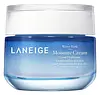
This barrier-repair moisturizer is formulated around Saccharide Isomerate and Hydrogenated Lecithin to strengthen the skin barrier and hydrate skin.
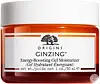
This brightening moisturizer is formulated around Niacinamide and Panax Ginseng Root Extract to brighten dull-looking skin and balance excess oil.


What's inside
What's inside
 Key Ingredients
Benefits
Concerns
Ingredients Side-by-side
Water
Skin ConditioningPropanediol
Solvent

Glycerin
Humectant
Methyl Trimethicone
Skin Conditioning
Phenyl Trimethicone
Skin Conditioning
Caprylyl Methicone
Skin Conditioning
1,2-Hexanediol
Skin Conditioning
Dicaprylyl Carbonate
EmollientMaris Aqua
HumectantSaccharide Isomerate
Humectant
Hydrogenated Lecithin
Emulsifying
Ammonium Acryloyldimethyltaurate/Vp Copolymer
Hydrogenated Polyisobutene
EmollientHydroxyethyl Acrylate/Sodium Acryloyldimethyl Taurate Copolymer
Emulsion StabilisingCetearyl Alcohol
Emollient






Butylene Glycol
Humectant
Parfum
Masking


Glyceryl Caprylate
EmollientGlyceryl Stearate
Emollient
Stearic Acid
Cleansing
Ethylhexylglycerin
Skin ConditioningDisodium EDTA
Acrylates/C10-30 Alkyl Acrylate Crosspolymer
Emulsion StabilisingTromethamine
BufferingSorbitan Isostearate
Emulsifying
Polyglyceryl-3 Methylglucose Distearate
Emulsifying
Hyaluronic Acid
Humectant

Magnesium Sulfate
Calcium Chloride
AstringentLinalool
Perfuming
Sodium Citrate
BufferingCitric Acid
Buffering

Hexyl Cinnamal
Perfuming
Benzyl Salicylate
Perfuming
Butylphenyl Methylpropional
Perfuming
Limonene
Perfuming
Beta Vulgaris Root Extract
Skin ConditioningGeraniol
Perfuming
Citronellol
Perfuming
Alpha-Isomethyl Ionone
Perfuming
Manganese Sulfate
Skin ConditioningChenopodium Quinoa Seed Extract
Skin Conditioning
Tocopherol
Antioxidant


Zinc Sulfate
Antimicrobial
Lecithin
Emollient
Brassica Oleracea Acephala Leaf Extract
HumectantNasturtium Officinale Extract
Perfuming
Glycine Soja Oil
Emollient

Lepidium Sativum Sprout Extract
Skin ConditioningAscorbyl Glucoside
Antioxidant
Water, Propanediol, Glycerin, Methyl Trimethicone, Phenyl Trimethicone, Caprylyl Methicone, 1,2-Hexanediol, Dicaprylyl Carbonate, Maris Aqua, Saccharide Isomerate, Hydrogenated Lecithin, Ammonium Acryloyldimethyltaurate/Vp Copolymer, Hydrogenated Polyisobutene, Hydroxyethyl Acrylate/Sodium Acryloyldimethyl Taurate Copolymer, Cetearyl Alcohol, Butylene Glycol, Parfum, Glyceryl Caprylate, Glyceryl Stearate, Stearic Acid, Ethylhexylglycerin, Disodium EDTA, Acrylates/C10-30 Alkyl Acrylate Crosspolymer, Tromethamine, Sorbitan Isostearate, Polyglyceryl-3 Methylglucose Distearate, Hyaluronic Acid, Magnesium Sulfate, Calcium Chloride, Linalool, Sodium Citrate, Citric Acid, Hexyl Cinnamal, Benzyl Salicylate, Butylphenyl Methylpropional, Limonene, Beta Vulgaris Root Extract, Geraniol, Citronellol, Alpha-Isomethyl Ionone, Manganese Sulfate, Chenopodium Quinoa Seed Extract, Tocopherol, Zinc Sulfate, Lecithin, Brassica Oleracea Acephala Leaf Extract, Nasturtium Officinale Extract, Glycine Soja Oil, Lepidium Sativum Sprout Extract, Ascorbyl Glucoside
Water
Skin ConditioningButylene Glycol
Humectant
Dicaprylyl Carbonate
EmollientSilica
Abrasive

Glycerin
Humectant
Niacinamide
Smoothing


Isopropyl Isostearate
Emollient
Citrus Limon Peel Oil
Masking

Citrus Grandis Peel Oil
Masking
Mentha Viridis Leaf Oil
Astringent
Citrus Aurantium Dulcis Peel Oil
Masking
Limonene
Perfuming
Linalool
Perfuming
Citral
Perfuming
Butyrospermum Parkii Butter
Skin Conditioning
Simmondsia Chinensis Butter
Skin Conditioning
Hydroxyethyl Urea
Humectant
Hordeum Vulgare Extract
EmollientTrehalose
Humectant
Cucumis Sativus Fruit Extract
Emollient
Panax Ginseng Root Extract
Emollient
Sodium Polyaspartate
HumectantTocopheryl Acetate
Antioxidant
Sodium PCA
Humectant
Helianthus Annuus Seedcake
Abrasive
Sorbitol
Humectant
Caffeine
Skin Conditioning
Linoleic Acid
Cleansing
Ophiopogon Japonicus Root Extract
Skin ConditioningSqualane
Emollient
Sodium Hyaluronate
Humectant
PPG-15 Stearyl Ether
EmollientAmmonium Acryloyldimethyltaurate/Vp Copolymer
Hydroxyacetophenone
Antioxidant
Carbomer
Emulsion StabilisingCaprylyl Glycol
Emollient
Xanthan Gum
EmulsifyingSodium Hydroxide
BufferingEthylhexylglycerin
Skin ConditioningDisodium EDTA
Phenoxyethanol
Preservative
Water, Butylene Glycol, Dicaprylyl Carbonate, Silica, Glycerin, Niacinamide, Isopropyl Isostearate, Citrus Limon Peel Oil, Citrus Grandis Peel Oil, Mentha Viridis Leaf Oil, Citrus Aurantium Dulcis Peel Oil, Limonene, Linalool, Citral, Butyrospermum Parkii Butter, Simmondsia Chinensis Butter, Hydroxyethyl Urea, Hordeum Vulgare Extract, Trehalose, Cucumis Sativus Fruit Extract, Panax Ginseng Root Extract, Sodium Polyaspartate, Tocopheryl Acetate, Sodium PCA, Helianthus Annuus Seedcake, Sorbitol, Caffeine, Linoleic Acid, Ophiopogon Japonicus Root Extract, Squalane, Sodium Hyaluronate, PPG-15 Stearyl Ether, Ammonium Acryloyldimethyltaurate/Vp Copolymer, Hydroxyacetophenone, Carbomer, Caprylyl Glycol, Xanthan Gum, Sodium Hydroxide, Ethylhexylglycerin, Disodium EDTA, Phenoxyethanol
Reviews
Alternatives
Ingredients Explained
These ingredients are found in both products.
Ingredients higher up in an ingredient list are typically present in a larger amount.
Ammonium Acryloyldimethyltaurate/Vp Copolymer is a synthetically created polymer. It's used as a film-forming agent and used to thicken the consistency of products.
Think of it as a supportive ingredient that helps your gel-creams feel silky, "cloud cream-like", and spread evenly without being greasy.
The Cosmetic Ingredient Review (CIR) Expert Panel evaluated it (along with 22 other acryloyldimethyltaurate polymers) and concluded it's:
Due to its large molecular size, it sits on the surface of skin rather than penetrating it.
Learn more about Ammonium Acryloyldimethyltaurate/Vp CopolymerButylene Glycol (or BG) is used within cosmetic products for a few different reasons:
Overall, Butylene Glycol is a safe and well-rounded ingredient that works well with other ingredients.
Though this ingredient works well with most skin types, some people with sensitive skin may experience a reaction such as allergic rashes, closed comedones, or itchiness.
Learn more about Butylene GlycolDicaprylyl Carbonate comes from carbonic acid and caprylyl alcohol, a fatty alcohol. It is an emollient and gives skin a velvet feel. The sources of Dicaprylyl Carbonate may be synthetic or from animals.
As an emollient, Dicaprylyl Carbonate creates a film on the skin. This film traps moisture in, keeping your skin soft and hydrated.
Disodium EDTA is a chelating agent. It grabs onto and deactivates metal ions that sneak into your products from water, packaging, or air.
This ingredient mainly works behind the scenes and helps with:
On top of that, this ingredient can counteract the effects of hard water by binding to the minerals in it.
One thing worth knowing is that Disodium EDTA has been shown to be a mild penetration enhancer. It can help other ingredients absorb into skin more effectively which can be a double-edged sword (great for actives, but can also make the active too strong if you have sensitive skin).
Clinical patch testing showed no significant skin irritation at typical use concentrations and minimal dermal absorption.
You'll most likely see this ingredient near the end of an ingredient list. It's typically found in concentrations less than 1%.
Learn more about Disodium EDTAEthylhexylglycerin is created from glycerin. It is a multitasker ingredient that:
The CIR Expert Panel found minimal skin absorption or sensitization of any kind in a safety assessment. Though this ingredient is considered well-tolerated, a small number of cases of allergic dermatitis have been published since 2002. Just be sure to patch test if you are unsure.
Industry-reported use ranges from 8% in rinse-off products and 2% in leave-on formulations.
Learn more about EthylhexylglycerinGlycerin (or glycerol) is a compound naturally found in your skin. It's a powerhouse humectant that pulls water into the stratum corneum.
Topically, glycerin does several things at once:
Your skin makes glycerin on its own (mostly from sebaceous oil breakdown) and shuttles it to your outermost layer of skin, or your epidermis, via aquaporin-3.
Aquaporin-3 is a transporter that is essential for normal skin hydration, elasticity, and repair. Interestingly, mice lacking in AQP3 have dry and less elastic skin that can be fully corrected with glycerin.
This ingredient is non-irritating, plays well with almost every ingredient, and works across all skin types. Typical use is anywhere between 3-10% but can go up to 79% in some leave-on products.
Just know very high concentrations (>40%) can feel tacky in low humidity.
Glycerin is the name for this ingredient in American English. British English uses Glycerol/Glycerine.
Learn more about GlycerinLimonene is a fragrance that adds scent and taste to a formulation.
It's found in the peel oil of citrus fruits and other plants such as lavender and eucalyptus. The scent of limonene is generally described as "sweet citrus".
Limonene acts as an antioxidant, meaning it helps neutralize free radicals.
When exposed to air, oxidized limonene may sensitize the skin. Because of this, limonene is often avoided by people with sensitive skin.
The term 'fragrance' is not regulated in many countries. In many cases, it is up to the brand to define this term. For instance, many brands choose to label themselves as "fragrance-free" because they are not using synthetic fragrances. However, their products may still contain ingredients such as essential oils that are considered a fragrance.
Learn more about LimoneneLinalool is a fragrance and helps add scent to products. It's derived from common plants such as cinnamon, mint, citrus, and lavender.
Like Limonene, this ingredient oxidizes when exposed to air. Oxidized linalool can cause allergies and skin sensitivity.
This ingredient has a scent that is floral, spicy tropical, and citrus-like.
Learn more about LinaloolWater. It's the most common cosmetic ingredient of all. You'll usually see it at the top of ingredient lists, meaning that it makes up the largest part of the product.
So why is it so popular? Water most often acts as a solvent - this means that it helps dissolve other ingredients into the formulation.
You'll also recognize water as that liquid we all need to stay alive. If you see this, drink a glass of water. Remember to stay hydrated!
Learn more about Water

