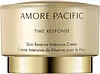
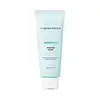
AMOREPACIFIC Time Response Skin Reserve Intensive Cream Versus Bring Green Bamboo Hyalu Hydrating Cream
This anti-aging moisturizer is formulated around Niacinamide and Adenosine to soften the look of wrinkles.
This barrier-repair moisturizer is formulated around Sodium Hyaluronate and Hyaluronic Acid to strengthen the skin barrier and hydrate skin.

What's inside
What's inside
 Key Ingredients
Benefits
Concerns
Ingredients Side-by-side
Camellia Sinensis Leaf Water
Masking
Butylene Glycol
Humectant

Glycerin
Humectant
Water
Skin ConditioningCetyl Ethylhexanoate
EmollientButylene Glycol Dicaprylate/Dicaprate
EmollientCaprylic/Capric Triglyceride
Masking
Dimethicone
Emollient
Polyglyceryl-3 Methylglucose Distearate
Emulsifying

Behenyl Alcohol
Emollient
Glyceryl Stearate
Emollient
1,2-Hexanediol
Skin Conditioning
Propanediol
Solvent
Hydroxyethyl Acrylate/Sodium Acryloyldimethyl Taurate Copolymer
Emulsion StabilisingPolyglyceryl-10 Stearate
Skin Conditioning
Cetyl Alcohol
Emollient
Niacinamide
Smoothing









PEG-100 Stearate
Surfactant
Parfum
Masking


Caffeine
Skin Conditioning
Dipotassium Glycyrrhizate
Humectant
Glyceryl Caprylate
EmollientDipalmitoyl Hydroxyproline
Skin Conditioning
Sorbitan Isostearate
Emulsifying
Polysorbate 60
Emulsifying
Disodium EDTA
ChelatingAdenosine
Skin Conditioning
Ethylhexylglycerin
Skin ConditioningBeta-Glucan
Skin Conditioning
Palmitic Acid
Emollient

Natto Gum
Glycine Soja Seed Extract
Skin Conditioning
Butylphenyl Methylpropional
Perfuming
Camellia Sinensis Leaf Extract
Antimicrobial
Limonene
Perfuming
Geraniol
Perfuming
Dextrin
AbsorbentTheobroma Cacao Extract
Skin ConditioningCitronellol
Perfuming
Alpha-Isomethyl Ionone
Perfuming
Linalool
Perfuming
Phenoxyethanol
Preservative
Panax Ginseng Root Extract
Emollient
Hydroxycitronellal
Perfuming
Poloxamer 235
EmulsifyingBetaine
Humectant
Epigallocatechin Gallate
Antioxidant
Ethoxydiglycol
HumectantTocophersolan
Antioxidant
Poloxamer 338
EmulsifyingGlucose
Humectant
Magnolia Obovata Bark Extract
Skin ConditioningCaprylyl Glycol
Emollient
Camellia Sinensis Leaf Water, Butylene Glycol, Glycerin, Water, Cetyl Ethylhexanoate, Butylene Glycol Dicaprylate/Dicaprate, Caprylic/Capric Triglyceride, Dimethicone, Polyglyceryl-3 Methylglucose Distearate, Behenyl Alcohol, Glyceryl Stearate, 1,2-Hexanediol, Propanediol, Hydroxyethyl Acrylate/Sodium Acryloyldimethyl Taurate Copolymer, Polyglyceryl-10 Stearate, Cetyl Alcohol, Niacinamide, PEG-100 Stearate, Parfum, Caffeine, Dipotassium Glycyrrhizate, Glyceryl Caprylate, Dipalmitoyl Hydroxyproline, Sorbitan Isostearate, Polysorbate 60, Disodium EDTA, Adenosine, Ethylhexylglycerin, Beta-Glucan, Palmitic Acid, Natto Gum, Glycine Soja Seed Extract, Butylphenyl Methylpropional, Camellia Sinensis Leaf Extract, Limonene, Geraniol, Dextrin, Theobroma Cacao Extract, Citronellol, Alpha-Isomethyl Ionone, Linalool, Phenoxyethanol, Panax Ginseng Root Extract, Hydroxycitronellal, Poloxamer 235, Betaine, Epigallocatechin Gallate, Ethoxydiglycol, Tocophersolan, Poloxamer 338, Glucose, Magnolia Obovata Bark Extract, Caprylyl Glycol
Water
Skin ConditioningGlycerin
Humectant
Isononyl Isononanoate
Emollient1,2-Hexanediol
Skin Conditioning
Isododecane
EmollientButylene Glycol
Humectant
Chlorella Vulgaris Extract
Skin ConditioningJojoba Esters
Emollient
Hydrolyzed Phyllostachys Bambusoides
HumectantSodium Hyaluronate
Humectant
Malachite Extract
Antioxidant
Xylitylglucoside
Humectant
Xylitol
Humectant
Melia Azadirachta Flower Extract
Skin ConditioningOcimum Sanctum Leaf Extract
Skin ConditioningRosa Indica Flower Extract
Antioxidant
Melia Azadirachta Leaf Extract
Skin ConditioningCurcuma Longa Root Extract
Antioxidant
Corallina Officinalis Extract
Skin Conditioning
Phyllostachys Bambusoides Extract
Skin ConditioningHydrolyzed Hyaluronic Acid
Humectant
Hyaluronic Acid
Humectant
Pentaerythrityl Tetraethylhexanoate
Emollient
Pentylene Glycol
Skin Conditioning
Glucose
Humectant
Acrylates/C10-30 Alkyl Acrylate Crosspolymer
Emulsion StabilisingAmmonium Acryloyldimethyltaurate/Vp Copolymer
Polyglyceryl-3 Methylglucose Distearate
Emulsifying
Tromethamine
BufferingFructooligosaccharides
Humectant
Fructose
Humectant
Glyceryl Acrylate/Acrylic Acid Copolymer
HumectantPanthenol
Skin Conditioning
Ethylhexylglycerin
Skin ConditioningSodium Phytate
ChelatingAnhydroxylitol
Humectant
Tocopherol
Antioxidant
Propanediol
Solvent
Benzyl Glycol
SolventHydrolyzed Glycosaminoglycans
HumectantSodium Hyaluronate Crosspolymer
Humectant
Hydroxypropyltrimonium Hyaluronate
Sodium Acetylated Hyaluronate
Humectant
Water, Glycerin, Isononyl Isononanoate, 1,2-Hexanediol, Isododecane, Butylene Glycol, Chlorella Vulgaris Extract, Jojoba Esters, Hydrolyzed Phyllostachys Bambusoides, Sodium Hyaluronate, Malachite Extract, Xylitylglucoside, Xylitol, Melia Azadirachta Flower Extract, Ocimum Sanctum Leaf Extract, Rosa Indica Flower Extract, Melia Azadirachta Leaf Extract, Curcuma Longa Root Extract, Corallina Officinalis Extract, Phyllostachys Bambusoides Extract, Hydrolyzed Hyaluronic Acid, Hyaluronic Acid, Pentaerythrityl Tetraethylhexanoate, Pentylene Glycol, Glucose, Acrylates/C10-30 Alkyl Acrylate Crosspolymer, Ammonium Acryloyldimethyltaurate/Vp Copolymer, Polyglyceryl-3 Methylglucose Distearate, Tromethamine, Fructooligosaccharides, Fructose, Glyceryl Acrylate/Acrylic Acid Copolymer, Panthenol, Ethylhexylglycerin, Sodium Phytate, Anhydroxylitol, Tocopherol, Propanediol, Benzyl Glycol, Hydrolyzed Glycosaminoglycans, Sodium Hyaluronate Crosspolymer, Hydroxypropyltrimonium Hyaluronate, Sodium Acetylated Hyaluronate
Reviews
Ingredients Explained
These ingredients are found in both products.
Ingredients higher up in an ingredient list are typically present in a larger amount.
1,2-Hexanediol is a synthetic liquid and another multi-functional powerhouse.
It is a:
- Humectant, drawing moisture into the skin
- Emollient, helping to soften skin
- Solvent, dispersing and stabilizing formulas
- Preservative booster, enhancing the antimicrobial activity of other preservatives
Butylene Glycol (or BG) is used within cosmetic products for a few different reasons:
Overall, Butylene Glycol is a safe and well-rounded ingredient that works well with other ingredients.
Though this ingredient works well with most skin types, some people with sensitive skin may experience a reaction such as allergic rashes, closed comedones, or itchiness.
Learn more about Butylene GlycolEthylhexylglycerin is created from glycerin. It is a multitasker ingredient that:
The CIR Expert Panel found minimal skin absorption or sensitization of any kind in a safety assessment. Though this ingredient is considered well-tolerated, a small number of cases of allergic dermatitis have been published since 2002. Just be sure to patch test if you are unsure.
Industry-reported use ranges from 8% in rinse-off products and 2% in leave-on formulations.
Learn more about EthylhexylglycerinGlucose is a simple sugar (a monosaccharide). In skincare, it is mostly a humectant and skin conditioning agent.
Mechanistically, it has multiple hydroxyl groups that hydrogen-bond to water. This pulls moisture into the upper layers of skin to keep the surface soft and hydrated.
It's worth knowing sugars are already a natural component of the skin's NMF (natural moisturizing factor) so it's a molecule that your stratum corneum is well-acquainted with.
Just so you know, glucose is hydrophilic (water-loving) and the stratum corneum is a strong barrier to hydrophilic compounds. This just means penetration is slow and most of the action is happening on the surface.
Gram-to-gram, glucose is not as efficient as a humectant as glycerin. This is why you'll likely see glycose paired with stronger humectants for a bigger hydration payoff.
In skincare, glucose is typically derived from corn or other starch sources.
Learn more about GlucoseGlycerin (or glycerol) is a compound naturally found in your skin. It's a powerhouse humectant that pulls water into the stratum corneum.
Topically, glycerin does several things at once:
Your skin makes glycerin on its own (mostly from sebaceous oil breakdown) and shuttles it to your outermost layer of skin, or your epidermis, via aquaporin-3.
Aquaporin-3 is a transporter that is essential for normal skin hydration, elasticity, and repair. Interestingly, mice lacking in AQP3 have dry and less elastic skin that can be fully corrected with glycerin.
This ingredient is non-irritating, plays well with almost every ingredient, and works across all skin types. Typical use is anywhere between 3-10% but can go up to 79% in some leave-on products.
Just know very high concentrations (>40%) can feel tacky in low humidity.
Glycerin is the name for this ingredient in American English. British English uses Glycerol/Glycerine.
Learn more about GlycerinPolyglyceryl-3 Methylglucose Distearate is a plant-derived emulsifier whose only job is to keep the oily and watery parts of a formula blended so it doesn't separate into layers.
It's compatible with a wide-range of active ingredients and especially good at making emulsions survive heat/freeze cycles.
Typical use concentrations range from 2-3% and it works across a pH of 4.5-8.5.
This ingredient has been found safe to use in cosmetics and has a low irritation profile.
Because it's build on stearic acid, it may not be fungal acne safe. Stearic acid is a C18 fatty acid that falls within the range (C11-24) that Malassezia can feed on.
Learn more about Polyglyceryl-3 Methylglucose DistearatePropanediol is an all-star ingredient. It softens, hydrates, and smooths the skin.
It’s often used to:
Propanediol is not likely to cause sensitivity and considered safe to use. It is derived from corn or petroleum with a clear color and no scent.
Learn more about PropanediolWater. It's the most common cosmetic ingredient of all. You'll usually see it at the top of ingredient lists, meaning that it makes up the largest part of the product.
So why is it so popular? Water most often acts as a solvent - this means that it helps dissolve other ingredients into the formulation.
You'll also recognize water as that liquid we all need to stay alive. If you see this, drink a glass of water. Remember to stay hydrated!
Learn more about Water

