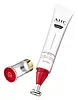
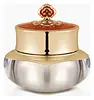
AHC Beauty Pro Shot Colla-Juvenation Lift 4 Capsule-Infused Eye Cream For Face Versus The History of Whoo Cheongidan Radiant Rejuvenating Eye Cream
This anti-aging eye moisturizer is formulated around Bakuchiol and Hydroxypinacolone Retinoate to soften the look of wrinkles.
This anti-aging eye moisturizer is formulated around Ceramide NP and Panthenol to soften the look of wrinkles and hydrate skin.

What's inside
What's inside
 Key Ingredients
Benefits
Concerns
Ingredients Side-by-side
Water
Skin ConditioningGlycerin
Humectant


Dipropylene Glycol
HumectantCaprylic/Capric Triglyceride
Masking
Hydrogenated Polydecene
EmollientCyclohexasiloxane
Emollient
Dicaprylyl Carbonate
EmollientCaprylic/Capric/Succinic Triglyceride
EmollientCetearyl Alcohol
Emollient





Glyceryl Stearate Se
Emulsifying
Cetyl Alcohol
Emollient
Butyrospermum Parkii Butter
Skin Conditioning
Pentaerythrityl Stearate/Caprate/Caprylate/Adipate
EmollientCetearyl Olivate
Polyglyceryl-10 Myristate
Skin Conditioning
1,2-Hexanediol
Skin Conditioning
Sorbitan Olivate
Emulsifying
Polyglyceryl-10 Laurate
Skin Conditioning
Dimethicone/Vinyl Dimethicone Crosspolymer
Skin Conditioning
Parfum
Masking


Polyacrylate-13
Behenyl Alcohol
Emollient
Sodium Stearoyl Glutamate
CleansingVinyldimethicone
Polyglyceryl-10 Stearate
Skin Conditioning
Phytosteryl/Behenyl/Octyldodecyl Lauroyl Glutamate
Skin ConditioningHydroxyacetophenone
Antioxidant
Hydrogenated Lecithin
Emulsifying
Hydrogenated Polyisobutene
EmollientEthylhexylglycerin
Skin ConditioningAcrylates/C10-30 Alkyl Acrylate Crosspolymer
Emulsion StabilisingXanthan Gum
EmulsifyingPropanediol
Solvent
Adenosine
Skin Conditioning

Ethylhexyl Palmitate
Emollient
Cholesterol
Emollient
Disodium EDTA
ChelatingPentylene Glycol
Skin Conditioning
Sorbitan Isostearate
Emulsifying
Collagen
Moisturising
Ceramide NP
Skin Conditioning

Butylene Glycol
Humectant
Sodium Laurate
CleansingLauric Acid
Cleansing
Oligopeptide-1
Skin Conditioning


Beta-Alanyl Hydroxyprolyldiaminobutyroyl Benzylamide
Skin ConditioningAsparagopsis Armata Extract
Skin Protecting
Tocopherol
Antioxidant

Hexapeptide-11
Skin Conditioning
Acetyl Tetrapeptide-9
Skin Conditioning
Bakuchiol
Antimicrobial

Diisopropyl Adipate
EmollientHelianthus Annuus Seed Oil
Emollient
Soluble Collagen
Humectant
Squalane
Emollient
Morus Alba Leaf Extract
Skin ConditioningCarthamus Tinctorius Seed Oil
Masking
Aluminum/Magnesium Hydroxide Stearate
Emulsion StabilisingMedicago Sativa Extract
TonicStevia Rebaudiana Leaf/Stem Extract
MaskingHydroxypinacolone Retinoate
Skin Conditioning


Gigartina Stellata Extract
Skin Protecting
Caprylyl Glycol
Emollient
Water, Glycerin, Dipropylene Glycol, Caprylic/Capric Triglyceride, Hydrogenated Polydecene, Cyclohexasiloxane, Dicaprylyl Carbonate, Caprylic/Capric/Succinic Triglyceride, Cetearyl Alcohol, Glyceryl Stearate Se, Cetyl Alcohol, Butyrospermum Parkii Butter, Pentaerythrityl Stearate/Caprate/Caprylate/Adipate, Cetearyl Olivate, Polyglyceryl-10 Myristate, 1,2-Hexanediol, Sorbitan Olivate, Polyglyceryl-10 Laurate, Dimethicone/Vinyl Dimethicone Crosspolymer, Parfum, Polyacrylate-13, Behenyl Alcohol, Sodium Stearoyl Glutamate, Vinyldimethicone, Polyglyceryl-10 Stearate, Phytosteryl/Behenyl/Octyldodecyl Lauroyl Glutamate, Hydroxyacetophenone, Hydrogenated Lecithin, Hydrogenated Polyisobutene, Ethylhexylglycerin, Acrylates/C10-30 Alkyl Acrylate Crosspolymer, Xanthan Gum, Propanediol, Adenosine, Ethylhexyl Palmitate, Cholesterol, Disodium EDTA, Pentylene Glycol, Sorbitan Isostearate, Collagen, Ceramide NP, Butylene Glycol, Sodium Laurate, Lauric Acid, Oligopeptide-1, Beta-Alanyl Hydroxyprolyldiaminobutyroyl Benzylamide, Asparagopsis Armata Extract, Tocopherol, Hexapeptide-11, Acetyl Tetrapeptide-9, Bakuchiol, Diisopropyl Adipate, Helianthus Annuus Seed Oil, Soluble Collagen, Squalane, Morus Alba Leaf Extract, Carthamus Tinctorius Seed Oil, Aluminum/Magnesium Hydroxide Stearate, Medicago Sativa Extract, Stevia Rebaudiana Leaf/Stem Extract, Hydroxypinacolone Retinoate, Gigartina Stellata Extract, Caprylyl Glycol
Water
Skin ConditioningButylene Glycol
Humectant
Dipropylene Glycol
HumectantGlycerin
Humectant
Caprylyl Trimethicone
Skin Conditioning
Trimethylpentanediol/Adipic Acid/Glycerin Crosspolymer
Skin ConditioningDimethicone
Emollient
Cyclopentasiloxane
Emollient
1,2-Hexanediol
Skin Conditioning
Sorbitol
Humectant
Ceramide NP
Skin Conditioning
Hydrogenated Polyisobutene
EmollientHydrogenated Lecithin
Emulsifying
Sucrose Polystearate
EmollientTriethylhexanoin
MaskingBeeswax
Emulsion Stabilising
Panthenol
Skin Conditioning
PCA Dimethicone
Skin Conditioning
Glyceryl Stearate
Emollient
PEG-100 Stearate
Surfactant
Dimethicone/Vinyl Dimethicone Crosspolymer
Skin Conditioning
Stearic Acid
Cleansing
Glycereth-20
HumectantPanax Ginseng Root Extract
Emollient
PEG-10 Rapeseed Sterol
CleansingPhellinus Linteus Extract
Skin ConditioningCarbomer
Emulsion StabilisingTromethamine
BufferingParfum
Masking
Mica
Cosmetic ColorantVp/Va Copolymer
CI 77891
Cosmetic ColorantChrysanthellum Indicum Extract
Skin Conditioning
Lonicera Japonica Flower Extract
Skin ConditioningAmodimethicone
Hydroxypropyl Methylcellulose
Emulsion StabilisingXanthan Gum
EmulsifyingBrassica Campestris Extract
Skin ConditioningNelumbo Nucifera Seed Extract
Antimicrobial
Plantago Asiatica Seed Extract
Skin ConditioningPlatycodon Grandiflorus Root Extract
Antioxidant
Zizyphus Jujuba Fruit Extract
Velvet Extract
HumectantAngelica Gigas Extract
Skin ConditioningPoria Cocos Sclerotium Extract
AstringentLycium Chinense Fruit Extract
Antioxidant
Rehmannia Glutinosa Root Extract
Skin ConditioningAngelica Tenuissima Root Extract
Skin ConditioningAtractylodes Japonica Rhizome Extract
Skin ConditioningCnidium Officinale Root Extract
Skin ConditioningCuscuta Australis Seed Extract
Skin ConditioningCyperus Rotundus Root Extract
Skin ConditioningDioscorea Japonica Root Extract
Skin Conditioning
Forsythia Suspensa Fruit Extract
Antioxidant
Gardenia Florida Flower Extract
Skin ConditioningGlycine Soja Seed Extract
Skin Conditioning
Ledebouriella Divaricata Root Extract
Skin ConditioningMagnolia Officinalis Bark Extract
Antimicrobial
Ophiopogon Japonicus Root Extract
Skin ConditioningOyster Shell Extract
Paeonia Suffruticosa Root Extract
Skin ProtectingPolygonatum Officinale Rhizome/Root Extract
Skin ConditioningPrunus Armeniaca Kernel Extract
Skin ConditioningSesamum Indicum Seed Extract
Skin Conditioning
Trichosanthes Kirilowii Root Extract
Skin ProtectingViscum Album Extract
Skin ConditioningCI 77491
Cosmetic ColorantCornus Officinalis Fruit Extract
Skin ConditioningAngelica Acutiloba Root Extract
Skin ConditioningThymus Vulgaris Extract
Perfuming
Paeonia Lactiflora Root Extract
Skin ConditioningCarthamus Tinctorius Seed Oil
Masking
Eucommia Ulmoides Leaf Extract
Skin ConditioningPolygonum Multiflorum Root Extract
Skin ConditioningAllium Tuberosum Seed Extract
Skin ConditioningPolygala Tenuifolia Root Extract
Skin ConditioningTribulus Terrestris Fruit Extract
Skin ConditioningEpimedium Koreanum Extract
AntimicrobialGold
Cosmetic ColorantAngelica Gigas Root Extract
Skin ConditioningEucommia Ulmoides Bark Extract
Antioxidant
Achyranthes Bidentata Root Extract
Skin ConditioningWater, Butylene Glycol, Dipropylene Glycol, Glycerin, Caprylyl Trimethicone, Trimethylpentanediol/Adipic Acid/Glycerin Crosspolymer, Dimethicone, Cyclopentasiloxane, 1,2-Hexanediol, Sorbitol, Ceramide NP, Hydrogenated Polyisobutene, Hydrogenated Lecithin, Sucrose Polystearate, Triethylhexanoin, Beeswax, Panthenol, PCA Dimethicone, Glyceryl Stearate, PEG-100 Stearate, Dimethicone/Vinyl Dimethicone Crosspolymer, Stearic Acid, Glycereth-20, Panax Ginseng Root Extract, PEG-10 Rapeseed Sterol, Phellinus Linteus Extract, Carbomer, Tromethamine, Parfum, Mica, Vp/Va Copolymer, CI 77891, Chrysanthellum Indicum Extract, Lonicera Japonica Flower Extract, Amodimethicone, Hydroxypropyl Methylcellulose, Xanthan Gum, Brassica Campestris Extract, Nelumbo Nucifera Seed Extract, Plantago Asiatica Seed Extract, Platycodon Grandiflorus Root Extract, Zizyphus Jujuba Fruit Extract, Velvet Extract, Angelica Gigas Extract, Poria Cocos Sclerotium Extract, Lycium Chinense Fruit Extract, Rehmannia Glutinosa Root Extract, Angelica Tenuissima Root Extract, Atractylodes Japonica Rhizome Extract, Cnidium Officinale Root Extract, Cuscuta Australis Seed Extract, Cyperus Rotundus Root Extract, Dioscorea Japonica Root Extract, Forsythia Suspensa Fruit Extract, Gardenia Florida Flower Extract, Glycine Soja Seed Extract, Ledebouriella Divaricata Root Extract, Magnolia Officinalis Bark Extract, Ophiopogon Japonicus Root Extract, Oyster Shell Extract, Paeonia Suffruticosa Root Extract, Polygonatum Officinale Rhizome/Root Extract, Prunus Armeniaca Kernel Extract, Sesamum Indicum Seed Extract, Trichosanthes Kirilowii Root Extract, Viscum Album Extract, CI 77491, Cornus Officinalis Fruit Extract, Angelica Acutiloba Root Extract, Thymus Vulgaris Extract, Paeonia Lactiflora Root Extract, Carthamus Tinctorius Seed Oil, Eucommia Ulmoides Leaf Extract, Polygonum Multiflorum Root Extract, Allium Tuberosum Seed Extract, Polygala Tenuifolia Root Extract, Tribulus Terrestris Fruit Extract, Epimedium Koreanum Extract, Gold, Angelica Gigas Root Extract, Eucommia Ulmoides Bark Extract, Achyranthes Bidentata Root Extract
Ingredients Explained
These ingredients are found in both products.
Ingredients higher up in an ingredient list are typically present in a larger amount.
1,2-Hexanediol is a synthetic liquid and another multi-functional powerhouse.
It is a:
- Humectant, drawing moisture into the skin
- Emollient, helping to soften skin
- Solvent, dispersing and stabilizing formulas
- Preservative booster, enhancing the antimicrobial activity of other preservatives
Butylene Glycol (or BG) is used within cosmetic products for a few different reasons:
Overall, Butylene Glycol is a safe and well-rounded ingredient that works well with other ingredients.
Though this ingredient works well with most skin types, some people with sensitive skin may experience a reaction such as allergic rashes, closed comedones, or itchiness.
Learn more about Butylene GlycolCarthamus Tinctorius Seed Oil comes from the seeds of the safflower plant. It is a skin conditioning agent that helps soften skin and keep it hydrated.
This seed oil has an unusual fatty acid profile: it is one of the highest linoleic acid plant oils out there (~55-77%). It also has low amounts of oleic acid, and this high-linoleic/low-oleic ratio gets people excited.
Linoleic acid helps maintain skin barrier integrity and is a building block for the ceramides in your stratum corneum. Notably, people with acne tend to have lower linoleic acid in their skin lipids as well (and this gets worse as acne gets more severe).
Overall, it's a lightweight, fast-absorbing oil that has a long safety track record. Lab testing has found it to be non-irritating for skin or eyes.
The Malassezia yeast can metabolize the fatty acids in this oil to grow; therefore this ingredient may not be fungal acne safe.
Learn more about Carthamus Tinctorius Seed OilCeramide NP (formerly known as Ceramide 3) is one of the skin's naturally occurring lipids.
Since ceramides are the major lipid components of the skin, they are crucial for maintaining skin barrier and hydration. Ceramide NP most closely mirrors the dominant kind in human skin amongst ceramide subtypes.
This ceramide works by slotting into gaps within the stratum corneum's lipid matrix to limit trans-epidermal water loss (TEWL) and shield the skin against external irritants.
A study with 312 patients found that using a ceramide-containing routine for 4 weeks reduced the severity of atopic dermatitis by over 61%.
Another clinical study in subjects aged 60 and older found that a ceramide body wash and moisturizer improved skin dryness and itchy skin in 15 days.
Overall, ceramides are considered non-irritating and safety tests have found little to no observable adverse effects from using this ingredient.
Ceramide NP is usually sourced from plants (like soybean or rice bran), or produced synthetically.
Learn more about Ceramide NPThis ingredient is a silicone elastomer that works as a texture enhancer, adds a silky slip, and also helps absorb excess oil.
Because it's a large macromolecule that's insoluble in water and chemically inert, it's not expected to penetrate or be absorbed into skin.
Human patch tests with a facial lotion containing 1% of this ingredient found no sensitization.
Learn more about Dimethicone/Vinyl Dimethicone CrosspolymerDipropylene Glycol is a synthetically created humectant, stabilizer, and solvent.
This ingredient helps:
Dipropylene glycol is technically an alcohol, but it belongs to the glycol family (often considered part of the ‘good’ alcohols). This means it is hydrating and gentle on skin unlike drying solvent alcohols like denatured alcohol.
As a masking agent, Dipropylene Glycol can be used to cover the smell of other ingredients. However, it does not have a scent.
Studies show Dipropylene Glycol is considered safe to use in skincare.
Learn more about Dipropylene GlycolGlycerin (or glycerol) is a compound naturally found in your skin. It's a powerhouse humectant that pulls water into the stratum corneum.
Topically, glycerin does several things at once:
Your skin makes glycerin on its own (mostly from sebaceous oil breakdown) and shuttles it to your outermost layer of skin, or your epidermis, via aquaporin-3.
Aquaporin-3 is a transporter that is essential for normal skin hydration, elasticity, and repair. Interestingly, mice lacking in AQP3 have dry and less elastic skin that can be fully corrected with glycerin.
This ingredient is non-irritating, plays well with almost every ingredient, and works across all skin types. Typical use is anywhere between 3-10% but can go up to 79% in some leave-on products.
Just know very high concentrations (>40%) can feel tacky in low humidity.
Glycerin is the name for this ingredient in American English. British English uses Glycerol/Glycerine.
Learn more about GlycerinHydrogenated Lecithin is a more stable version of lecithin.
It's made by taking lecithin (a phospholipid commonly found in soybeans and egg yolks) and hydrogenating it. This just means the unsaturated fatty acids are turned into saturated ones so they don't go bad as easily.
This ingredient is an emollient, emulsifier, and penetration enhancer. As an emollient, it helps soften and hydrate skin by trapping moisture within. As an emulsifier, it prevents oil and water ingredients from separating.
Hydrogenated Lecithin can form tiny spherical structures made of phospholipid bilayers called liposomes. These liposomes are able to capture compounds inside their structure and deliver them through the skin barrier.
Because phospholipids are a natural component of our cell membranes, this ingredient is inherently compatible with skin.
A 2021 study found lecithin-based surfactants were less harsh and more tolerable comared to Sodium Lauryl Sulfate (SLS).
Learn more about Hydrogenated LecithinHydrogenated Polyisobutene is a synthetic polymer. Polymers are compounds with high molecular weight. Hydrogenated Polyisobutene is an emollient and texture enhancer.
In one study, Hydrogenated Polyisobutene showed better skin hydration levels than Caprylic/Capric Triglyceride. As an emollient, it helps keep your skin soft and hydrated by trapping moisture in.
Hydrogenated Polyisobutene is often used as a mineral oil replacement.
Learn more about Hydrogenated PolyisobuteneParfum is a catch-all term for an ingredient or more that is used to give a scent to products.
Also called "fragrance", this ingredient can be a blend of hundreds of chemicals or plant oils. This means every product with "fragrance" or "parfum" in the ingredients list is a different mixture.
For instance, Habanolide is a proprietary trade name for a specific aroma chemical. When used as a fragrance ingredient in cosmetics, most aroma chemicals fall under the broad labeling category of “FRAGRANCE” or “PARFUM” according to EU and US regulations.
The term 'parfum' or 'fragrance' is not regulated in many countries. In many cases, it is up to the brand to define this term.
For instance, many brands choose to label themselves as "fragrance-free" because they are not using synthetic fragrances. However, their products may still contain ingredients such as essential oils that are considered a fragrance by INCI standards.
One example is Calendula flower extract. Calendula is an essential oil that still imparts a scent or 'fragrance'.
Depending on the blend, the ingredients in the mixture can cause allergies and sensitivities on the skin. Some ingredients that are known EU allergens include linalool and citronellol.
Parfum can also be used to mask or cover an unpleasant scent.
The bottom line is: not all fragrances/parfum/ingredients are created equally. If you are worried about fragrances, we recommend taking a closer look at an ingredient. And of course, we always recommend speaking with a professional.
Learn more about ParfumWater. It's the most common cosmetic ingredient of all. You'll usually see it at the top of ingredient lists, meaning that it makes up the largest part of the product.
So why is it so popular? Water most often acts as a solvent - this means that it helps dissolve other ingredients into the formulation.
You'll also recognize water as that liquid we all need to stay alive. If you see this, drink a glass of water. Remember to stay hydrated!
Learn more about WaterXanthan gum is used as a stabilizer and thickener within cosmetic products. It helps give products a sticky, thick feeling - preventing them from being too runny.
On the technical side of things, xanthan gum is a polysaccharide - a combination consisting of multiple sugar molecules bonded together.
Xanthan gum is a pretty common and great ingredient. It is a natural, non-toxic, non-irritating ingredient that is also commonly used in food products.
Learn more about Xanthan Gum

